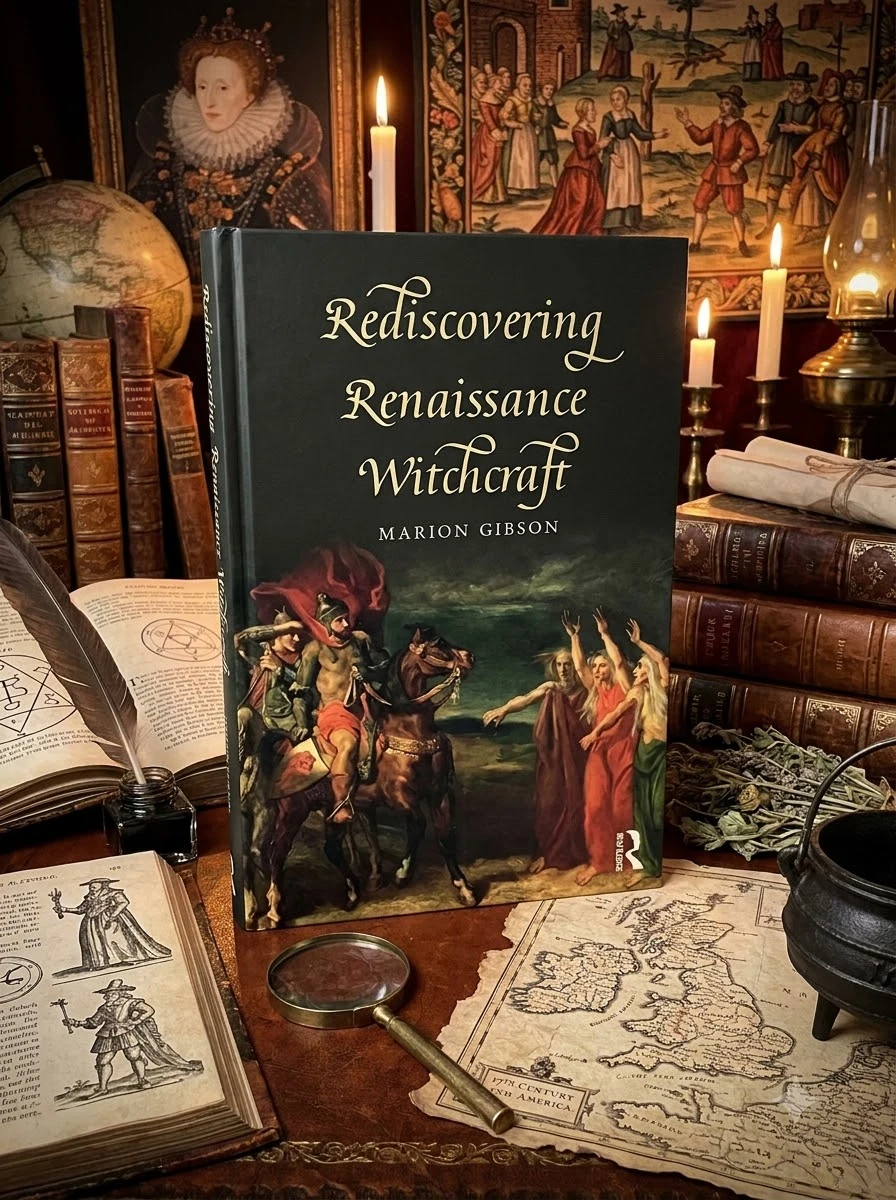
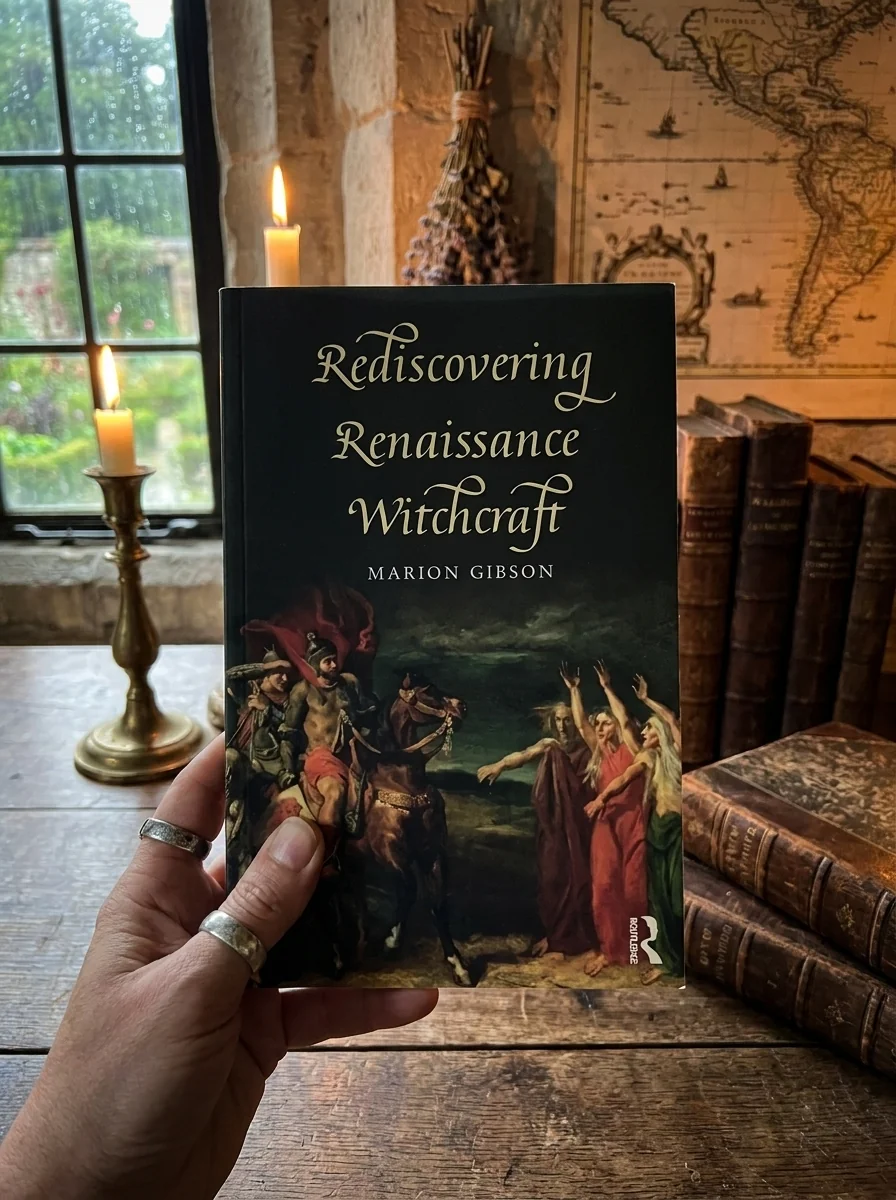
Rediscovering Renaissance Witchcraft
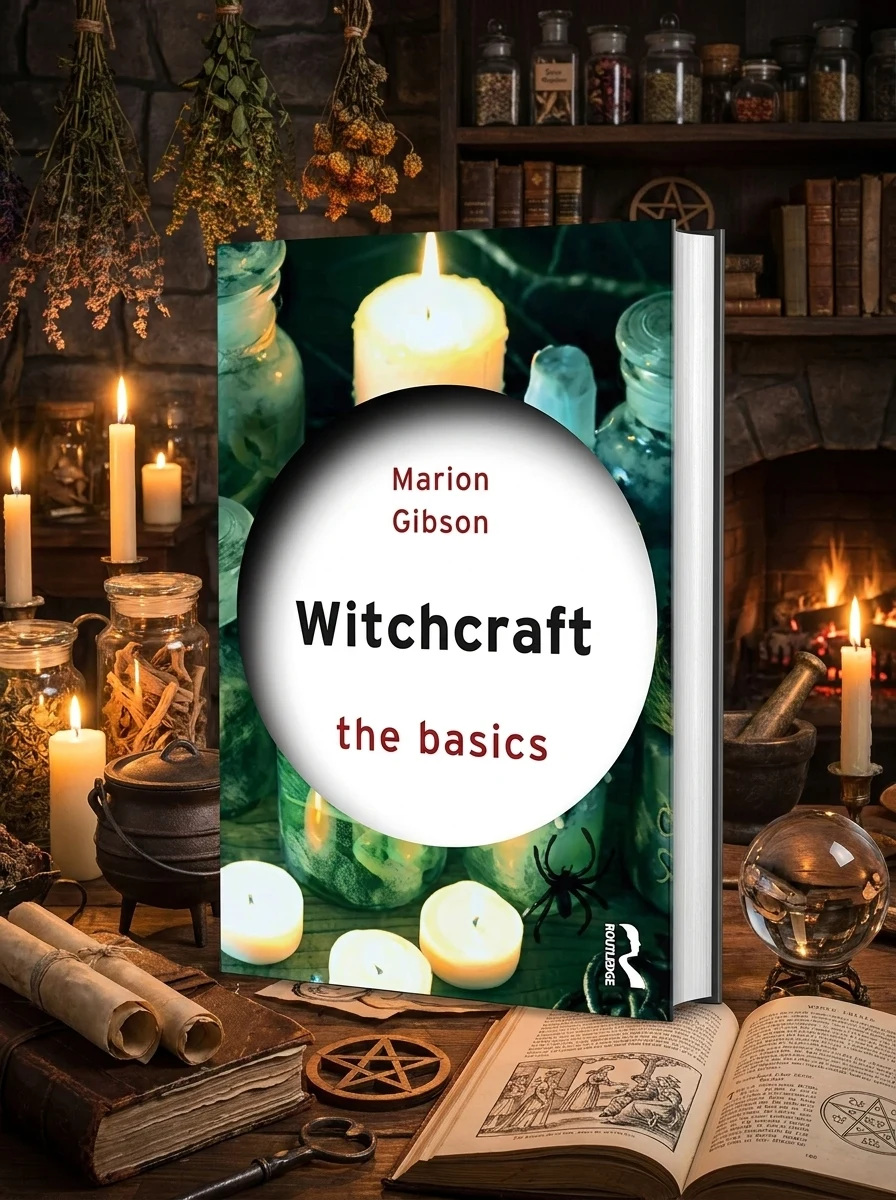
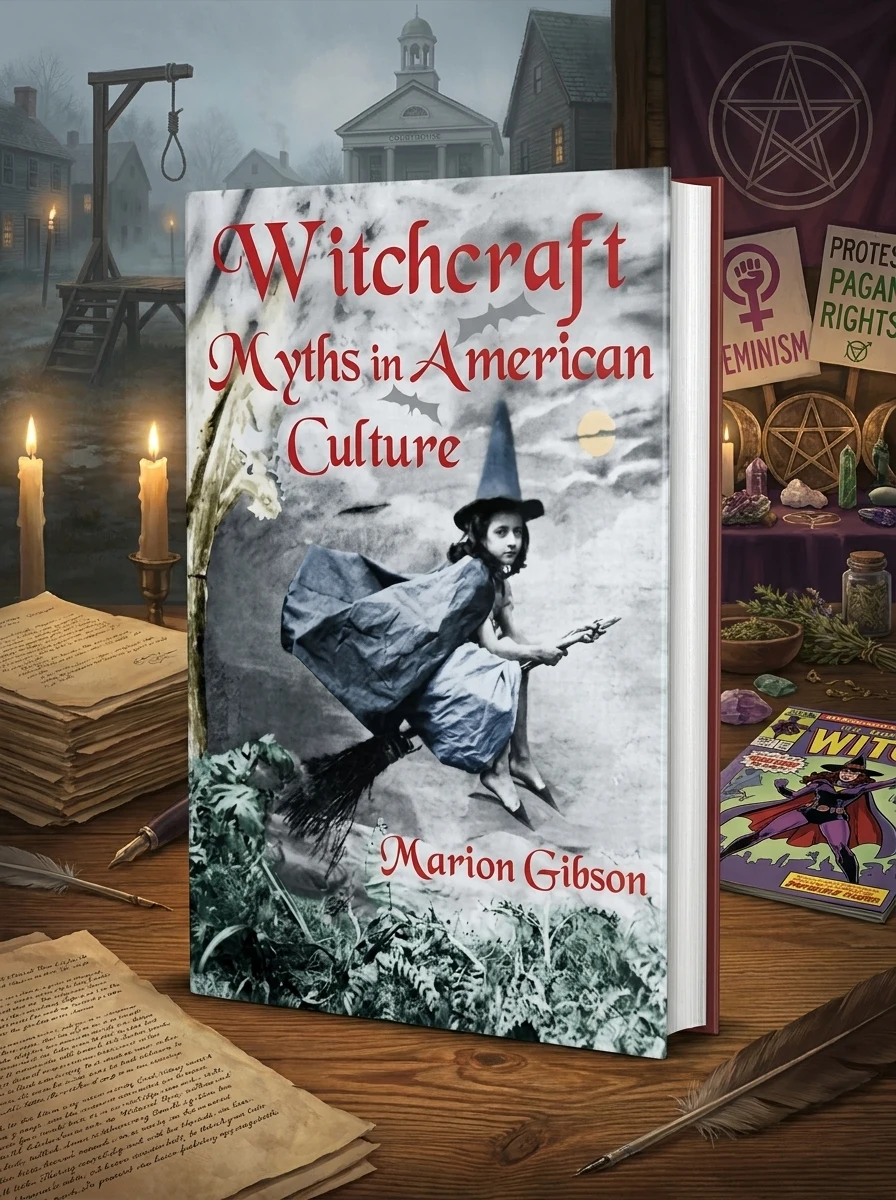
✍️ Gibson, MarionAn academic history tracing British and American witchcraft literature from the Renaissance to modern screen adaptations.
This volume documents the transformation of early modern witch trials into enduring cultural tropes across literature and media. Gibson uses primary trial records, Renaissance plays, and modern screen media to demonstrate how historical persecutions were reinterpreted by later generations. The study maps how political shifts, imperial decline, and changing views on gender continually reshaped popular interest in early modern magic.
The text focuses on sixteenth and seventeenth century Britain and America, following the revival of these early modern magic themes through eighteenth-century Romanticism, twentieth-century imperial shifts, and modern screen media.


📝 Description: Rediscovering Renaissance Witchcraft
💎 Expert review
📖 Why choose it
Why this book is worth reading
Readers deeply interested in the genealogy of occult beliefs and their cultural manifestations will find this study indispensable. It offers a rigorous yet accessible exploration of how witchcraft narratives have been constructed and reconstructed over centuries, particularly within British and American contexts. By examining pivotal events like the North Berwick trials alongside literary masterpieces such as Macbeth, the book illuminates complex themes of gender, identity, and empire. Those seeking to understand the enduring fascination with witchcraft beyond mere folklore will appreciate its nuanced analysis of how these stories serve as mirrors for societal fears and desires across different eras.
⭐ Reader reviews
Reader rating
Marion Gibson provides a sophisticated account that bridges the gap between academic history and popular interest in the occult. The text is intellectually robust, weaving together trial records and literary analysis to reveal deeper cultural currents regarding race and gender. However, readers seeking practical magical instruction or lighthearted entertainment will find little here. This is a serious scholarly work that demands attention to detail and historical context. It may feel dense to those expecting a simple narrative of witch hunts, but it rewards careful reading with profound insights into the persistent reinvention of witchcraft in modern consciousness.
❓ Frequently asked questions
📖 Who should read this
If you're fascinated by the enduring power of myth, the intersection of history and literature, or how societal anxieties manifest in cultural narratives, this book is for you. Dive into centuries of witchlore and discover its profound impact on identity, gender, and power dynamics.
🎯 Key themes and symbolism
Witchcraft's Literary Evolution
This book meticulously traces how the figure of the witch has been portrayed and reinterpreted across centuries of British and American literature. From 16th-century plays to modern novels, it examines how authors like Shakespeare shaped our understanding of magical power, fear, and societal norms, demonstrating the enduring influence of these fictional yet deeply resonant portrayals.
Identity and Society
Beyond historical events, the text investigates how witchcraft narratives become lenses through which to examine broader societal concerns. It explores discussions on national identity, the construction of gender roles, expressions of sexuality, and the fraught histories of race and empire, showing how the "witch" often embodies cultural anxieties and shifting social paradigms.
Historical Reinvention
The study highlights how perceptions of Renaissance witchcraft were continually reshaped over time. It begins with primary historical records and then moves to its Romantic re-discovery in the 18th century, demonstrating how successive generations reinterpreted and reinvented the witch figure, ensuring her persistent presence in both historical understanding and contemporary popular culture.
📜 Historical context
📚 Glossary
- North Berwick Witches
- Matthew Hopkins
- Intertextuality
📔 Questions to reflect on
- How do contemporary portrayals of witches in media reflect or diverge from the historical anxieties of the Renaissance period?
- Consider a specific historical figure or literary character accused of witchcraft. How might their story illuminate broader questions of gender, power, or social control in their era?
- In what ways do narratives of witchcraft continue to influence our understanding of national identity or cultural "otherness" today?