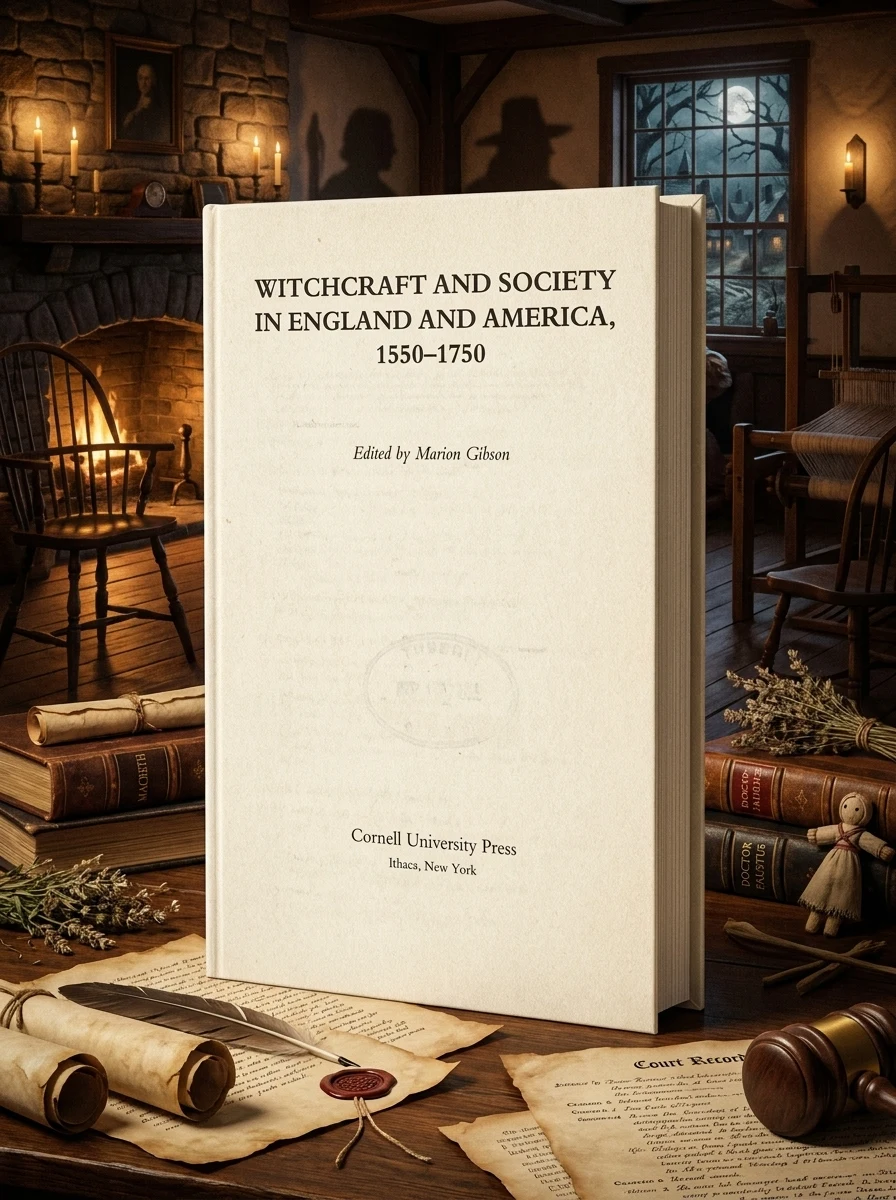
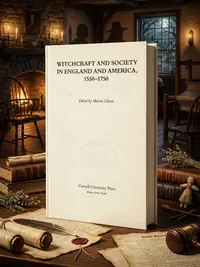
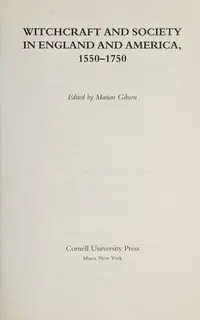
Witchcraft and Society in England and America, 1550-1750
Gibson, Marion 89
89
 Editorial score
How we rate
Editorial score
How we rate
Stock reported in the catalog; fulfillment is confirmed with your request.
Step into the shadowed archives where ink and fear intertwined across three centuries of Atlantic witchcraft.
Marion Gibson curates a vital anthology bridging the gap between literary myth and legal reality from 1550 to 1750. By weaving together famous dramatic excerpts with obscure court transcripts and private correspondence, this volume reveals the multifaceted voices of accusers, accused, and authorities on both sides of the ocean. Each piece is carefully annotated, offering historical context and biographical insight that transforms dry documents into vivid narratives of early modern anxiety, belief, and power dynamics.
This volume sits firmly within the historiography of early modern Atlantic witchcraft, bridging the gap between literary myth and legal reality across England and America from 1550 to 1750.


📝 Description: Witchcraft and Society in England and America, 1550-1750
💎 Expert review
📖 Why choose it
Why this book is worth reading
Readers fascinated by the intersection of law, literature, and social anxiety will find this anthology indispensable. Marion Gibson transforms obscure court transcripts and private correspondence into vivid narratives, allowing us to hear the multifaceted voices of accusers, accused, and authorities. It is perfect for those seeking to understand the power dynamics and deep-seated beliefs that defined three centuries of Atlantic witchcraft. By carefully annotating these documents, Gibson offers essential biographical insight and historical context, turning dry records into compelling stories of early modern fear. This book serves as a vital resource for anyone wishing to move beyond dramatic myths and grasp the complex reality of how society processed accusations of witchcraft during this turbulent period.
⭐ Reader reviews
Reader rating
Perfect companion for my morning study sessions. The print is clean and easy on the eyes for long sessions. The symbolism is layered and generous to patient readers.
This edition finally does the material justice. Every rereading turns up something I missed. The text itself is dense but rewarding — you get out what you put in. Well worth it.
Not my usual area but wanted to branch out. Some chapters demand a slow, careful read, and that's exactly the point. The symbolism is layered and generous to patient readers. Deserves a place on any esoteric bookshelf.
This exceeded my expectations. Solid binding, decent paper — holds up to heavy use. It rewards patience more than any book I've bought this year. Some archaic spellings slow things down.
My third book from this store and this one might be the best. It pairs well with more modern commentaries on the same tradition. It rewards patience more than any book I've bought this year. I'd have loved an index, but that's on the original text. Still worth having on the shelf.
My third book from this store and this one might be the best. Challenging in places, but never needlessly obscure. It's become a regular reference in my practice. The font runs small in the appendices. Still worth having on the shelf.
Gibson’s anthology succeeds brilliantly in humanizing historical figures through annotated documents, offering a nuanced view of early modern anxiety and power. However, readers seeking sweeping theoretical frameworks or dense philosophical treatises may find the focus on specific biographical details and legal narratives somewhat narrow. It is not suited for those who prefer broad generalizations over detailed archival evidence, nor for casual readers expecting a dramatic narrative arc rather than a curated collection of historical voices. The strength lies in its specificity, which might feel restrictive to those looking for overarching ideological analysis rather than the intricate, grounded reality of individual lives caught in the witchcraft trials.
❓ Frequently asked questions
📖 Who should read this
Scholars of early modern history, literature students analyzing the witch craze, and readers interested in the intersection of law, religion, and gender during the Reformation era will find this essential.
🎯 Key themes and symbolism
Literary vs. Legal Witchcraft
The text juxtaposes dramatic portrayals in plays and poems with the gritty reality of court records. It demonstrates how artistic imagination both reflected and shaped the legal persecution, showing that literature was not merely entertainment but a battleground for defining the nature of evil and magic.
Transatlantic Witch Persecution
Gibson connects English and American experiences, revealing shared cultural fears and distinct legal practices. The collection highlights how ideas about witches traveled across the Atlantic, influencing colonial trials just as they did domestic English proceedings, creating a unified yet complex narrative of persecution across the early modern world.
Voices of the Accused
Beyond the powerful, the book amplifies the marginalized. It includes private papers and obscure fiction that give voice to those often silenced by history. These selections allow readers to glimpse the personal terror, resilience, and spiritual claims of individuals caught in the machinery of witch-hunting institutions.
💬 Quotes from the book
“The boundary between the supernatural and the natural was not a line but a fog.”
“Ink froze the blood as effectively as the gallows.”
📜 Historical context
📚 Glossary
- Witchfinder
- Historiography
- Atlantic World
📔 Questions to reflect on
- How does the separation of 'literary' witchcraft from 'legal' witchcraft change your understanding of the panic?
- What role does fear play in the way authorities documented the lives of the accused?
- How might the transatlantic exchange of ideas have intensified or mitigated local witch-hunting practices?
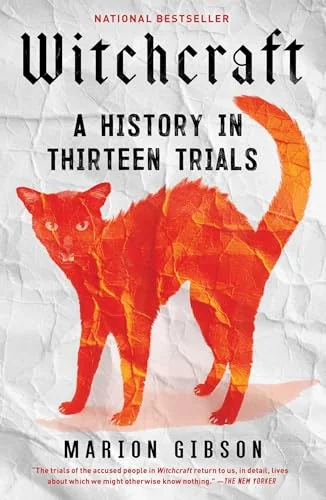
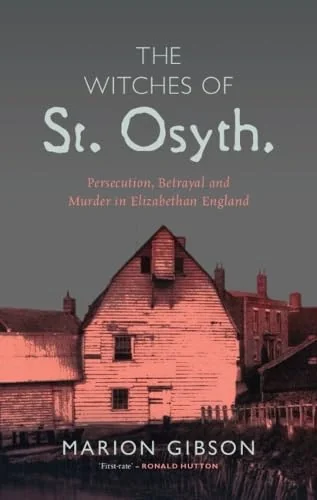
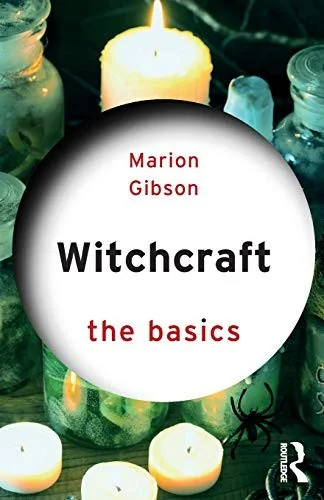
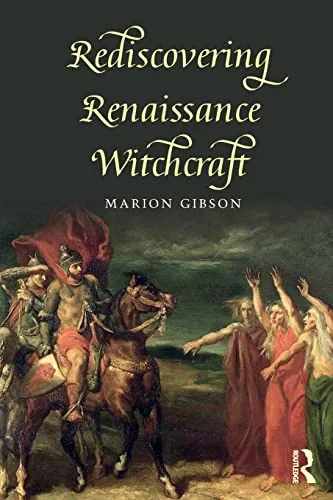
✍️ More books by this author Gibson, Marion
All books by this author →
 89
89
 89
89

🏛 Books from this publisher Cornell University Press
All books from this publisher → 90
90
 84
84
 75
75

You might also like
See more →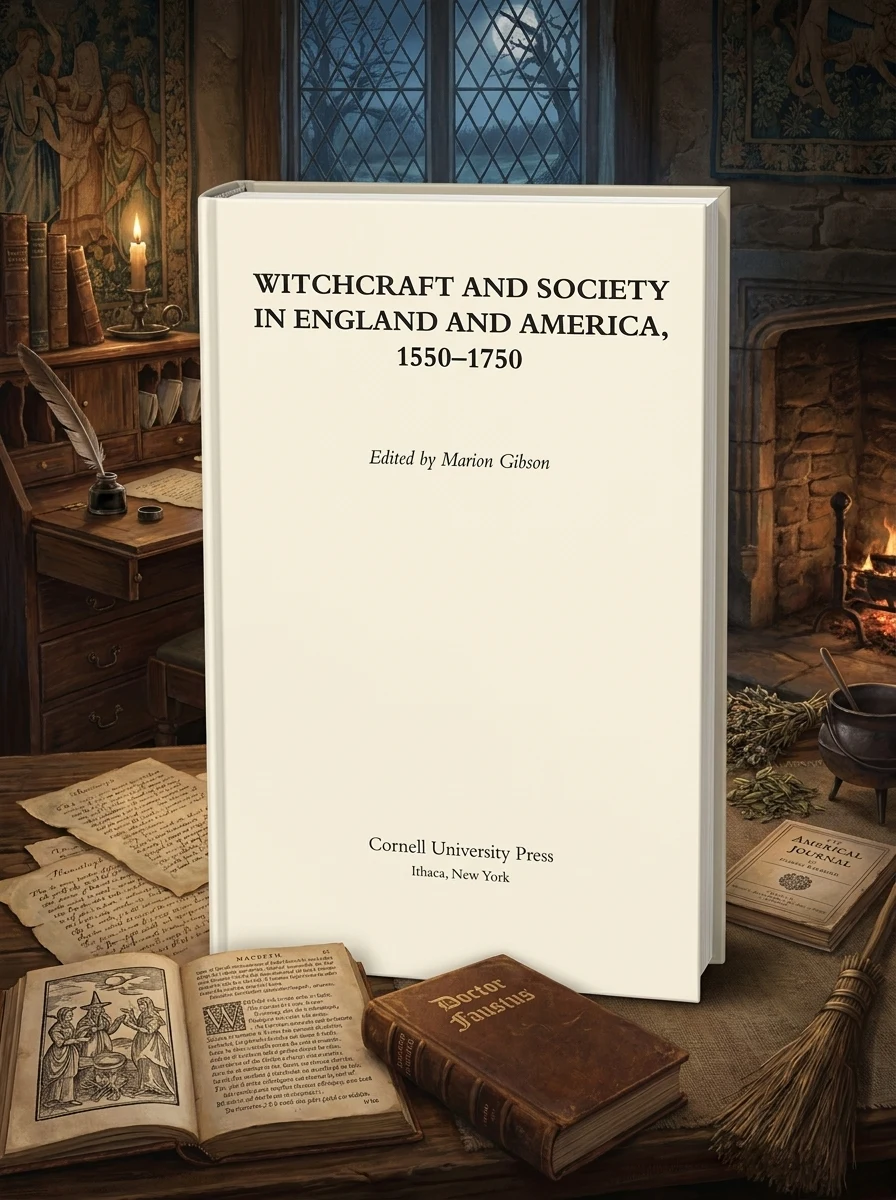
 90
90
 89
89
 88
88
 84
84