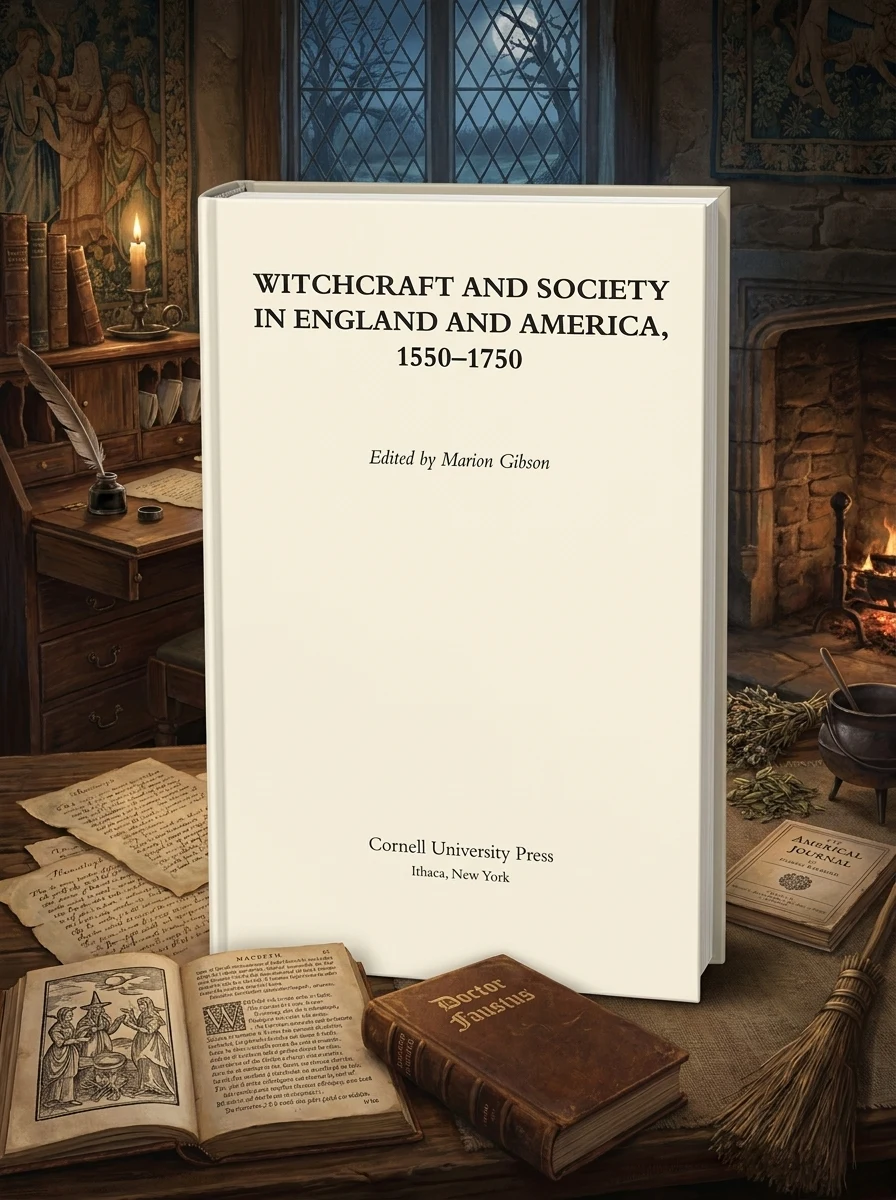
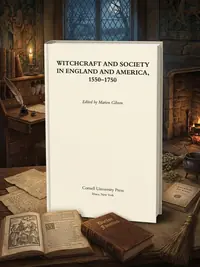
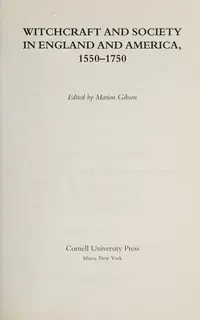
Witchcraft and Society in England and America, 1550Ð1750
Gibson, MarionStock reported in the catalog; fulfillment is confirmed with your request.
Unearth the authentic voices of witchcraft's tumultuous era across two continents.
Marion Gibson's compelling anthology offers an unparalleled window into how magic and its practitioners were perceived and documented in print and manuscript from 1550 to 1750. Far beyond familiar literary works, this volume integrates obscure private papers, court testimonies, and lesser-known fiction, presenting a holistic perspective. With meticulous new annotations, each selection unveils the societal landscape of the time, allowing diverse voices—from alleged witches and accusers to ministers and magistrates—to resonate across centuries in both England and colonial America.
This anthology situates itself within the historical discourse on early modern European and colonial American witchcraft, bridging literary analysis with social history.


📝 Description: Witchcraft and Society in England and America, 1550Ð1750
💎 Expert review
📖 Why choose it
Why this book is worth reading
Scholars and enthusiasts of early modern history will find immense value in this volume, which moves beyond the well-trodden path of famous literary depictions to uncover the raw, unfiltered reality of the era. By integrating obscure private papers, court testimonies, and lesser-known fiction from both England and colonial America, Marion Gibson provides a holistic perspective that allows diverse voices—ranging from alleged witches to magistrates—to resonate across time. The meticulous annotations ensure that these historical artifacts remain accessible and insightful for modern readers seeking to understand the societal landscape of magic and its practitioners during this tumultuous period.
⭐ Reader reviews
Reader rating
Gibson’s work is a vital resource for those interested in the intersection of print culture, law, and belief in the 1550-1750 window. However, it is not suited for casual readers seeking a narrative-driven story or simplified explanations of magical practices. The text demands patience due to its reliance on primary sources and dense historical context. Readers looking for straightforward entertainment may find the academic rigor dry, while those expecting a singular theoretical framework might be disappointed by the anthology’s diverse, multi-voiced approach. It is best appreciated by those willing to engage deeply with archival material.
❓ Frequently asked questions
📖 Who should read this
If you're fascinated by the cultural history of witchcraft, the complexities of early modern society, or the interplay between law, literature, and belief, this comprehensive sourcebook is an indispensable resource. It's ideal for students, researchers, and anyone seeking a deeper, nuanced understanding.
🎯 Key themes and symbolism
Diverse Perspectives on Witchcraft
This collection uniquely compiles an extensive range of viewpoints, moving beyond just the accusers or the accused. Readers encounter the words of poets, dramatists, legal figures, medical professionals, and even the accused themselves, illustrating the multifaceted societal engagement with witchcraft beliefs and practices throughout the period.
Transatlantic Cultural Exchange
The book highlights the interconnectedness of witchcraft beliefs and legal responses between England and its American colonies. By presenting materials from both sides of the Atlantic, it allows for a comparative understanding of how these phenomena manifested, evolved, and were perceived within different but related cultural contexts.
The Power of Representation
Examining how witches and magic were portrayed in literature, legal documents, and personal writings, this volume underscores the profound impact of narrative and documentation. It reveals not only the historical events but also the evolving cultural imagination and the mechanisms through which these powerful images were constructed and disseminated.
💬 Quotes from the book
““Through these documents, we glimpse not just the fear of sorcery, but the intricate social web of belief, accusation, and defense that characterized the early modern mind.””
““From the grand pronouncements of Parliament to the whispered fears in a villager's diary, each text illuminates a facet of a pervasive cultural obsession.””
📜 Historical context
📚 Glossary
- Witchfinder
- Historiography
- Annotation
📔 Questions to reflect on
- How did the portrayal of witches in literature (e.g., Macbeth) both reflect and influence public perception and actual accusations of witchcraft?
- Compare and contrast the types of evidence or accusations found in the English documents versus those from colonial America. What similarities or differences emerge?
- Considering the varied voices presented, whose perspective do you find most compelling, and why? How does hearing these multiple viewpoints change your understanding of the period?
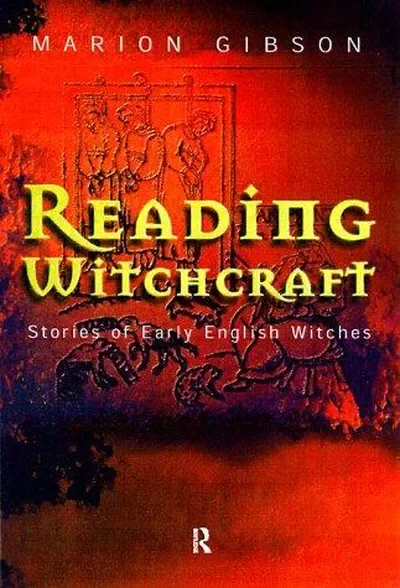
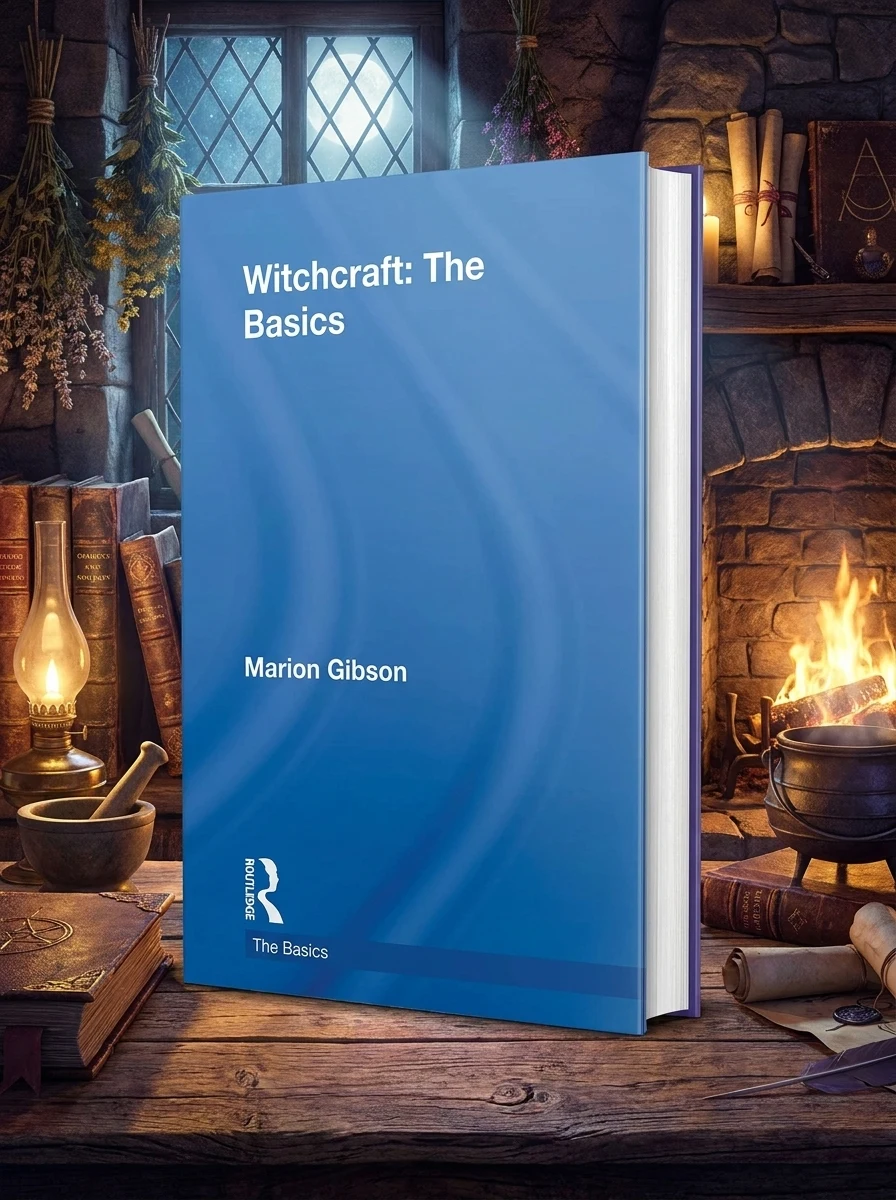
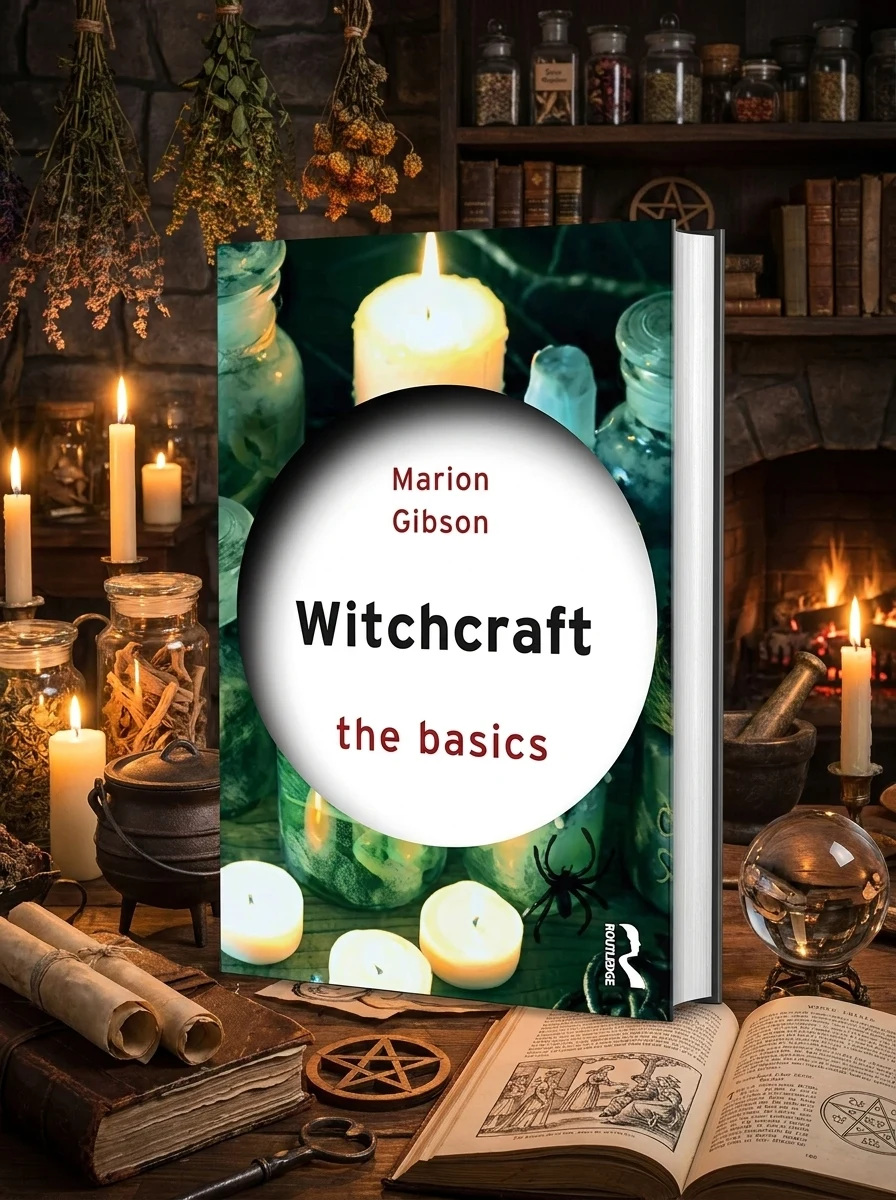
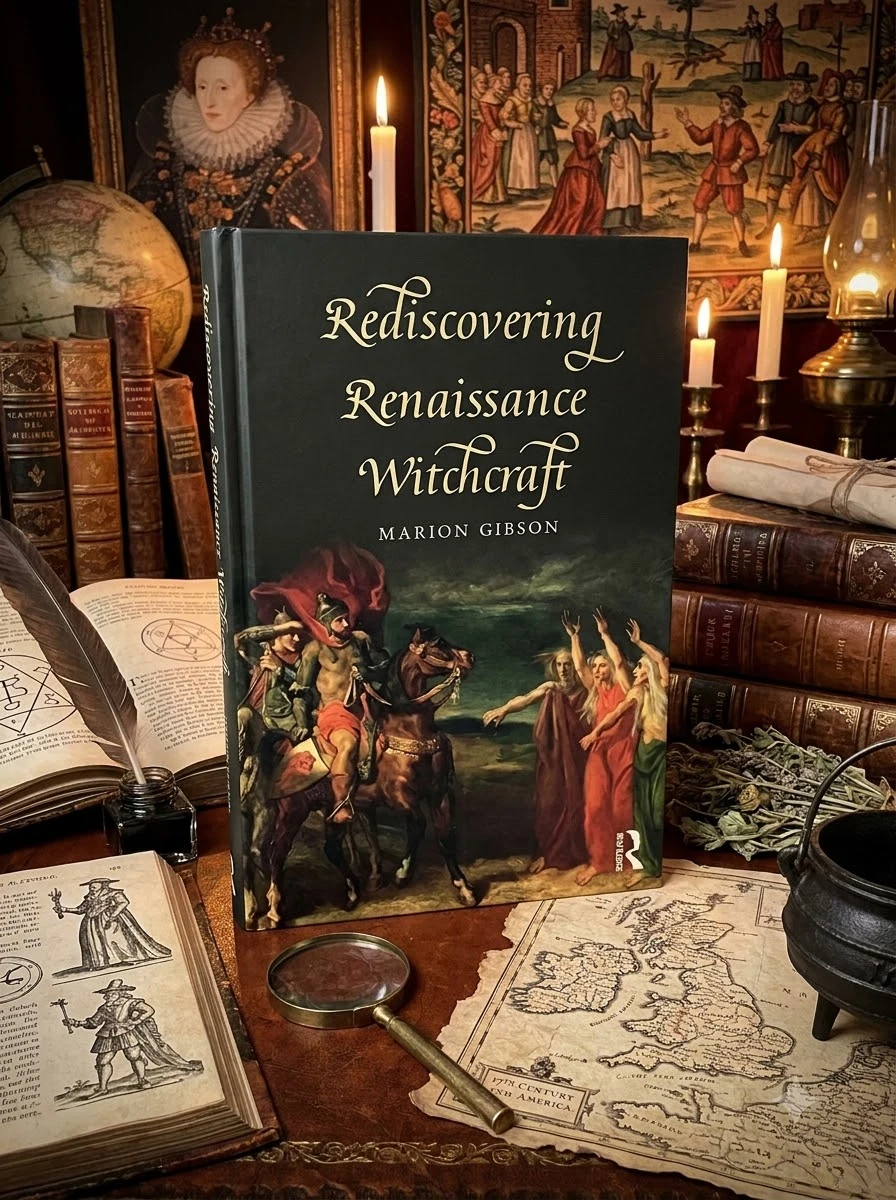
✍️ More books by this author Gibson, Marion
All books by this author →
 89
89
 89
89

🏛 Books from this publisher Cornell University Press
All books from this publisher → 90
90
 84
84
 75
75
You might also like
See more →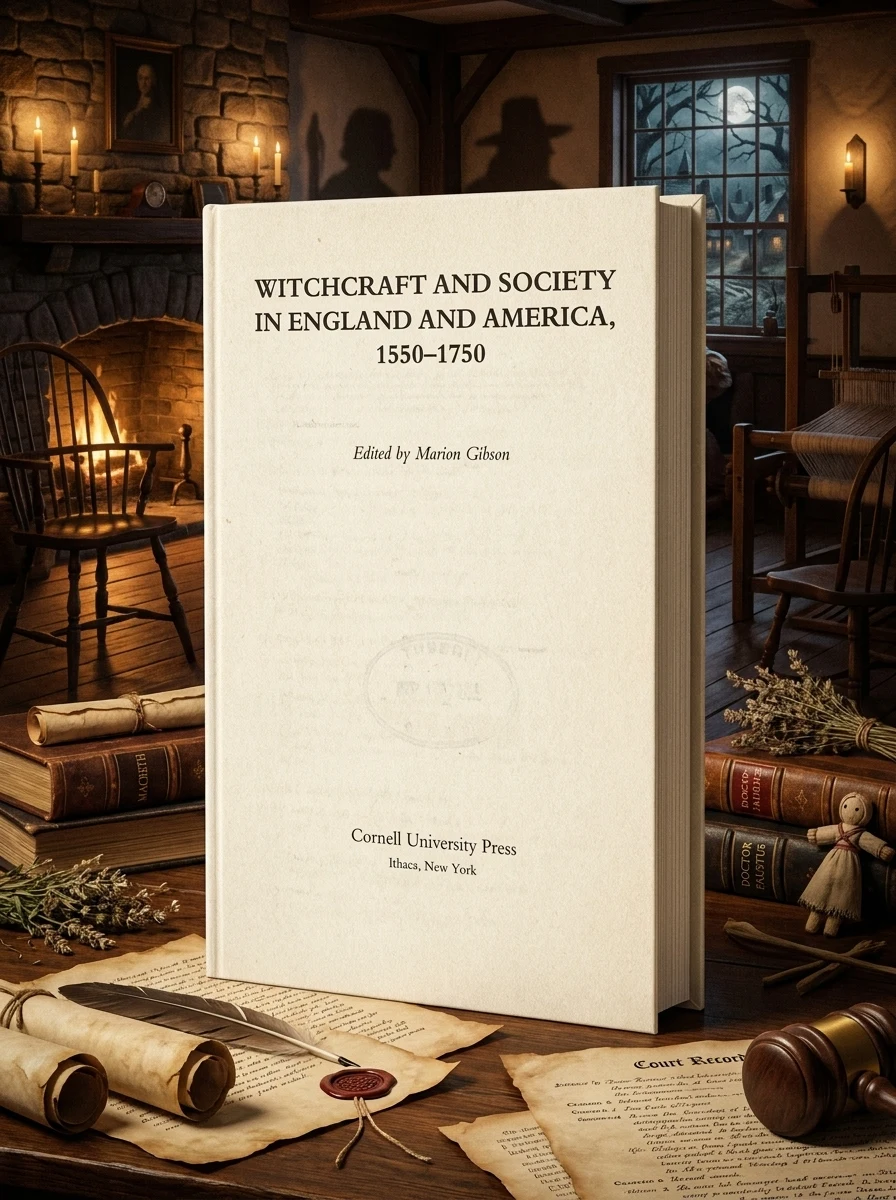
 90
90
 89
89
 88
88
 84
84