The Occult in Russian and Soviet Culture: From Tongan Villages to American Suburbs
 75
75
 Editorial score
How we rate
Editorial score
How we rate
Stock reported in the catalog; fulfillment is confirmed with your request.
Discover the hidden currents of Russian spirituality from tsarist villages to modern suburbs.
This groundbreaking volume maps the elusive landscape of Russian esotericism, bridging the gap between pre-revolutionary mysticism and the chaotic spiritual revival following the USSR’s collapse. Rosenthal and her contributors dissect how occult cosmologies diverged from orthodox theology, exploring diverse movements like Theosophy, Anthroposophy, and even Satanic fascinations. The text traces these hidden influences through the Stalinist era, revealing surprising underground networks, and culminates in a detailed survey of contemporary practices. It serves as both a historical record and a critical analysis of how forbidden knowledge shaped Russian intellectual life across the twentieth century.
This volume serves as a critical historical record within the field of esoteric studies, documenting how forbidden knowledge shaped Russian intellectual life across the twentieth century. It bridges pre-revolutionary mysticism with the chaotic spiritual revival following the collapse of the USSR.


📝 Description: The Occult in Russian and Soviet Culture: From Tongan Villages to American Suburbs
💎 Expert review
📖 Why choose it
Why this book is worth reading
This book is essential for scholars and enthusiasts seeking to understand the elusive landscape of Russian esotericism. It offers a groundbreaking map of hidden currents, from tsarist villages to American suburbs, revealing how occult cosmologies diverged from orthodox theology. Readers interested in Theosophy, Anthroposophy, or underground networks during the Stalinist era will find this survey invaluable. It provides not just a historical record but a critical analysis of how these practices influenced modern spirituality and intellectual life.
⭐ Reader reviews
Reader rating
I collect works on this subject and this is a worthy addition. The print is clean and easy on the eyes for long sessions. The ideas are old but land with surprising force today. It assumes more background than a beginner might have. Recommended with reservations.
Ordered this after seeing it referenced in another book I was studying. I appreciated how the argument builds steadily from first principles. Definitely recommend.
Long-time student of the esoteric here. I found myself reading passages aloud just to sit with them. The material is presented clearly and the structure makes it easy to revisit key passages. If you're drawn to this subject, don't hesitate.
First purchase from this shop. Challenging in places, but never needlessly obscure. Will be gifting a copy to a friend.
My book club chose this last month. The print is clean and easy on the eyes for long sessions. Definitely recommend.
A friend in my study group recommended this one. The symbolism is layered and generous to patient readers. The material is presented clearly and the structure makes it easy to revisit key passages. Well worth it.
As someone who reads a lot in this field, I can be picky. You can tell why this work has endured. It assumes more background than a beginner might have. Happy enough with the purchase.
Rosenthal’s work is a rigorous academic achievement that meticulously traces occult influences through Soviet history. However, it is strictly for those with a serious interest in Russian cultural history or comparative religion. It does not suit casual readers seeking practical magical instruction or light entertainment. The dense analysis of underground networks and theological divergences requires patience and scholarly dedication. Those expecting simple narratives or actionable ceremonial magic advice will likely find the text too abstract and historically focused for their tastes.
❓ Frequently asked questions
📖 Who should read this
Readers fascinated by the intersection of politics and spirituality, historians of Soviet culture, and those curious about how suppressed beliefs resurface in times of political upheaval and societal transformation.
🎯 Key themes and symbolism
Cosmology vs Theology
The text carefully distinguishes occult worldviews from traditional religious dogma. It analyzes how Russian thinkers constructed alternative spiritual frameworks that emphasized direct experience and hidden knowledge, setting them apart from institutional church teachings and formal mysticism.
Stalin Era Traces
Contrary to the belief that the occult vanished under Soviet rule, this section uncovers its persistent, albeit covert, presence. It examines how esoteric ideas survived in the margins of high Stalinist culture, influencing art, literature, and underground intellectual circles despite state suppression.
Post-Soviet Revival
The volume documents the explosive return of spiritual searching after 1991. It links historical precedents to modern phenomena, showing how the collapse of state ideology unleashed a flood of interest in everything from ancient Kabbalah to American-style suburban spirituality.
💬 Quotes from the book
“The cultural ferment unleashed by the collapse of the Soviet Union reawakened interest in the study of Russian religion and spirituality.”
“Delineates the characteristics of occult cosmology which distinguish it from mysticism and theology.”
📜 Historical context
📚 Glossary
- Theosophy
- Anthroposophy
- Esotericism
📔 Questions to reflect on
- How do political collapses create space for the resurgence of hidden knowledge systems?
- In what ways can esoteric ideas influence mainstream culture even under strict censorship?
- How does your own spiritual seeking reflect broader societal shifts in your region?
🏛 Books from this publisher Cornell University Press
All books from this publisher → 90
90
 84
84
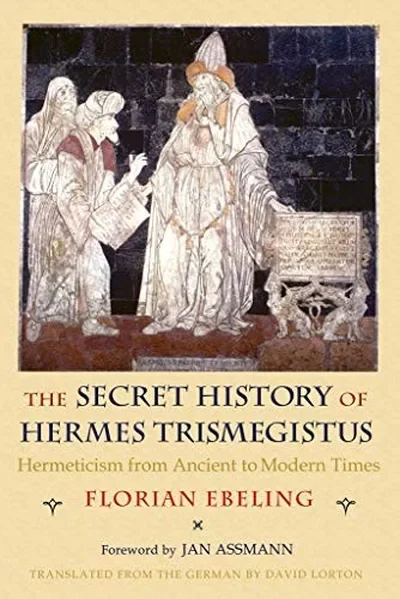
 75
75
You might also like
See more →
 91
91
 91
91