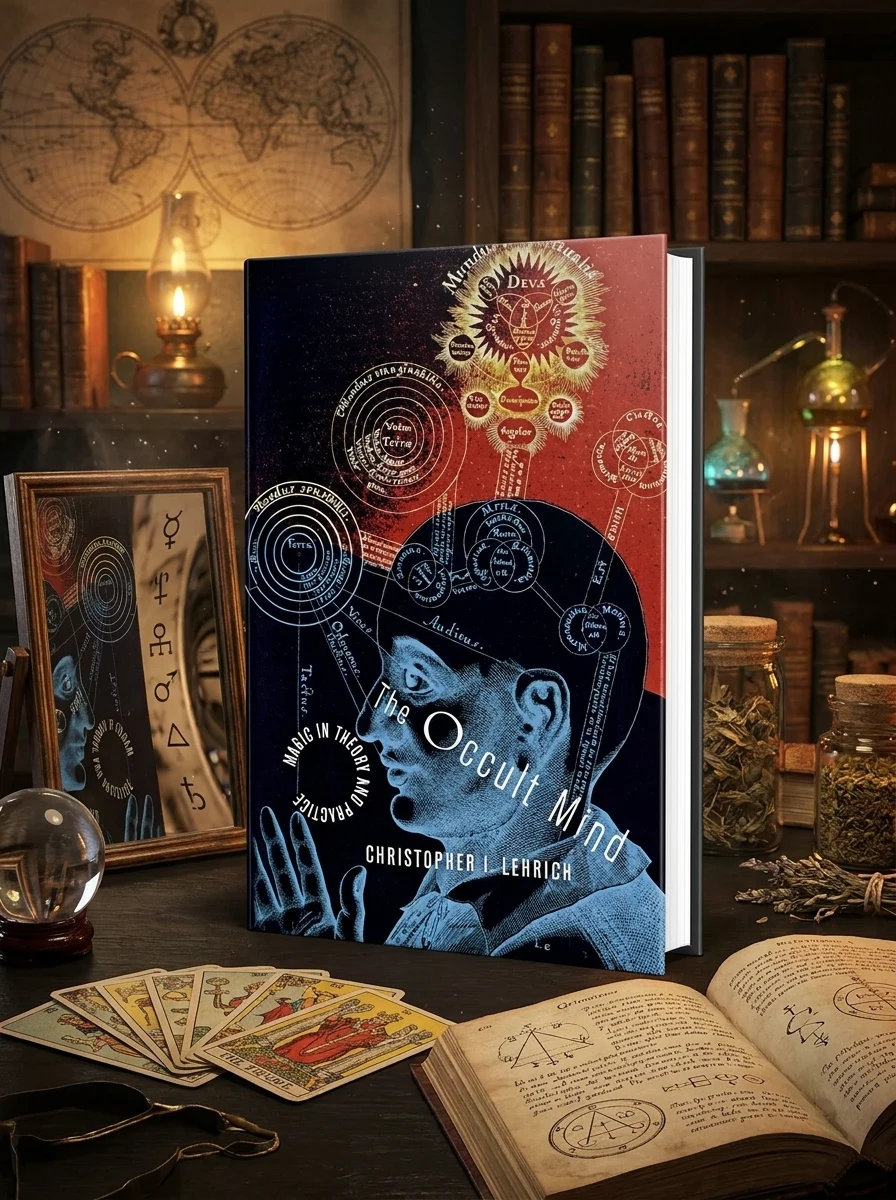
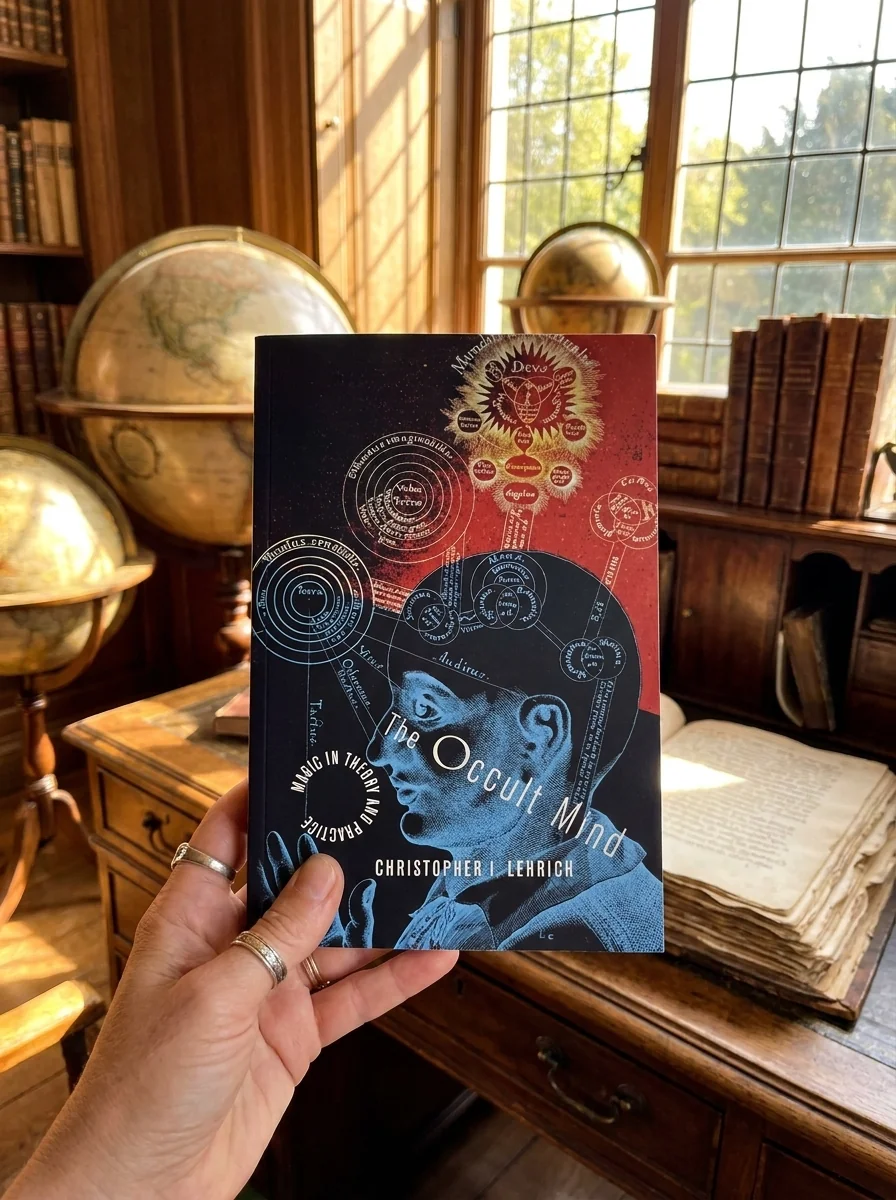
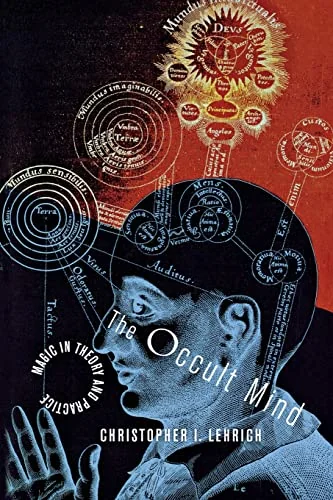
The Occult Mind: Magic in Theory and Practice
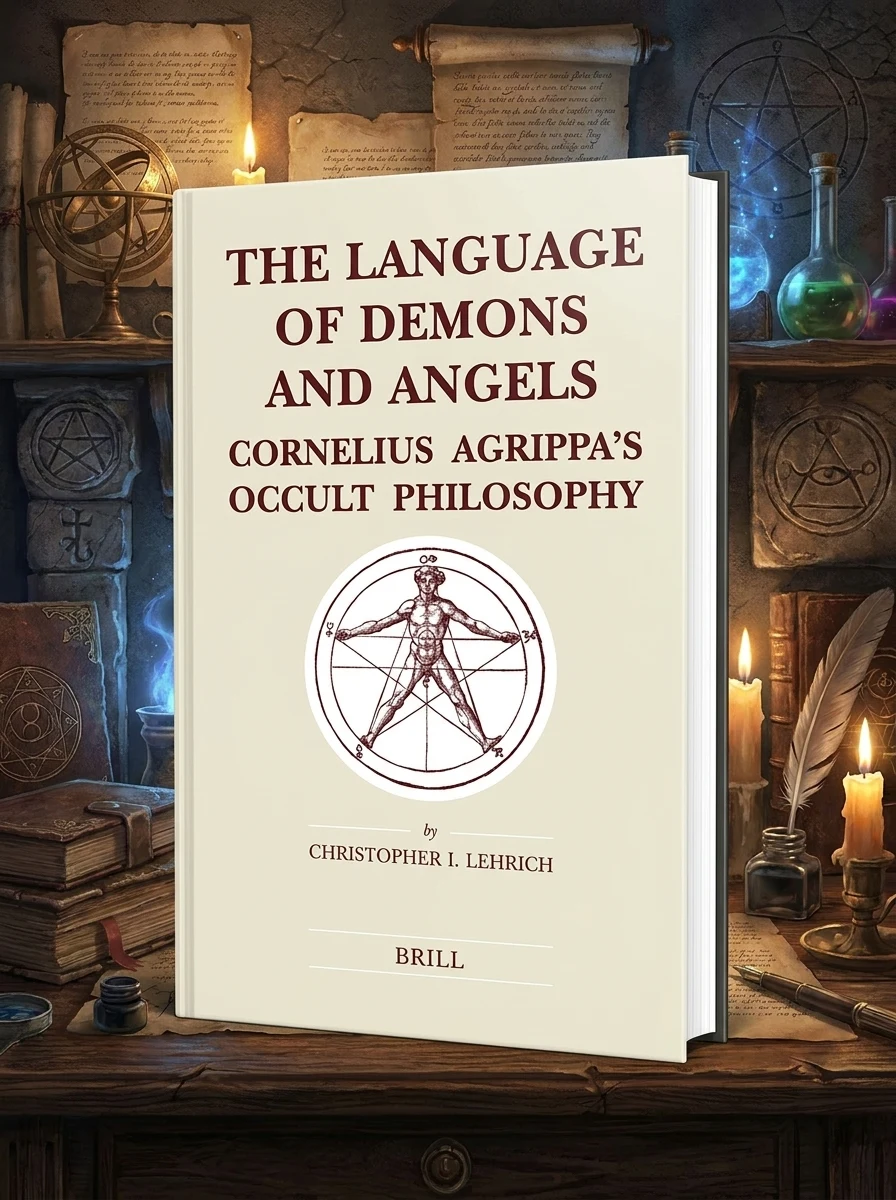
✍️ Lehrich, Christopher IChristopher I. Lehrich's "The Occult Mind" daringly recasts magic not as mere superstition, but as a sophisticated theoretical framework deeply intertwined with Western intellectual history. This insightful volume delves into magic's critical function, treating the universe itself as a text awaiting interpretation. Through a series of interconnected essays, Lehrich examines diverse topics like ley lines, the Tarot, and the Corpus Hermeticum, demonstrating how magical practices share profound methodological similarities with modern interpretive systems such as semiotics and deconstruction. Prepare to see magical thought through a new, intellectually rigorous lens.


📝 Description: The Occult Mind: Magic in Theory and Practice
💎 Expert review
📖 Why choose it
Why this book is worth reading
Readers deeply interested in the intersection of esoteric traditions and rigorous academic theory will find this volume particularly rewarding. It offers a refreshing perspective for those who view magic not as primitive superstition, but as a complex system of meaning-making akin to modern semiotics and deconstruction. Scholars and students of Western philosophy will appreciate how Lehrich connects diverse topics like the Tarot and ley lines to broader intellectual currents. If you seek to understand the methodological similarities between ancient magical practices and contemporary interpretive systems, this book provides an intellectually stimulating lens through which to view these often-misunderstood traditions.
⭐ Reader reviews
Reader rating
Lehrich presents a daring recasting of magic as a sophisticated theoretical framework intertwined with Western intellectual history. By treating the universe as a text awaiting interpretation, he draws compelling parallels between magical practices and modern systems like deconstruction. However, this academic approach may alienate readers seeking practical spell-casting instructions or traditional occult lore. Those looking for straightforward historical narratives might find the dense philosophical arguments and essayistic structure demanding. It is best suited for those comfortable with high-level theoretical discourse who wish to explore the profound methodological similarities between ancient esotericism and contemporary critical theory.
❓ Frequently asked questions
📖 Who should read this
If you're drawn to the intellectual history of esotericism, seek the philosophical underpinnings of magic, or wish to understand the links between ancient occult practices and contemporary critical theory, this book offers profound insights.
🎯 Key themes and symbolism
Magic as Intellectual Framework
Lehrich fundamentally redefines magic, moving beyond its common perception as a collection of rituals or beliefs. He posits it as a rigorous theoretical discipline, a system of thought that engages with and interprets the cosmos, offering a sophisticated lens through which to understand reality and human interaction with the unseen.
Signs, Systems, and Meaning
The book draws compelling parallels between magical practices like divination and modern critical theories, such as semiotics and deconstruction. It argues that magic, at its core, is a profound act of reading and interpreting signs—whether in the stars, cards, or sacred texts—to discern hidden meanings and influence the world.
Western Occult Thought History
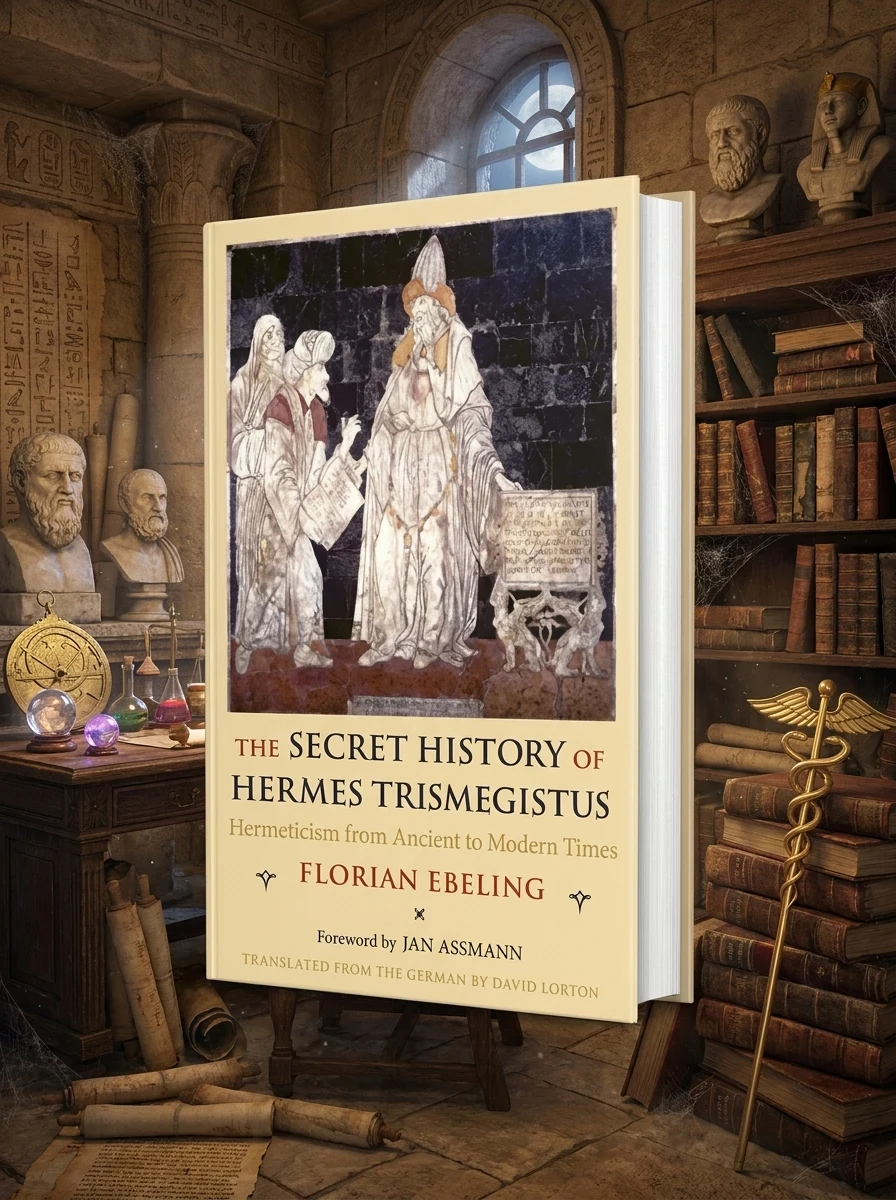
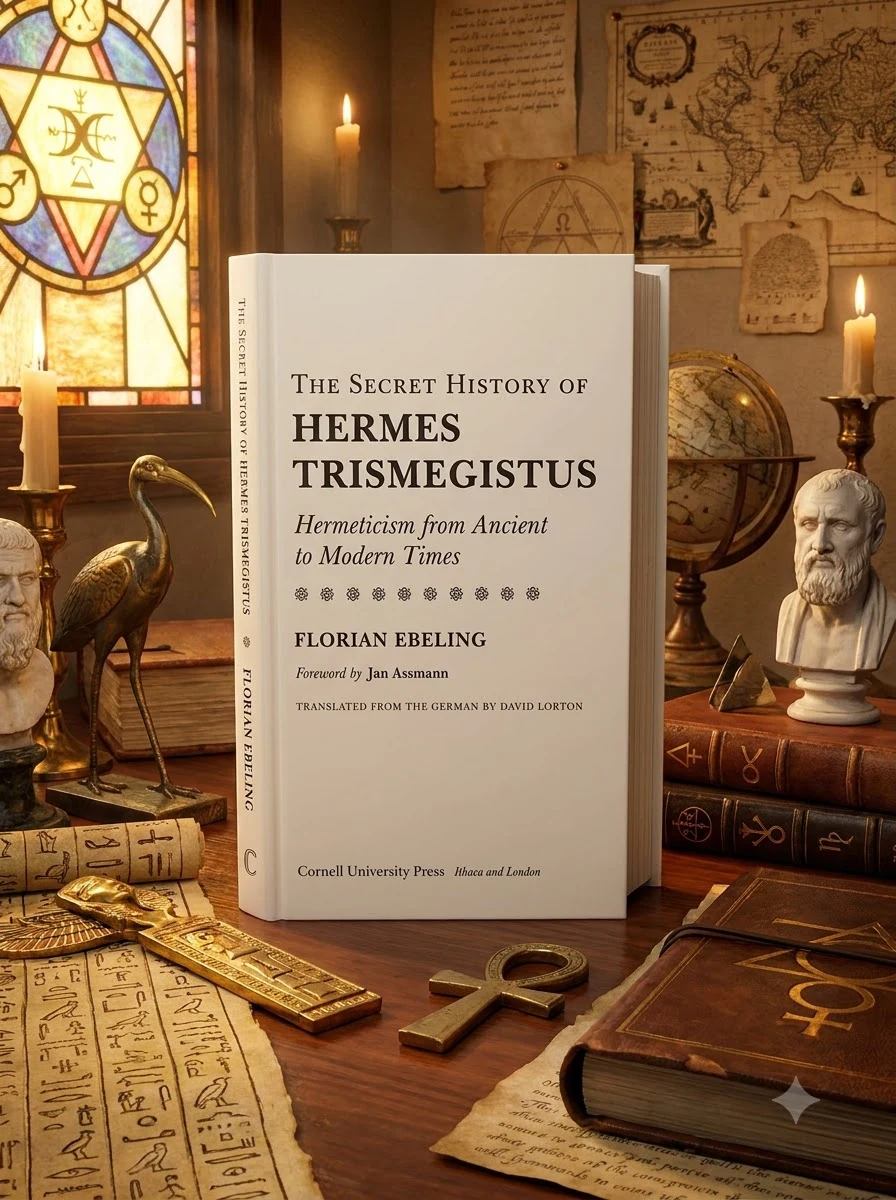
Lehrich meticulously traces the evolution of magical thought within the Western intellectual tradition. By examining foundational texts like the Corpus Hermeticum and exploring ancient practices from hieroglyphic decipherment to ritual writing, the work illustrates how magic has continuously shaped and reflected philosophical inquiry across centuries.
📜 Historical context
📚 Glossary
- Semiotics
- Corpus Hermeticum
- Historiography
📔 Questions to reflect on
- How does viewing magic as a "theory" rather than a practice shift your understanding of its historical and philosophical significance?
- Consider a contemporary interpretive system (e.g., social media algorithms, literary analysis). In what ways might it echo ancient magical practices of "reading" signs?
- If the universe is a "text," what are some of its "signs" you encounter daily, and how might you approach their interpretation through a more magical lens?