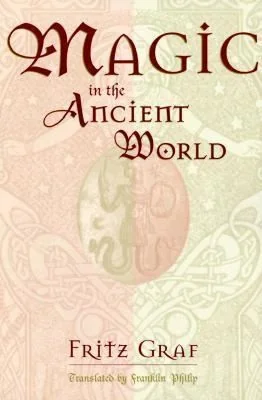
Magic in the Ancient World Graf, Fritz
Fritz Graf's illuminating study reveals how deeply integrated magical practices were within ancient Greek and Roman societies, stretching from the 6th century BCE into late antiquity. Far from mere superstition, magic offered a direct conduit for individuals to influence their world, seeking both material advantage and spiritual connection. Graf meticulously surveys the diverse forms of magic, from potent curse tablets and love spells to necromancy, alongside the underlying theories and rituals. He also profiles the figures who wielded this power, detailing their training, social standing, and perceived divine links.


📝 Description: Magic in the Ancient World Graf, Fritz
💎 Expert review
📖 Why choose it
Why this book is worth reading
Scholars and serious practitioners of ceremonial magic will find this text indispensable for understanding the historical roots of their craft. Readers seeking to move beyond superficial superstition toward a nuanced appreciation of how ancients viewed spiritual agency will gain profound insights. It is ideal for those interested in the social standing of magicians, the mechanics of curse tablets, or the lived experience of magic from the sixth century BCE through late antiquity. By revealing magic as a legitimate conduit for influence rather than mere folk belief, this book empowers modern readers to contextualize contemporary esoteric traditions within their authentic, deep historical framework, offering both intellectual rigor and practical historical perspective.
⭐ Reader reviews
Reader rating
Graf provides a meticulous survey of ancient magical practices, yet this academic tone may alienate casual readers seeking practical spellbooks or mystical inspiration. It is not suited for those expecting easy-to-follow rituals or romanticized narratives; instead, it demands patience with sociological analysis. While the profiling of magicians' social standing is fascinating, the focus on historical integration rather than occult technique might disappoint modern practitioners looking for 'how-to' guidance. However, for historians and serious students of esotericism, it offers an unparalleled, evidence-based look at how magic functioned as a daily tool for material advantage and spiritual connection in the classical world.
❓ Frequently asked questions
📖 Who should read this
If you're fascinated by the hidden dimensions of classical civilization, curious about the practical applications of ancient belief systems, or seek to understand the intersection of history, religion, and the occult, this book offers an indispensable journey into the heart of ancient magic.
🎯 Key themes and symbolism
Magic's Pervasive Role
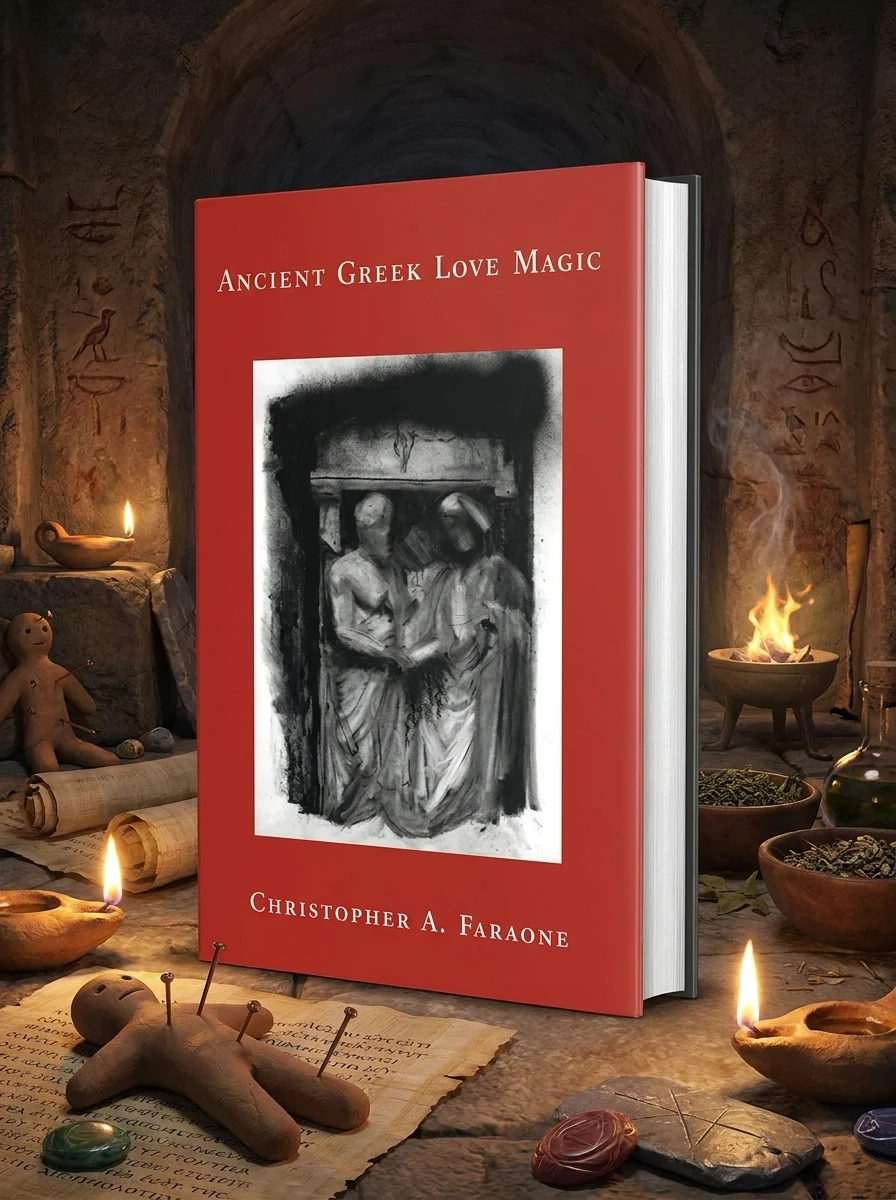
This work vividly demonstrates that magic wasn't a fringe practice but an intrinsic part of daily life across all societal strata. From legal prohibitions against crop transfers to physical evidence like curse tablets and 'voodoo' dolls, Graf illustrates magic's profound and widespread influence on personal aspirations and communal anxieties in antiquity.
Ritual & Underlying Theory
Graf delves beyond mere description of magical acts, meticulously detailing the specific rituals and the philosophical or theological frameworks that justified them. Readers gain insight into the structured approaches and intellectual underpinnings behind ancient magical practices, understanding not just what was done, but why it was believed to work.
The Ancient Magician
The book offers a compelling portrait of the individuals who practiced magic in Greco-Roman times. It explores their societal position, the often-rigorous training they underwent, and the cultural assumptions about their unique connection to divine or supernatural forces, thereby humanizing these enigmatic figures.
📜 Historical context
📚 Glossary
- Necromancy
- Curse Tablets
- Late Antiquity
📔 Questions to reflect on
- How might the widespread belief in magic have shaped the daily ethical decisions and anxieties of an average Greek or Roman citizen?
- Consider the role of "magic" in our contemporary society. Are there modern practices or beliefs that serve a similar psychological or practical function as ancient spells?
- Graf distinguishes between magic and religion. How do you perceive the boundary between the two, and how might ancient cultures have understood it differently?