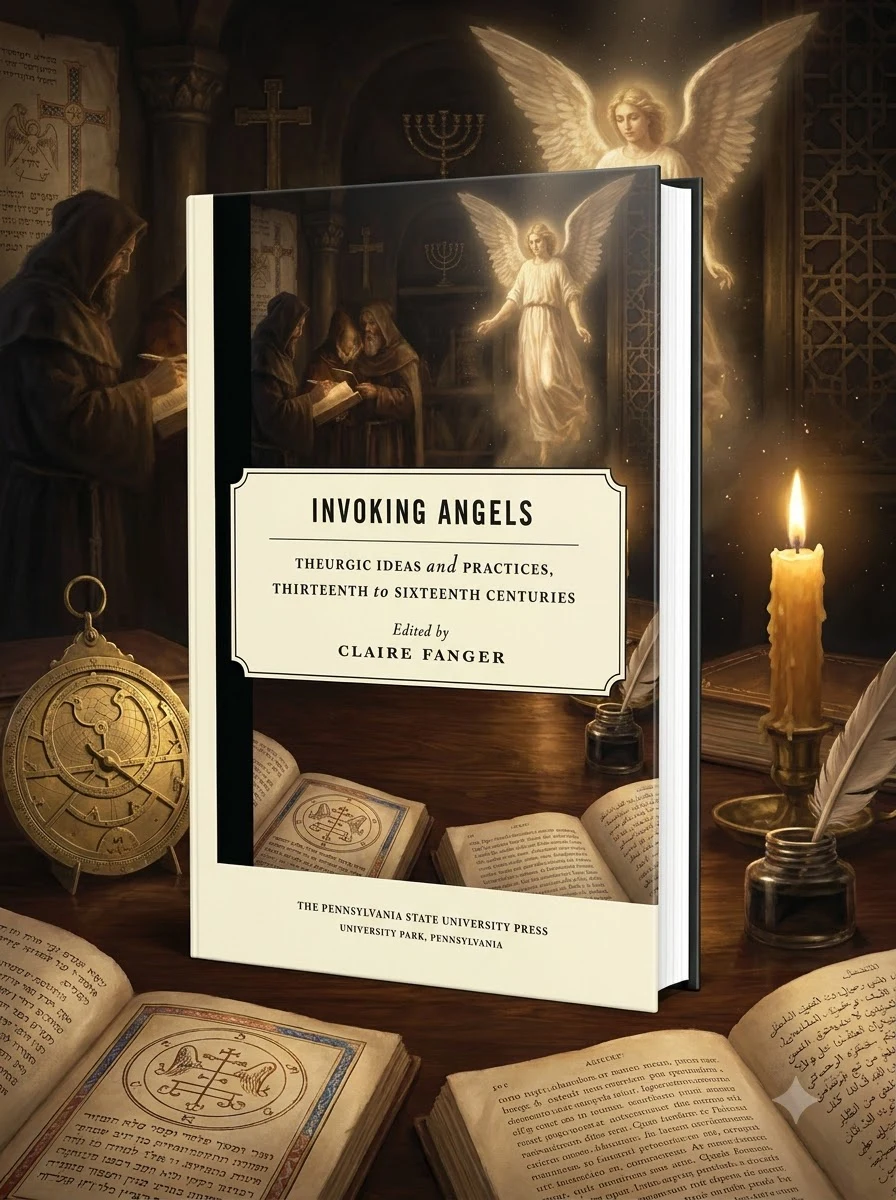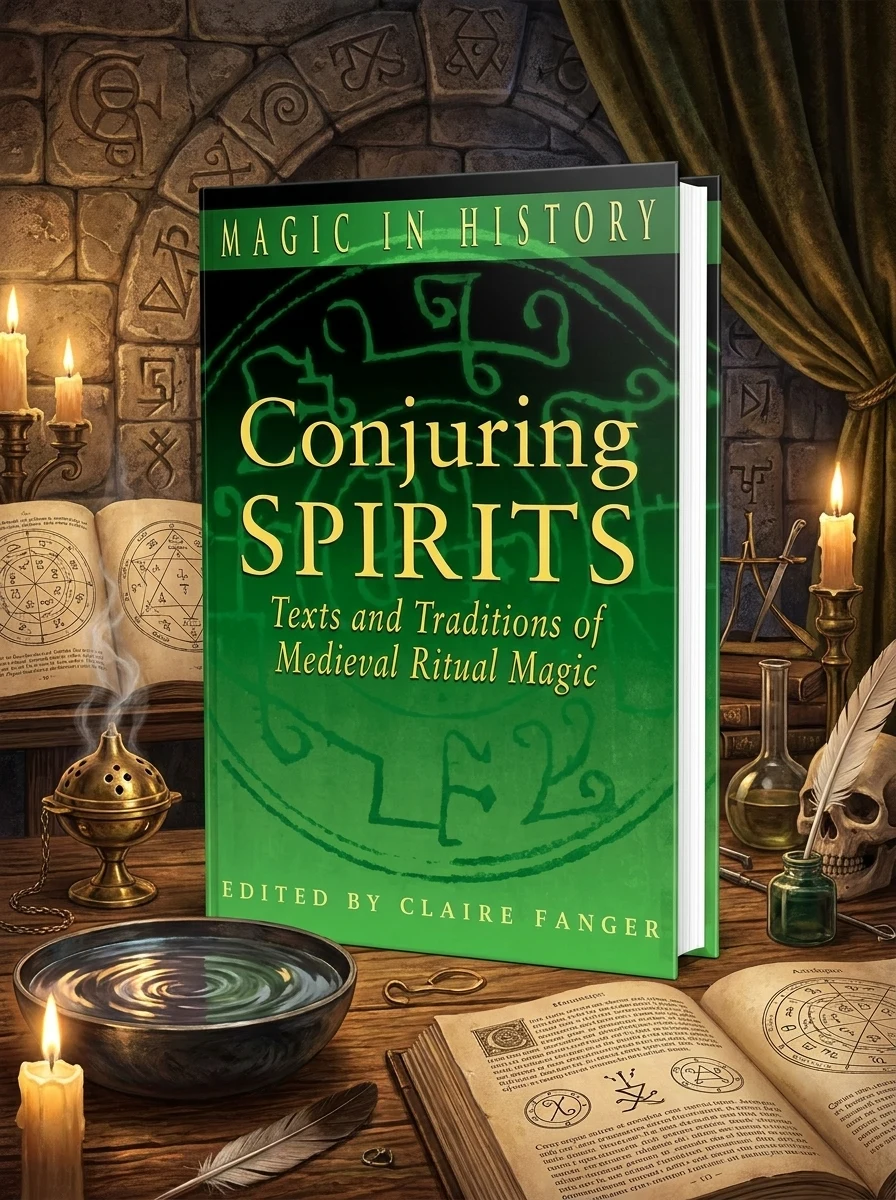

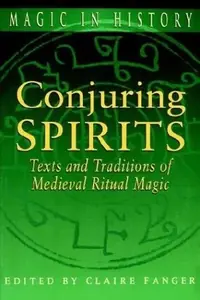
Conjuring Spirits: Texts and Traditions of Medieval Ritual Magic Fanger, Claire
Fanger, Claire

Stock reported in the catalog; fulfillment is confirmed with your request.
Unveil the hidden rituals of medieval magicians through rare manuscripts and scholarly analysis.
This volume offers a comprehensive exploration of late medieval ritual magic, blending broad surveys with deep textual analyses. Contributors examine pivotal works such as the Sworn Book of Honorius and the Ars Notoria, alongside lesser-known texts like the Liber de Angelis. By dissecting manuscripts from England to continental Europe, the book reveals how scholars and practitioners navigated the boundaries between prayer, divination, and spellcraft. It serves as an essential archive for understanding the complex intellectual landscape of medieval occultism.
This work sits firmly within the intellectual history of late medieval ritual magic, exploring the complex interplay between scholarly theology and practical spellcraft in Europe. It illuminates how practitioners navigated the blurred boundaries between orthodox prayer and esoteric divination during this period.


📝 Description: Conjuring Spirits: Texts and Traditions of Medieval Ritual Magic Fanger, Claire
💎 Expert review
📖 Why choose it
Why this book is worth reading
This volume is an essential archive for scholars and serious enthusiasts seeking to understand the intricate intellectual landscape of medieval occultism. Readers who appreciate deep textual analysis will find great value in how contributors dissect pivotal works like the Liber de Angelis alongside well-known texts such as the Ars Notoria. It bridges the gap between broad historical surveys and specific manuscript studies, offering a nuanced view of how medieval magicians operated across England and continental Europe. By revealing the precise methods used to navigate the boundaries between prayer and spellcraft, this book provides unparalleled insight into the lived reality of ritual magic. It is ideal for those who wish to move beyond superficial myths and engage with the primary sources that defined the era's esoteric practices.
⭐ Reader reviews
Reader rating
Added this to my reference shelf. The symbolism is layered and generous to patient readers. Not a light read, but far more accessible than I feared. Five stars from me.
Grabbed this during a weekend order. It's become a regular reference in my practice. The print is clean and easy on the eyes for long sessions. Deserves a place on any esoteric bookshelf.
Long-time student of the esoteric here. It pairs well with more modern commentaries on the same tradition. Definitely recommend.
Took a chance on this and glad I did. Challenging in places, but never needlessly obscure. I found myself reading passages aloud just to sit with them. Will be gifting a copy to a friend.
Candidly, this book is not for casual readers seeking entertaining ghost stories or simple spell instructions. It is a dense scholarly volume requiring patience and interest in historical linguistics and manuscript studies. Those looking for practical instruction on performing rituals will likely find it dry and inaccessible. However, for academics or dedicated historians of religion, it is a masterpiece of archival recovery. The contributors successfully map the terrain between divine invocation and demonic conjuring without oversimplifying the theological tensions. It demands focus but rewards it with a comprehensive understanding of how medieval intellectuals justified their magical pursuits within a religious framework.
❓ Frequently asked questions
📖 Who should read this
Academic researchers, history enthusiasts, and serious practitioners of Western esotericism seeking primary source context and rigorous scholarly interpretation of medieval magical practices.
🎯 Key themes and symbolism
Medieval Ritual Magic
Manuscript Studies
Occult History
💬 Quotes from the book
“The manuscript traditions reveal a sophisticated interplay between liturgical structure and magical intent.”
“These texts were not merely superstitions but serious intellectual endeavors of their time.”
📜 Historical context
📚 Glossary
- Sworn Book of Honorius
- Ars Notoria
- Lullian Divination
📔 Questions to reflect on
- How did the integration of Christian liturgy influence the perceived efficacy of medieval magical rituals?
- In what ways do the cited manuscripts reflect the tension between theological orthodoxy and esoteric curiosity?
- How might the specific historical context of the late Middle Ages have shaped the content of these magical texts?
✍️ More books by this author Fanger, Claire
All books by this author →
🏛 Books from this publisher Penn State University Press
All books from this publisher →
You might also like
See more →