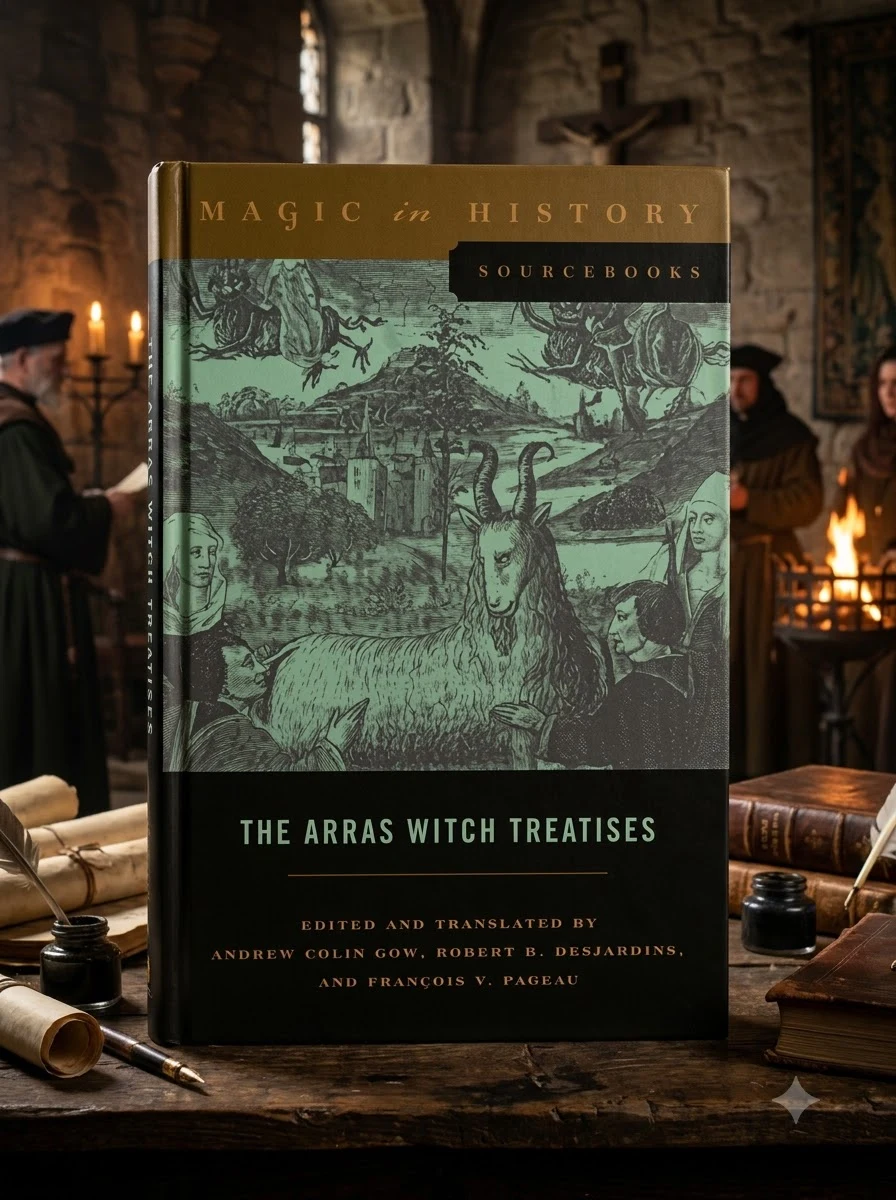
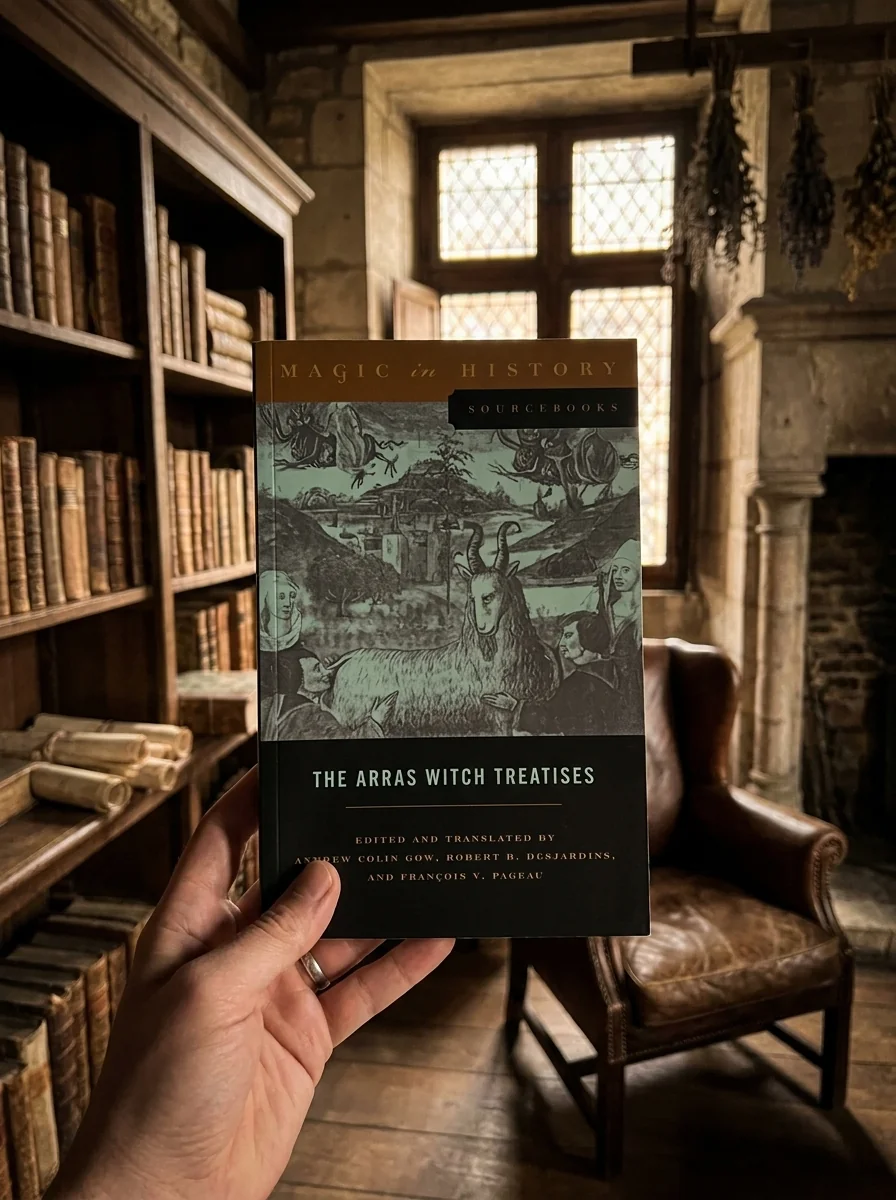
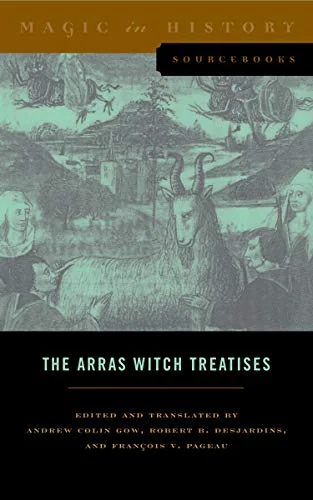
The Arras Witch Treatises: Johannes Tinctor's Invectives Contre La Secte de Vauderie and the Recollectio Casus, Status Et Condicionis Valdensium Ydolatrar Gow, Andrew Colin
This groundbreaking volume presents the first complete English translations of two seminal 15th-century texts: Johannes Tinctor’s *Invectives* and the anonymous *Recollectio*. These documents offer an unparalleled, firsthand account of the infamous Arras witch trials in France, a watershed moment in the history of European witchcraft persecution. Compiled by figures like Tinctor and the likely presiding judge Jacques du Bois, they illuminate the nascent stages of demonological theory an entire generation before the notorious *Malleus Maleficarum*. This edition provides crucial insight into the intellectual underpinnings of the witch panic for scholars and occult enthusiasts alike.


Praise for this book
“[This] sourcebook presents a valuable contribution to the study of witchcraft and devil worship in the late medieval imagination. It is intelligible to lay readers, while scholars may find it useful as a brief overview of the Arras affair, with multiple references to more detailed studies on the topic.”
📝 Description: The Arras Witch Treatises: Johannes Tinctor's Invectives Contre La Secte de Vauderie and the Recollectio Casus, Status Et Condicionis Valdensium Ydolatrar Gow, Andrew Colin
📑 What's inside
- Acknowledgments
- Introduction: The Arras Witch Treatises in Context
- Anonymous of Arras, A History of the Case, State and Condition of Waldensian Heretics (Witches)
- Johannes Tinctor, Treatise Against the Sect of Waldensians (Witches)
- Bibliography
- Index
💎 Expert review
📖 Why choose it
Why this book is worth reading
Scholars of medieval history, theological researchers, and dedicated enthusiasts of occult literature will find immense value in this essential collection. By providing the first complete English translations of Johannes Tinctor’s Invectives and the Recollectio, the editors illuminate the nascent stages of demonological theory that predate the Malleus Maleficarum by a full generation. Readers seeking to understand the intellectual underpinnings of the Arras witch trials will gain unparalleled insight into how early figures like Jacques du Bois constructed the legal and theological arguments for persecution. This work is indispensable for anyone wishing to trace the chilling origins of European witch-hunts through primary sources that reveal the profound shift in mindset during this watershed moment.
⭐ Reader reviews
Reader rating
This academic publication serves as a rigorous historical document rather than an entertaining narrative, making it unsuitable for casual readers or those seeking sensationalist ghost stories. It is strictly intended for scholars, historians, and serious students of esoteric history who possess the patience for dense, translated treatises. While the content is groundbreaking for understanding the Arras trials, the scholarly tone may alienate general audiences expecting a more accessible approach. However, for its target demographic, it offers an unparalleled, firsthand account of 15th-century demonology that is both intellectually stimulating and historically significant.
❓ Frequently asked questions
📖 Who should read this
If you seek to understand the grim origins of European witch-hunts and the intellectual currents that fueled them, this meticulously translated collection is essential. It offers invaluable primary source material for historians, students of medieval studies, and anyone fascinated by the dark evolution of demonology.
🎯 Key themes and symbolism
Genesis of Witchcraft Theory
These treatises offer a unique glimpse into the very first systematic attempts to define and criminalize witchcraft in Western Europe. They reveal the intellectual frameworks emerging to justify mass persecutions, laying foundational concepts that would later be expanded upon by more famous demonologists, long before the *Malleus Maleficarum* solidified these ideas.
Arras Trials Unveiled
The collection meticulously documents the notorious Arras witch hunts of the mid-15th century, presenting primary accounts from those intimately involved in the proceedings. It provides essential context for understanding one of the earliest large-scale persecutions, showcasing the judicial and societal mechanisms that drove such events during a pivotal period.
Evolving Demonic Lore
Through these texts, readers witness the evolving understanding of demonic pacts and magical practices in late medieval thought. They reflect a critical juncture where folk beliefs began to intertwine with theological and legal frameworks, gradually solidifying the concept of a formalized, organized demonic conspiracy against humanity, shaping future religious fears.
📜 Historical context
📚 Glossary
- Vauderie
- Demonology
- Recollectio
📔 Questions to reflect on
- How did the theological and legal arguments presented in these treatises shape public perception of witchcraft for centuries to come?
- Considering the historical context, what factors might have led to the rapid escalation of accusations and trials like those in Arras?
- In what ways do the concepts of 'heresy' and 'demon worship' in these texts resonate with or diverge from modern understandings of belief and crime?