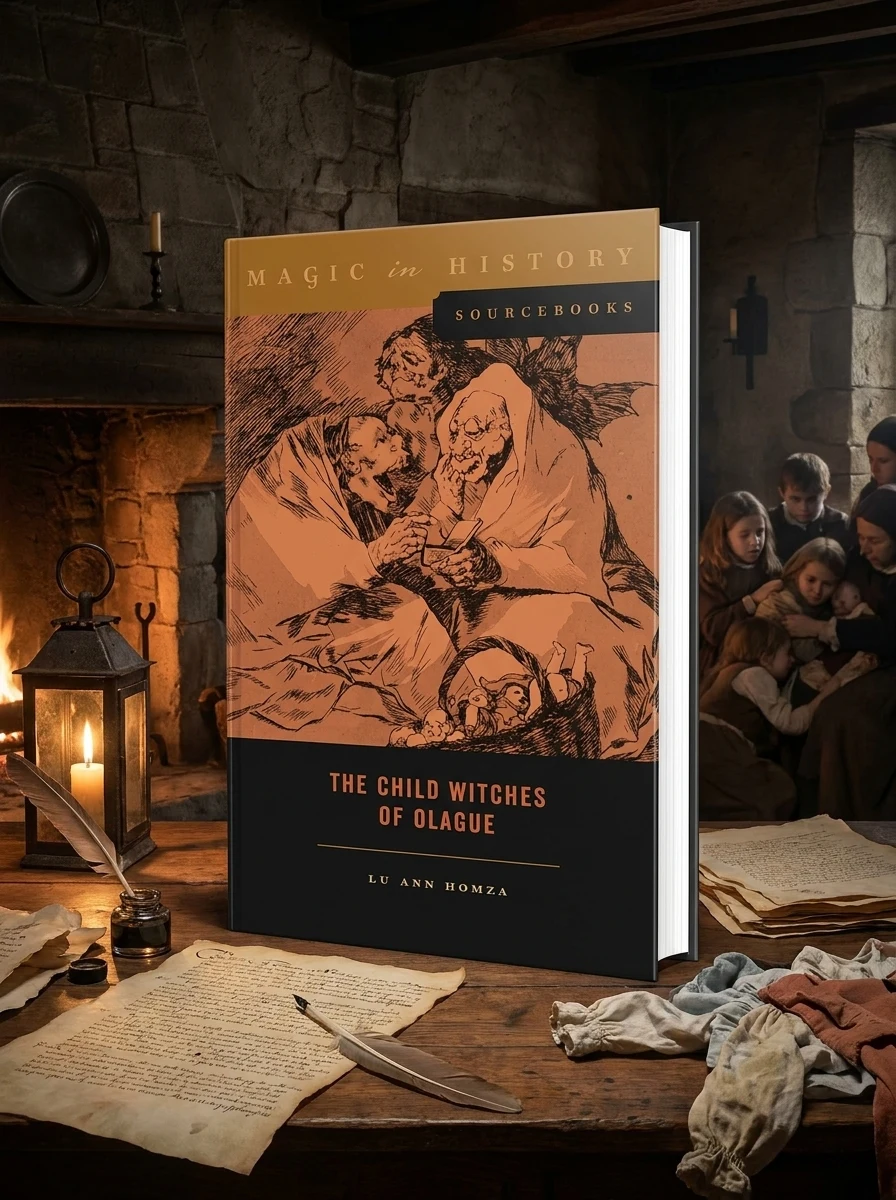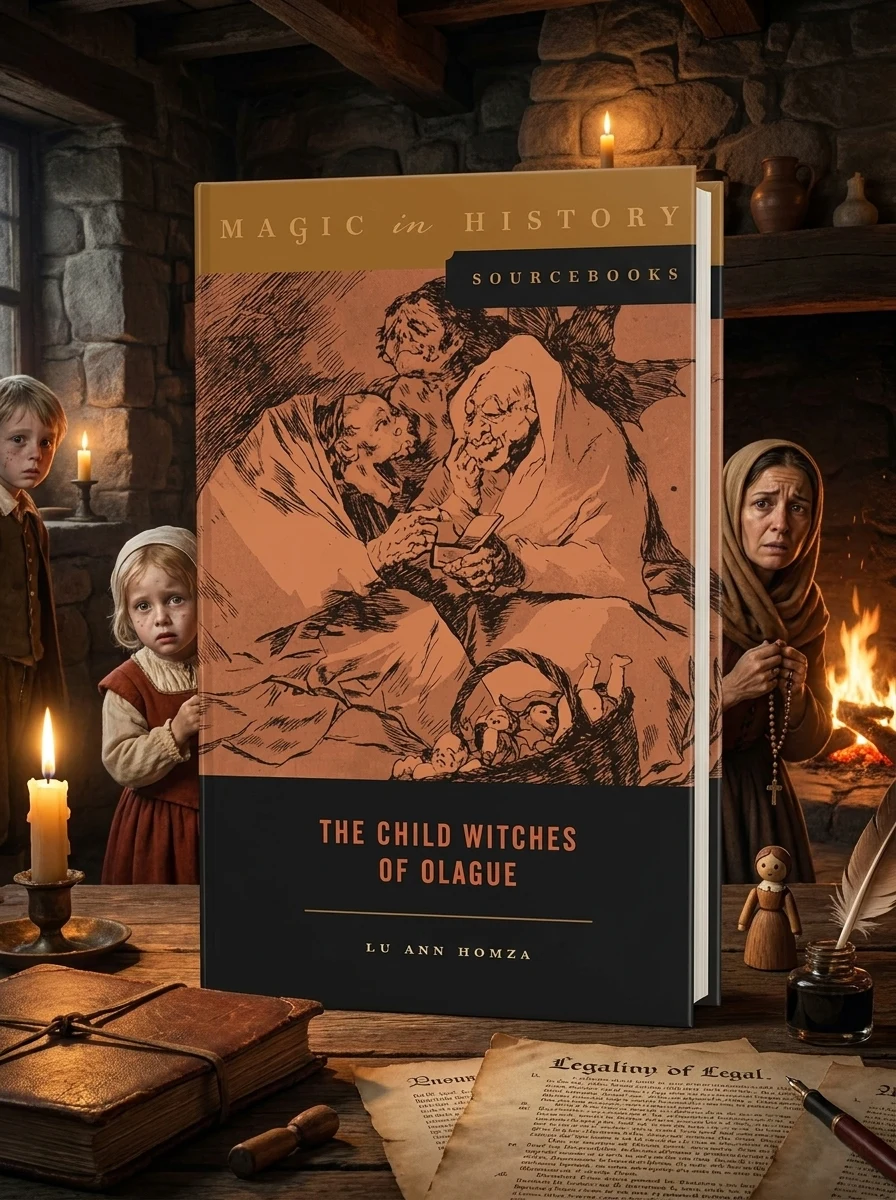
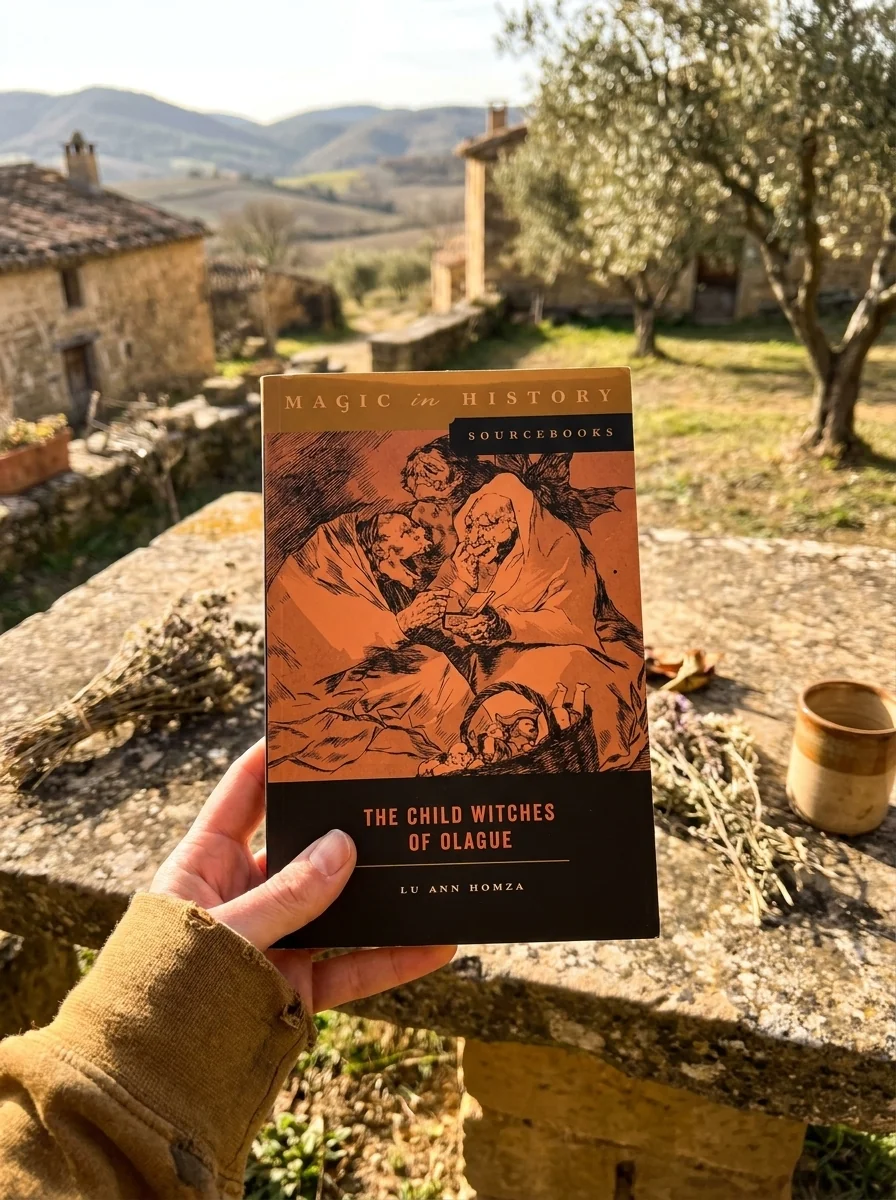
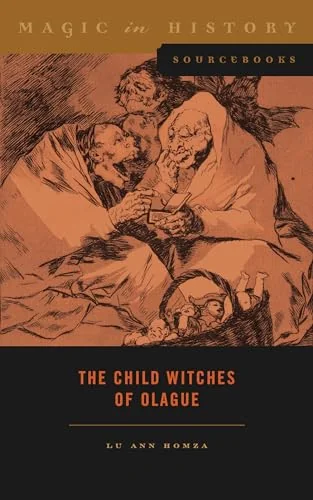
The Child Witches of Olague Homza, Lu Ann
✍️ Homza, Lu AnnThis compelling volume plunges into Spain's 17th-century Navarre region, where thousands of children accused themselves of witchcraft. Homza meticulously translates and annotates never-before-seen legal depositions from Olague, offering a raw, unfiltered glimpse into the tragic human cost of the era's massive witch hunts. Beyond the sensational claims, these court records — including defamation suits and even a divorce petition — reveal the intricate social dynamics, fierce honor codes, and emotional turmoil that defined early modern Iberian life, especially when children’s voices unexpectedly reshaped adult worlds.


Praise for this book
“These invaluable cases will be of immense interest to anyone interested in the histories of early modern Spain, the Spanish Inquisition, witchcraft, law, popular culture, and childhood, among other topics. By opening up new perspectives on a famous set of witchcraft cases, Homza's collection offers new insights into social and familial dynamics that could fuel seemingly 'irrational' crazes. This is an outstanding resource for the study of early modern social, family, religious, and legal history.”
📝 Description: The Child Witches of Olague Homza, Lu Ann
💎 Expert review
📖 Why choose it
Why this book is worth reading
Scholars and enthusiasts of early modern European history will find immense value in this meticulous translation of primary sources. Lu Ann Homza provides a rare, unfiltered window into the tragic human cost of the witch hunts through the eyes of children. Readers interested in the intersection of law, gender, and social honor codes will appreciate how these depositions reveal intricate community dynamics. It is essential for those seeking to understand how marginalized voices unexpectedly influenced adult legal and social worlds during Spain's darkest hour.
⭐ Reader reviews
Reader rating
This volume offers a compelling, albeit dense, examination of 17th-century Navarre’s legal depositions. Homza’s work is rigorous and insightful for historians analyzing the social fabric of early modern Iberia. However, it does not suit readers seeking sensationalist ghost stories or simple narratives of magical practice. The focus on defamation suits, divorce petitions, and honor codes may feel dry to those expecting traditional occult lore. It is a scholarly contribution rather than a popular history, requiring patience for its detailed legal analysis.
❓ Frequently asked questions
📖 Who should read this
If you're drawn to the darker corners of European history, fascinated by the intersection of law, religion, and social panic, or seek to understand the lived experiences of early modern people, especially children, this meticulously researched volume offers unparalleled access to a tragic, forgotten chapter.
🎯 Key themes and symbolism
Anatomy of a Witch Hunt
Delve into the harrowing mechanics of Spain's early 17th-century witch persecution. The book dissects the widespread panic in Navarre, revealing how fear, accusations, and communal hysteria escalated into a tragic period where young children became central figures in the hunt, illustrating the devastating societal impact of such events.
Iberian Life & Honor
Gain unique insights into the intricate social fabric of 17th-century Navarre. Through court documents, the work illuminates the rigid gender roles, the profound significance of honor codes, and the complex relationships within communities, offering a micro-historical view of how daily life was shaped by belief, law, and reputation.
Children's Voices, Adult Worlds
Discover the unexpected agency of children in a patriarchal society. The depositions of young "witches" and their accusers highlight how the testimony of even illiterate children could dramatically disrupt adult lives, triggering legal battles, vigilantism, and profound social upheaval, underscoring their often-overlooked power.
📜 Historical context
📚 Glossary
- Navarre
- Deposition
- Early Modern Period
📔 Questions to reflect on
- How might the specific social and religious anxieties of early 17th-century Navarre have amplified the belief in child witches?
- Consider the ethical dilemmas faced by magistrates or parents when children made such grave and potentially life-altering accusations.
- In what ways do historical accounts of communal hysteria, like witch hunts, resonate with or differ from modern-day social panics or moral crusades?