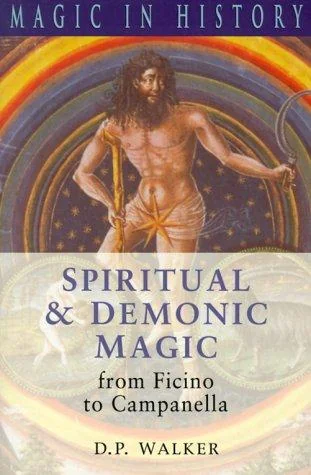
Spiritual and Demonic Magic: From Ficino to Campanella Walker, D P
✍️ Walker, D PStep into the intellectual currents of the Renaissance with D.P. Walker's seminal work, a profound re-evaluation of magic's role. Challenging prior assumptions that relegated magical practices to the fringes, Walker meticulously demonstrates how figures from Ficino to Campanella integrated spiritual and demonic magic directly into their philosophical and theological systems. This essential study reveals magic not as an anomaly, but as a defining characteristic of the era's intellectual landscape, reshaping our understanding of this pivotal historical period and its complex spiritual dimensions.


Praise for this book
“Spiritual and Demonic Magic remains the basis of contemporary scholarly understanding of the theory of magic in postmedieval Europe.”
📝 Description: Spiritual and Demonic Magic: From Ficino to Campanella Walker, D P
💎 Expert review
📖 Why choose it
Why this book is worth reading
Scholars and enthusiasts of Renaissance intellectual history will find this text indispensable for its profound re-evaluation of magic's role in early modern thought. D.P. Walker meticulously demonstrates how figures like Ficino and Campanella wove spiritual and demonic magic directly into their philosophical systems, reshaping our understanding of the period's complex spiritual dimensions. It is essential reading for those seeking to move beyond fringe assumptions and grasp magic as a defining characteristic of the era’s intellectual landscape.
⭐ Reader reviews
Reader rating
Walker provides a significant scholarly intervention, proving that magic was not an anomaly but a core component of Renaissance theology and philosophy. The analysis of thinkers from Ficino to Campanella offers a rigorous, evidence-based perspective that corrects prior marginalization of these practices. However, this is a dense academic study focused on intellectual history rather than practical occultism. It will likely disappoint readers seeking esoteric instruction or narrative flair. Those looking for accessible guides to Wicca or contemporary magical practice will find the historical focus too abstract and the tone too scholarly for their needs.
❓ Frequently asked questions
📖 Who should read this
If you're drawn to the intricate intellectual landscape of the Renaissance, fascinated by the intersection of philosophy, theology, and esoteric practices, or seeking to deepen your understanding of magic's historical role, this scholarly yet accessible volume offers unparalleled insight. It's a cornerstone for anyone serious about historical esotericism.
🎯 Key themes and symbolism
Magic's Renaissance Significance
Walker completely reorients our perception of magic during the Renaissance, showing it was far from a fringe interest. Instead, he argues compellingly that both spiritual and demonic magical practices were deeply embedded within the era's leading philosophical and theological discourse, forming a cornerstone of intellectual inquiry rather than a mere curiosity.
Thinkers and Their Magic
The book meticulously traces the evolution and integration of magical thought through the works of key Renaissance intellects. From Marsilio Ficino's Neoplatonic influences to Tommaso Campanella's later explorations, Walker illustrates how these prominent figures engaged with, developed, and justified various forms of magic within their comprehensive worldviews.
Spiritual vs. Demonic Magic
Walker distinguishes between different forms of magic practiced and theorized during the period. He explores the subtle yet crucial distinctions between spiritual magic, often aligned with divine or natural forces, and demonic magic, which involved invoking infernal powers, revealing the complex moral and theological considerations surrounding these practices.
📜 Historical context
📚 Glossary
- Ficino
- Campanella
- Warburg Institute
📔 Questions to reflect on
- How does Walker's re-evaluation of Renaissance magic challenge your previous assumptions about the period's intellectual and spiritual life?
- Consider the philosophical implications if magic was indeed a central rather than marginal pursuit for thinkers like Ficino. What does this suggest about their understanding of nature and divinity?
- Reflect on the distinction between spiritual and demonic magic presented in the text. How might these categories still resonate or diverge from modern esoteric understandings?