The Living Record of the Craft
For the uninitiated, the term 'Book of Shadows' often evokes images of ancient, leather-bound tomes filled with cryptic symbols. In reality, a Book of Shadows is a personal grimoire—a working journal where a practitioner records their spells, rituals, meditations, and the results of their magic. It is the primary tool for tracking spiritual growth and ensuring that a ritual which worked once can be replicated with the same precision a year later.
The challenge for many new practitioners is the blank page. Starting a grimoire from scratch can feel overwhelming. Do you list your correspondences first? Do you start with a personal statement of intent? This is why published 'Book of Shadows' books are so valuable. Some act as templates, providing the structure you need to fill in your own experiences, while others serve as comprehensive textbooks that teach you the very art of record-keeping.
Depending on your path—whether you are a solitary practitioner, a Green Witch, or a student of the Left-Hand Path—the requirements for your book will differ. Some seek a structured curriculum, while others want a flexible journal that grows with them. Below, we have categorized the most effective guides in our collection to help you find the right foundation for your personal archive.
A well-maintained Book of Shadows serves as a spiritual mirror. By reviewing entries from months or years prior, a practitioner can identify patterns in their energy, notice which lunar phases yield the most potent results, and refine their intent. Without this written record, much of the intuitive work performed in the Craft is lost to memory. The transition from a student who follows recipes to a master who creates their own rituals happens precisely within these pages.
Foundations for the New Practitioner
If you are just beginning to feel the pull of the Craft, you need a balance of instruction and space. These books provide the 'what' and 'how' of witchcraft while encouraging you to document your own results.
1. Witchcraft for Beginners: A Practical 2-in-1 Book of Shadows & Grimoire for the New Witch — J C Marco
This volume is designed as a dual-purpose tool. It functions as both a teaching manual and a place to record practice, making it an ideal starting point for those who want a hands-on approach to modern witchcraft without having to jump between multiple texts. It bridges the gap between theory and application by providing a space to immediately apply the lessons learned in the grimoire section.
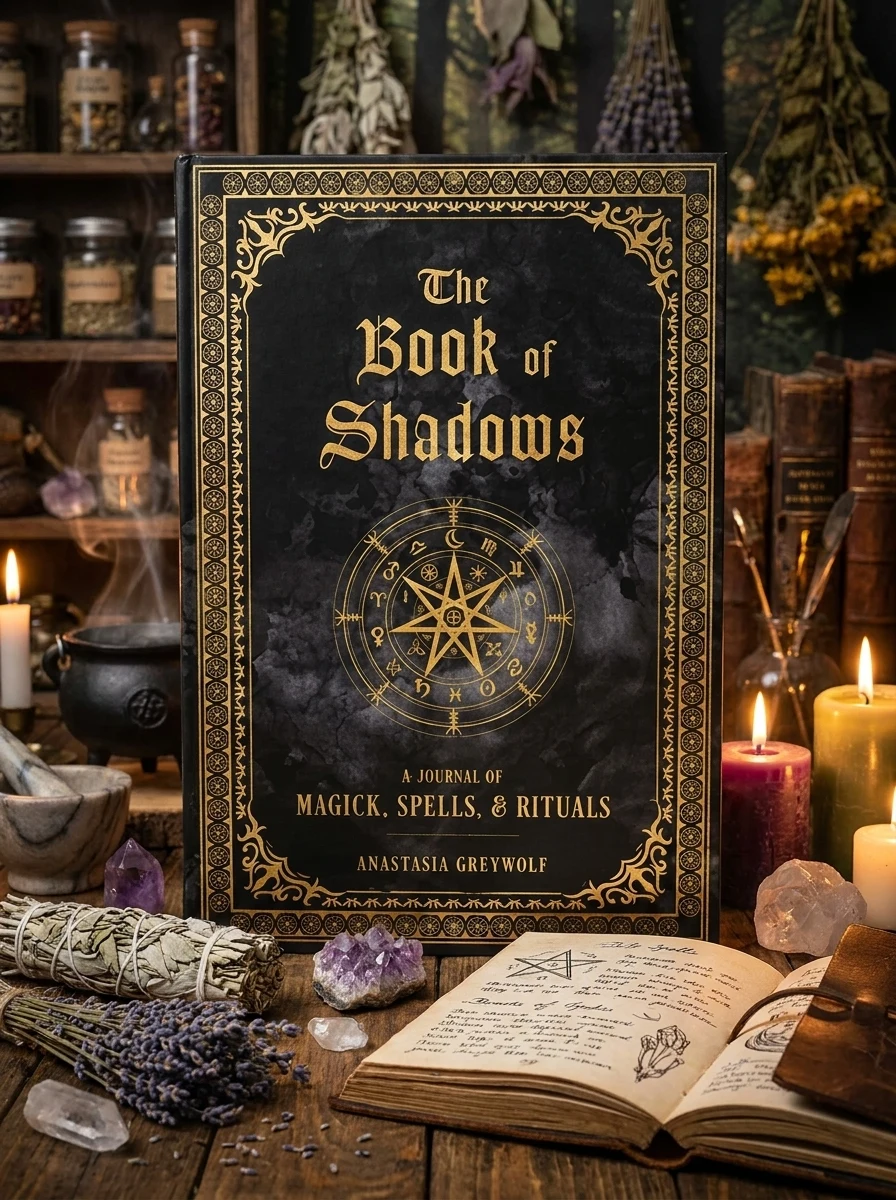
2. The Book of Shadows: A Journal of Magick, Spells, & Rituals — Anastasia Greywolf
Priced under $20, this is a highly accessible entry point. It is less of a textbook and more of a structured journal, providing the framework necessary for a seeker to begin organizing their rituals and spells in a coherent manner. It is particularly useful for those who already have a basic understanding of the Craft but lack a system for organization.
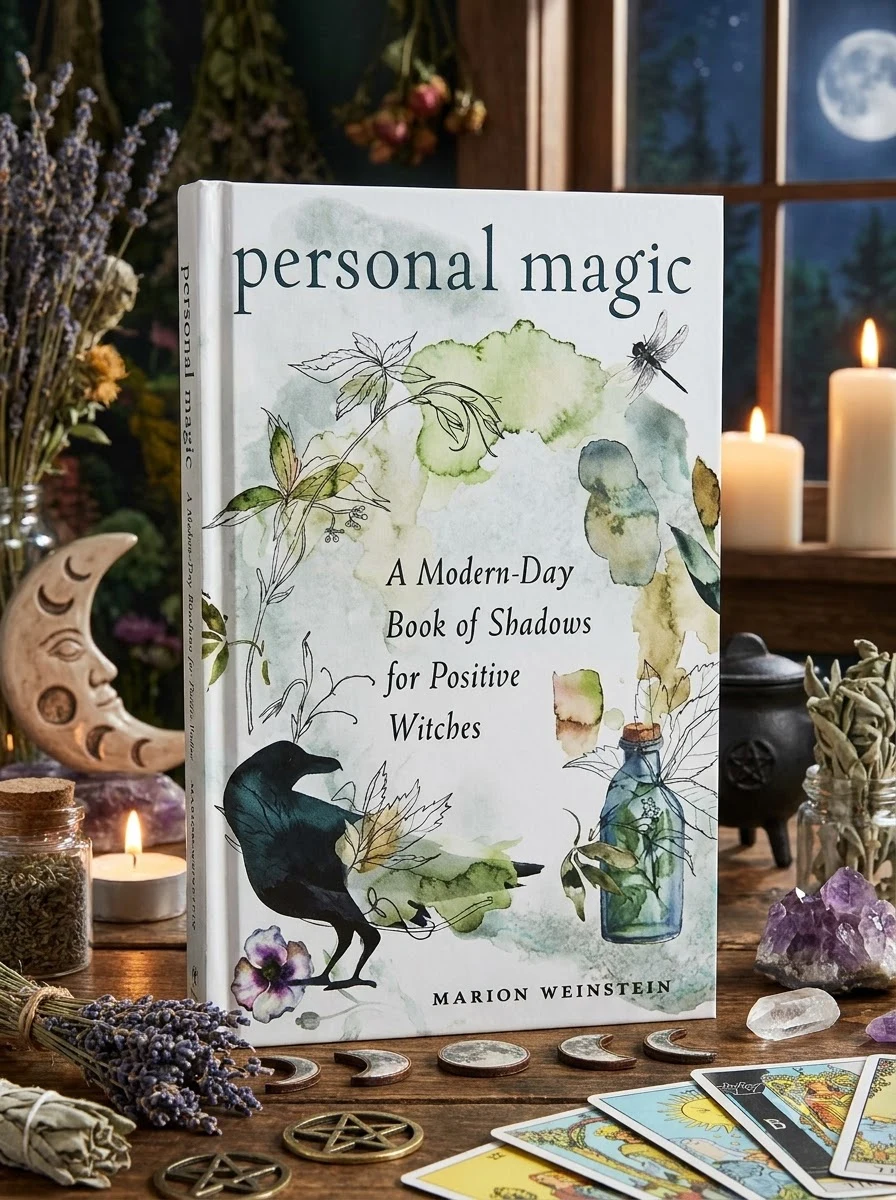
3. Personal Magic: A Modern-Day Book of Shadows for Positive Witches — Marion Weinstein
For those who prefer a light-working or positive approach to the Craft, this book offers a foundational entry. It avoids the darker tropes of occultism, focusing instead on constructive, positive energy and a modern interpretation of the grimoire. It emphasizes the use of magic for self-improvement and the betterment of one's surroundings.
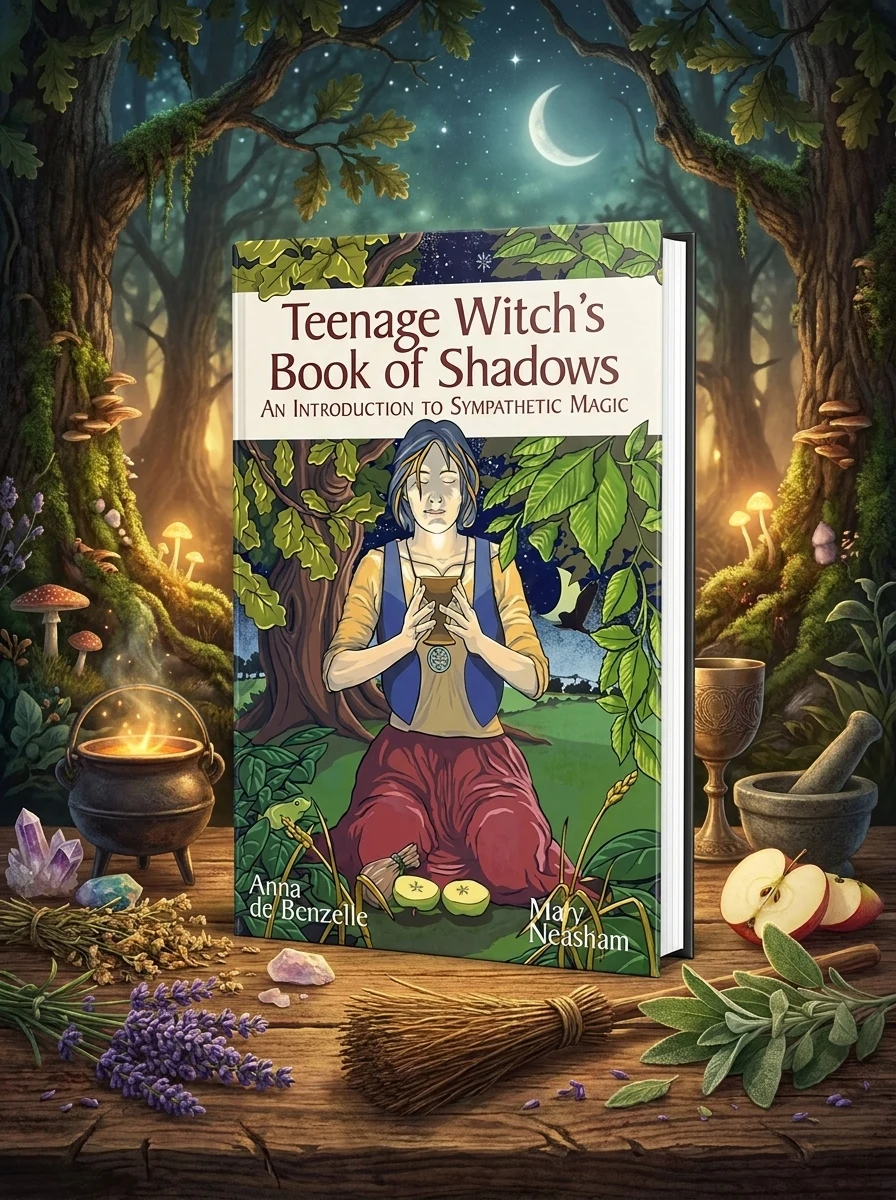
4. Teenage Witches Book of Shadows: An Introduction to Sympathetic Magic — Mary Neasham & Anna de Benzelle
While marketed toward a younger audience, this is a superb introduction to sympathetic magic. It is written in a clear, encouraging tone that strips away the pretension often found in occult literature, making it great for any curious soul. It focuses on the natural reverence and self-discovery aspects of the practice.
Path-Specific Grimoires and Traditions
As your practice matures, you may find that a general guide is no longer sufficient. You might be drawn to the rhythms of the earth, the autonomy of solitary work, or the rigorous structure of established traditions. At this stage, the Book of Shadows becomes a specialized tool tailored to a specific spiritual frequency.
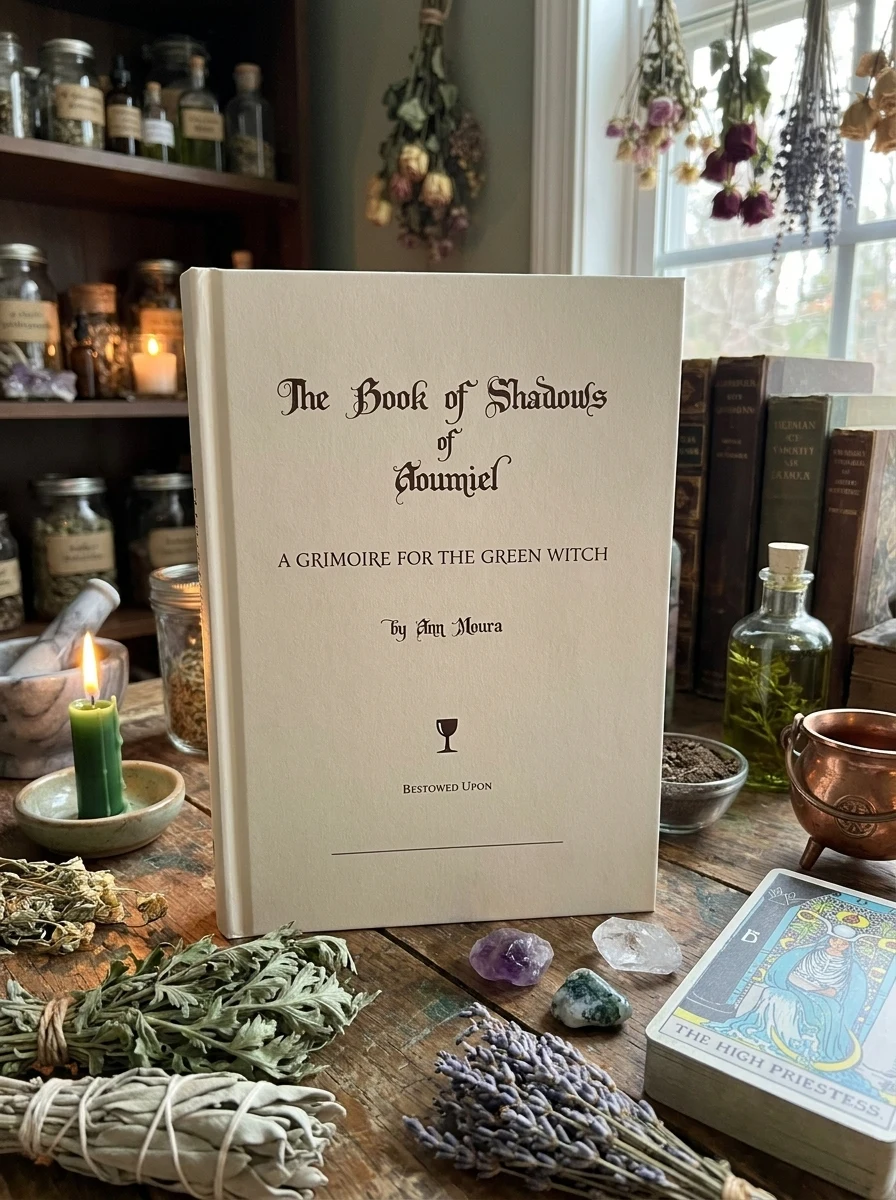
5. Grimoire for the Green Witch: A Complete Book of Shadows — Ann Moura
This is the definitive choice for those whose magic is rooted in nature. It provides a structured foundation for earth-based spirituality, focusing on herbalism, lunar cycles, and the natural world, allowing the practitioner to adapt these templates to their local environment. It is an essential resource for those who view the earth as their primary altar.
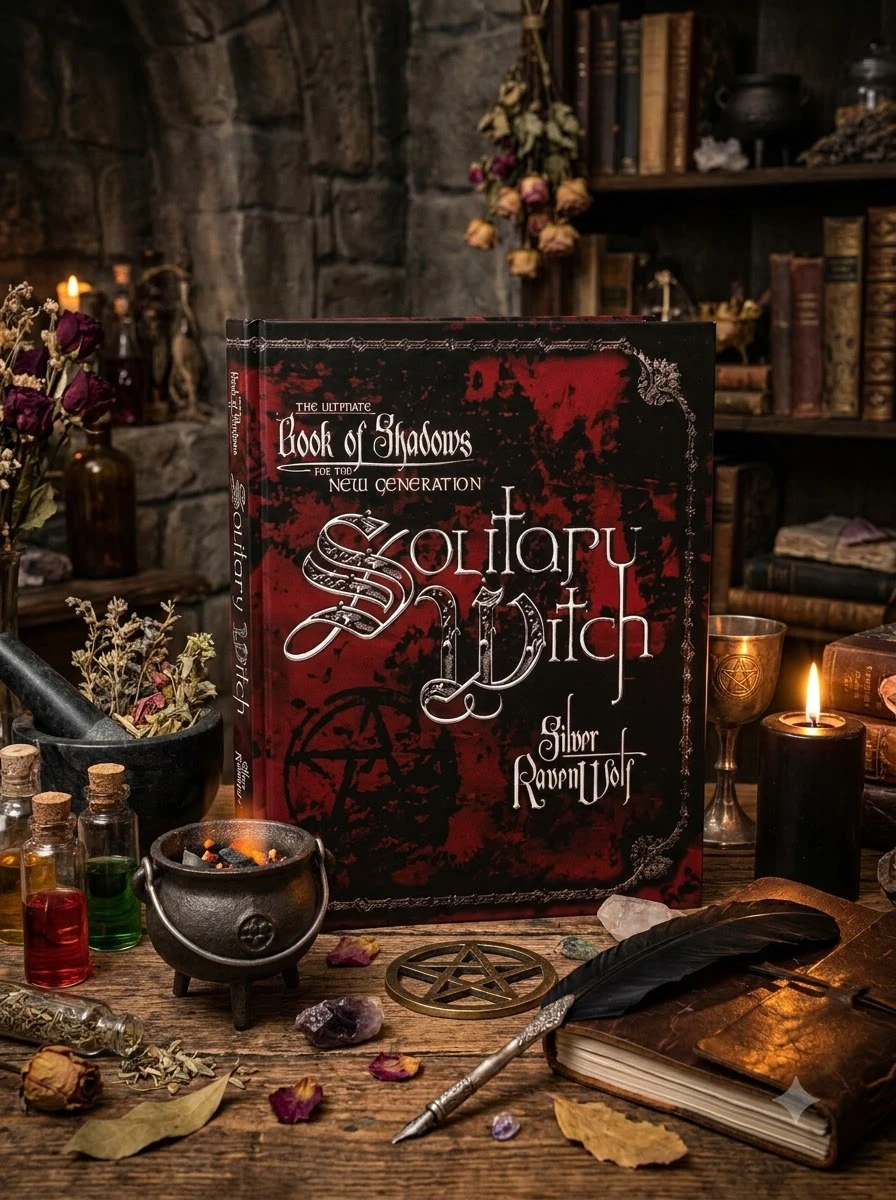
6. Solitary Witch: The Ultimate Book of Shadows for the New Generation — Silver Ravenwolf
Many practitioners prefer to work alone rather than in a coven. Ravenwolf's guide is tailored specifically for the autonomous witch, offering a comprehensive system that doesn't require a hierarchy or a group to be effective. It provides the necessary structure to ensure the solitary practitioner remains disciplined and focused.
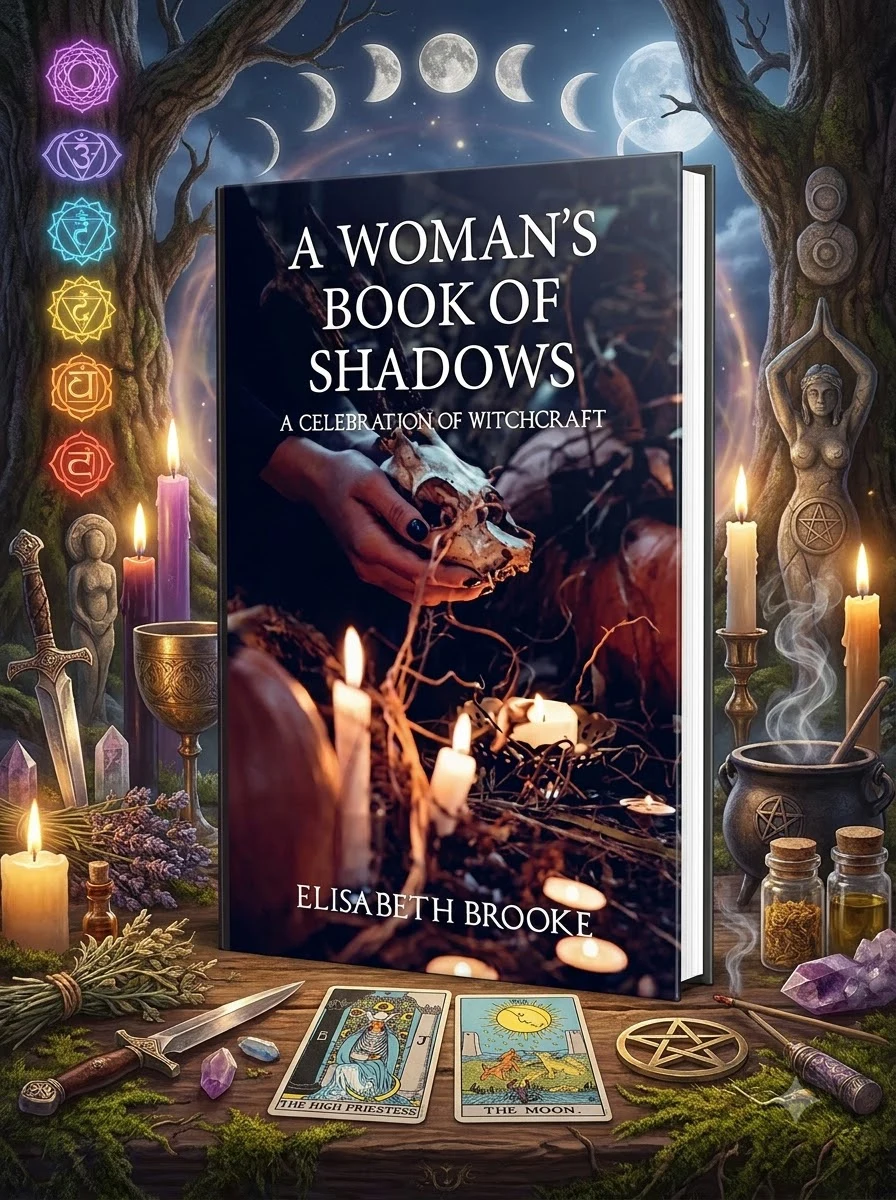
7. A Woman's Book of Shadows: A Celebration of Witchcraft — Elisabeth Brooke
This text blends historical context with practical guidance. It is particularly suited for women who want to connect their personal practice to the broader lineage of witchcraft and the feminine divine. It serves as both a practical guide and a celebration of the female spiritual experience.
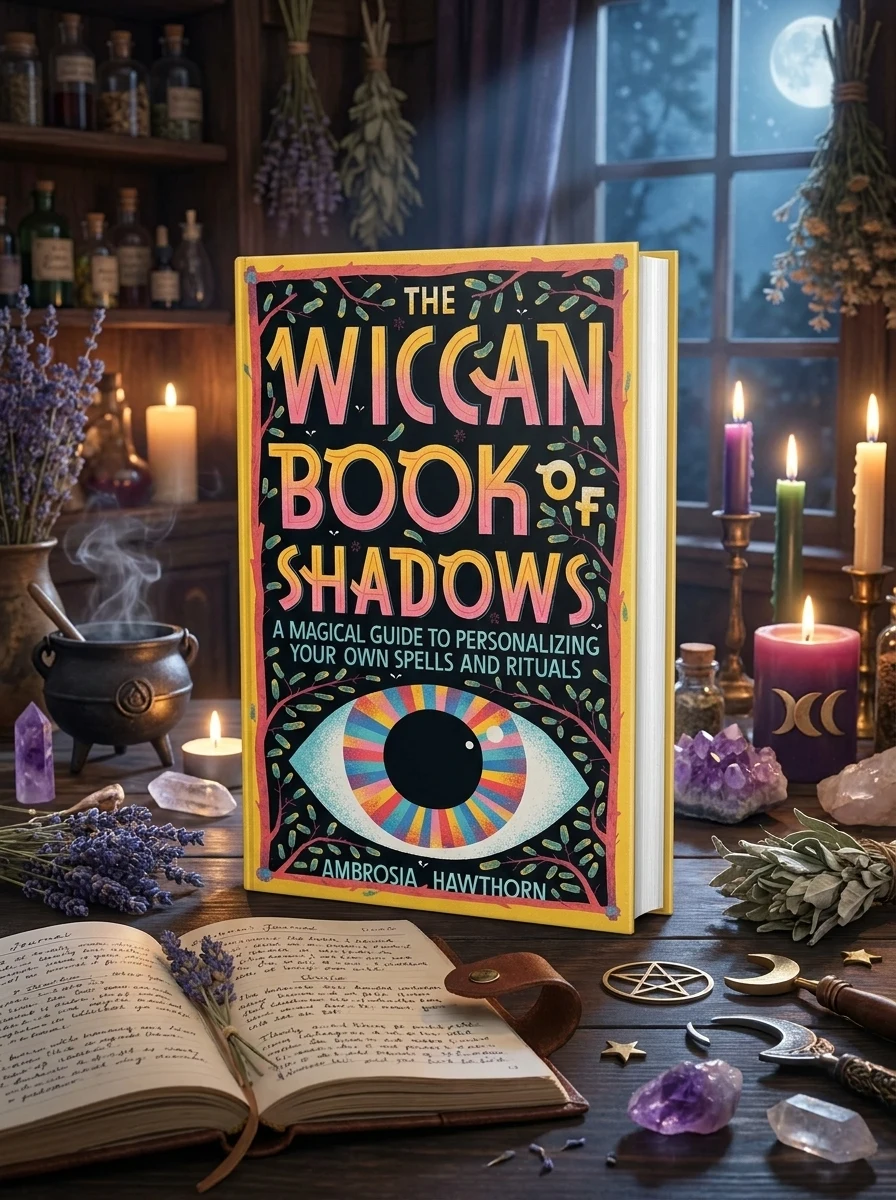
8. The Wiccan Book of Shadows: A Magical Guide to Personalizing Your Own Spells and Rituals — Ambrosia Hawthorn
Priced under $20, this guide focuses on the 'personalization' aspect of the Craft. It teaches the logic behind spell construction, empowering the reader to move beyond copying recipes and start writing their own unique rituals. This is a critical step in moving from a student to an independent practitioner.
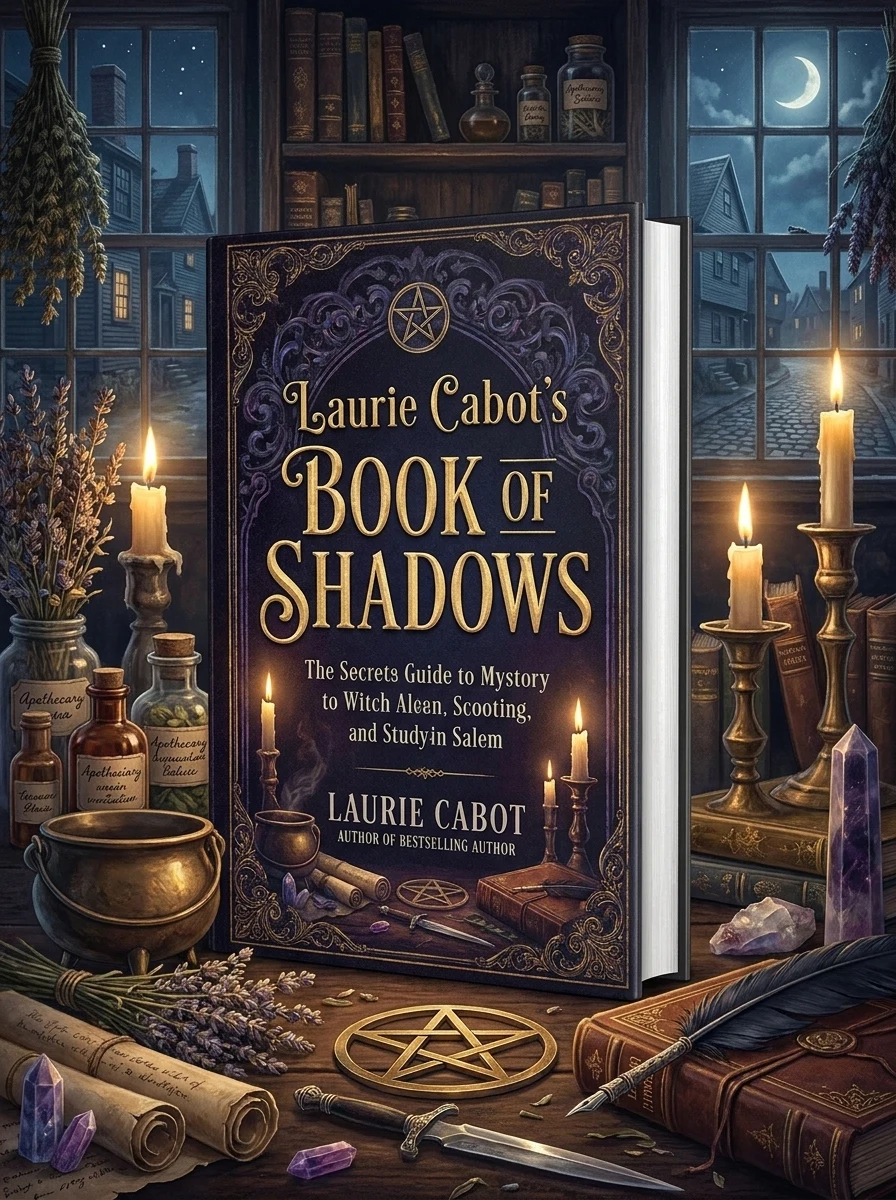
9. Laurie Cabot's Book of Shadows — Laurie Cabot
For those seeking a more formal and authentic education, Cabot's work is essential. It is a rigorous, structured teaching tool that is particularly valuable for those aspiring to leadership roles or High Priesthood within the Craft. It offers a depth of tradition and authority that is rare in modern published grimoires.
Advanced Studies and Alternative Shadows
The term 'shadow' does not always refer to a witch's journal. In the broader occult world, it can refer to the hidden aspects of the psyche, the darkness of the void, or the evocation of spirits from the lower planes. These texts move beyond the basic recording of spells and into the territory of spiritual transformation and power.
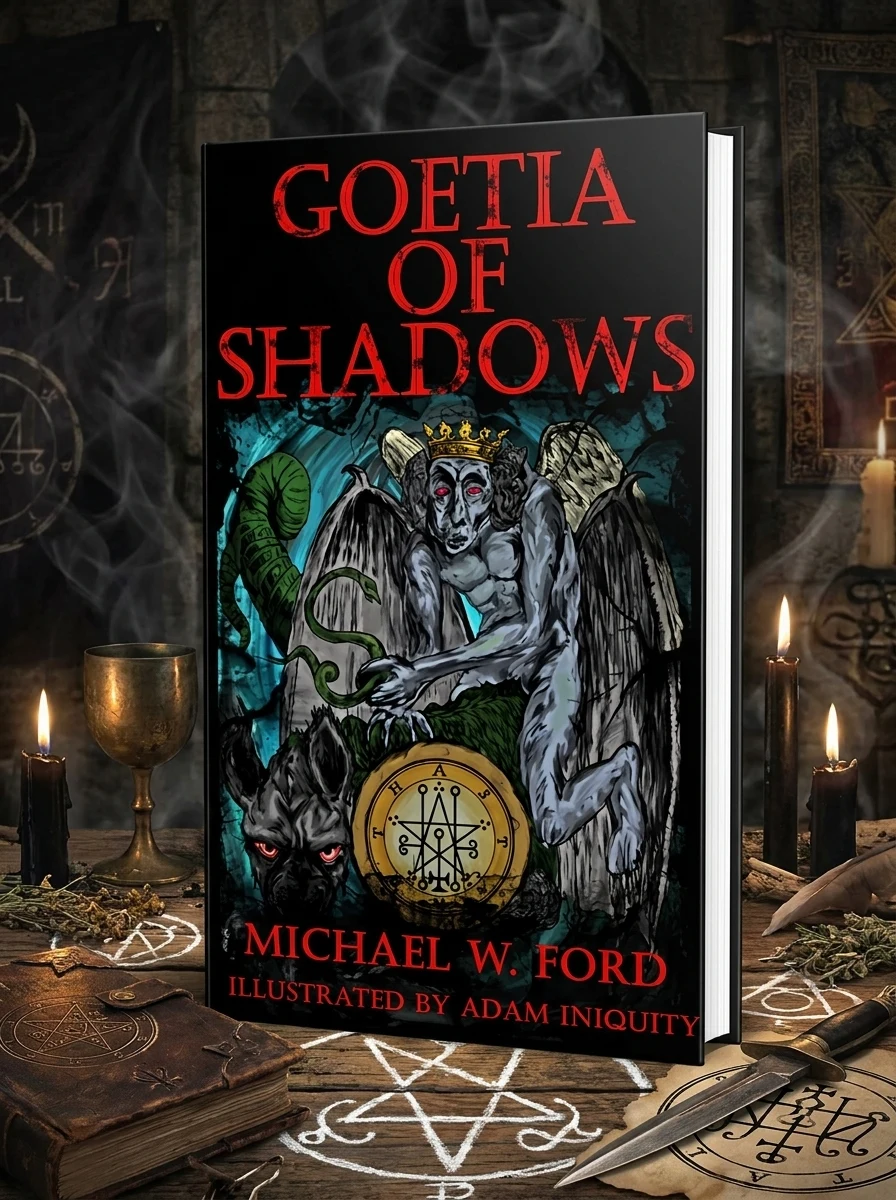
10. Goetia of Shadows: Illustrated Luciferian Grimoire — Adam Iniquity & Michael W. Ford
This is a stark departure from Wiccan traditions. It is a results-oriented system for the seasoned practitioner of the Left-Hand Path, focusing on Goetia and self-transformation through the evocation of spirits. It is a powerful, intense volume for those who have already mastered the basics and seek a more aggressive approach to spiritual evolution.
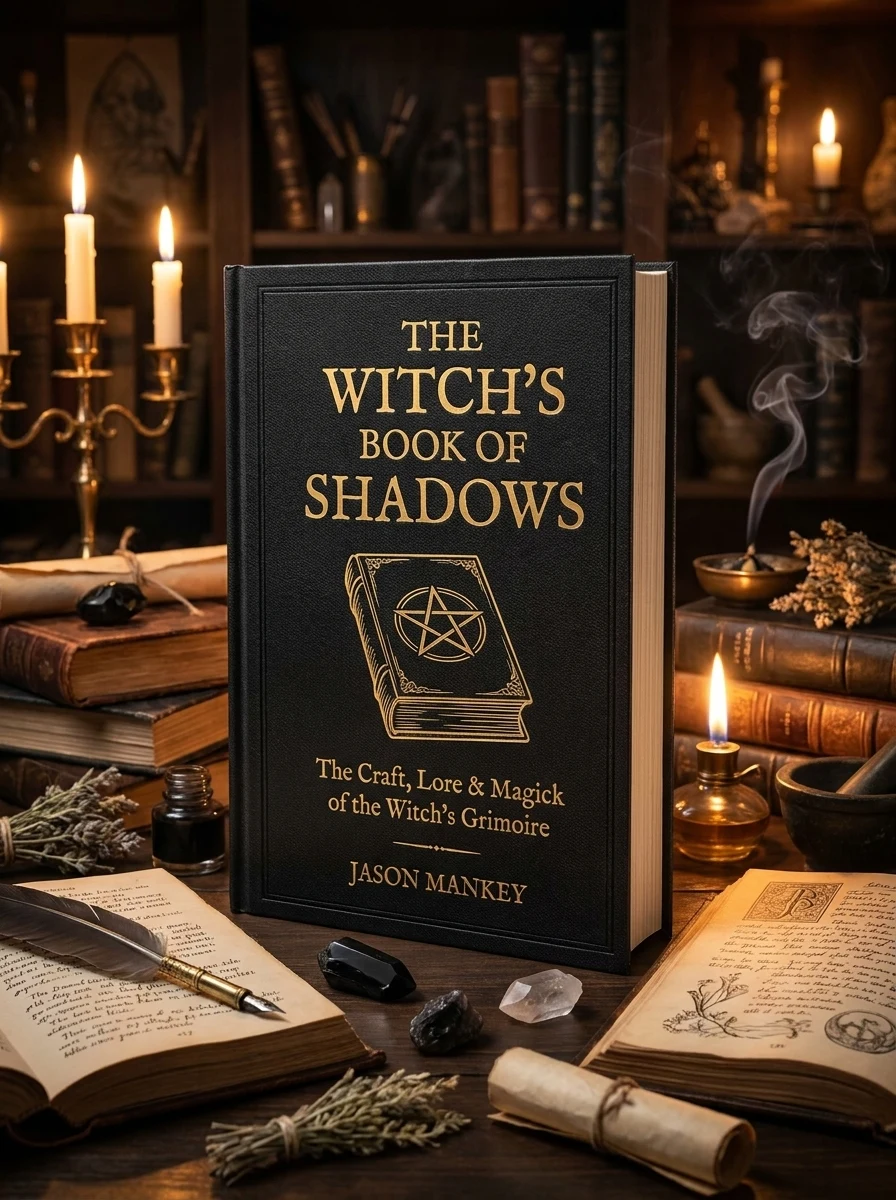
11. The Witch's Book of Shadows: The Craft, Lore & Magick of the Witch's Grimoire — Jason Mankey
Mankey provides a comprehensive analysis of the lineage of magical record-keeping. This book is less about providing spells and more about the philosophy and history of the grimoire itself, helping you understand why we keep these books and how to do so effectively. It treats the Book of Shadows as a historical artifact as much as a personal tool.
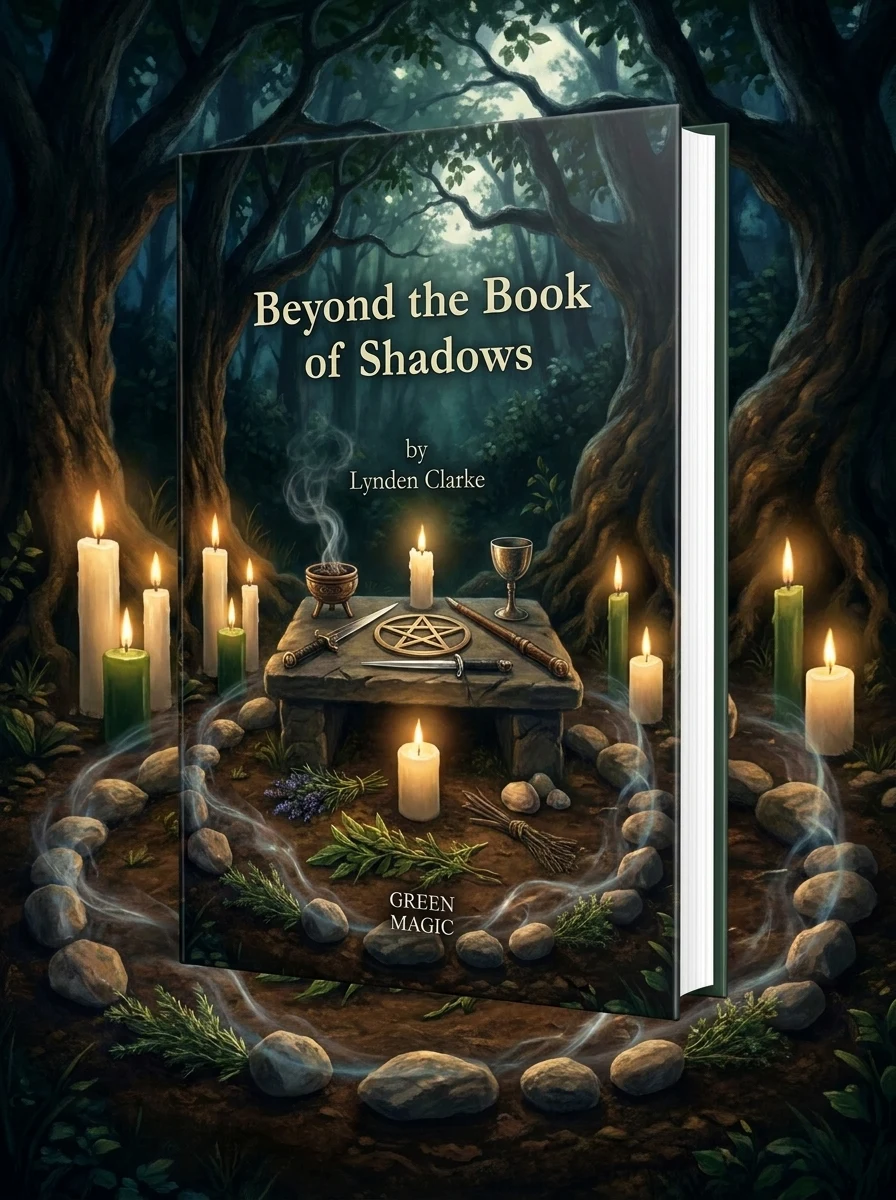
12. Beyond the Book of Shadows — Lynden Clarke
Once you have a filled journal, the question becomes: what next? Clarke's work is for the dedicated practitioner who has mastered the basics of ritual and is looking for a deeper, more nuanced engagement with their spiritual practice. It encourages the practitioner to move beyond the written word and into a more direct, experiential form of magic.
How to Choose Your First Grimoire
Selecting the right book depends entirely on your current relationship with the Craft. The process should be intuitive, but guided by your specific goals. If you are terrified of the blank page, start with a journal-style book like those by Anastasia Greywolf. These provide the 'skeleton' of a practice, leaving you to provide the 'flesh' through your own experiences. This approach reduces the anxiety of starting and allows you to focus on the actual practice of magic.
If you feel a strong pull toward a specific tradition—such as the nature-based path of the Green Witch or the structured tradition of Laurie Cabot—choose a guide that aligns with those values. The goal is not to follow a recipe book blindly, but to find a mentor in print who can show you how to observe, record, and refine your own power. A tradition-specific book provides a set of guardrails that can be incredibly helpful during the first few years of practice.
For those who are more interested in the psychological or philosophical side of the occult, the works of Jason Mankey or the Luciferian approach of Iniquity and Ford may be more appropriate. These texts challenge the practitioner to think critically about the nature of power and the role of the record-keeper in the occult tradition.
Finally, remember that the most important 'Book of Shadows' is the one you actually write in. Whether you start with a professional replica for the aesthetic or a simple paperback guide, the value lies in the honest documentation of your spiritual evolution. The books listed here are the maps; the territory is your own lived experience. The act of writing is itself a ritual, a way of grounding the ethereal energy of magic into the physical world. By committing your findings to paper, you anchor your progress and create a legacy of your own spiritual growth.