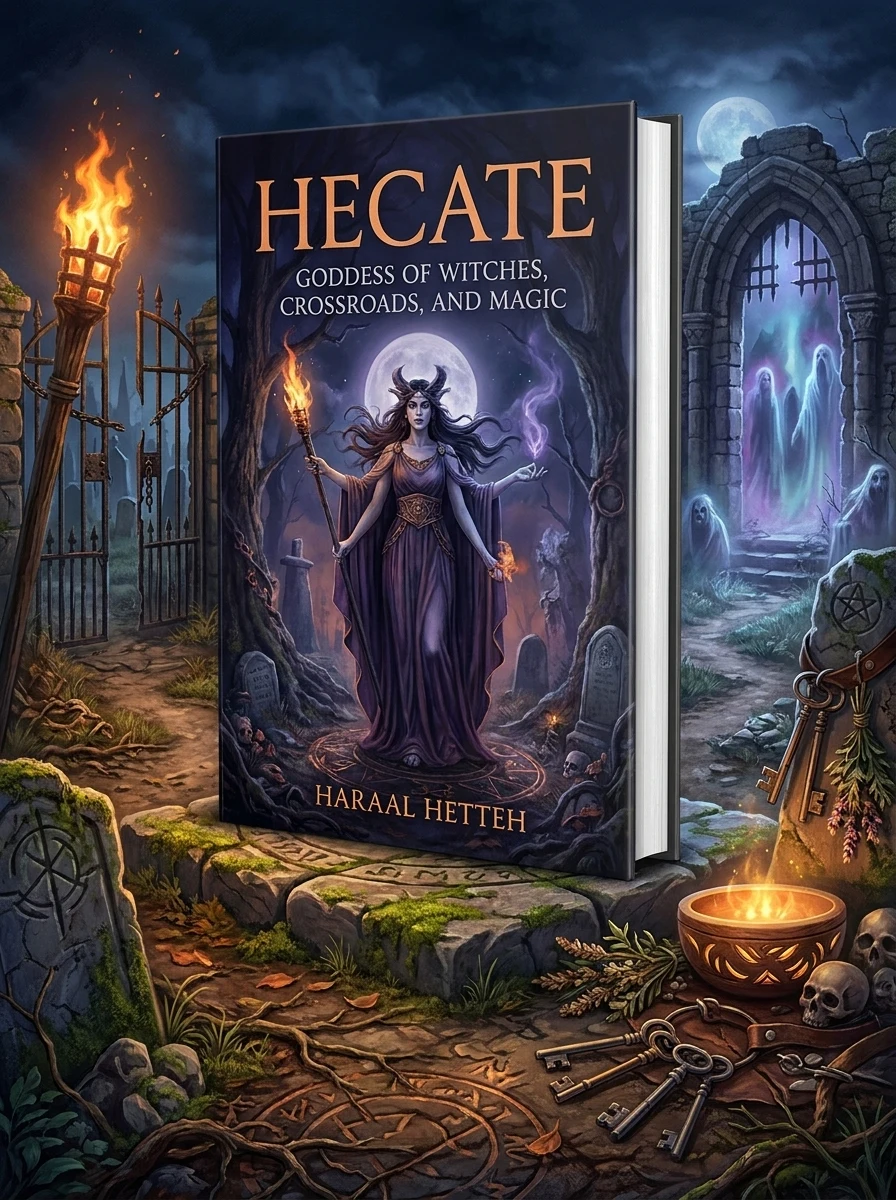
Hecate is not a deity for the faint of heart. As the keeper of the keys, the guide of the World, and the Queen of Witches, she governs the liminal spaces—the crossroads where one path ends and another begins. When a reader comes into our store asking for "Hecate books," they are rarely looking for a simple mythology primer. They are usually seeking a way to handle a personal transition, a method for confronting their own darkness, or a historical anchor for their spiritual practice.
The challenge with Hecate literature is the wide spectrum of approaches. You have the academic historians who treat her as a cultural phenomenon, the ceremonial magicians who approach her through strict ritual, and the modern devotees who build a personal, intuitive relationship with the Goddess. To build a library that actually serves your practice, you need a balance of these perspectives. A collection consisting only of modern spellbooks lacks grounding, while a library of only academic texts lacks the living breath of devotion.
In this guide, we have selected a comprehensive list of titles from our shelves that provide this balance. We avoid the superficial and focus on texts that offer genuine utility, whether you are looking for a structured ritual path or an analysis of the role of women in ancient magic. By integrating historical research with practical application, the practitioner avoids the pitfalls of modern invention and instead connects with a lineage of power that spans millennia.
Practical Devotion and Ritual Work
For those who feel a visceral pull toward Hecate but do not know how to begin a formal relationship, the focus should be on accessibility and safety. Hecate deals with the subconscious and the dead; these books provide the necessary guardrails to ensure the practitioner remains grounded while exploring the unseen.
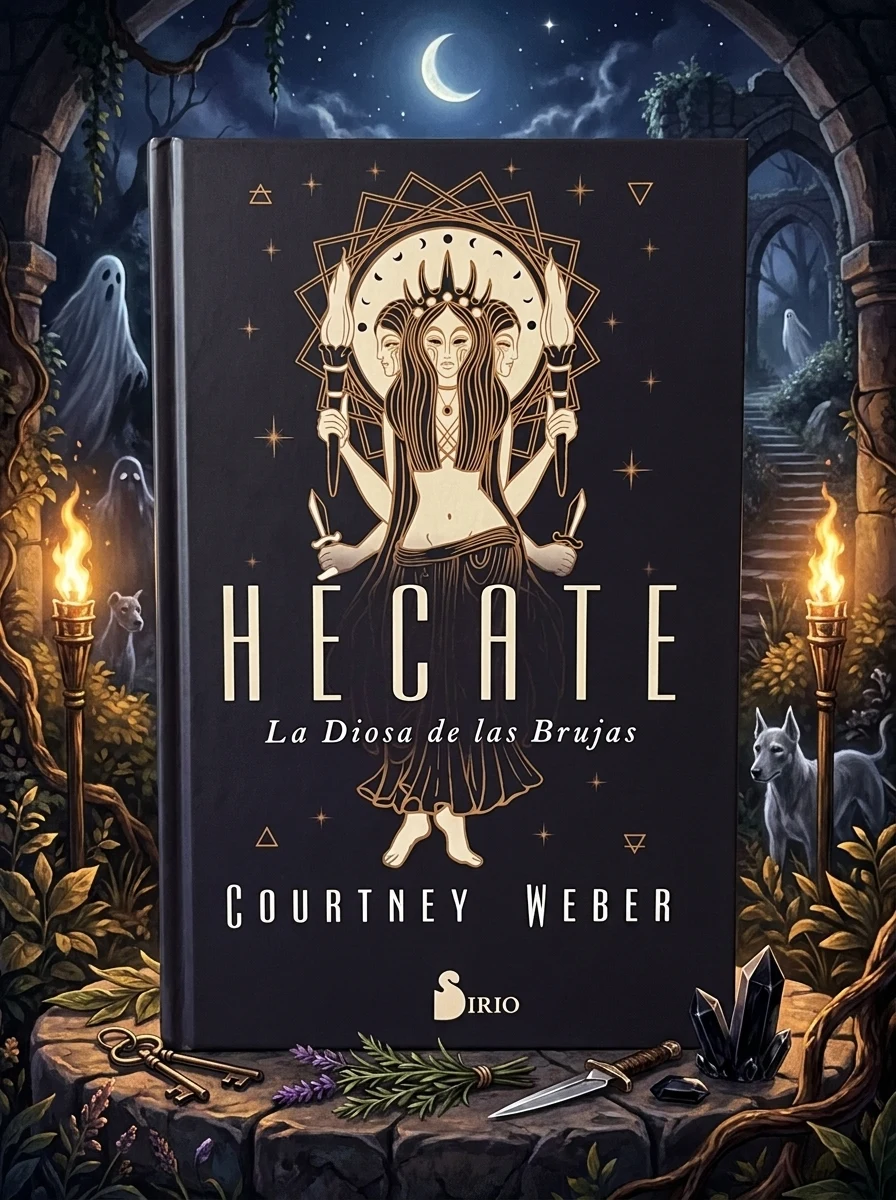
1. Hecate — Courtney Weber
Courtney Weber provides an approachable yet comprehensive entry point. This book is ideal for those drawn to the shadowy paths of ancient goddesses who want a bridge between historical context and modern application. It focuses on the potent energies of transition, making it a strong choice for those currently in a period of upheaval. Weber avoids oversimplification, ensuring the reader understands the gravity of the deity they are inviting into their life.
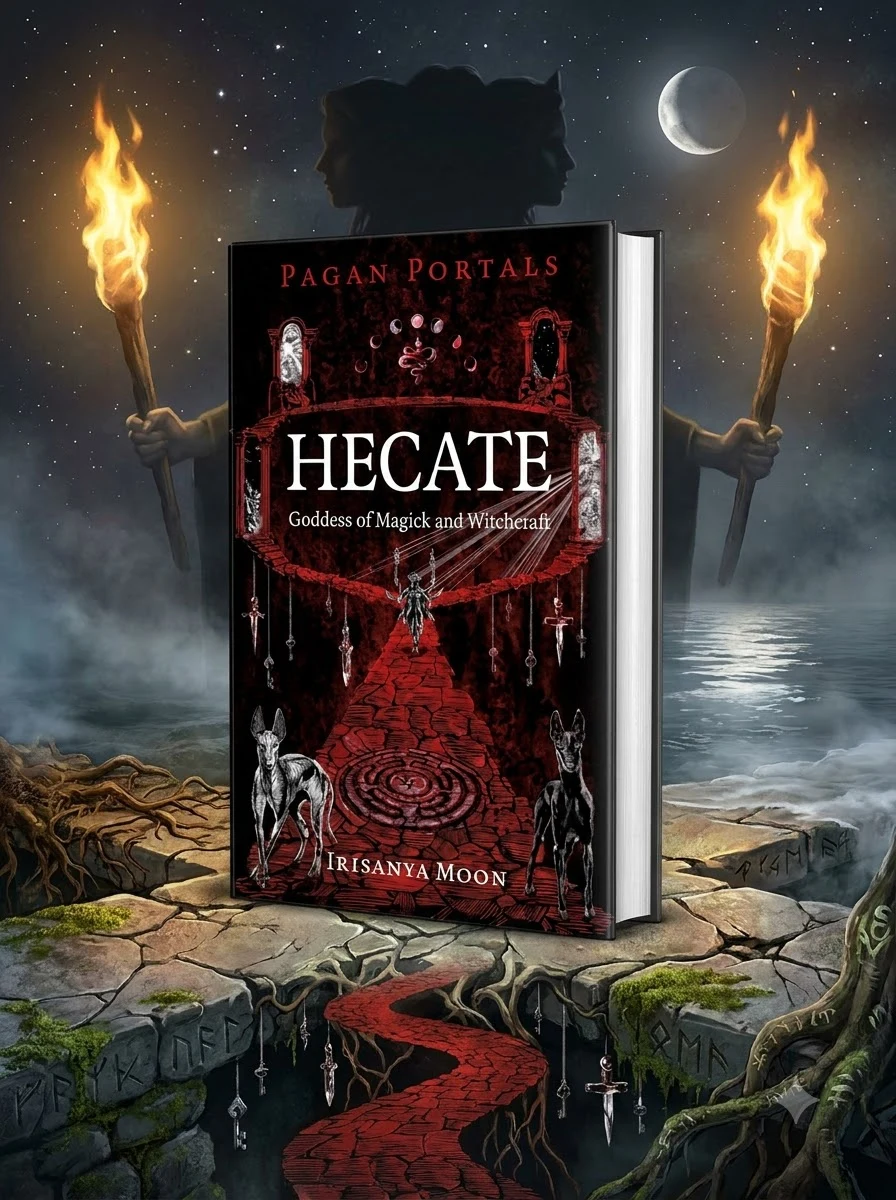
2. Pagan Portals - Hecate, Goddess of Magick and Witchcraft — Irisanya Moon
This text is designed for the seeker who feels Hecate's enigmatic presence but struggles to articulate it. It serves as a guide for managing life's complexities through the lens of the Goddess, offering a supportive tone for those deepening their understanding of her various aspects. It is particularly useful for those who prefer a more intuitive approach to their spirituality, providing a framework that allows for personal growth without rigid constraints.
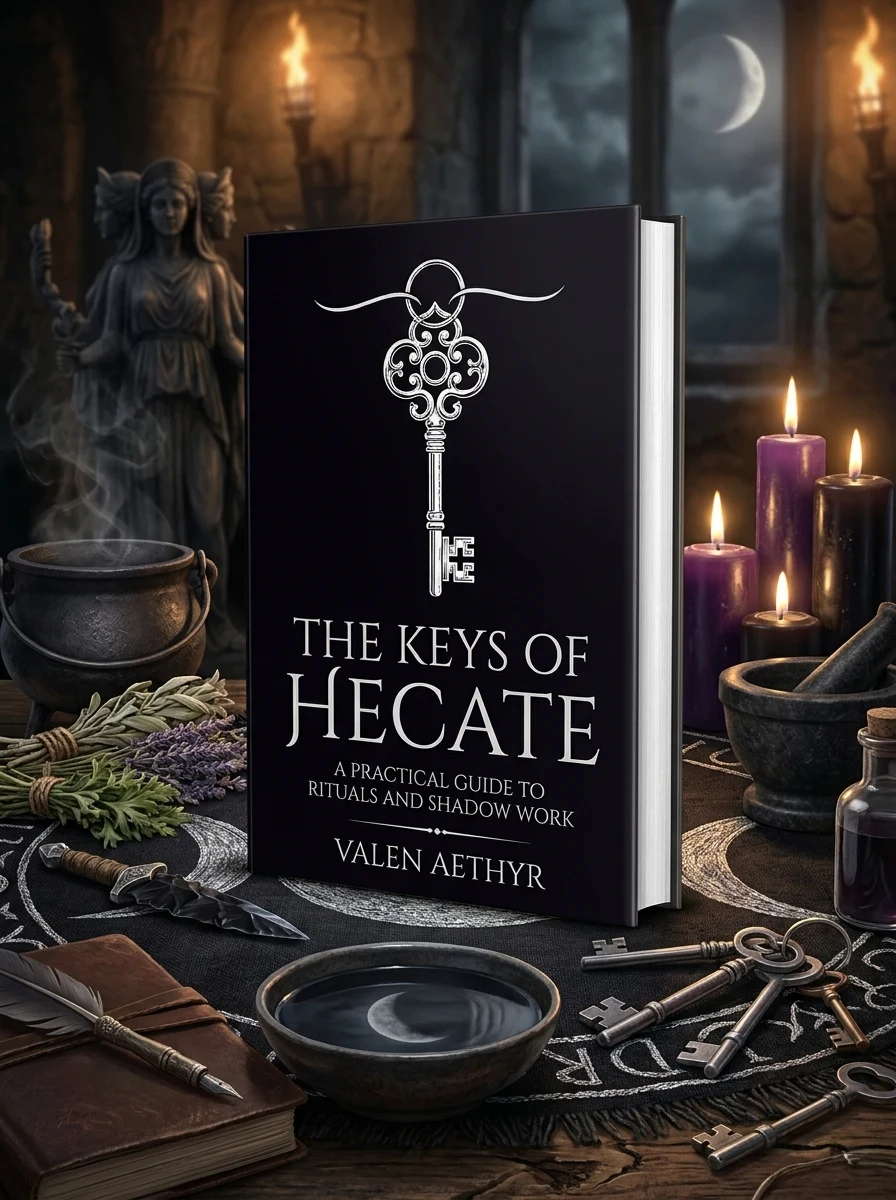
3. The Keys of Hecate - A Practical Guide to Rituals and Shadow Work — Valen Aethyr
If you are looking for discipline over intuition, this is the book. It is a practical manual focusing on spiritual autonomy and inner strength. It is particularly valuable for its approach to shadow work, treating the process as a structured discipline rather than a vague emotional exercise. It fits well within a ceremonial magic framework, emphasizing the importance of the will and the precise execution of ritual to achieve psychological and spiritual results.
Spiritual Mastery and Historical Context
Once the initial connection is established, the next step is often intellectual and spiritual expansion. This involves understanding where Hecate fits into the broader history of magic and how her archetype functions in the process of psychological transformation. To understand Hecate is to understand the nature of the threshold.
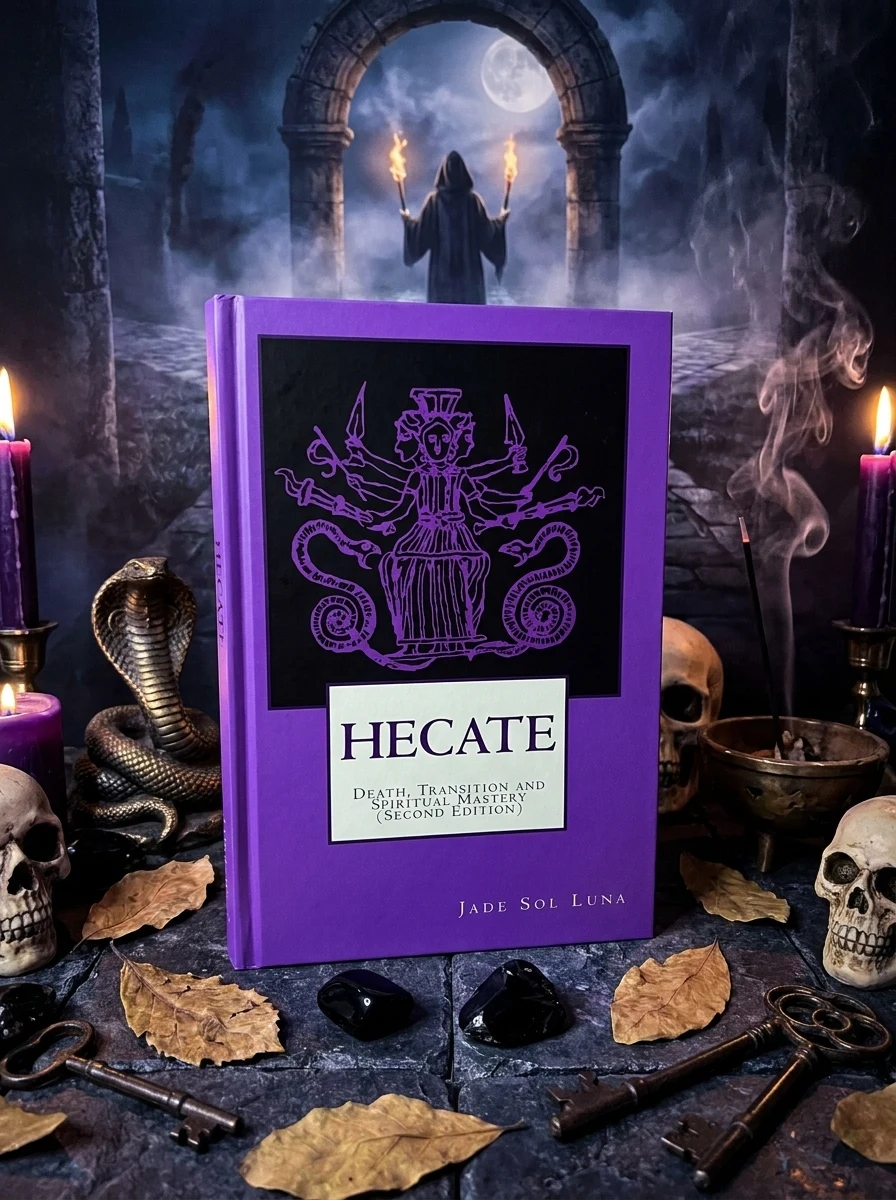
4. Hecate: Death, Transition and Spiritual Mastery (Second Edition) — Jade Sol Luna
This work focuses on the "Dark Mother" aspect of Hecate. It is less about "spells" and more about genuine spiritual transformation. It is highly recommended for those facing the most challenging passages of life—grief, loss, or total identity shifts—where Hecate's role as a guide through the underworld becomes central. Luna provides a path for those who are not afraid to face the void and emerge with a renewed sense of purpose.
5. Hecate - The Goddess of Witchcraft — Gregory Lee White
For the practitioner who wants to understand the historical roots of their craft, this book provides a necessary foundation. It bridges the gap between the ancient deity and the modern magical practice, ensuring that your work is grounded in a historical understanding of the shadowed paths. White emphasizes the continuity of the witching tradition, showing how Hecate has remained a constant figure for those working on the fringes of society.
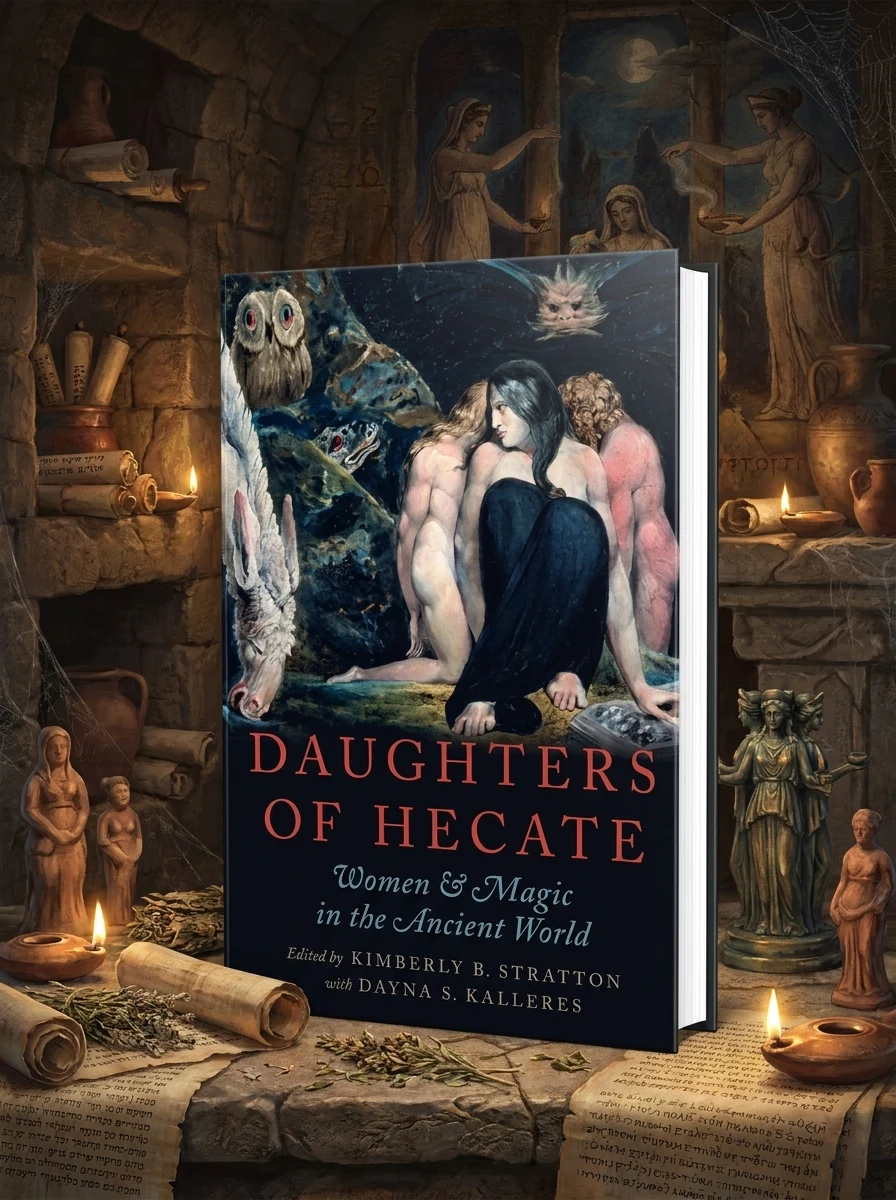
6. Daughters of Hecate: Women and Magic in the Ancient World — Kimberly B. Stratton and Dayna S. Kalleres
This is a more academic volume, but it is indispensable for the serious scholar. It examines the intersection of religion, gender, and magic in antiquity. By understanding the actual roles of women in the ancient world, the reader gains a far more authentic perspective on Hecate than any modern handbook can provide. It strips away the romanticized notions of the "witch" and replaces them with the historical reality of the female practitioner in the Greco-Roman world.
Expanding the Occult Library: Complementary Studies
A devotee of Hecate should not limit their reading to books specifically titled after the Goddess. Because Hecate governs the crossroads, the underworld, and the laws of magic, her study naturally extends into other esoteric disciplines. To truly understand the forces Hecate commands, one must look at the broader history of the occult and the psychological mechanisms of the shadow.
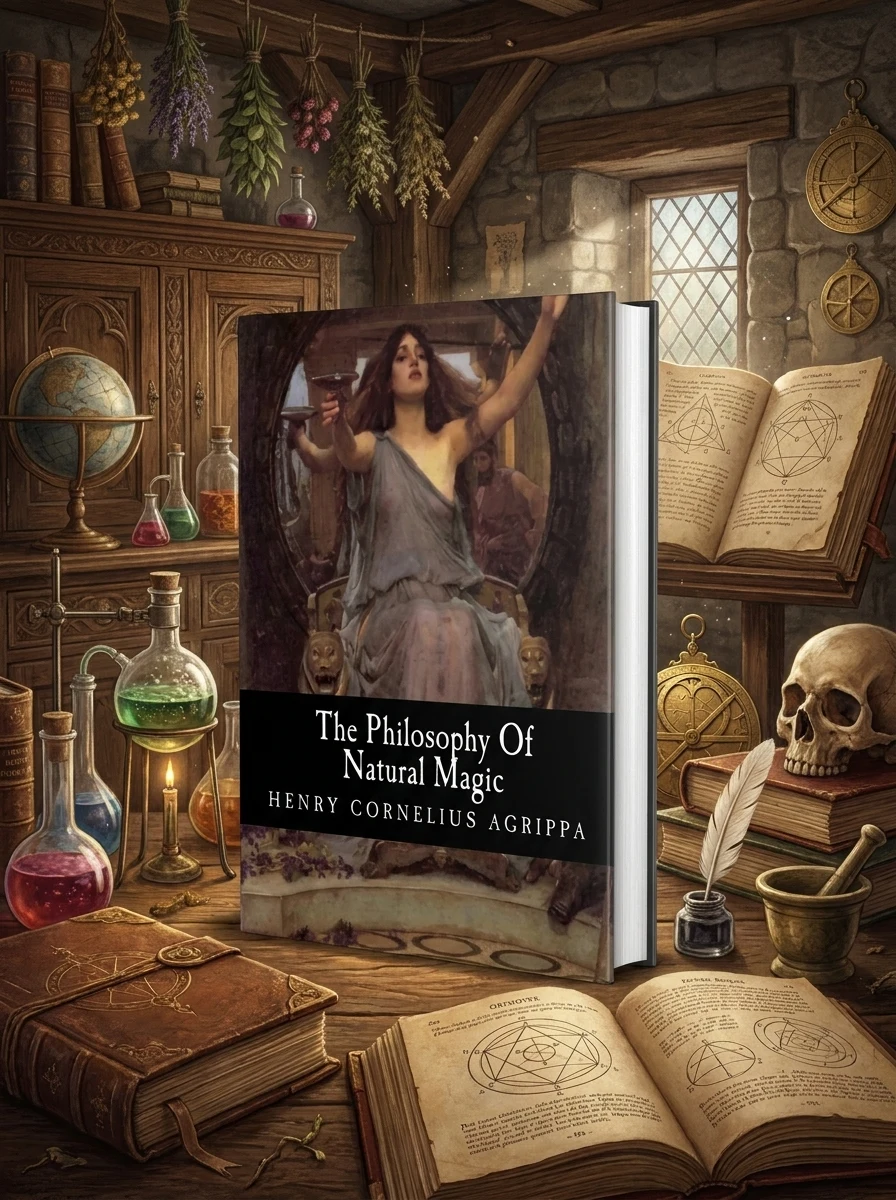
7. The Philosophy Of Natural Magic — Henry Cornelius Agrippa
To understand the theoretical underpinnings of the magic Hecate presides over, one must look to the foundations of Western occultism. Agrippa's work provides the philosophical framework for how the physical and spiritual worlds interact. For a Hecate devotee, this provides the intellectual rigor necessary to move beyond simple ritual and into a sophisticated understanding of natural and celestial influences.
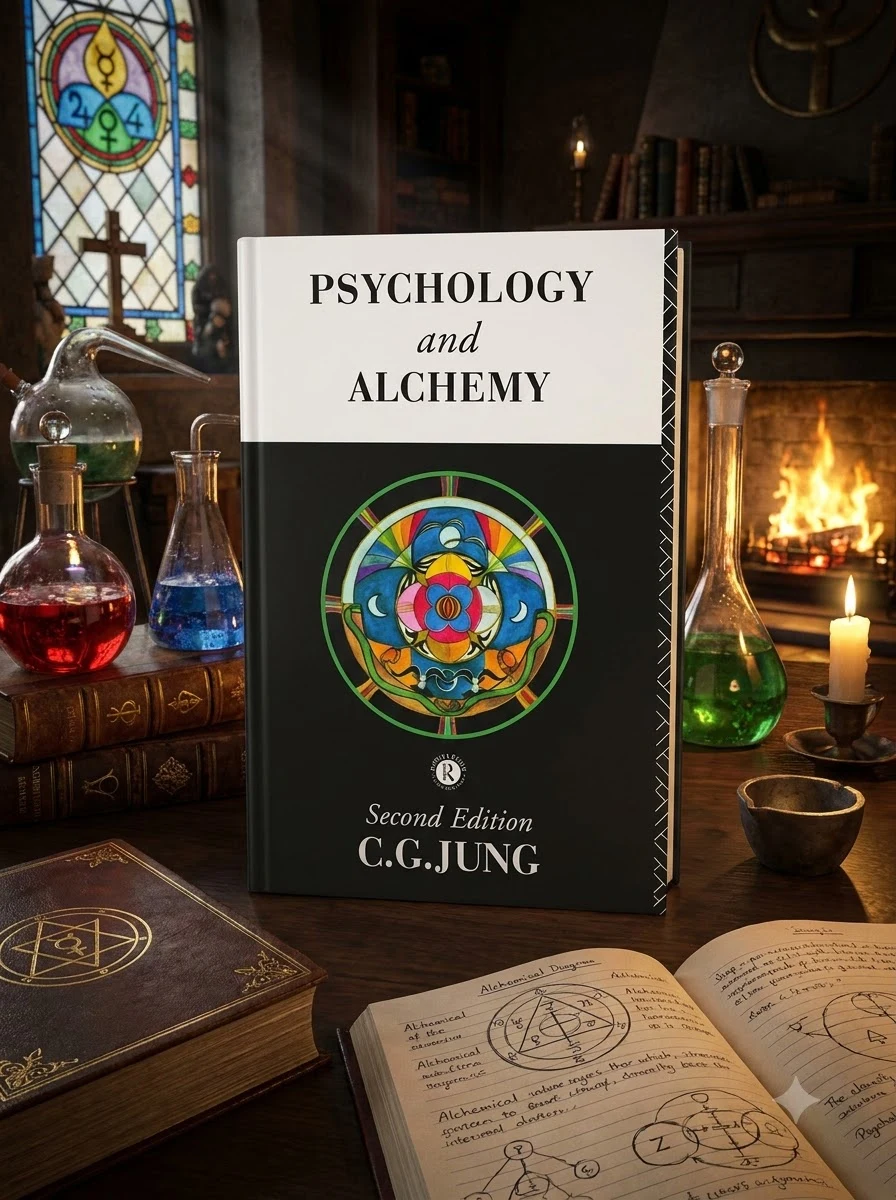
8. Psychology and Alchemy — C.G. Jung
Hecate is the archetype of the shadow and the guide through the unconscious. Jung's work on alchemy is not merely about turning lead into gold, but about the transformation of the self. By studying the symbolic language of alchemy, the practitioner can better understand the internal process of "descending" into the darkness to find the light—a process that mirrors Hecate's guidance through the underworld.
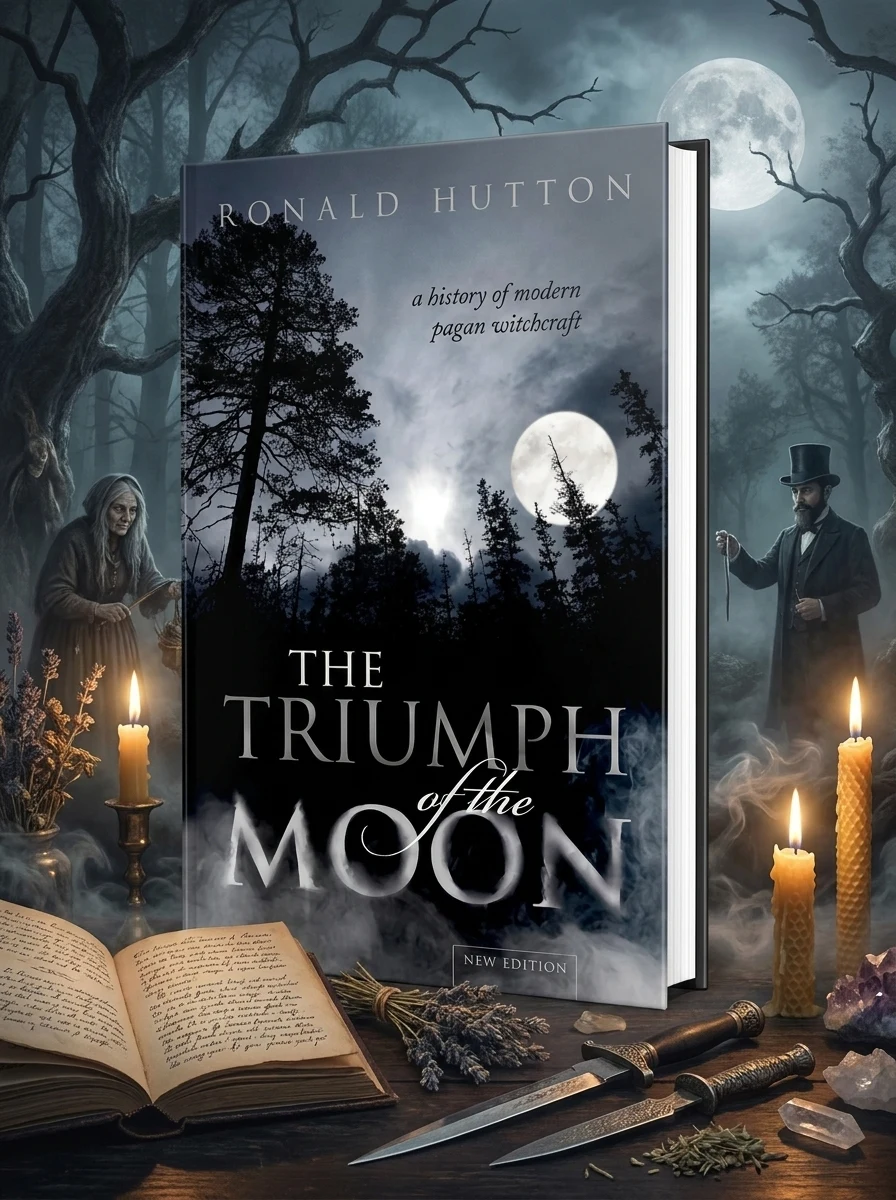
9. The Triumph of the Moon: A History of Modern Pagan Witchcraft — Ronald Hutton
To avoid the trap of believing that modern witchcraft is an unbroken chain from antiquity, one must read Ronald Hutton. His meticulous research provides a clear-eyed look at how modern paganism evolved. This is essential for the Hecate practitioner who wishes to distinguish between genuine ancient tradition and the creative reconstructions of the 19th and 20th centuries.
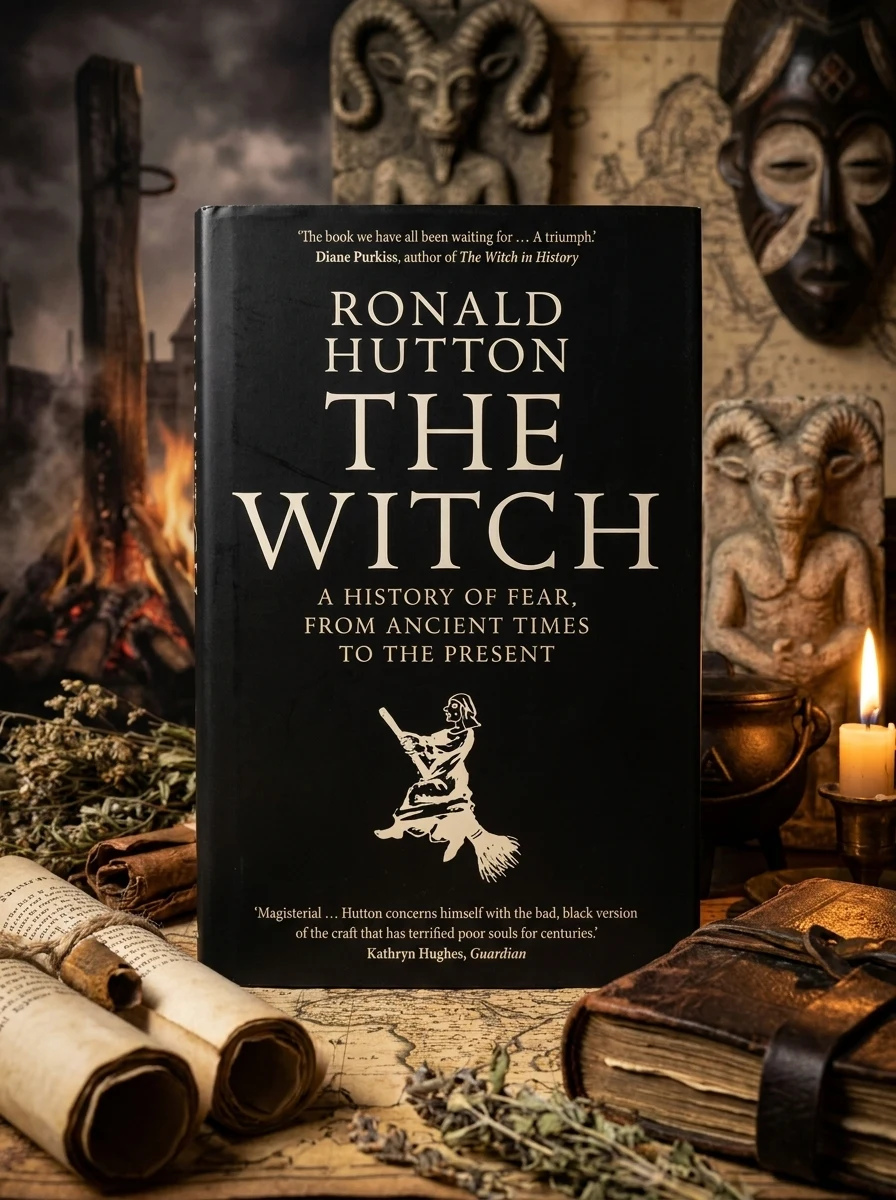
10. The Witch: A History of Fear, from Ancient Times to the Present — Ronald Hutton
Hecate has often been the figurehead for the "witch" archetype, a figure associated with fear and social exclusion. Hutton's exploration of the history of fear provides a necessary sociological context. Understanding why the figure of the witch became a target of persecution helps the modern practitioner reclaim the archetype of the Hecatean witch from a place of strength and historical awareness.
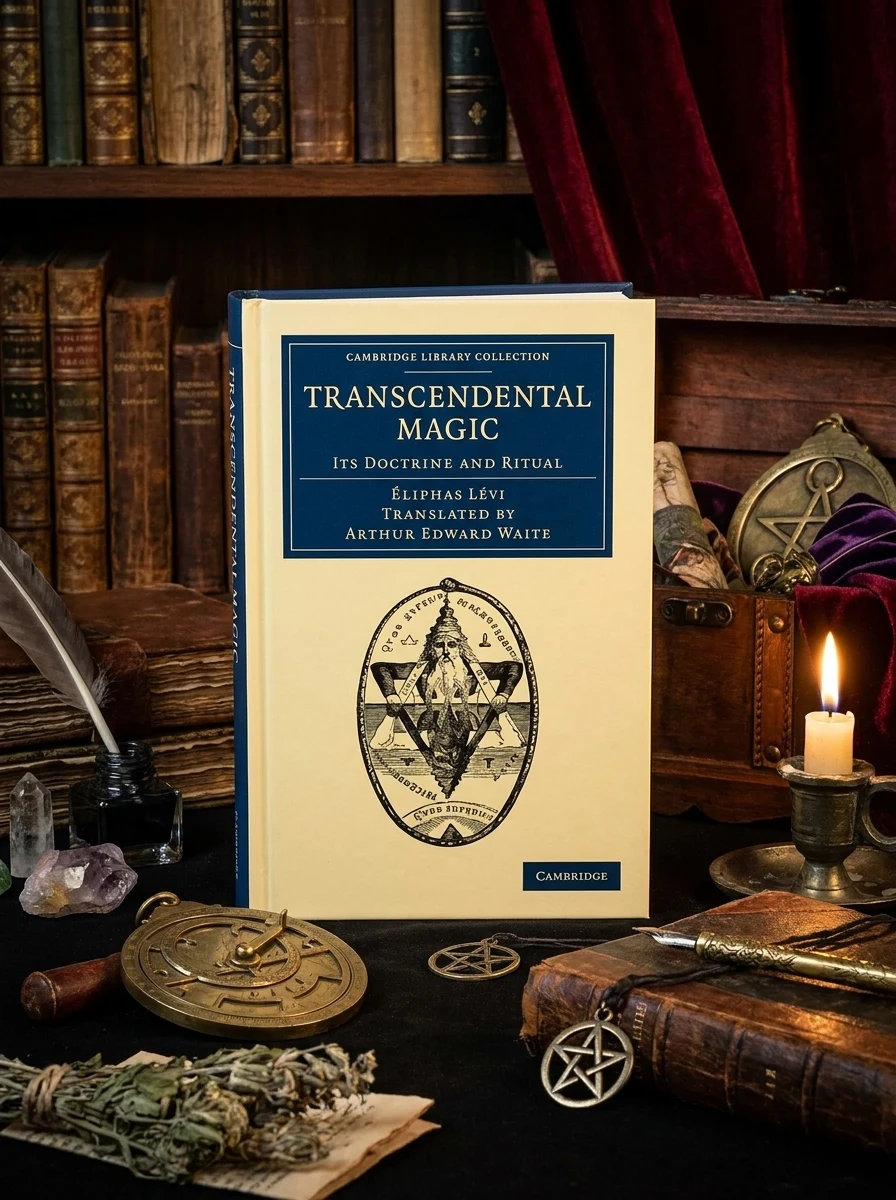
11. Transcendental Magic: Its Doctrine and Ritual — Eliphas L VI
For those who wish to integrate Hecate into a broader system of high magic, Eliphas Levi provides the theoretical backbone. His work on the will and the equilibrium of forces is highly relevant to the balance Hecate maintains at the crossroads. This text is for the serious practitioner who seeks a disciplined approach to the occult arts.
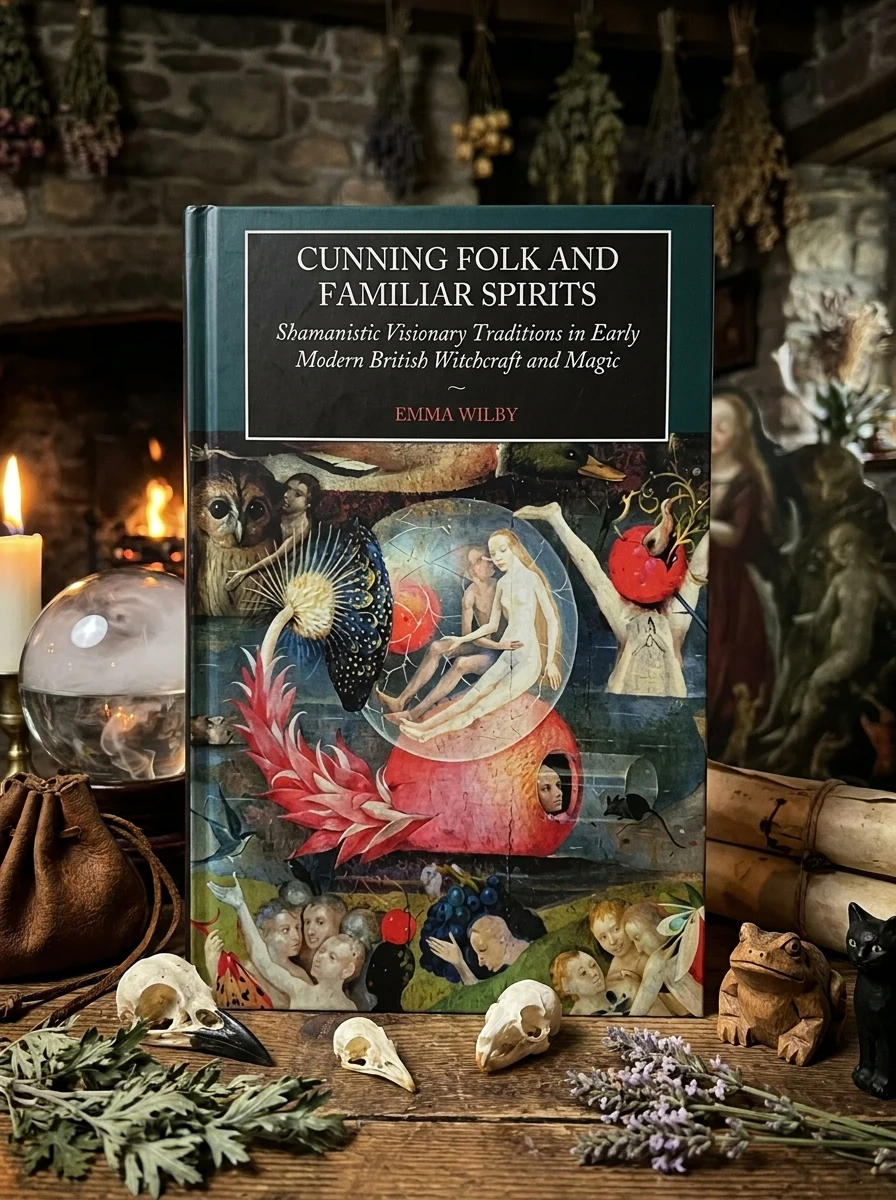
12. Cunning Folk and Familiar Spirits — Emma Wilby
Hecate's association with animals and spirits finds a historical parallel in the tradition of the cunning folk. Emma Wilby's research into the folklore of early modern Britain offers a glimpse into how folk magic actually operated on the ground. This complements the study of Hecate by showing how the "marginal" practitioner has historically interacted with the spirit world to provide healing and protection.
Building Your Hecatean Library
Selecting the right book depends entirely on where you are in your process. If you are in a state of crisis or major life change, start with Jade Sol Luna or Courtney Weber; they address the emotional and transitional weight of Hecate's energy. If you are a seasoned practitioner looking to add rigor to your altar work, Valen Aethyr's guide to rituals and shadow work is the most logical choice.
For those who find themselves questioning the validity of modern paganism, we suggest pairing these devotional texts with a historical anchor. Reading Stratton and Kalleres alongside a ritual guide prevents the practice from becoming a caricature and instead turns it into a living tradition. The inclusion of works by Ronald Hutton and C.G. Jung ensures that the practitioner is not operating in a vacuum, but is instead aware of the historical and psychological currents that shape their experience.
Remember that Hecate is the Goddess of the Crossroads—your reading list should reflect that by combining the practical, the spiritual, and the historical. By diversifying your sources, you ensure that your relationship with the Goddess is not based on a single, potentially skewed perspective, but on a comprehensive understanding of her role across different eras and disciplines. This holistic approach is the only way to truly honor the complexity of the Queen of Witches.