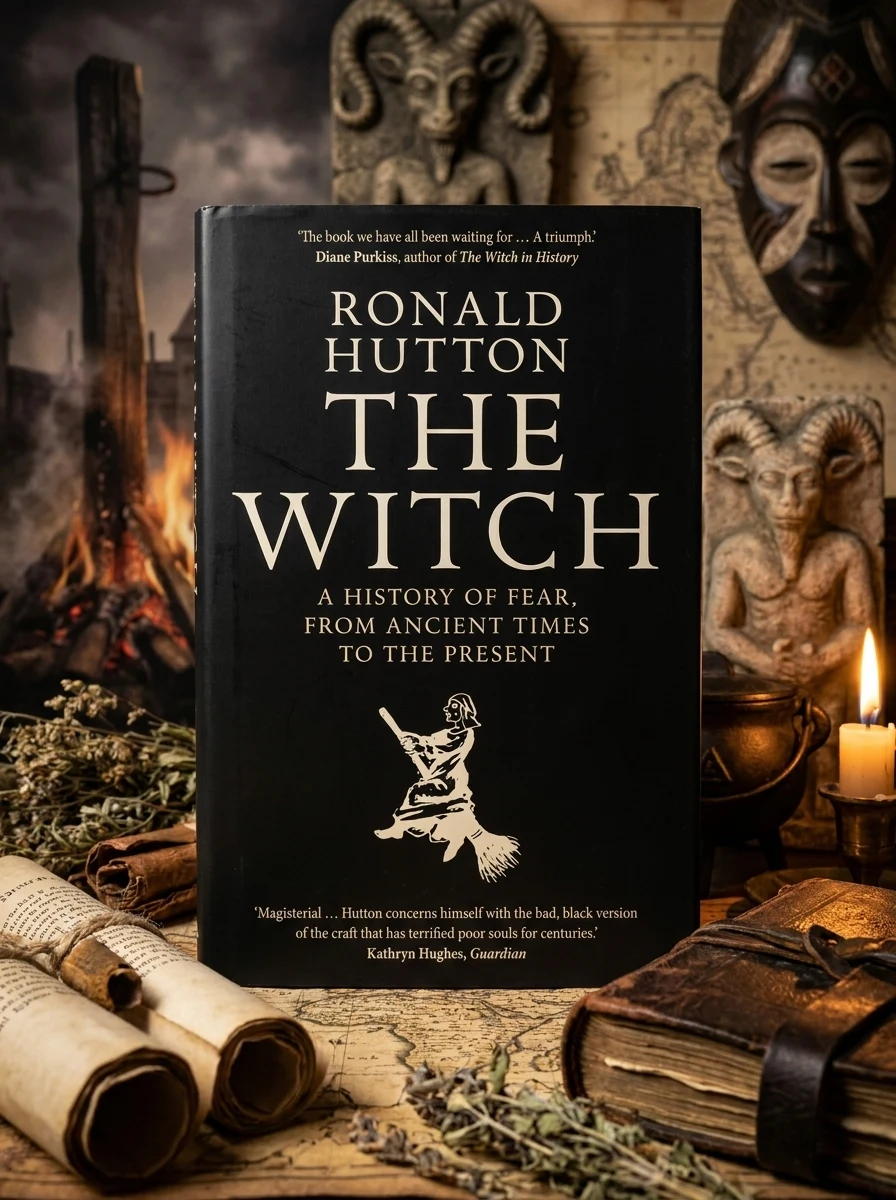
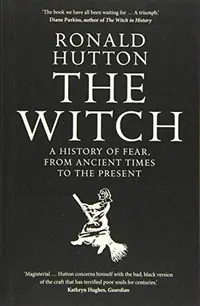
The Witch: A History of Fear, from Ancient Times to the Present
Hutton, Ronald

Stock reported in the catalog; fulfillment is confirmed with your request.
Unravel the universal fear of the witch, spanning millennia and continents.
Ronald Hutton masterfully deconstructs the pervasive figure of the witch, moving far beyond the well-trodden paths of European witch trials. This landmark work meticulously traces the concept from ancient pagan societies through to contemporary interpretations, encompassing diverse global traditions from Africa to the Americas. Hutton synthesizes Anglo-American and continental scholarship, employing a rich anthropological and ethnographic lens to reveal the deep cultural mechanisms that have shaped beliefs about witchcraft and the treatment of those accused throughout history. It's an essential journey into humanity's shared anxieties and their varied expressions.
This work stands as a seminal contribution to the anthropological and historical study of witchcraft, synthesizing global scholarship to reframe the narrative beyond traditional European-centric accounts.


📝 Description: The Witch: A History of Fear, from Ancient Times to the Present
💎 Expert review
📖 Why choose it
Why this book is worth reading
Readers seeking a profound understanding of the global phenomenon of witchcraft will find immense value in this comprehensive exploration. It is particularly suited for those interested in how cultural anxieties manifest across different societies, from ancient pagan roots to modern interpretations. By moving beyond the narrow focus on European trials, Hutton reveals the universal mechanisms behind fear and accusation. Scholars, students of anthropology, and anyone fascinated by the sociology of belief will gain a richer perspective on humanity's shared psychological landscape. This book offers a vital correction to common misconceptions, providing a nuanced view that respects diverse traditions while highlighting their interconnectedness in shaping our historical consciousness.
⭐ Reader reviews
Reader rating
Hutton delivers a rigorous academic tour de force that demands patience and intellectual engagement from its audience. While it excels at dismantling Eurocentric myths through broad ethnographic scope, readers seeking a narrative-driven history or personal spiritual guidance will find it lacking. The dense synthesis of Anglo-American and continental scholarship may feel inaccessible to casual browsers looking for quick answers or dramatic tales. It is strictly for those willing to endure complex theoretical frameworks in exchange for deep insight. Consequently, it does not suit readers preferring light, entertaining reads or those expecting a focused guide on contemporary Wiccan practice rather than a broad historical critique.
❓ Frequently asked questions
📖 Who should read this
If you're fascinated by the social construction of fear, the diverse tapestry of global folklore, or the complex history of human belief, this book is for you. It offers a comprehensive, scholarly yet accessible, exploration that redefines our understanding of witchcraft.
🎯 Key themes and symbolism
Global Witchcraft Origins
This book dramatically expands the geographical and historical understanding of witchcraft, demonstrating that its roots are not confined to early modern Europe. Hutton explores how similar beliefs and societal responses emerged independently across vastly different cultures and time periods, revealing a universal human tendency to attribute misfortune to malevolent magic.
Cultural Fear Mechanisms
Dive into the intricate ways societies construct and react to fear surrounding witchcraft. Hutton examines the anthropological and social contexts that fueled accusations and persecutions, illustrating how cultural norms, social anxieties, and power structures often converged to identify and punish perceived practitioners of dark arts across various civilizations.
Historiographical Evolution
Witness the development of scholarly thought on witchcraft over time. The book meticulously outlines how historians and anthropologists have approached, interpreted, and reinterpreted the phenomenon of witchcraft, highlighting key academic debates and methodologies that have shaped our current understanding, bridging distinct scholarly traditions.
💬 Quotes from the book
“The persistent shadow of the witch across disparate cultures speaks less to a single malevolent force and more to a profound human need to categorize and confront inexplicable misfortune.”
“To truly comprehend the witch hunts of Europe, one must first grasp the broader global tapestry of similar accusations, for the patterns often echo across vast cultural divides.”
📜 Historical context
📚 Glossary
- Historiography
- Ethnography
- Early Modern Europe
📔 Questions to reflect on
- How do the cultural fear mechanisms described in the book resonate with contemporary societal anxieties or scapegoating phenomena you observe today?
- Reflect on how your own understanding of 'the witch' was shaped before reading this book, and how Hutton's global perspective has broadened or challenged that perception.
- Consider the role of 'the other' in various cultures' construction of witchcraft beliefs. How does the book illustrate the societal implications of defining and fearing those outside established norms?
✍️ More books by this author Hutton, Ronald
All books by this author →
🏛 Books from this publisher Yale University Press
All books from this publisher →

You might also like
See more →