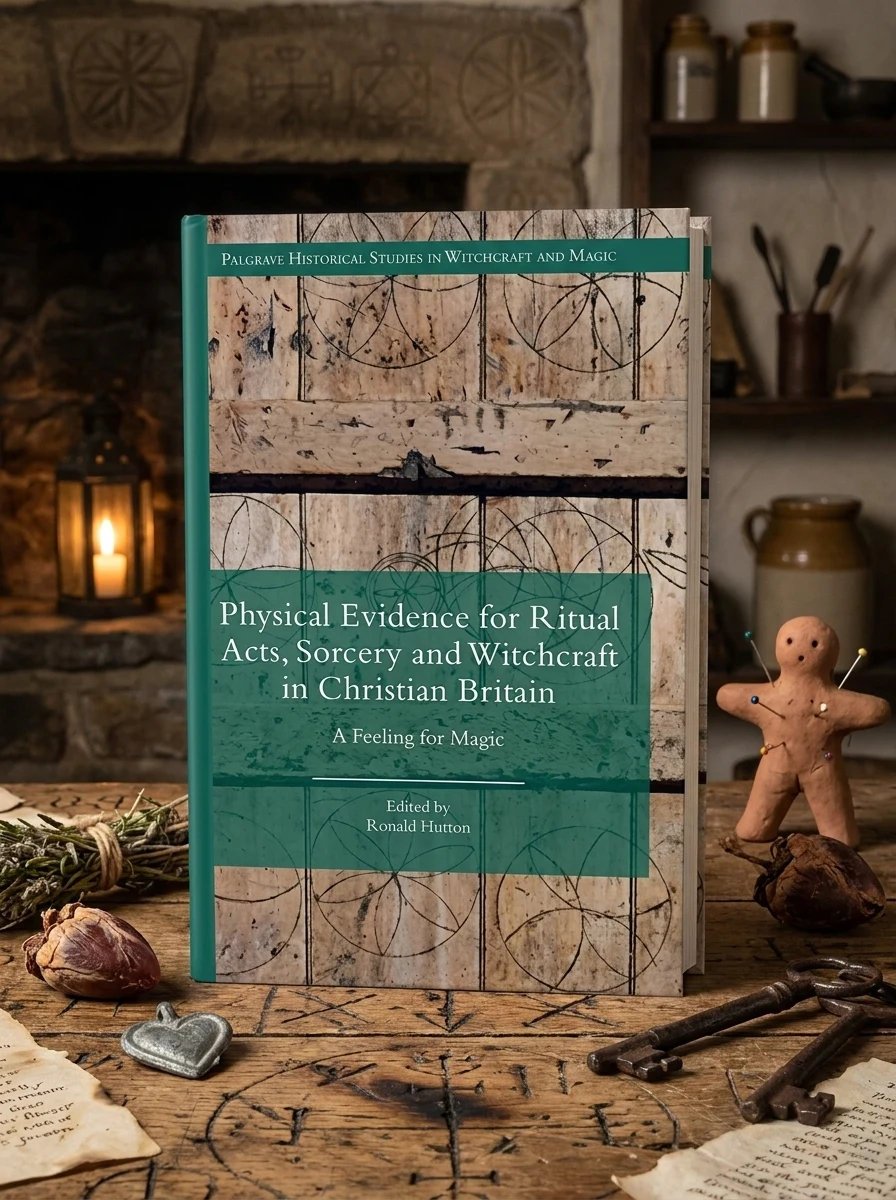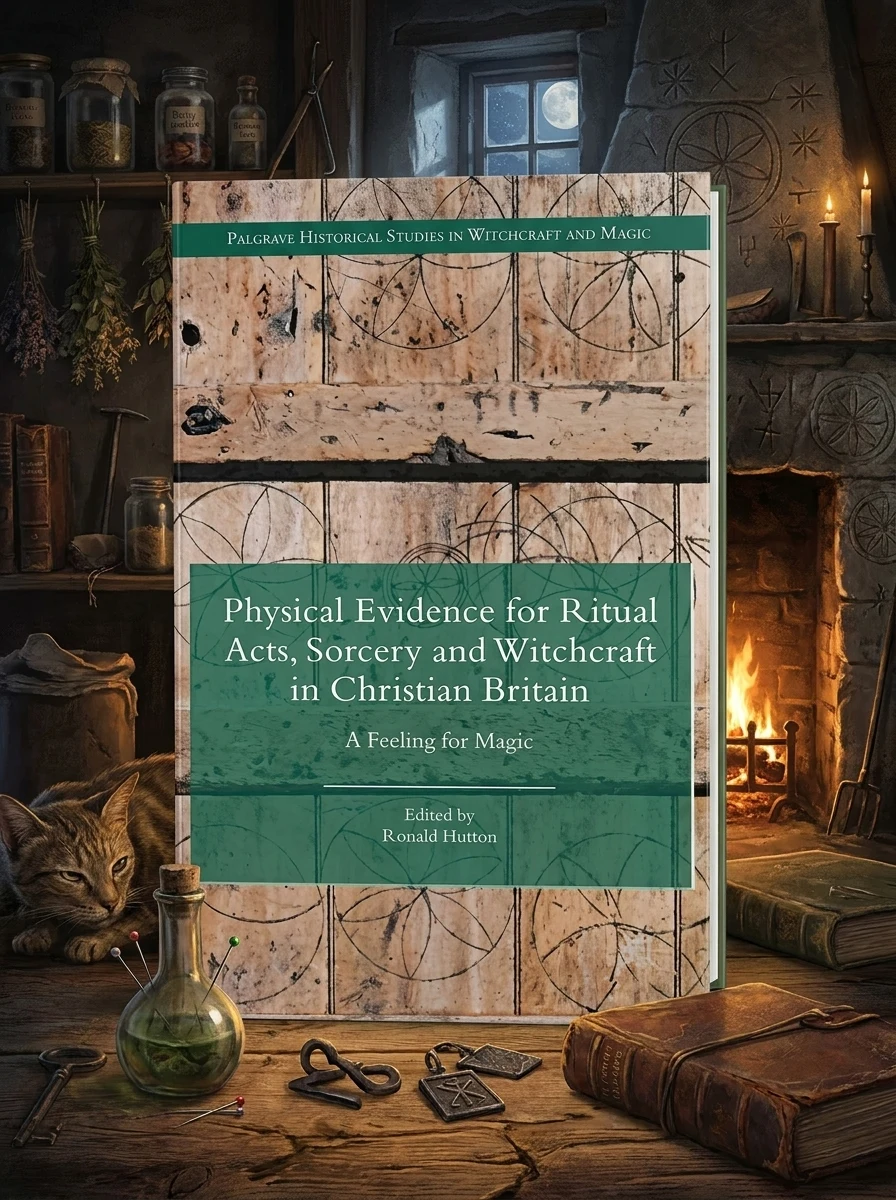
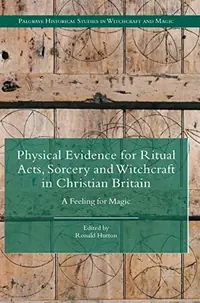
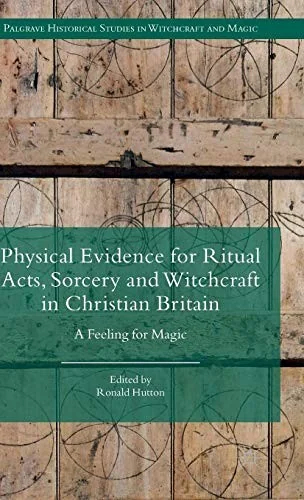
Physical Evidence for Ritual Acts, Sorcery and Witchcraft in Christian Britain: A Feeling for Magic (2015) Hutton, Ronald
Hutton, Ronald 86
86
 Editorial score
How we rate
Editorial score
How we rate
Stock reported in the catalog; fulfillment is confirmed with your request.
Unearthing the tangible remnants of magic's enduring legacy in British history.
Ronald Hutton's expertly curated volume, "Physical Evidence for Ritual Acts, Sorcery and Witchcraft in Christian Britain," meticulously excavates the concrete artifacts left by magical practices from the medieval period through the modern era. This authoritative collection features contributions from leading specialists, shedding light on the often-overlooked material culture of British magic. It scrutinizes everything from protective marks etched into structures to hidden charms and specialized ritual implements, presenting a compelling case for the profound influence of magical beliefs on societal development and daily life, thereby challenging conventional historical narratives.
This volume sits firmly within the historiography of Western esotericism and material culture studies, bridging medieval folklore with modern occult history. It contributes to the scholarly discourse on how tangible artifacts inform our understanding of magical practices in Christian Britain.


📝 Description: Physical Evidence for Ritual Acts, Sorcery and Witchcraft in Christian Britain: A Feeling for Magic (2015) Hutton, Ronald
💎 Expert review
📖 Why choose it
Why this book is worth reading
Scholars, historians of religion, and serious students of esoteric traditions will find immense value in this meticulous excavation of Britain's magical material culture. Ronald Hutton gathers leading specialists to present a compelling case for the profound influence of magical beliefs on daily life and societal development. Readers seeking to move beyond textual analysis into the realm of physical evidence—such as protective marks, hidden charms, and ritual implements—will appreciate how this work challenges conventional historical narratives. It offers a rare, grounded perspective on the enduring legacy of sorcery and witchcraft, making it essential for those who wish to understand the tangible remnants of magic that have shaped British history from the medieval period through the modern era.
⭐ Reader reviews
Reader rating
This authoritative collection is a significant contribution to the study of British magical history, offering rigorous academic insight into overlooked material culture. However, it is strictly an academic volume intended for researchers and serious enthusiasts comfortable with dense historiographical analysis. It does not suit casual readers seeking narrative thrillers or practical grimoires. Those expecting accessible, story-driven accounts of witch trials without scholarly apparatus may find the tone dry and the focus on artifacts less engaging than expected. It is a vital resource for understanding the physicality of magic but demands patience and a specific intellectual interest in material history rather than supernatural spectacle.
❓ Frequently asked questions
📖 Who should read this
If you are fascinated by the tangible traces of occult practices and wish to deepen your understanding of how magic permeated daily life in historic Britain, this book is for you. Scholars and serious enthusiasts of folklore, archaeology, and social history will find it an indispensable resource.
🎯 Key themes and symbolism
Material Culture of Magic
This theme explores the physical manifestation of magical beliefs, from apotropaic symbols etched into stone to concealed household charms. The book reveals how these tangible objects and markings served not merely as superstitious trinkets but as active components of a living magical tradition, integrated deeply into the fabric of daily life across centuries, offering vital insights into historical practice.
Reinterpreting British History
The contributors collectively argue that the sheer volume of physical magical evidence necessitates a re-evaluation of Britain's past. By bringing these often-ignored artifacts to the forefront, the book demonstrates how pervasive magical thought and practice truly were, demanding that historians acknowledge its fundamental role in shaping social structures, religious beliefs, and everyday activities throughout various periods.
Interdisciplinary Archaeological Insights
This work exemplifies an interdisciplinary approach, drawing on archaeology, folklore studies, and social history to present a comprehensive picture. It highlights how archaeological discoveries, when properly interpreted through the lens of historical context and magical belief, can unlock deeper understandings of human behavior and cultural nuances that textual records alone might overlook, enriching our view of the past.
💬 Quotes from the book
“The enduring presence of ritual marks and concealed objects demands a re-evaluation of the perceived secularity of pre-modern life.”
“These archaeological discoveries do not merely illustrate belief; they embody active engagement with a world perceived as inherently enchanted.”
📜 Historical context
📚 Glossary
- Ritual Marks
- Concealed Objects
- Amulets
📔 Questions to reflect on
- Reflect on how the presence of physical magical artifacts might alter your understanding of 'superstition' versus 'religion' in historical contexts.
- Consider what modern-day objects or practices might be interpreted as 'magical evidence' by future archaeologists studying our own era.
- How does focusing on tangible evidence, rather than written accounts, change our perspective on the lives and beliefs of common people in the past?
📖 From the series “Palgrave Historical Studies in Witchcraft and Magic”
All books in the series →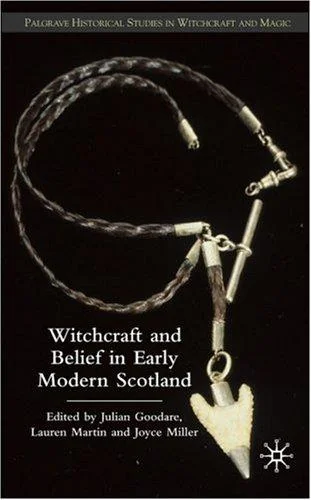
✍️ More books by this author Hutton, Ronald
All books by this author →
🏛 Books from this publisher Palgrave MacMillan
All books from this publisher →
You might also like
See more →