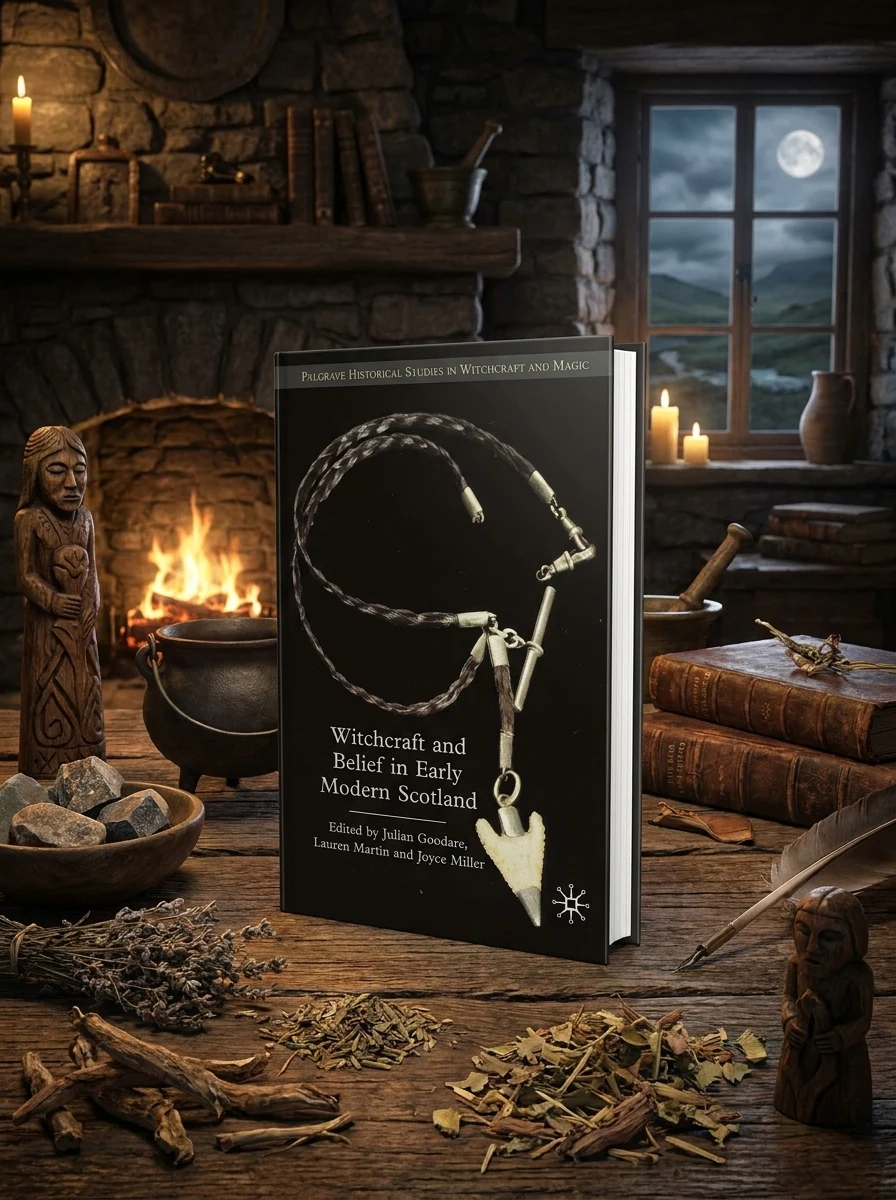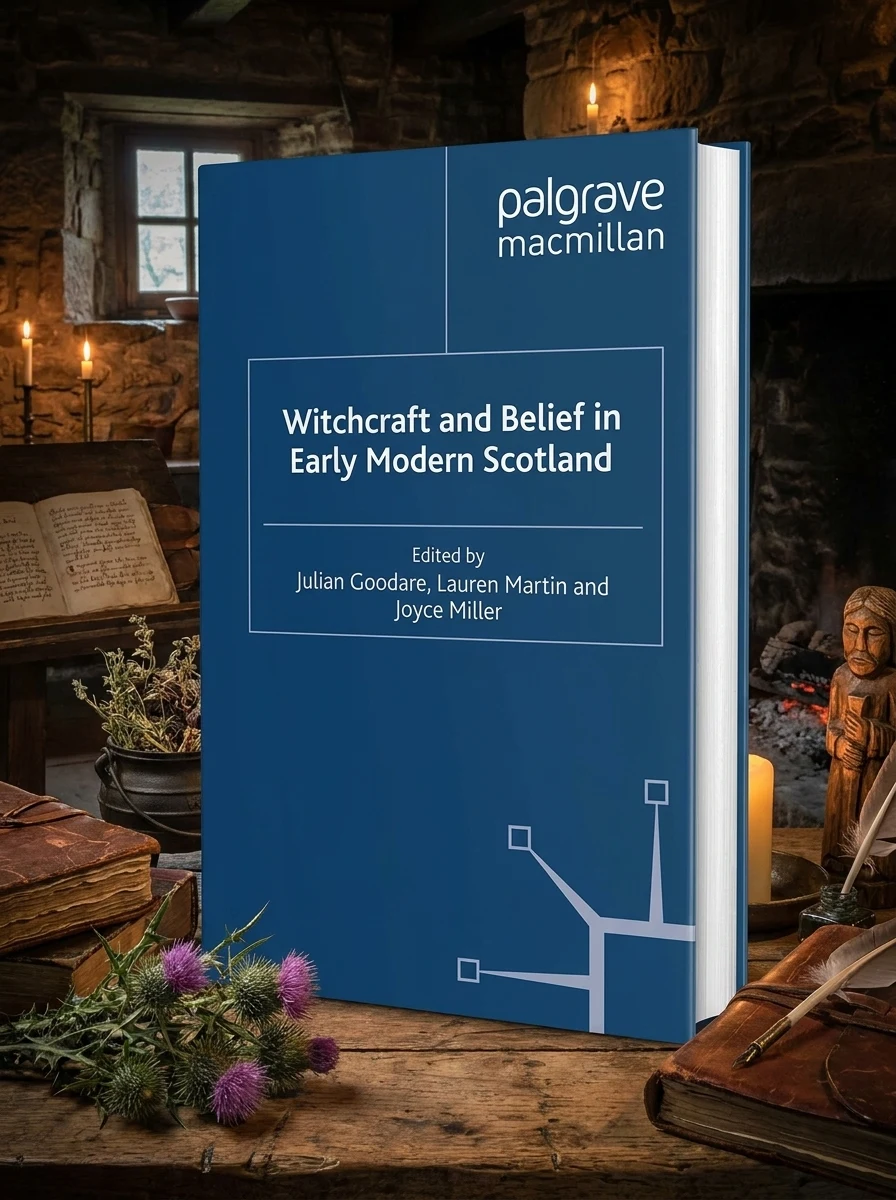
Witchcraft and Belief in Early Modern Scotland (2008) Goodare, J
Goodare, J; , Martin, L; , Miller J 85
85
 Editorial score
How we rate
Editorial score
How we rate
Stock reported in the catalog; fulfillment is confirmed with your request.
Unearth the forgotten beliefs that shaped early modern Scottish magic.
This groundbreaking collection pivots the study of early modern Scottish witchcraft from mere persecution narratives to the intricate tapestry of belief itself. It offers a rich exploration of how popular superstitions, societal rituals, and intellectual currents converged to define the era's understanding of magic and the occult. Moving beyond legal proceedings, the essays delve into the lived experience of these beliefs, demonstrating their pervasive influence on culture, daily life, and regional variations across Scotland, providing a nuanced and comprehensive historical perspective.
This volume situates itself within the historiography of early modern European witchcraft, specifically shifting focus from legal persecution to the underlying cultural and intellectual frameworks of belief in Scotland.


📝 Description: Witchcraft and Belief in Early Modern Scotland (2008) Goodare, J
💎 Expert review
📖 Why choose it
Why this book is worth reading
Scholars and serious enthusiasts of esoteric history will find this collection indispensable for its nuanced approach to early modern Scottish magic. By moving beyond standard persecution narratives, the essays reveal how popular superstitions, societal rituals, and intellectual currents converged to define the era's understanding of the occult. Readers seeking a comprehensive historical perspective on the lived experience of these beliefs, rather than just legal outcomes, will gain profound insight into their pervasive influence on daily life and regional variations across Scotland.
⭐ Reader reviews
Reader rating
Goodare and Martin offer a rigorous academic pivot in witchcraft studies, emphasizing the intricate tapestry of belief over mere victimhood. This scholarly depth makes it an essential resource for historians but likely dense for casual readers or those seeking narrative-driven accounts of trials. It is not suited for individuals looking for practical magical instruction or simple biographical sketches of individual witches. The focus on intellectual currents and societal structures may feel dry to those preferring dramatic storytelling, yet it provides a necessary, nuanced correction to previous historical oversimplifications.
❓ Frequently asked questions
📖 Who should read this
If you're drawn to the nuanced historical analysis of magic and seek to understand the *why* behind early modern fears and fascinations, rather than just the *what*, this book offers profound insights. It's for those who appreciate a deeper dive into the cultural and intellectual fabric of the past.
🎯 Key themes and symbolism
Popular Belief Systems
This volume illuminates how everyday people in early modern Scotland understood and interacted with the unseen world. It examines the common folk beliefs, superstitions, and anxieties that gave shape and meaning to witchcraft within communities, offering a perspective distinct from institutional or legal interpretations.
Cultural & Ritual Practices
The book explores the practical applications of magical belief, detailing the various charms, folk remedies, and rituals prevalent in Scottish society. It uncovers how these practices were integrated into daily life, reflecting the era's understanding of health, fortune, and protection against perceived malevolent forces.
Intellectual Currents
Beyond common folkways, the collection delves into how scholars, theologians, and thinkers of the period conceptualized witchcraft. It investigates the blending of religious doctrine, emerging scientific thought, and enduring philosophical traditions that formed the intellectual framework for understanding magical phenomena.
💬 Quotes from the book
“The true horror of witchcraft in this era lay not merely in its perceived reality, but in the pervasive cultural narratives that gave it form and function within daily life.”
“Understanding the Scottish witch requires an intimate knowledge of local charms, community anxieties, and the specific theological anxieties of a Calvinist nation.”
📜 Historical context
📚 Glossary
- Early Modern
- Witchcraft
- Esoteric
📔 Questions to reflect on
- How might our modern understanding of 'belief' differ from that of early modern Scots, particularly concerning the unseen world and its influence on daily life?
- Consider a contemporary belief system or cultural practice that, from an outsider's perspective, might seem irrational. How does this book help us understand the internal logic and social function of such systems?
- If you lived in early modern Scotland, how do you imagine your own daily life would be shaped by the pervasive belief in witchcraft and magic, and what rituals might you adopt?
📖 From the series “Palgrave Historical Studies in Witchcraft and Magic”
All books in the series →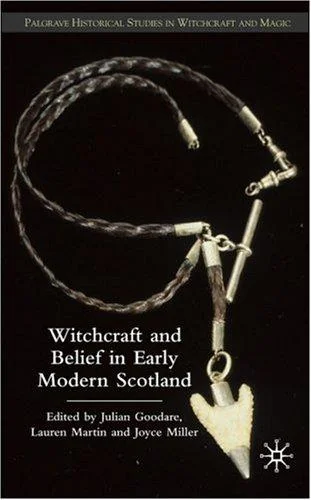
✍️ More books by this author Goodare, J; , Martin, L; , Miller J
All books by this author →🏛 Books from this publisher Palgrave MacMillan
All books from this publisher →
You might also like
See more →