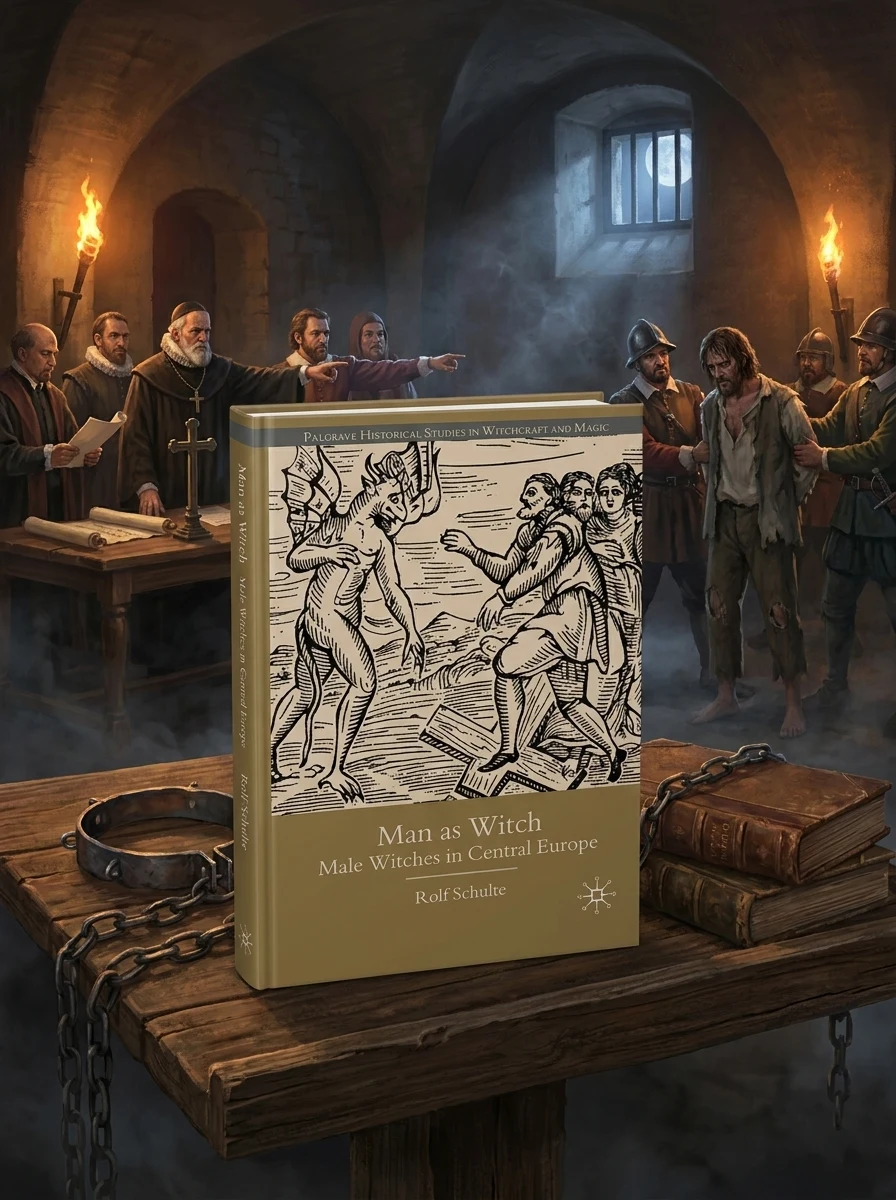
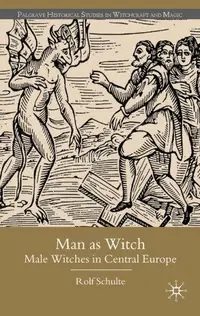
Man as Witch: Male Witches in Central Europe (2009) Schulte, R
 83
83
 Editorial score
How we rate
Editorial score
How we rate
Stock reported in the catalog; fulfillment is confirmed with your request.
Unmasking the forgotten male figures in Europe's fiery witch-hunts.
R. Schulte's groundbreaking work meticulously re-examines the early modern witch trials, revealing a seldom-acknowledged truth: men were frequently accused, tried, and executed as witches. This scholarly study dismantles the pervasive myth that witchcraft persecutions were exclusively, or even predominantly, a female phenomenon. By focusing on French and German-speaking regions, Schulte delves into the specific circumstances surrounding male accusations, offering a nuanced understanding of gender, power, and fear in Central European society during a tumultuous historical period. It's an essential read for those seeking a more complete picture of this dark chapter.
This scholarly work belongs to the tradition of early modern historical revisionism within European occult studies. It challenges traditional narratives of the Central European witch-hunts by examining the gendered dynamics of persecution in French and German-speaking regions.


📝 Description: Man as Witch: Male Witches in Central Europe (2009) Schulte, R
💎 Expert review
📖 Why choose it
Why this book is worth reading
Readers seeking a comprehensive understanding of the early modern period will find immense value in Schulte’s meticulous re-examination. This book is essential for those willing to dismantle the pervasive myth that witchcraft persecutions were exclusively female phenomena. By focusing on Central Europe, it offers a nuanced view of gender, power, and societal fear. Scholars, historians, and serious students of esoteric history will gain a more complete picture of this dark chapter. It appeals to anyone interested in how male figures were accused, tried, and executed, providing critical insight into the complex social structures that fueled these events. This work enriches the broader discourse on witchcraft by highlighting forgotten male victims.
⭐ Reader reviews
Reader rating
Schulte presents a groundbreaking, albeit dense, scholarly study that effectively dismantles the notion of exclusively female witch persecution in Central Europe. The text is rigorous and academic, making it an essential resource for historians but potentially dry for casual readers. It does not suit those seeking practical magical instruction or light-hearted historical anecdotes. The focus on French and German-speaking regions may feel narrow to some, though the insights into gender and power dynamics are profound. Readers expecting a narrative-driven account of famous trials may find the analytical approach demanding. However, for those committed to accurate historical revisionism, this work provides necessary corrections to established myths about the fiery witch-hunts.
❓ Frequently asked questions
📖 Who should read this
If you're drawn to challenging historical narratives and wish to deepen your understanding of early modern social history, this book offers an essential, nuanced perspective on witchcraft accusations. It's particularly valuable for scholars and serious students of European history and gender studies.
🎯 Key themes and symbolism
Male Witches' Overlooked Role
Schulte challenges the popular image of a witch, revealing that a significant percentage of those accused and tried during the early modern period were men. This reframing changes our understanding of the persecution's scope and the gendered nature of historical criminalization, proving that one in four alleged witches was male.
Regional Trial Specifics
The book meticulously examines court records and historical documents from French and German-speaking areas of Central Europe. This focused approach offers granular insights into the local variations, legal processes, and unique societal pressures that shaped the witch trials in these distinct linguistic and cultural regions.
Early Modern Persecution
This work situates male witch trials within the broader context of the Early Modern era, exploring the societal anxieties, religious fervor, and evolving legal frameworks that fueled these persecutions. It highlights how these trials were not isolated incidents but products of their complex historical environment.
💬 Quotes from the book
“The historical record, when examined without preconceived gender biases, reveals a significant number of men entangled in the web of witchcraft accusations, challenging simplistic interpretations.”
“Understanding the specific socio-legal mechanisms employed against male defendants provides crucial insight into the broader anxieties and judicial practices of the era.”
📜 Historical context
📚 Glossary
- Witch-hunts
- Early Modern
- Central Europe
📔 Questions to reflect on
- How does recognizing the prevalence of male witches alter your perception of the witch-hunts as a whole, and what new questions does it raise for you?
- What societal factors might have led to men being accused of witchcraft, and how might these differ from or overlap with accusations against women?
- Consider how modern historical narratives might still inadvertently perpetuate gender biases, and what steps can be taken to challenge them in other fields of study.
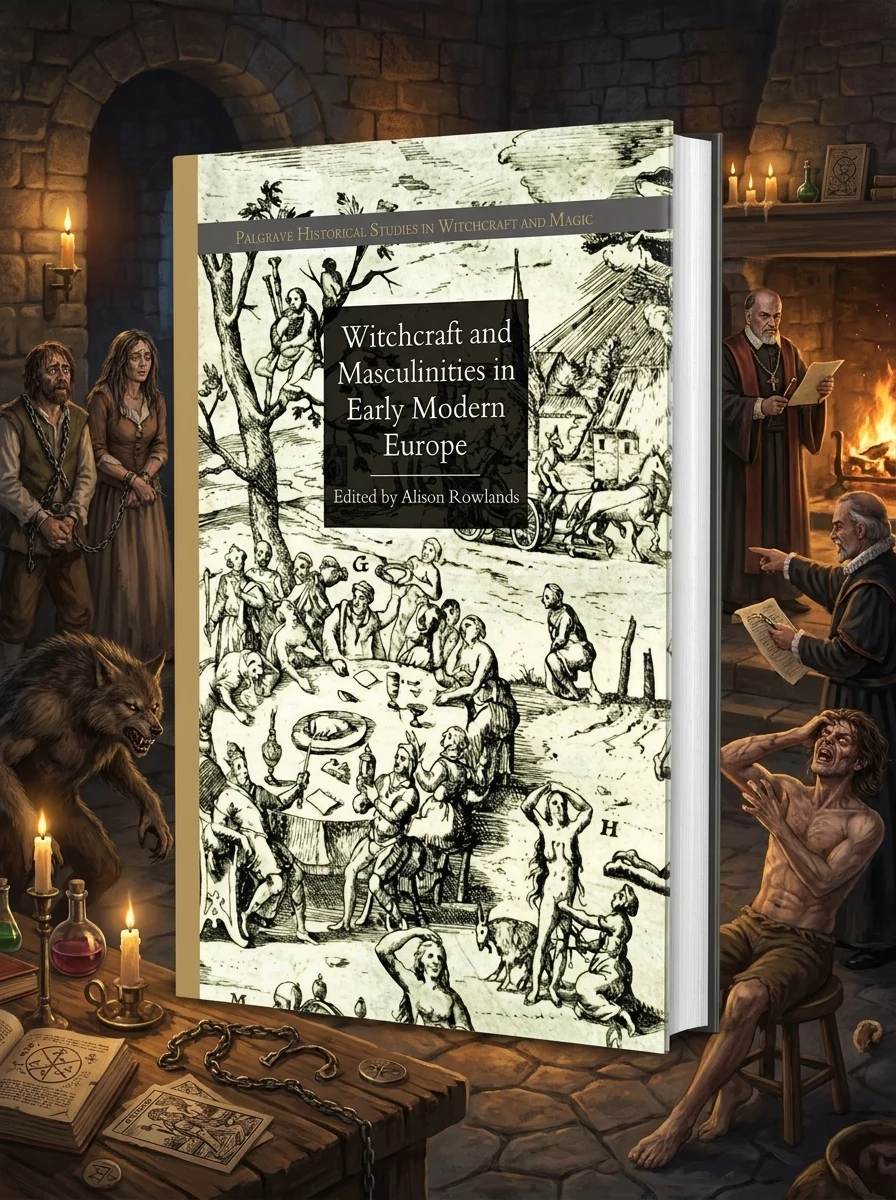
📖 From the series “Palgrave Historical Studies in Witchcraft and Magic”
All books in the series →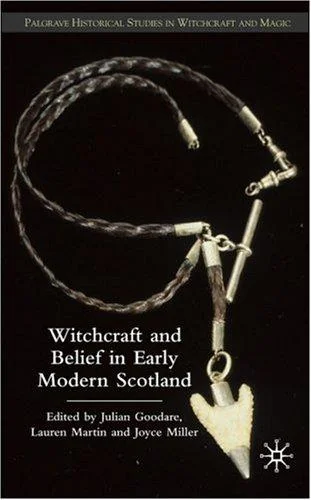
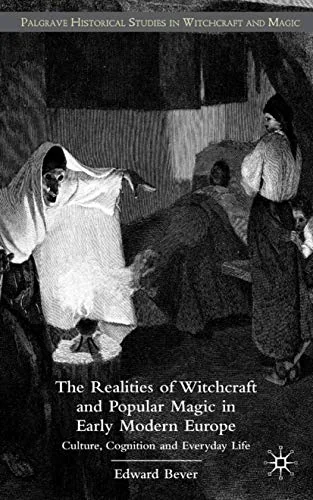
🏛 Books from this publisher Palgrave MacMillan
All books from this publisher →


You might also like
See more →