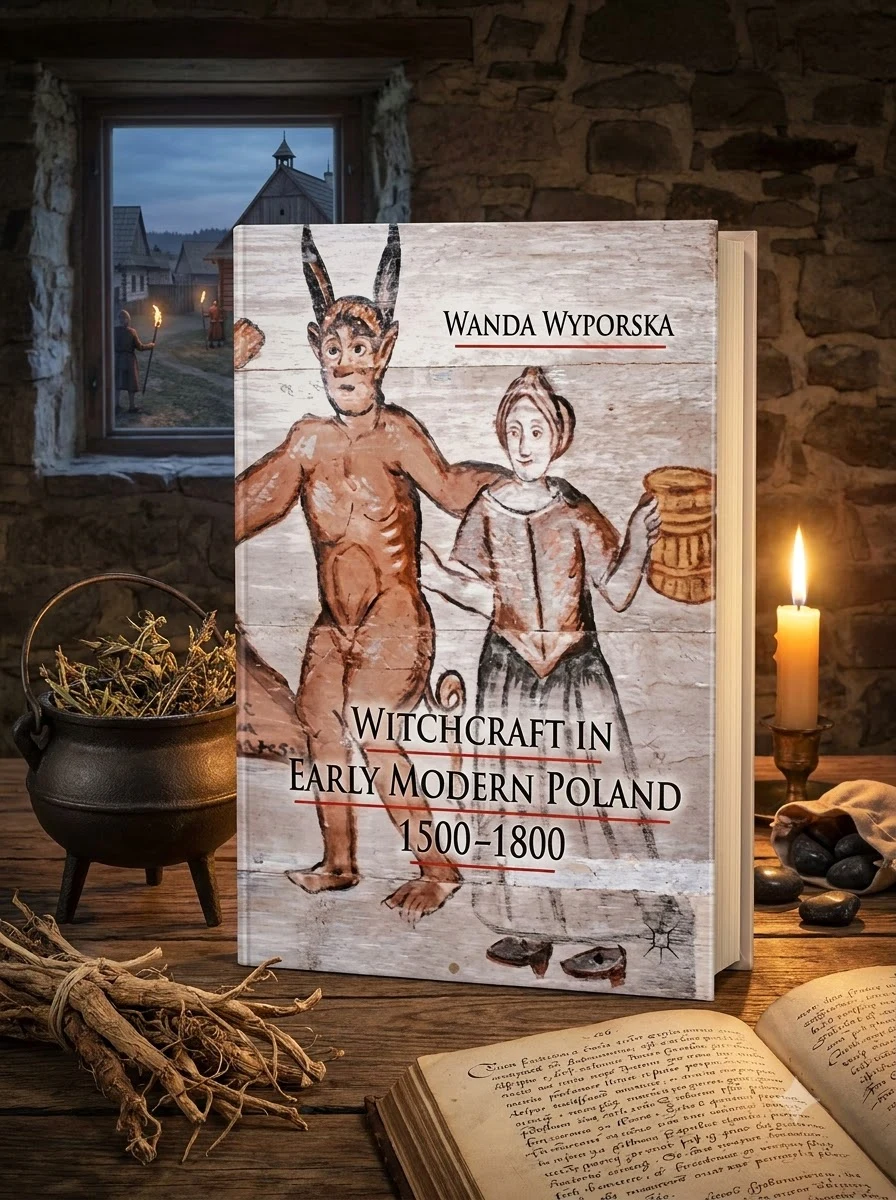
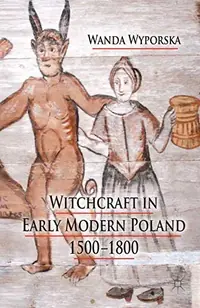
Witchcraft in Early Modern Poland, 1500-1800 (2013)
 89
89
 Editorial score
How we rate
Editorial score
How we rate
Stock reported in the catalog; fulfillment is confirmed with your request.
Uncover the forgotten history of Polish witchcraft, where good and evil mysteriously intertwined.
Delve into a meticulously researched exploration of early modern Polish witchcraft, focusing on the region of Wielkopolska. This compelling study unpacks the complex figure of the witch, presenting her not merely as a malevolent force, but as an entity capable of both beneficent and malevolent acts. Wyporska meticulously analyzes the motivations behind accusations, the practical applications of magical practices, and the significant role gender played in these dramatic historical trials. It’s an essential work for understanding a nuanced chapter in European occult history.
This work situates itself within the broader narrative of European occult history, specifically examining the unique socio-religious landscape of early modern Poland between 1500 and 1800. It contributes to the scholarly discourse on how regional dynamics shaped the perception and persecution of witchcraft in Wielkopolska.


📝 Description: Witchcraft in Early Modern Poland, 1500-1800 (2013)
💎 Expert review
📖 Why choose it
Why this book is worth reading
Scholars and enthusiasts of European esoteric history will find this volume indispensable for its nuanced dismantling of the stereotypical malevolent witch. By focusing on Wielkopolska, Wyporska reveals a complex figure capable of both beneficent and malevolent acts, offering a refreshing perspective that moves beyond simple demonization. Readers interested in the intersection of gender, legal accusations, and practical magic will appreciate the meticulous analysis of motivations behind trials. This book is essential for anyone seeking to understand the intricate tapestry of Polish occult history, where good and evil were not always clearly defined but deeply intertwined in daily life and judicial proceedings.
⭐ Reader reviews
Reader rating
Wyporska delivers a meticulously researched exploration that challenges monolithic views of early modern witchcraft. The text excels in unpacking the dual nature of the witch figure and the role of gender in trials, making it a vital resource for academic historians. However, readers seeking a narrative-driven account or accessible popular history may find the density of legal and social analysis demanding. It is not suited for those who prefer broad generalizations over specific regional case studies. The focus on Wielkopolska might also feel too narrow for readers looking for a pan-European overview without deeper context.
❓ Frequently asked questions
📖 Who should read this
If you're a historian seeking nuanced insights into Eastern European occult traditions, a student of gender studies exploring historical power dynamics, or simply fascinated by the complex societal role of the witch, this detailed academic study offers profound and essential reading.
🎯 Key themes and symbolism
Ambiguous Nature of Witches
Challenging simplistic portrayals, the author reveals the Polish witch as a figure embodying both helpful folk magic and harmful curses. This duality highlights a more complex societal understanding, where magical practitioners were not always condemned outright, but rather seen through a spectrum of utility and danger.
Gender and Accusation
The book critically examines the profound influence of gender on witchcraft accusations and trials. It explores how societal roles, expectations, and vulnerabilities disproportionately shaped who was accused, who testified, and ultimately, who faced the dire consequences of alleged magical practice.
💬 Quotes from the book
“The Polish witch, unlike her Western European counterpart, often straddled the line between malevolent sorceress and village healer, reflecting a societal tolerance for certain magical practices.”
“Accusations of witchcraft in Wielkopolska frequently arose from complex social tensions and economic anxieties, rather than solely from overt magical acts, highlighting the underlying societal pressures.”
📜 Historical context
📚 Glossary
- Wielkopolska
- Demonology
- Early Modern Period
📔 Questions to reflect on
- How might the dual perception of witches (good and evil) in Poland have impacted the nature and outcome of their trials compared to regions with stricter condemnations?
- Considering the role of gender in accusations, what parallels or differences can you draw to contemporary societal biases in criminal justice or public perception?
- How does understanding the specific historical and cultural context of Polish demonology change your broader understanding of early modern European witch hunts?
🏛 Books from this publisher Palgrave MacMillan
All books from this publisher →
You might also like
See more →