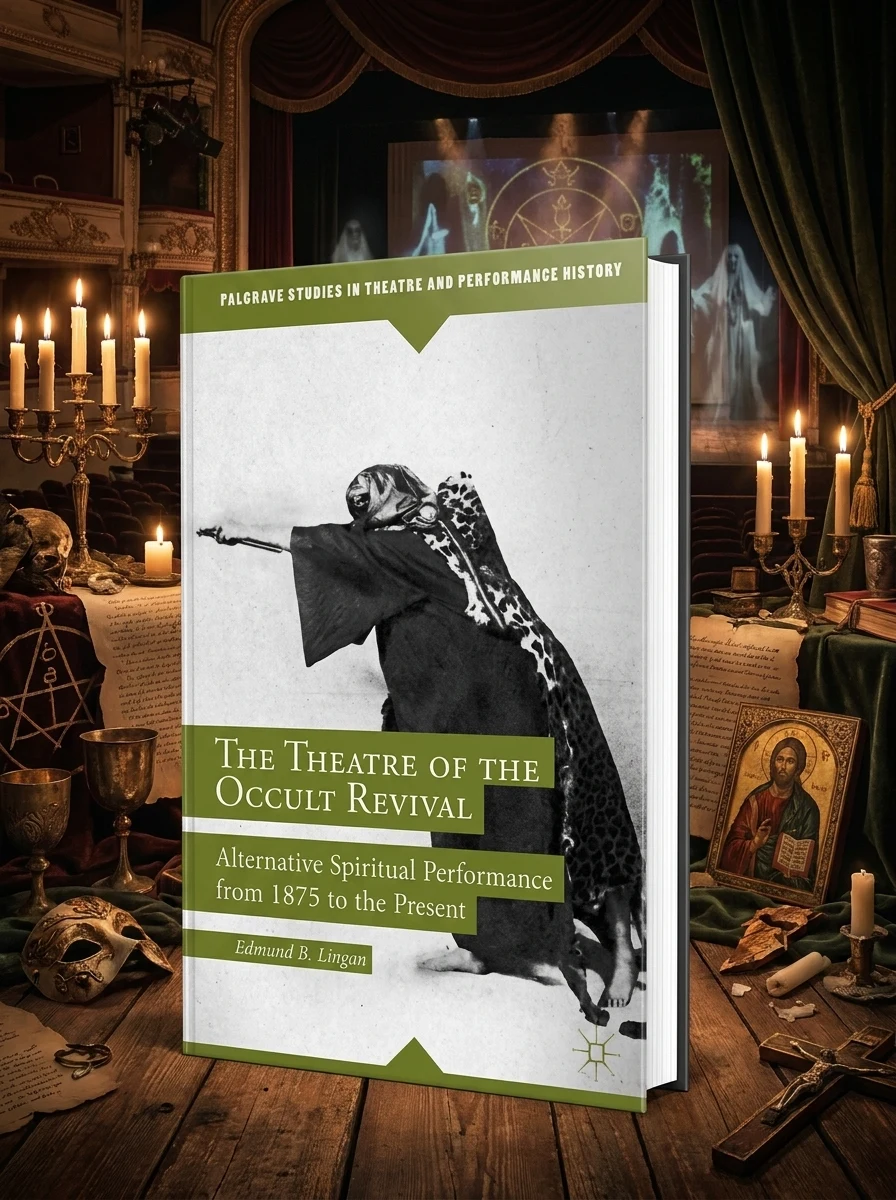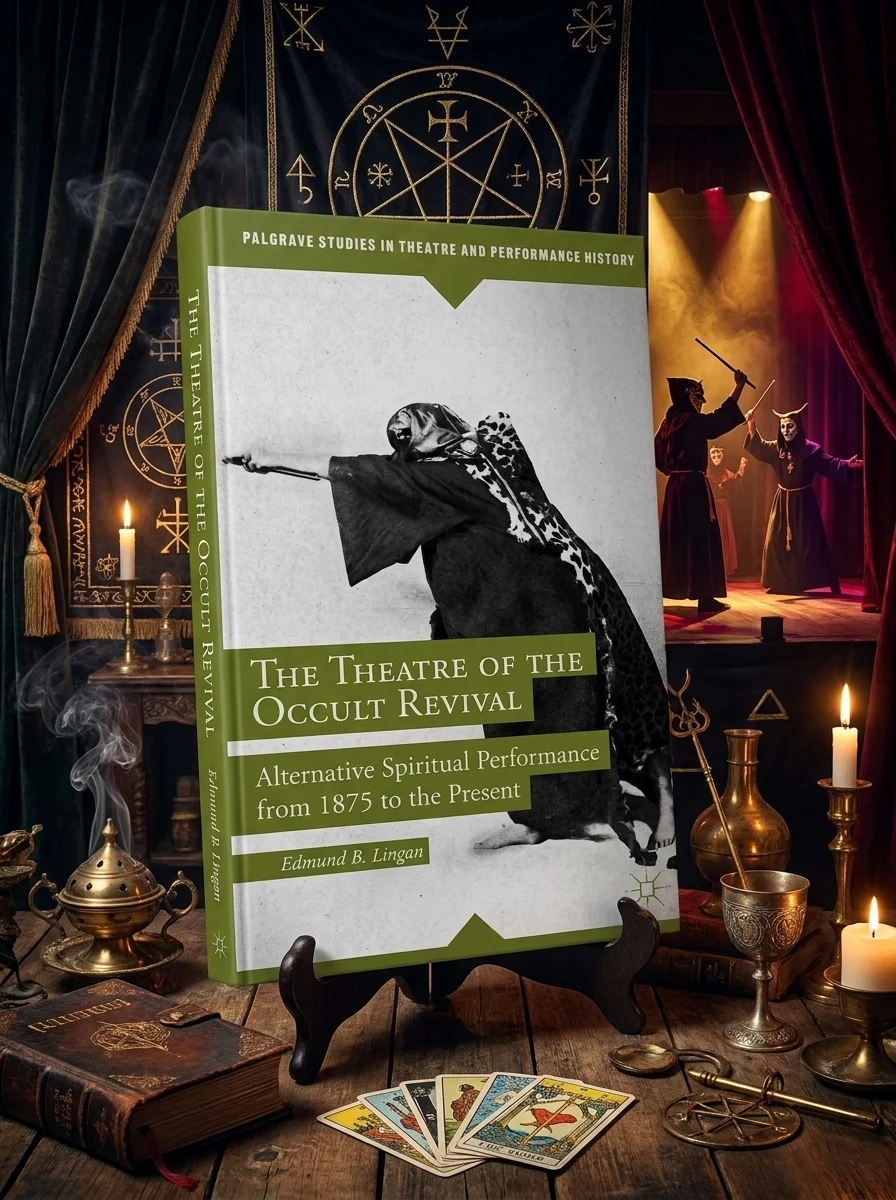
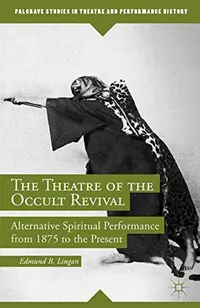
The Theatre of the Occult Revival: Alternative Spiritual Performance from 1875 to the Present (2014) Lingan, E
Lingan, E

Stock reported in the catalog; fulfillment is confirmed with your request.
Unmask the hidden drama where spiritual awakening met the stage.
E. Lingan's compelling study unveils the profound impact of theatrical expression on the Occult Revival, spanning from 1875 to the present. This insightful work meticulously examines how spiritual leaders of the era harnessed performance to articulate their mystical visions, shape burgeoning alternative beliefs, and fundamentally alter the landscape of Western religious thought. Discover the intricate connections between esoteric philosophy, social commentary, and the aesthetic power of the stage in catalyzing a profound cultural shift, creating a vibrant, living tapestry of belief and spectacle.
This work situates itself within the history of the Occult Revival, exploring the intersection of spiritual awakening and theatrical performance from 1875 to the present. It traces how alternative spiritual movements utilized the stage to articulate mystical visions and reshape Western religious thought.


📝 Description: The Theatre of the Occult Revival: Alternative Spiritual Performance from 1875 to the Present (2014) Lingan, E
💎 Expert review
📖 Why choose it
Why this book is worth reading
Scholars and enthusiasts of esoteric history will find this text indispensable for understanding the performative dimensions of spiritual belief. Readers interested in how mystical visions were articulated through spectacle and aesthetic power will appreciate Lingan’s meticulous examination of the era's spiritual leaders. It offers a vibrant tapestry connecting philosophy, social commentary, and stagecraft, revealing how performance catalyzed cultural shifts. If you seek to unmask the hidden drama where occult practices met public presentation, this book provides a compelling narrative of belief as living spectacle.
⭐ Reader reviews
Reader rating
Lingan delivers a scholarly yet accessible investigation into the theatricality of the Occult Revival. The text successfully maps the intricate connections between esoteric philosophy and stagecraft, offering fresh insights into how performance shaped alternative beliefs. However, readers seeking practical ritual instructions or personal spiritual guidance may find the academic tone distant. It is best suited for those analyzing the historical mechanics of spiritual movement rather than those looking for devotional material. The focus on cultural impact over individual experience might feel dry to casual occultists but remains rigorous for historians.
❓ Frequently asked questions
📖 Who should read this
If you're captivated by the intersection of spiritual movements and artistic expression, or curious about how staged rituals can shape collective consciousness, this book offers an indispensable lens. It's for those who seek to understand the performative aspect of belief and its profound historical impact on culture and spirituality.
🎯 Key themes and symbolism
Spiritual Performance Roots
Explore how early occultists adapted ancient ritual structures and esoteric practices into public spectacle, laying crucial groundwork for new spiritual paradigms. Lingan demonstrates how the stage became a laboratory for manifesting unseen realities, transforming abstract beliefs into tangible, communal experiences that resonated deeply with audiences seeking alternative spiritual paths.
Sociopolitical Echoes
Delve into the ways these theatrical presentations mirrored and influenced societal changes of the late 19th and early 20th centuries, often questioning established religious and social norms. The book highlights how occult theatre served as a platform for challenging orthodoxies, fostering new communities, and reflecting anxieties and aspirations in a rapidly modernizing world.
Aesthetic Alchemy
Uncover the innovative stagecraft, symbolic costumes, and artistic choices employed to manifest esoteric concepts visually and emotionally. Lingan reveals how practitioners meticulously designed performances to evoke specific states of consciousness, blurring the lines between art, magic, and spiritual instruction, making the invisible realms accessible and powerfully resonant for the initiated and curious alike.
💬 Quotes from the book
“The proscenium arch became a consecrated gateway, through which the invisible realms were not merely discussed, but made manifest, blurring the lines between sacred rite and public spectacle.”
“By stepping onto the stage, these spiritual pioneers did more than entertain; they ritualized dissent, offering a vibrant, living critique of a world they felt had lost its soul.”
📜 Historical context
📚 Glossary
- Occult Revival
- Esoteric Performance
- Western Religious Culture
📔 Questions to reflect on
- Consider how contemporary performance art or immersive experiences might draw parallels with the spiritual theatre of the Occult Revival, both in intent and impact.
- Reflect on a time you witnessed a ritual or performance that profoundly shifted your perspective or sense of reality. What specific elements contributed to its impact?
- How might the fragmentation of 'Western religious culture' observed by Lingan continue to evolve in our current spiritual landscape, and what role might new forms of 'performance' play?
📖 From the series “Palgrave Studies in Theatre and Performance History”
All books in the series →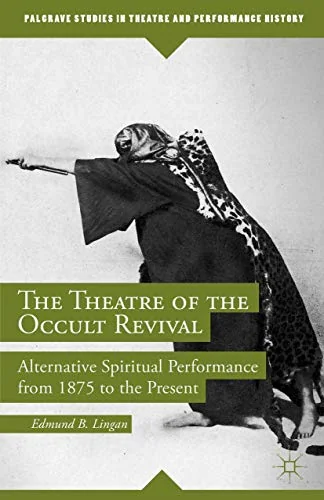
✍️ More books by this author Lingan, E
All books by this author →🏛 Books from this publisher Palgrave MacMillan
All books from this publisher →
You might also like
See more →