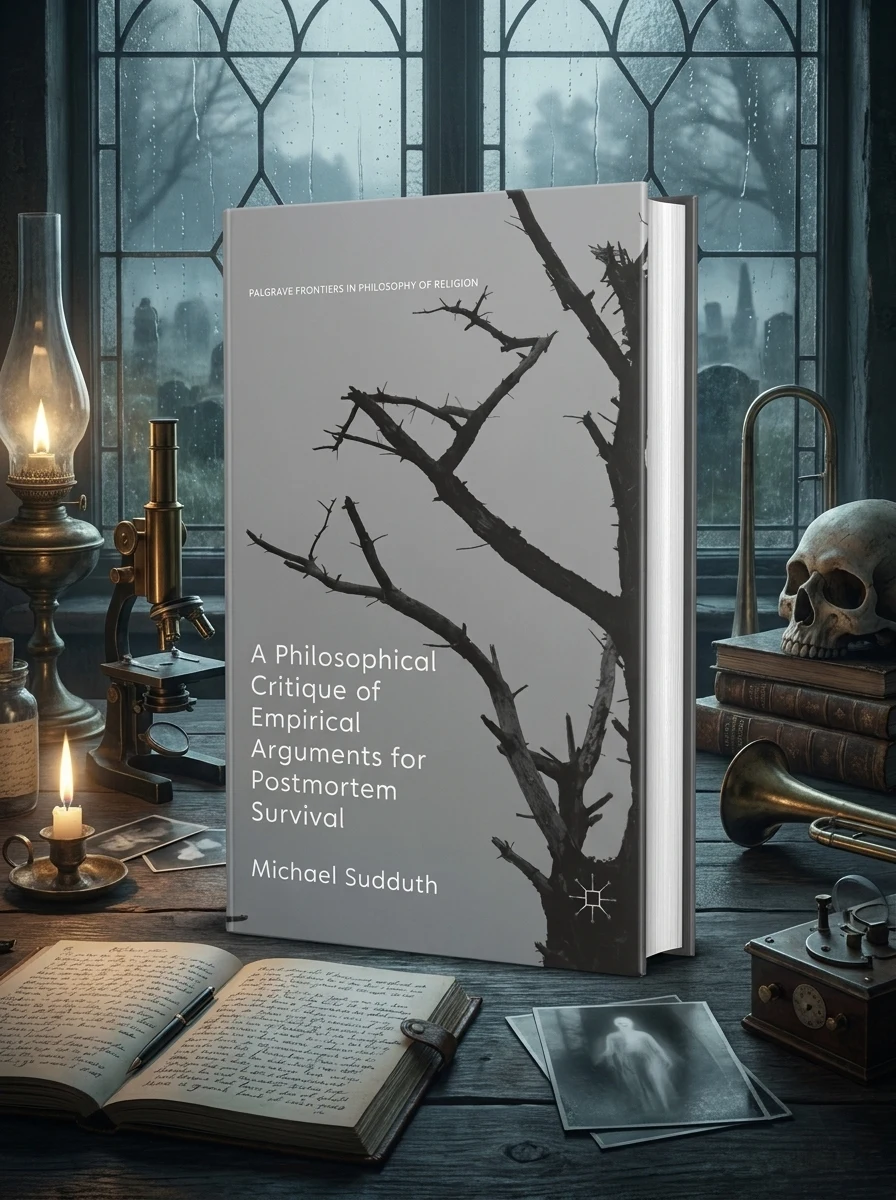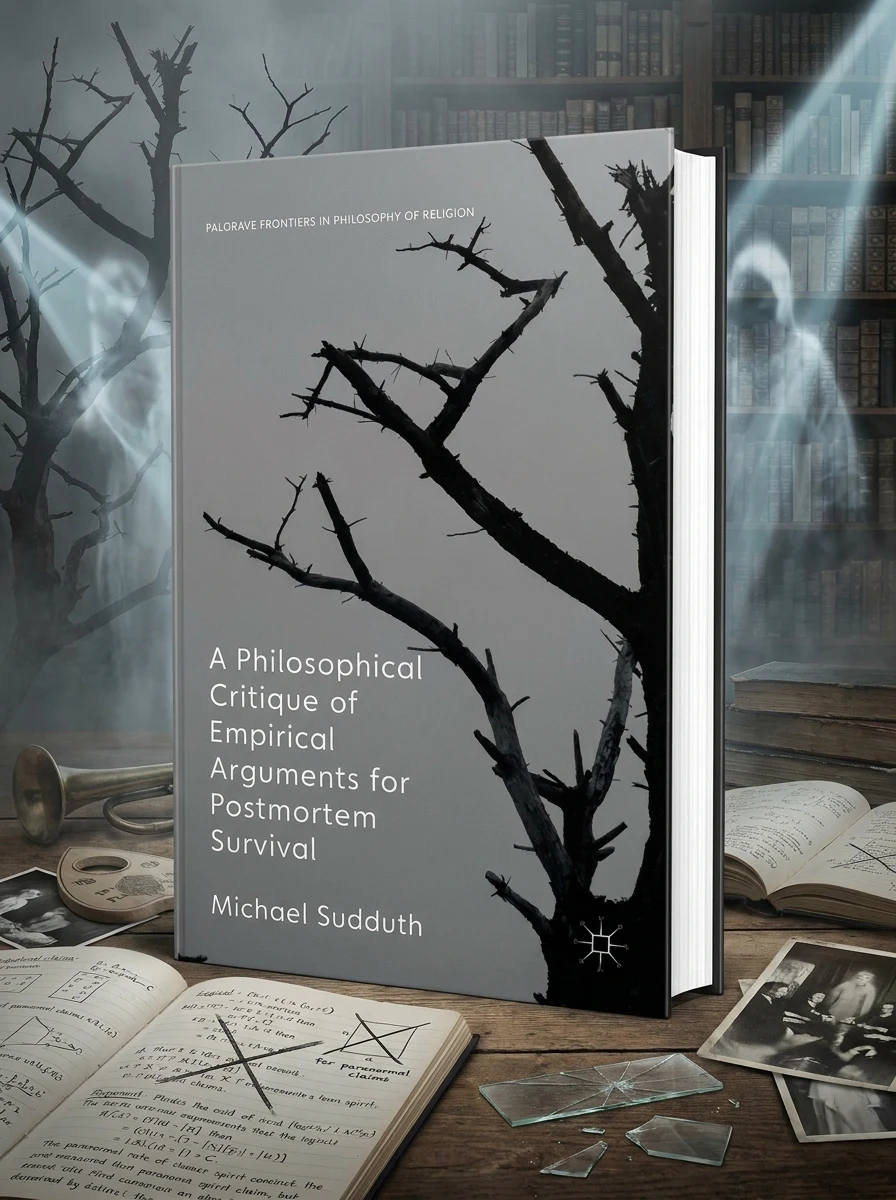
A Philosophical Critique of Empirical Arguments for Postmortem Survival (2016) Sudduth, Michael
Sudduth, Michael 75
75
 Editorial score
How we rate
Editorial score
How we rate
Stock reported in the catalog; fulfillment is confirmed with your request.
Sudduth dismantles paranormal survival claims with rigorous analytic philosophy.
This volume rigorously examines the empirical evidence traditionally cited for postmortem survival, such as near-death experiences and mediumship. Sudduth applies formal epistemology to reveal how these arguments fail under scrutiny. He demonstrates that the data collected from purported paranormal phenomena does not logically necessitate the continuation of consciousness. Instead, he offers a robust counter-narrative grounded in analytical rigor, challenging the assumption that anecdotal reports constitute valid proof. The text serves as a critical filter for those seeking logical consistency in debates over life after death, stripping away emotional appeals to reveal the underlying structural flaws in survivalist arguments.
Situated within the intersection of analytic philosophy and esoteric inquiry, this work challenges the epistemological foundations of spiritualism through rigorous logical scrutiny.


📝 Description: A Philosophical Critique of Empirical Arguments for Postmortem Survival (2016) Sudduth, Michael
💎 Expert review
📖 Why choose it
Why this book is worth reading
Readers seeking intellectual clarity amidst the emotional noise of afterlife debates will find profound value here. This book is essential for those who demand logical consistency in discussions about consciousness and survival. It offers a necessary corrective to anecdotal evidence, providing a robust framework for evaluating claims with analytic rigor. By stripping away sentimental appeals, it empowers skeptics and philosophers alike to engage with postmortem survival arguments on their own terms. Those interested in the structural flaws of paranormal assertions will appreciate its clear, uncompromising dissection of empirical data.
⭐ Reader reviews
Reader rating
Perfect companion for my morning study sessions. The symbolism is layered and generous to patient readers. It connects ideas I'd only seen treated separately elsewhere. A few pages arrived with light corner wear, though nothing serious. Happy enough with the purchase.
This exceeded my expectations. Not a light read, but far more accessible than I feared. Delivery took a bit longer than quoted. Still worth having on the shelf.
This edition finally does the material justice. I appreciated how the argument builds steadily from first principles. The material is presented clearly and the structure makes it easy to revisit key passages. It assumes more background than a beginner might have. Happy enough with the purchase.
Bought this as a gift for my sister and ended up ordering a second copy for myself. The symbolism is layered and generous to patient readers. The ideas are old but land with surprising force today. Five stars from me.
Exactly what I was looking for. The ideas are old but land with surprising force today.
Ordered this after seeing it referenced in another book I was studying. I appreciated how the argument builds steadily from first principles. Some archaic spellings slow things down. Happy enough with the purchase.
This text is a formidable barrier for casual readers or spiritual seekers looking for comfort. It does not suit those who prefer emotional validation over logical dissection, nor will it appeal to individuals invested in the validity of mediumship or near-death experiences without critical detachment. The rigorous application of formal epistemology may feel cold or overly technical to lay audiences. However, for academics and serious skeptics, it serves as an indispensable tool. It is not a guide to belief, but a manual for dismantling weak arguments with precision and scholarly authority.
❓ Frequently asked questions
📖 Who should read this
Readers interested in the philosophy of mind and rational inquiry into consciousness. Ideal for skeptics seeking robust academic rebuttals to paranormal claims and scholars analyzing the intersection of science and metaphysics.
🎯 Key themes and symbolism
Formal Epistemology
Analytic Philosophy
Survivalism Critique
💬 Quotes from the book
“Classical arguments fail because they conflate correlation with causal necessity.”
“Epistemic humility requires admitting what data cannot support.”
📜 Historical context
📚 Glossary
- Formal Epistemology
- Postmortem Survival
- Analytic Philosophy
📔 Questions to reflect on
- How might you distinguish between a genuine insight and a cognitive bias in your own experiences?
- What criteria would you demand before accepting a claim about consciousness beyond the body?
- Where does the boundary lie between scientific skepticism and open-minded inquiry?
✍️ More books by this author Sudduth, Michael
All books by this author →
🏛 Books from this publisher Palgrave MacMillan
All books from this publisher →


You might also like
See more →