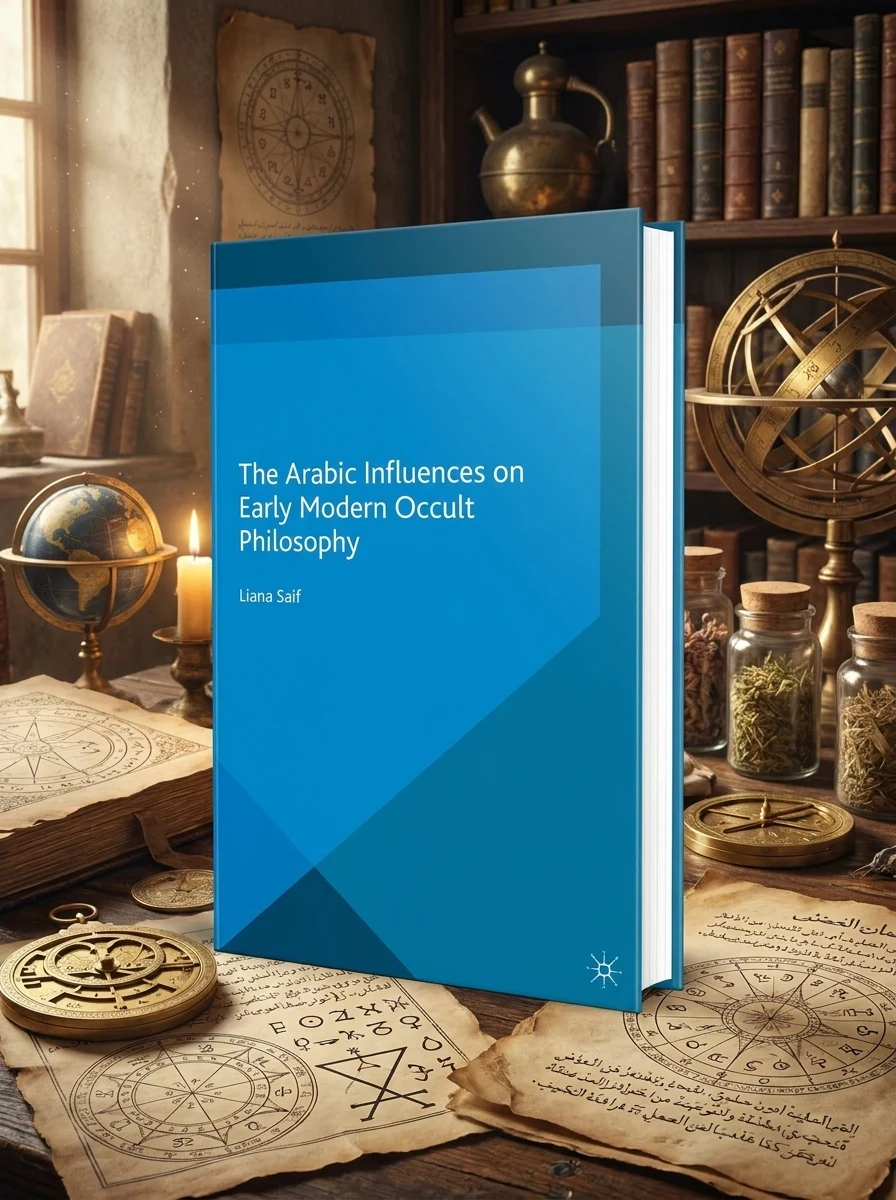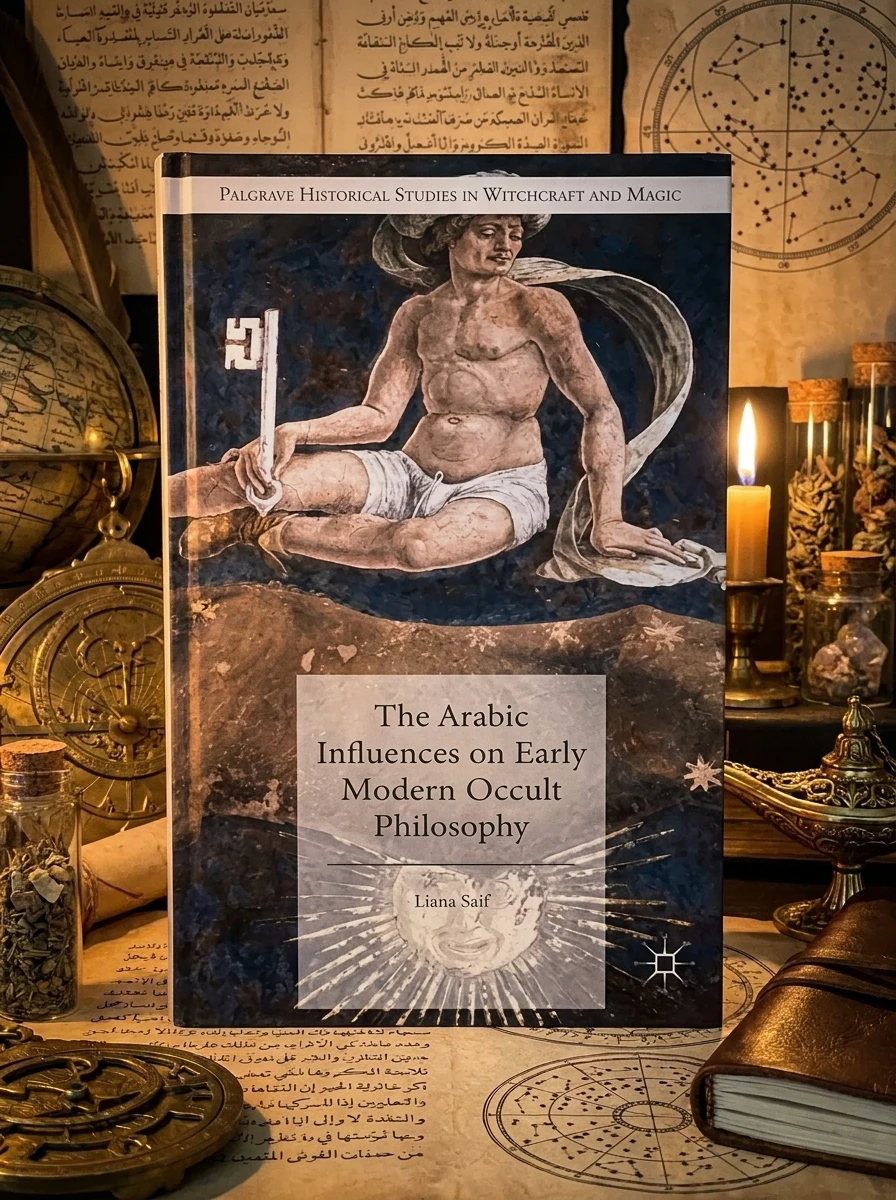
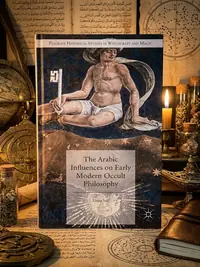
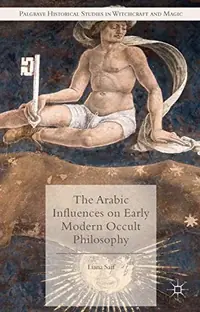
The Arabic Influences on Early Modern Occult Philosophy (2015) Saif, Liana
Saif, Liana 87
87
 Editorial score
How we rate
Editorial score
How we rate
Stock reported in the catalog; fulfillment is confirmed with your request.
Uncover the hidden threads connecting ancient Arabic wisdom to Western occult thought.
This groundbreaking study meticulously traces the profound impact of medieval Arabic intellectual traditions on early modern Western occult philosophy. Delving into astrological and magical theories, the work reveals how Islamic scholarship provided a sophisticated, naturalistic lens—rooted in Aristotelian principles—to understand astral influences and magical practice. It challenges conventional narratives, illustrating a deep cross-cultural exchange that redefined esoteric thought across continents and centuries, offering a fresh perspective on the foundations of Western esotericism.
This academic work situates itself within the historiography of Western esotericism, specifically examining the intellectual cross-pollination between medieval Islamic scholarship and early modern European occult philosophy. It addresses the often-overlooked Aristotelian roots of magical theory in the West.


📝 Description: The Arabic Influences on Early Modern Occult Philosophy (2015) Saif, Liana
💎 Expert review
📖 Why choose it
Why this book is worth reading
Scholars of esoteric history and those fascinated by the transmission of ideas across cultures will find this text indispensable. It offers a rigorous re-evaluation of how Western occult thought was fundamentally shaped by Arabic intellectual traditions. Readers seeking to understand the sophisticated, naturalistic lens through which astral influences were viewed will appreciate the detailed tracing of astrological and magical theories. This book is essential for anyone wishing to move beyond conventional narratives and grasp the deep cross-cultural exchange that redefined esoteric foundations across continents and centuries.
⭐ Reader reviews
Reader rating
This groundbreaking study meticulously traces the profound impact of medieval Arabic intellectual traditions on early modern Western occult philosophy. It reveals how Islamic scholarship provided a sophisticated, naturalistic lens rooted in Aristotelian principles to understand astral influences. While it challenges conventional narratives effectively, it is dense academic prose that may alienate casual readers seeking accessible mysticism or practical magical instruction. It does not suit those preferring mythic storytelling over historical analysis. However, for serious students of esotericism, it offers a vital, fresh perspective on the foundations of Western thought, illustrating a deep exchange often ignored in popular histories.
❓ Frequently asked questions
📖 Who should read this
If you're fascinated by hidden intellectual currents, seek to understand the philosophical underpinnings of magic, or wish to explore the profound cross-cultural fertilization between Islamic and Western thought, this meticulously researched volume offers essential insights into early modern occult philosophy.
🎯 Key themes and symbolism
Arabic-Western Intellectual Exchange
Explores the significant, often understated, flow of knowledge from the Islamic world to early modern Europe. It highlights how Arabic texts on astrology and magic were not merely translated but actively integrated, becoming foundational elements in Western esoteric thought, demonstrating a rich, interconnected intellectual history.
Naturalistic Magic & Astrology
The book redefines magic and astrology as naturalistic sciences within an Aristotelian framework. It argues that Arabic scholars provided explanations for astral influences and ritual efficacy based on observable principles, moving away from purely supernatural interpretations and grounding esoteric practices in a philosophical understanding of the cosmos.
Redefining Occult Philosophy
By showcasing the robust, scientific methodologies employed by Arabic thinkers in their approach to the occult, the work prompts a re-evaluation of early modern Western occultism. It argues that these practices were considered sophisticated philosophical inquiries, not merely superstitious beliefs, enriching our understanding of their historical context.
💬 Quotes from the book
“The naturalistic framework provided by Arabic thinkers transformed astral magic from a realm of superstition into a rigorous philosophical pursuit, grounded in observable cosmic sympathies.”
“Understanding the transmission of these sophisticated theories compels us to rethink the very origins of Western intellectual traditions, revealing a debt far greater than often acknowledged.”
📜 Historical context
📚 Glossary
- Naturalistic Magic
- Astral Influences
- Aristotelian Notions
📔 Questions to reflect on
- How does understanding the 'scientific' or naturalistic basis of historical magic, as presented in this book, change your perception of its practitioners and their worldviews?
- What implications does the extensive Arabic influence on Western esotericism have for our understanding of intellectual history and the narratives of cultural exchange between East and West?
- In what ways might an Aristotelian, naturalistic view of the cosmos, as interpreted by medieval Arabic scholars, inform or challenge contemporary spiritual or magical practices and philosophies?
📖 From the series “Palgrave Historical Studies in Witchcraft and Magic”
All books in the series →
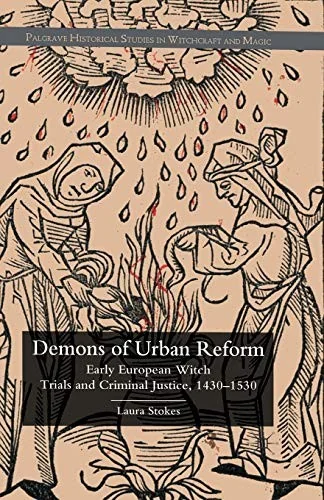
✍️ More books by this author Saif, Liana
All books by this author →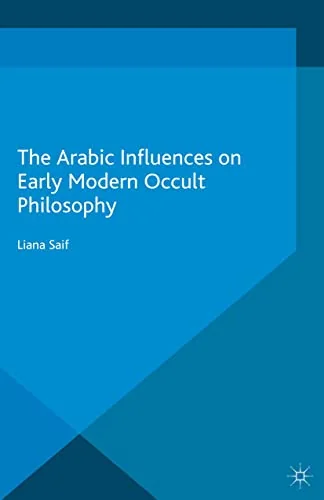
🏛 Books from this publisher Palgrave MacMillan
All books from this publisher →

You might also like
See more →