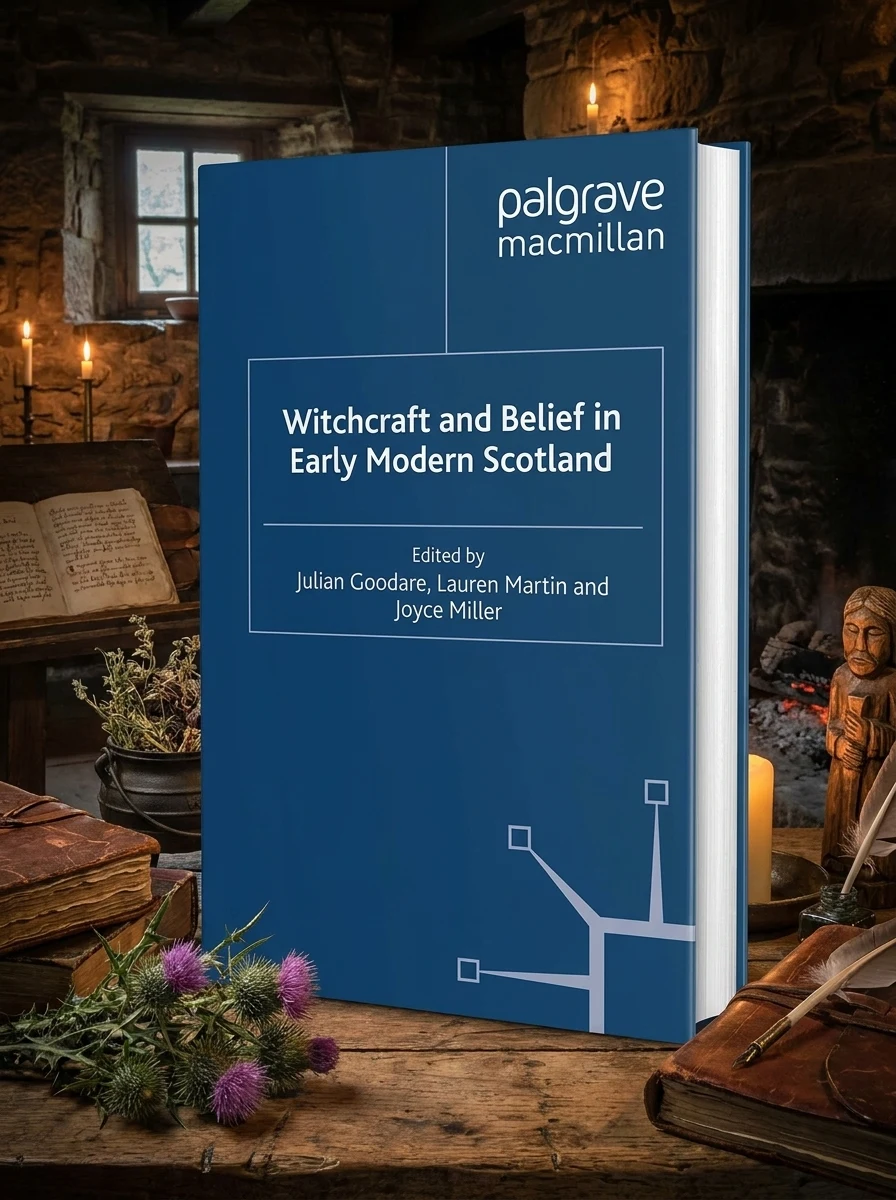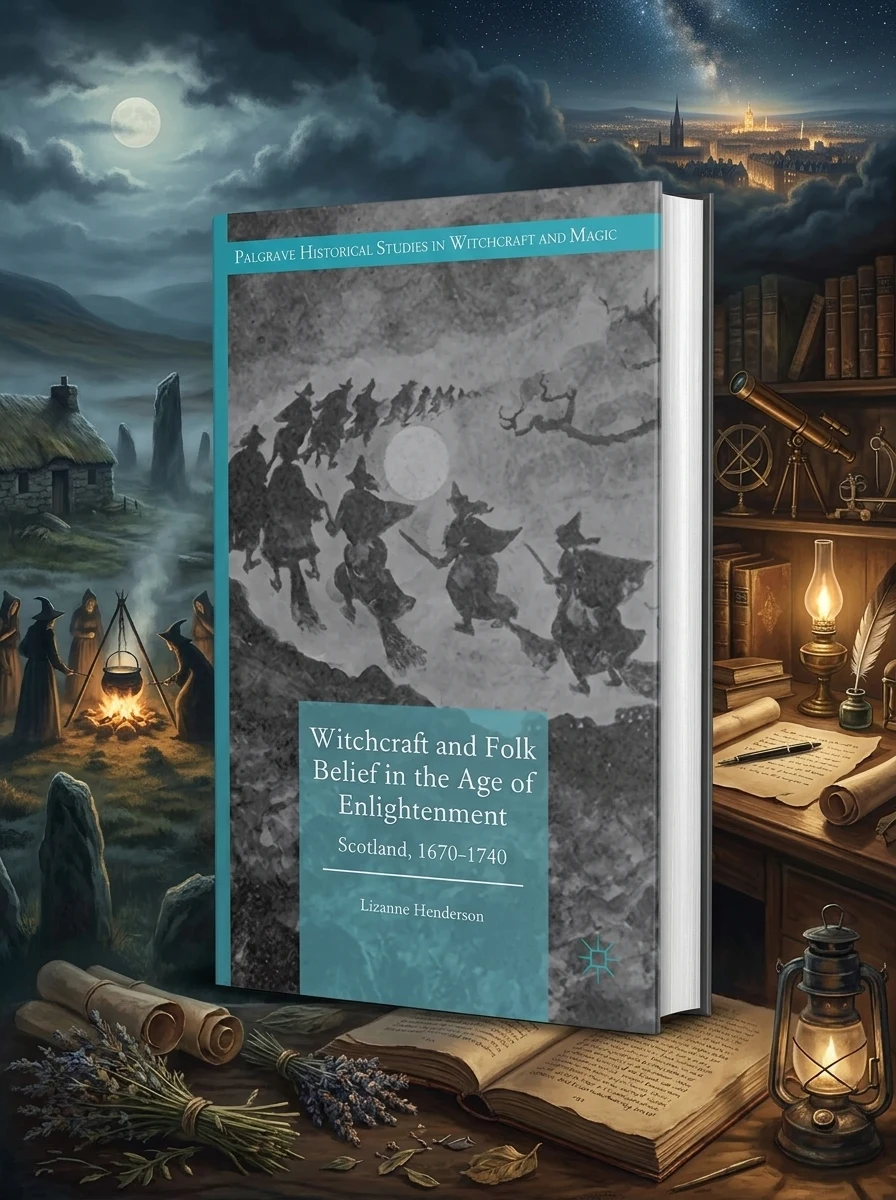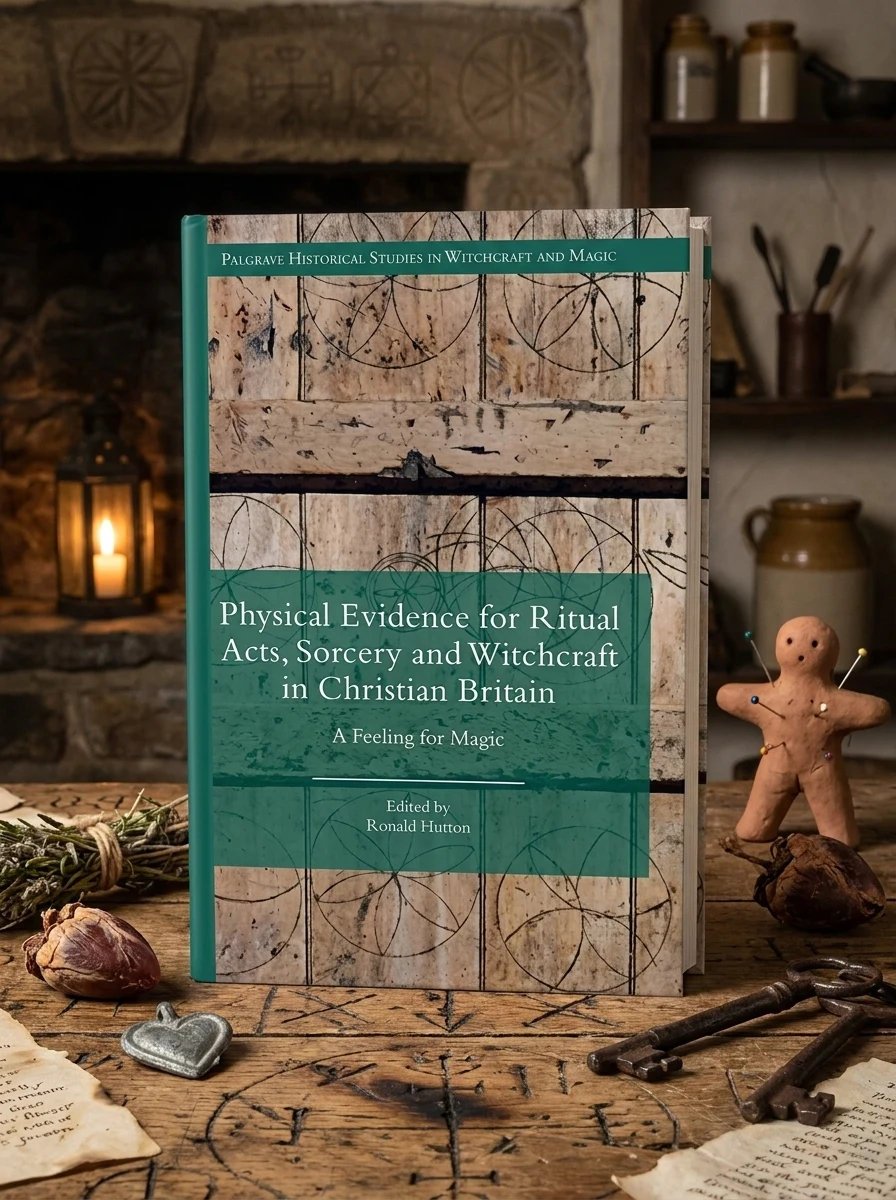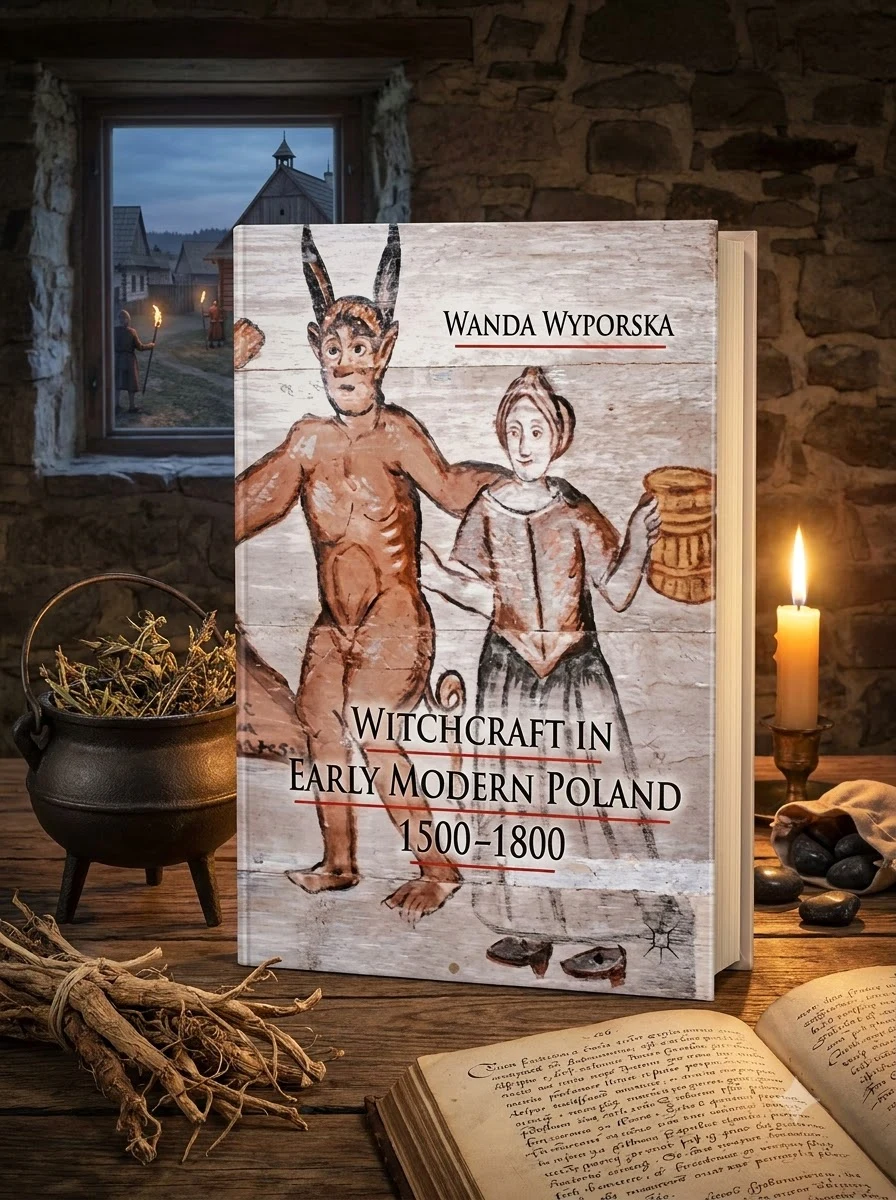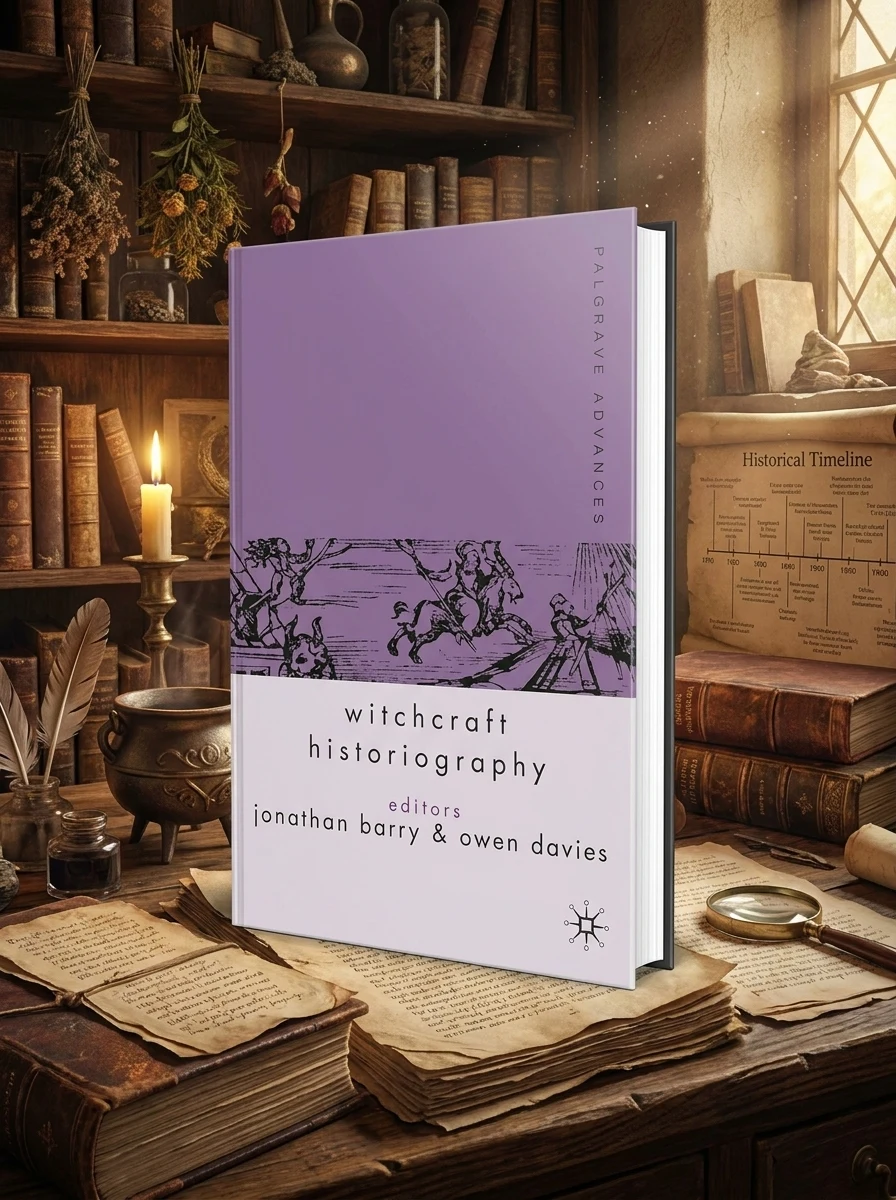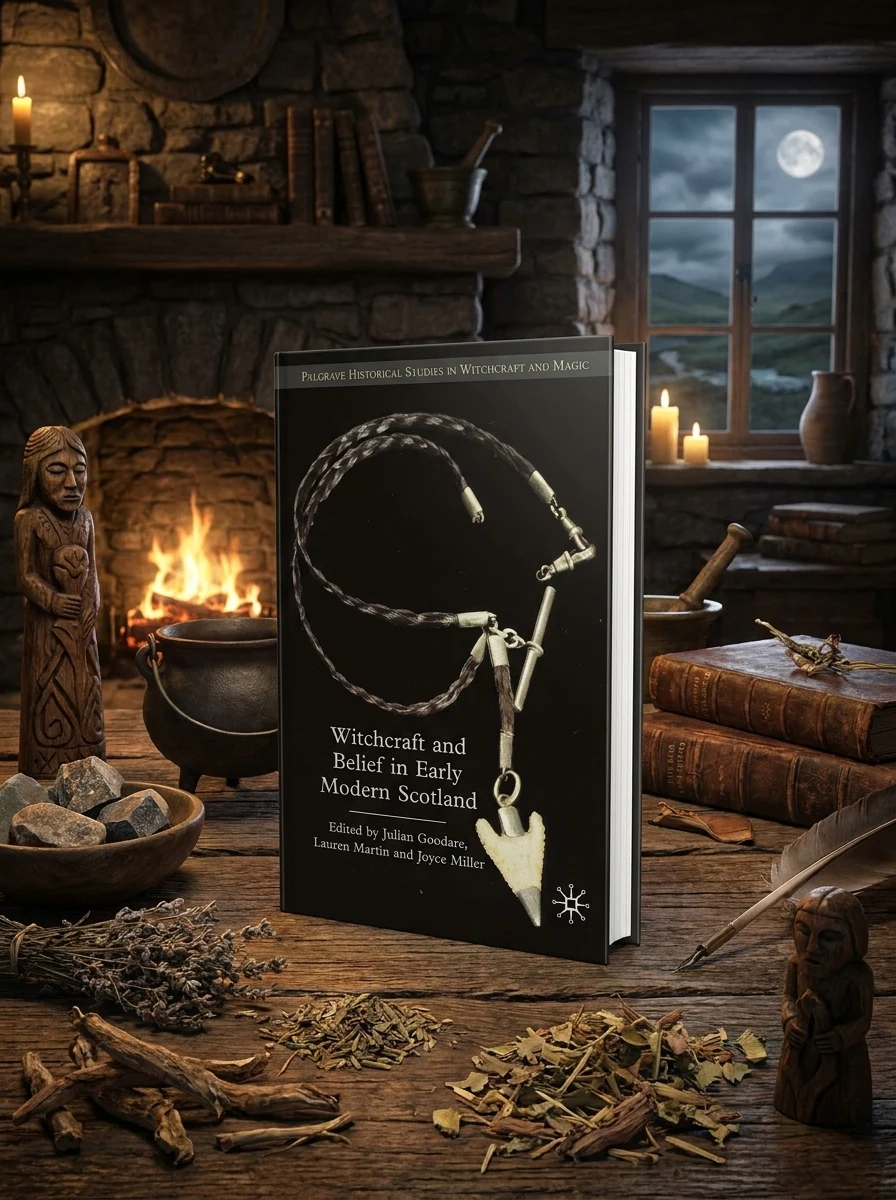
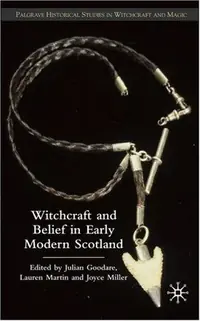
Witchcraft and Belief in Early Modern Scotland (2008) Goodare, J
Goodare, J; , Martin, L; , Miller J 82
82
 Editorial score
How we rate
Editorial score
How we rate
Stock reported in the catalog; fulfillment is confirmed with your request.
Unearthing the deep-seated beliefs that fueled Scotland's age of witchcraft.
This groundbreaking collection shifts focus from the sensationalism of witch hunts to the intricate tapestry of belief systems prevalent in early modern Scotland. Delving into popular culture, ritual practices, and intellectual discourse, it explores how notions of witchcraft were understood and integrated into daily life. Beyond mere persecution, the essays illuminate the diverse ways people engaged with the supernatural, offering a nuanced perspective that incorporates regional variations and comparative insights, making it an indispensable resource for understanding the era's complex spiritual landscape.
This work anchors itself within the historiography of early modern European witchcraft, specifically addressing the unique socio-religious dynamics of Scotland during its age of persecution. It bridges the gap between popular folklore and elite intellectual discourse, situating itself alongside scholarly efforts to demystify the supernatural landscape of that era.


📝 Description: Witchcraft and Belief in Early Modern Scotland (2008) Goodare, J
💎 Expert review
📖 Why choose it
Why this book is worth reading
Scholars and enthusiasts seeking to move beyond sensationalist narratives will find immense value in this collection. It offers a nuanced perspective on how witchcraft was integrated into daily life, revealing the intricate tapestry of beliefs that fueled Scotland's age of witchcraft. By exploring regional variations and comparative insights, the text illuminates diverse engagements with the supernatural. Readers interested in the intersection of popular culture, ritual practices, and intellectual discourse will appreciate how it shifts focus from mere persecution to understanding the complex spiritual landscape of early modern Scotland.
⭐ Reader reviews
Reader rating
This collection is an indispensable resource for those willing to engage with dense academic analysis of belief systems rather than dramatic accounts of hunts. It succeeds in shifting focus from sensationalism to the cultural and intellectual underpinnings of witchcraft fears. However, it may not suit readers seeking accessible narratives or straightforward chronologies of events. Those looking for light reading or purely biographical studies of specific witches might find the scholarly tone and theoretical depth off-putting. It is best reserved for those prepared to delve into the nuanced, often complex, historical realities of early modern spiritual life.
❓ Frequently asked questions
📖 Who should read this
If you're drawn to the intricate tapestry of early modern spiritual life beyond mere persecution narratives, this collection offers profound insights. It's for those seeking to understand the mindset that shaped an era defined by unseen forces and human conviction, moving beyond the superficial history of trials.
🎯 Key themes and symbolism
Popular Cultural Beliefs
The book meticulously examines the everyday magical practices and folk traditions that informed common perceptions of witchcraft. It explores how local customs, superstitions, and community rituals shaped individuals' understanding of supernatural influence, showing that belief in magic was deeply interwoven with the fabric of daily life, extending far beyond the formal accusations of the courts.
Intellectual Foundations of Witchcraft
This volume provides significant insight into the academic and theological frameworks that attempted to rationalize and categorize witchcraft. It dissects how scholars, clergy, and legal minds conceptualized demonic pacts, maleficium, and the nature of evil, revealing the intellectual currents that both legitimized and challenged the persecution of supposed witches, influencing public understanding.
Regional Diversity in Practice
The collection highlights the significant geographical variations in how witchcraft was perceived and practiced across different regions of Scotland. By moving beyond a monolithic view, it illustrates how local economies, social structures, and unique folk traditions fostered distinct manifestations of magical belief and fear, offering a crucial comparative lens for understanding the phenomenon's complexity.
💬 Quotes from the book
“The efficacy of a charm was often rooted not in its inherent power, but in the collective understanding and communal acceptance of its symbolic potency within the local framework of belief.”
“While legal records detail accusations, a deeper archeology reveals a complex interplay of piety, fear, and practical magic shaping daily existence in ways often obscured by later interpretations.”
📜 Historical context
📚 Glossary
- Maleficium
- Daemonology
- Cunning Folk
📔 Questions to reflect on
- How might understanding popular belief shift our perception of historical 'witchcraft' beyond simple condemnation or victimhood, and what does this reveal about societal anxieties?
- In what ways did intellectual discourse surrounding daemonology both reinforce and challenge folk understandings of supernatural influence during this period?
- Considering the regional variations discussed, how might geography and local traditions shape the manifestation of fear and magical practice in a community?
📖 From the series “Palgrave Historical Studies in Witchcraft and Magic”
All books in the series →
✍️ More books by this author Goodare, J; , Martin, L; , Miller J
All books by this author →🏛 Books from this publisher Palgrave MacMillan
All books from this publisher →
You might also like
See more →