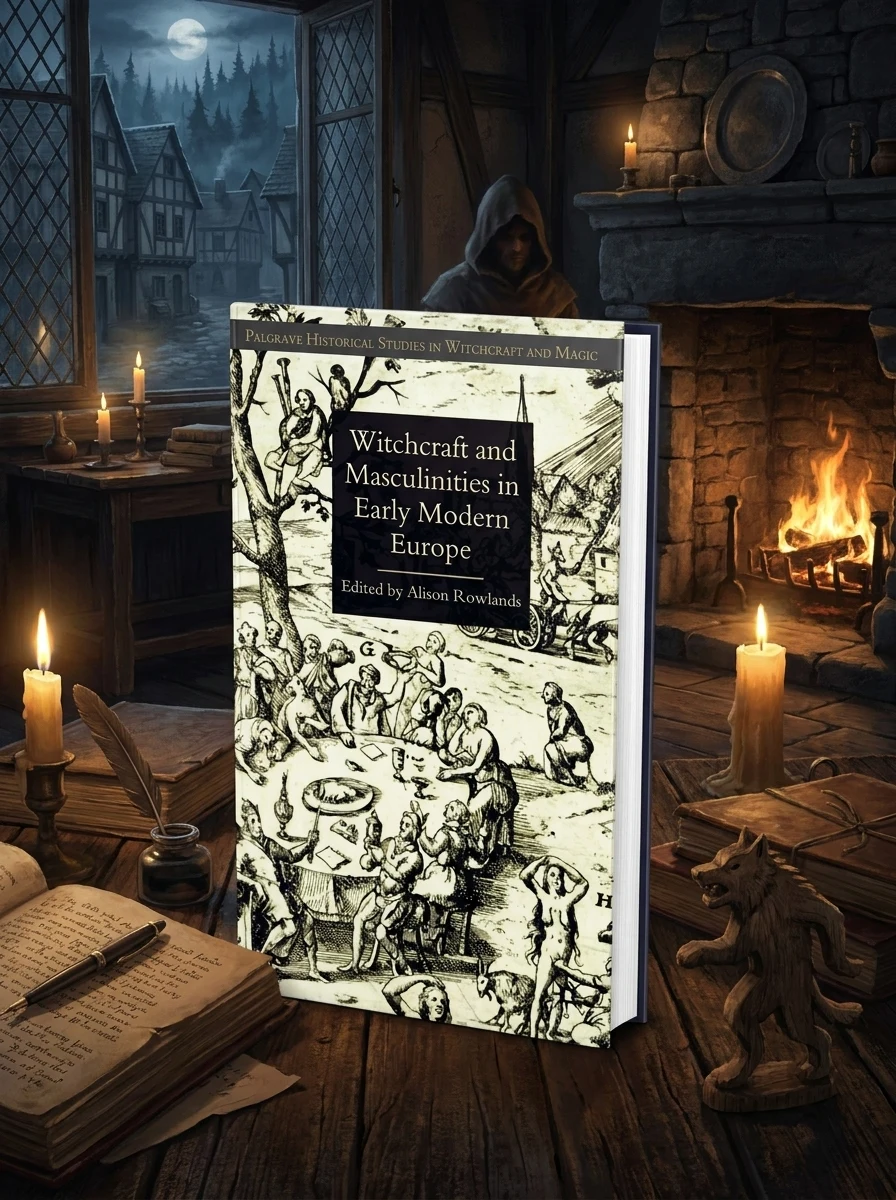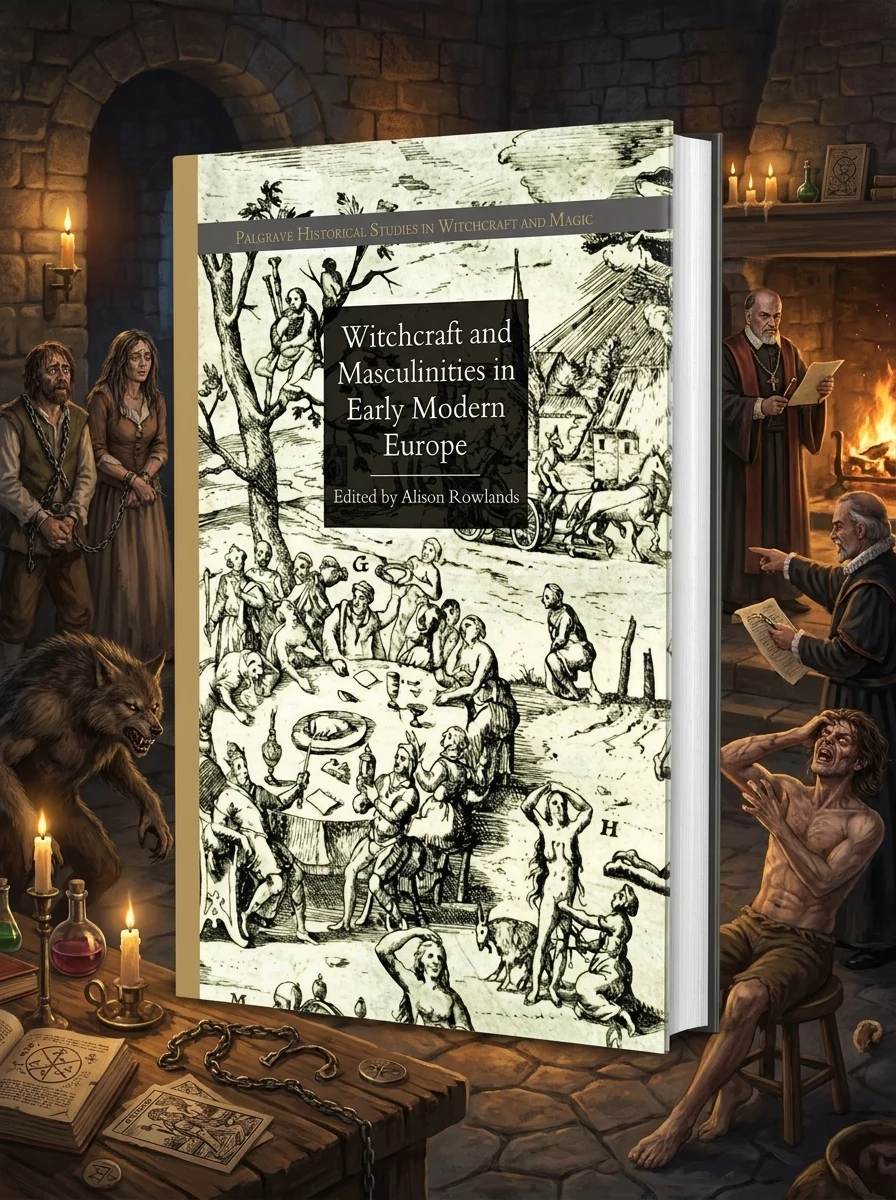
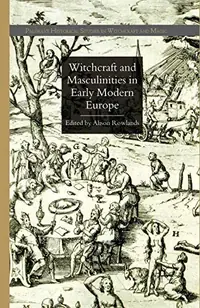
Witchcraft and Masculinities in Early Modern Europe (2009) Rowlands, A
Rowlands, A 85
85
 Editorial score
How we rate
Editorial score
How we rate
Stock reported in the catalog; fulfillment is confirmed with your request.
Uncover the forgotten masculine dimensions of early modern European witchcraft.
This compelling collection reorients our understanding of early modern European witchcraft by focusing intently on the often-overlooked roles played by men. Beyond the traditional image of the female witch, scholars here delve into masculinities as they intersect with accusations, persecutions, and beliefs. Exploring male figures as diverse as accused sorcerers, zealous witch-hunters, and even those believed to be demonically possessed, the work provides a crucial, gendered analysis of a pivotal historical period, challenging established narratives and enriching the discourse on social history and power dynamics.
This work sits within the scholarly re-evaluation of early modern European social history and gender studies, challenging traditional narratives of witchcraft by introducing a critical gendered perspective.


📝 Description: Witchcraft and Masculinities in Early Modern Europe (2009) Rowlands, A
💎 Expert review
📖 Why choose it
Why this book is worth reading
Historians and scholars interested in the nuanced intersection of power, gender, and religious belief will find this collection indispensable. It offers a vital corrective to the dominant female-centric narratives of early modern witchcraft by meticulously examining the roles of men as accused sorcerers, zealous hunters, and even demonically possessed individuals. This book is essential for those seeking to understand how masculinities were constructed, performed, and contested during this pivotal era. By revealing these forgotten dimensions, it enriches our grasp of social history and the complex dynamics of persecution, making it a crucial read for anyone dedicated to expanding the discourse beyond established historical assumptions.
⭐ Reader reviews
Reader rating
This academic collection provides a rigorous, gendered analysis that significantly reorients our understanding of early modern European witchcraft. It successfully highlights the overlooked roles of men in accusations and persecutions, offering valuable insights into social history and power dynamics. However, it is strictly scholarly in tone and dense with theoretical frameworks. It does not suit casual readers seeking accessible narrative histories or those looking for practical guides to Wiccan practices. The focus on historical masculinities may also feel niche to generalists uninterested in gender theory. It is best reserved for academics and serious students of history who appreciate deep, specialized inquiry over broad, entertaining storytelling.
❓ Frequently asked questions
📖 Who should read this
If you're eager to deepen your understanding of early modern social history, gender studies, or the nuanced complexities of witchcraft persecutions, this scholarly collection offers a vital new perspective. Prepare to challenge your assumptions about who was involved in this tumultuous period.
🎯 Key themes and symbolism
Male Roles Explored
This volume meticulously examines the multifaceted involvement of men in the early modern witchcraft phenomenon. It considers them not just as victims or accusers, but as complex actors—from those targeted by accusations to the zealous prosecutors, and even individuals believed to be afflicted by demonic forces—revealing the breadth of male engagement in these historical events.
Gendering Persecution Dynamics
Challenging conventional narratives, the essays unpack how gender shaped the prosecution and perception of witchcraft. This collection specifically illuminates the intricate ways in which masculine identities and societal expectations influenced both the accusations leveled against men and their responses within the climate of fear and superstition prevalent during the era.
Early Modern Context
The book grounds its analysis firmly within the historical landscape of early modern Europe, roughly spanning the 16th to 18th centuries. It explores how regional variations and specific cultural contexts across the continent influenced the manifestation of witchcraft beliefs and persecutions, providing a rich, geographically diverse backdrop for understanding these complex social phenomena.
💬 Quotes from the book
“The male experience of witchcraft, often eclipsed by focus on the female, reveals equally profound anxieties about power, control, and societal roles.”
“From the zealous inquisitor to the tormented possessed, masculinity itself was a contested site within the crucible of early modern magical belief.”
📜 Historical context
📚 Glossary
- Early Modern Europe
- Witchcraft Persecution
- Gendering
📔 Questions to reflect on
- How does centering male experiences in witchcraft history alter your previous understanding of the phenomenon? What new questions does it raise for you?
- Reflect on modern-day instances where gender roles or expectations might influence who is accused or perceived as problematic in social or political contexts.
- Consider the societal pressures on men in early modern Europe. How might these pressures have contributed to their roles as accusers, accused, or demonically afflicted?
📖 From the series “Palgrave Historical Studies in Witchcraft and Magic”
All books in the series →
✍️ More books by this author Rowlands, A
All books by this author →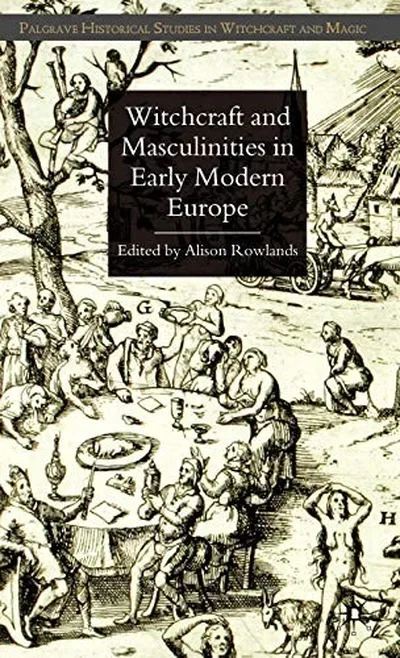
🏛 Books from this publisher Palgrave MacMillan
All books from this publisher →
You might also like
See more →