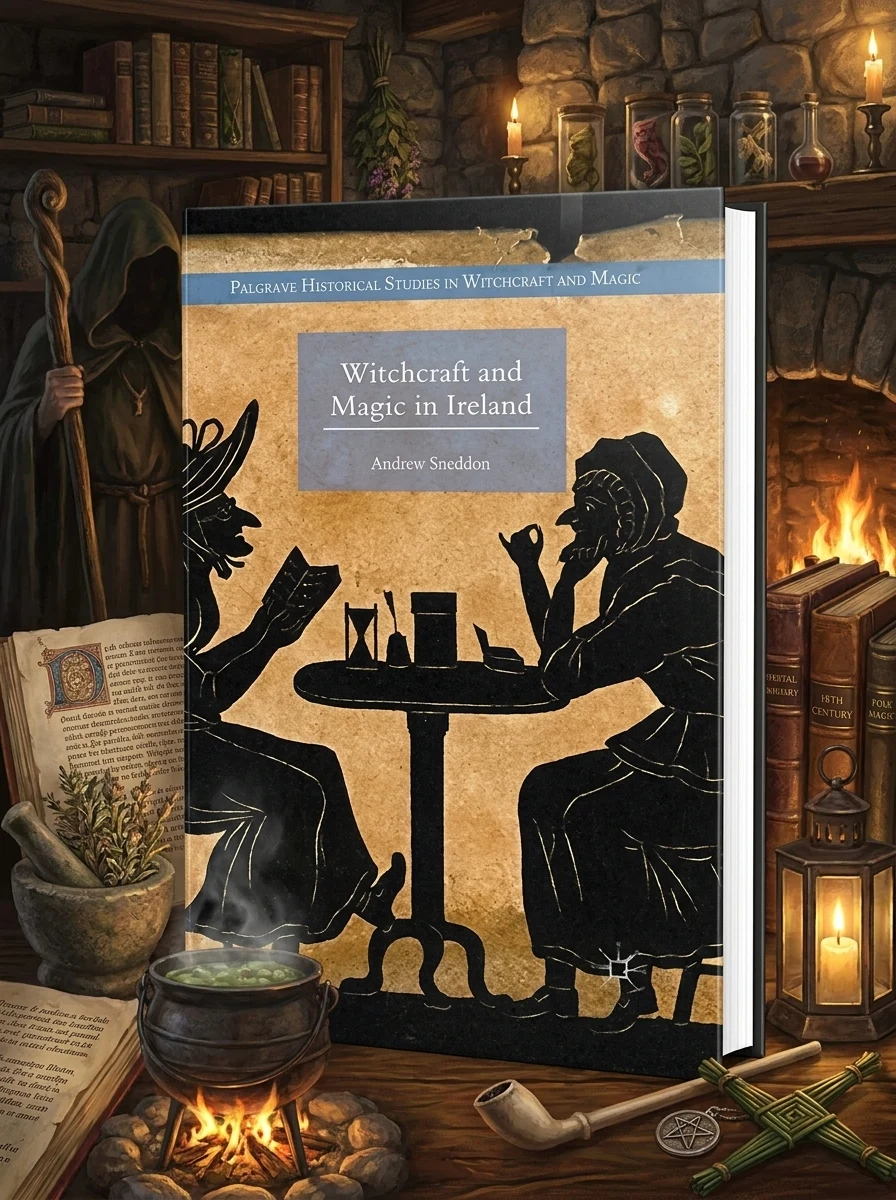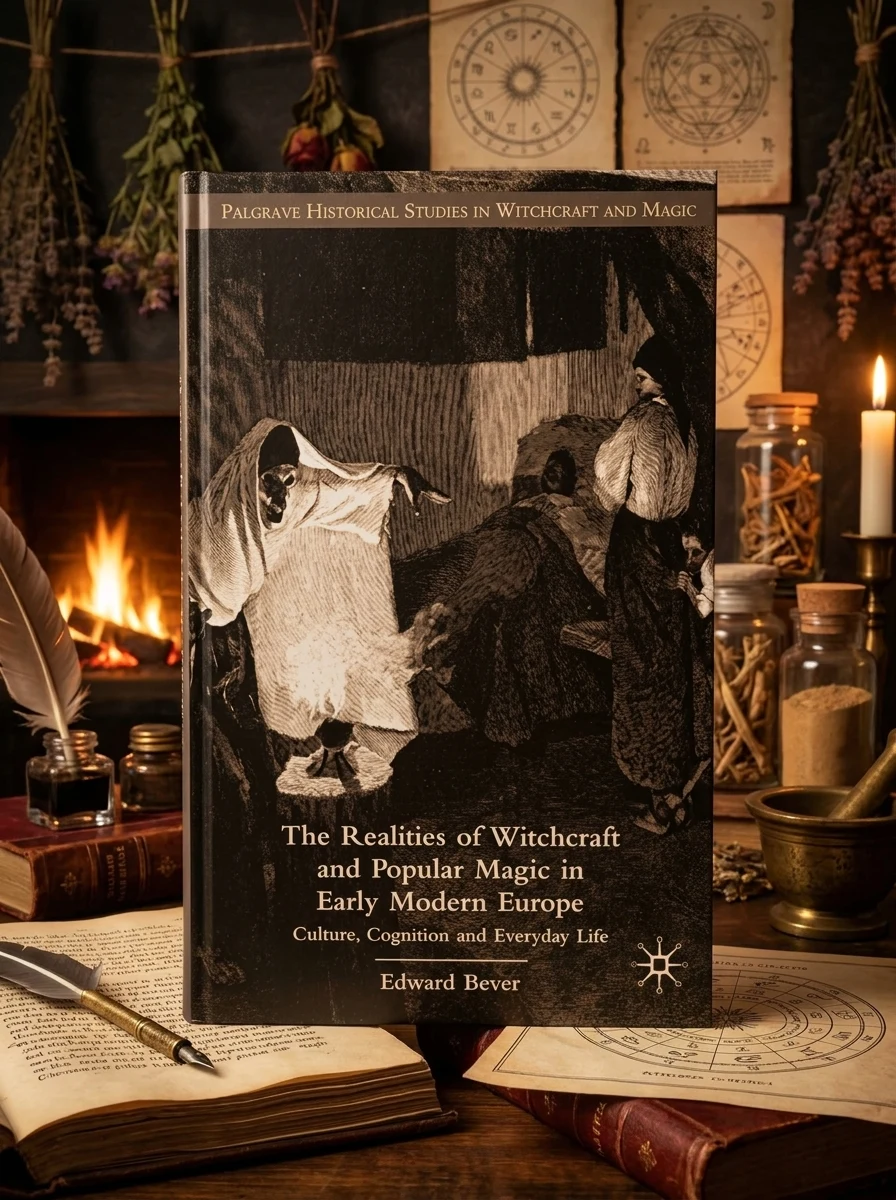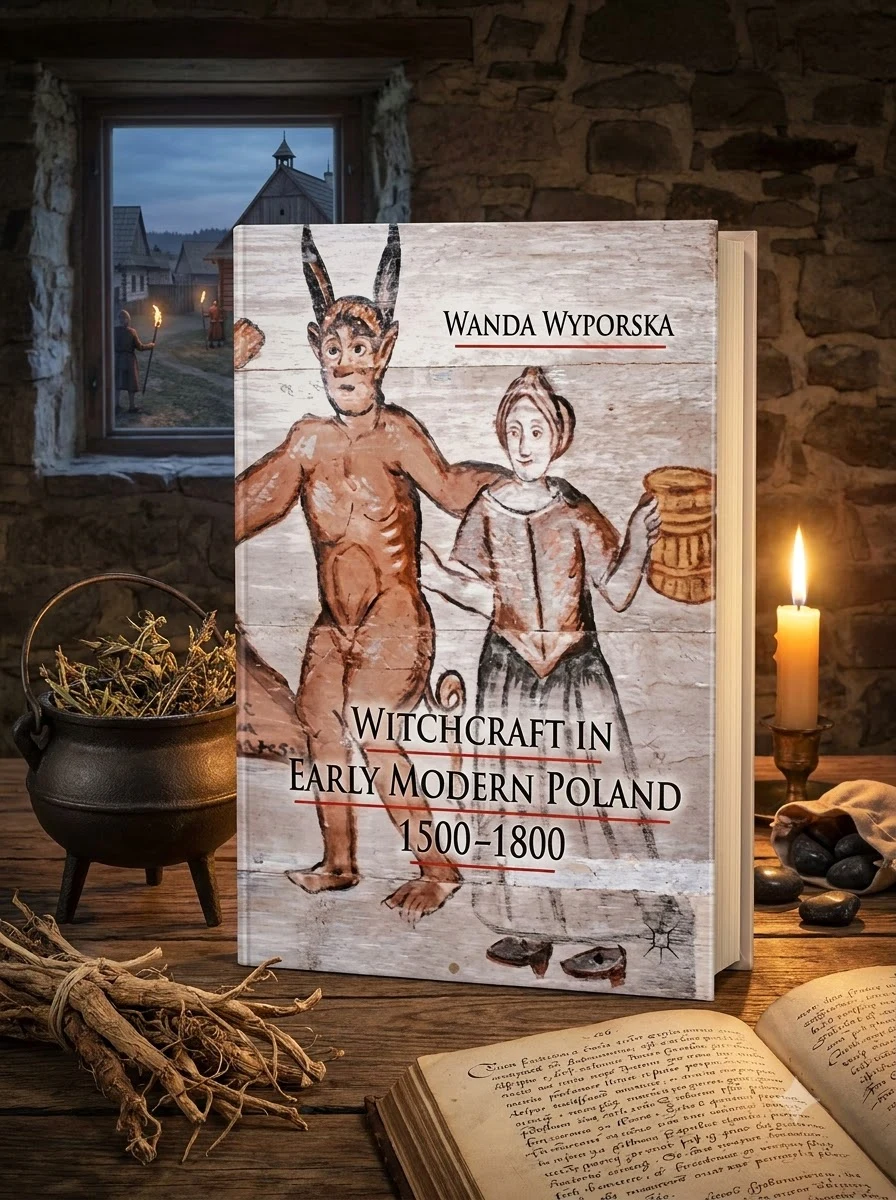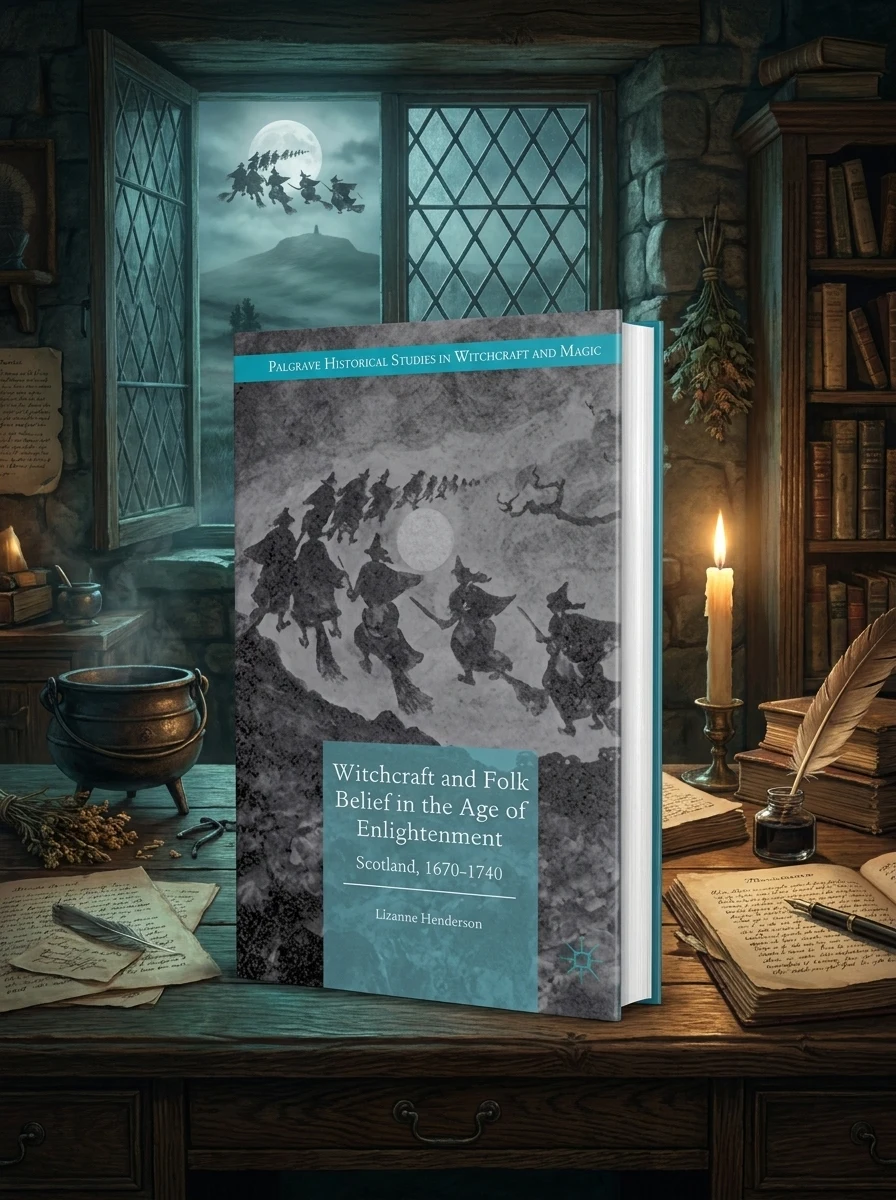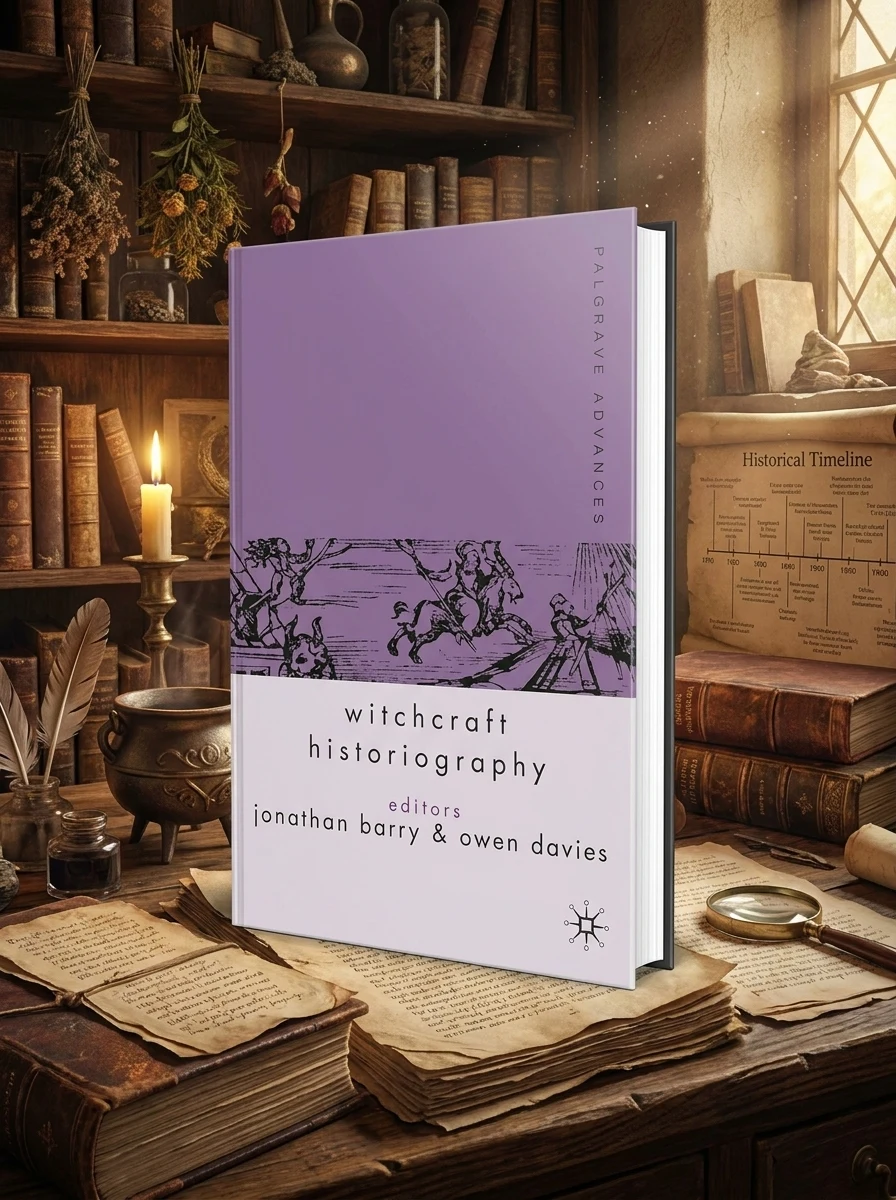
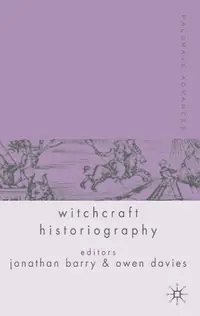
Palgrave Advances in Witchcraft Historiography (2007) Barry, J
 88
88
 Editorial score
How we rate
Editorial score
How we rate
Stock reported in the catalog; fulfillment is confirmed with your request.
Uncover how history itself shaped our understanding of witchcraft across the ages.
This groundbreaking volume stands as the inaugural comprehensive examination of witchcraft historiography, a critical field often overlooked. Rather than focusing on historical witchcraft practices, J. Barry and O. Davies meticulously trace the evolution of scholarly thought from early societal reactions to current academic methodologies. It offers a panoramic view of how interpretations have shifted over centuries, providing an essential guide to the intellectual currents that have shaped our understanding of these complex historical phenomena. Featuring insights from numerous distinguished scholars, this book is indispensable for serious students of the occult and history.
This volume occupies a unique niche within the scholarly discourse on witchcraft, bridging the gap between historical practice and the meta-analysis of how that history has been recorded and interpreted by academia.


📝 Description: Palgrave Advances in Witchcraft Historiography (2007) Barry, J
💎 Expert review
📖 Why choose it
Why this book is worth reading
This book is essential for serious students of the occult and history who wish to understand the intellectual currents shaping our view of witchcraft. It serves as an indispensable guide by tracing the evolution of scholarly thought from early societal reactions to modern methodologies. By offering a panoramic view of shifting interpretations, it helps readers grasp how historical narratives were constructed rather than just what occurred. It is particularly valuable for those seeking a comprehensive examination of this often-overlooked critical field, providing depth that goes beyond simple practice descriptions to reveal the complex academic frameworks behind them.
⭐ Reader reviews
Reader rating
While groundbreaking as the inaugural comprehensive examination of witchcraft historiography, this text demands a high level of academic engagement. It is strictly for scholars and serious enthusiasts interested in the evolution of thought, not those seeking practical rituals or narrative histories of witch trials. Readers looking for accessible storytelling or direct occult instruction will find little utility here. The dense focus on intellectual currents and academic methodologies may alienate casual readers, making it a specialized tool rather than a general interest read. It succeeds brilliantly as a reference for understanding scholarly shifts but remains inaccessible to the uninitiated.
❓ Frequently asked questions
📖 Who should read this
If you're a serious student of history, a scholar of the occult, or simply intrigued by how our understanding of the past transforms over time, this meticulous survey of witchcraft scholarship offers invaluable insights. It's for those who want to understand *how* we know what we think we know.
🎯 Key themes and symbolism
Evolving Historical Interpretations
This work diligently charts the shifting methodologies and inherent biases of historians studying witchcraft. From initial theological condemnations to Enlightenment skepticism and contemporary socio-cultural analyses, it reveals how different eras have framed the phenomenon, highlighting the dynamic nature of historical understanding itself. It's a journey through the minds of those who sought to explain the inexplicable.
The Chronological Lens
The book's structured approach meticulously examines witchcraft scholarship across time. It begins with initial societal and academic reactions, progressing through centuries of varying intellectual and popular understanding. This allows readers to grasp the historical development of ideas surrounding witchcraft, offering a clear timeline of how perceptions and research methods have evolved over time.
Diverse Scholarly Voices
By compiling contributions from a range of leading experts, the volume showcases the breadth and depth of contemporary research and debate within witchcraft studies. It underscores how various academic disciplines—from social history to cultural anthropology—contribute to our continually evolving understanding, demonstrating the multidisciplinary nature of this intricate field.
💬 Quotes from the book
“The interpretive lens through which historical witchcraft is viewed has shifted dramatically, reflecting not only new evidence but also the intellectual currents of each succeeding epoch.”
“Understanding the historian's own positionality and the prevailing academic paradigms is as crucial to witchcraft studies as analyzing primary source material.”
📜 Historical context
📚 Glossary
- Historiography
- Witchcraft Studies
- Chronological Structure
📔 Questions to reflect on
- How might current societal beliefs and academic trends influence how we understand historical witchcraft today, compared to the perspectives examined in this book?
- Consider a historical event or phenomenon you've studied: How have its interpretations changed over time, and what does that reveal about the nature of historiography?
- If you were to research a historical witch trial, what historiographical questions would you prioritize before examining the primary sources themselves?
🏛 Books from this publisher Palgrave MacMillan
All books from this publisher →
You might also like
See more →