The question "What are the best witchcraft books?" has no single answer because witchcraft itself refuses to be pinned down. Some practitioners build their craft from nature and the seasons. Others work with ancient deities. Still others blend folk tradition with modern psychology, or kitchen magic with manifestation work. The books that matter most are the ones that speak to your path—and help you walk it with intention and skill.
What makes a witchcraft book "best" isn't polish or popularity. It's whether the author has actually practiced what they teach, whether they respect the tradition they're writing from, and whether they meet you with honesty instead of hype. After years of hand-selling these books, we've learned which ones earn their shelf space through depth, clarity, and real utility.
Below, we've grouped the strongest witchcraft books by what you're actually looking for: your first steps into practice, the history that grounds modern witchcraft, the difference between Wicca and other traditions, and spellwork that works. Each book is here because it does something specific well.
For Your First Steps: Clear, Welcoming Foundations
Starting a witchcraft practice can feel overwhelming. Too many books promise instant power or assume you already know the language. The best entry points are honest about what witchcraft is—a craft, not a shortcut—and they teach you to observe, listen, and build slowly.
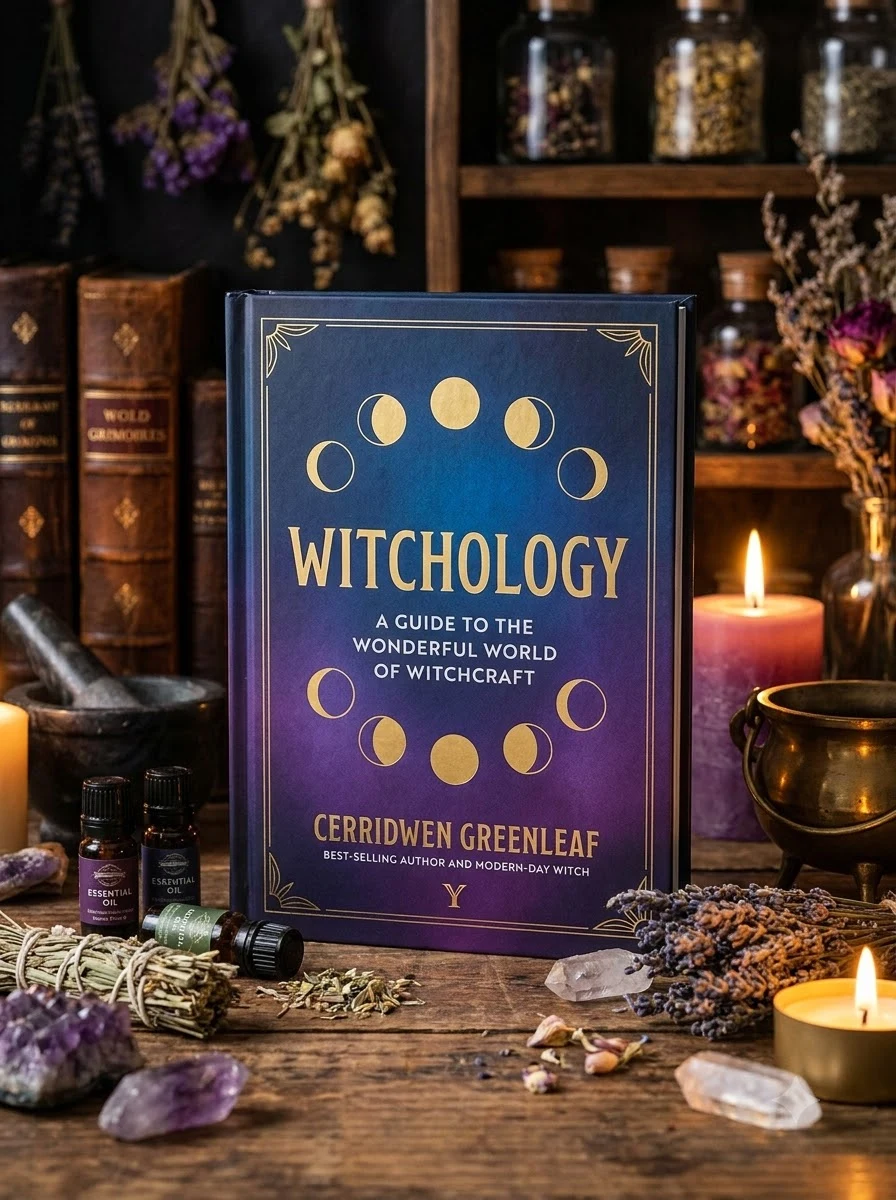
1. Witchology: An Illustrated Compendium of Magical Know-How — Cerridwen Greenleaf
Witchology works because it treats you like an intelligent person who simply hasn't done this before. The illustrations aren't decorative—they show you how to set up an altar, how to hold a wand, what a proper circle looks like. Greenleaf covers the essentials: correspondences, the wheel of the year, basic ritual structure, and the ethics that should guide your work. It's thorough without being dense, and it respects both tradition and the reader's time.
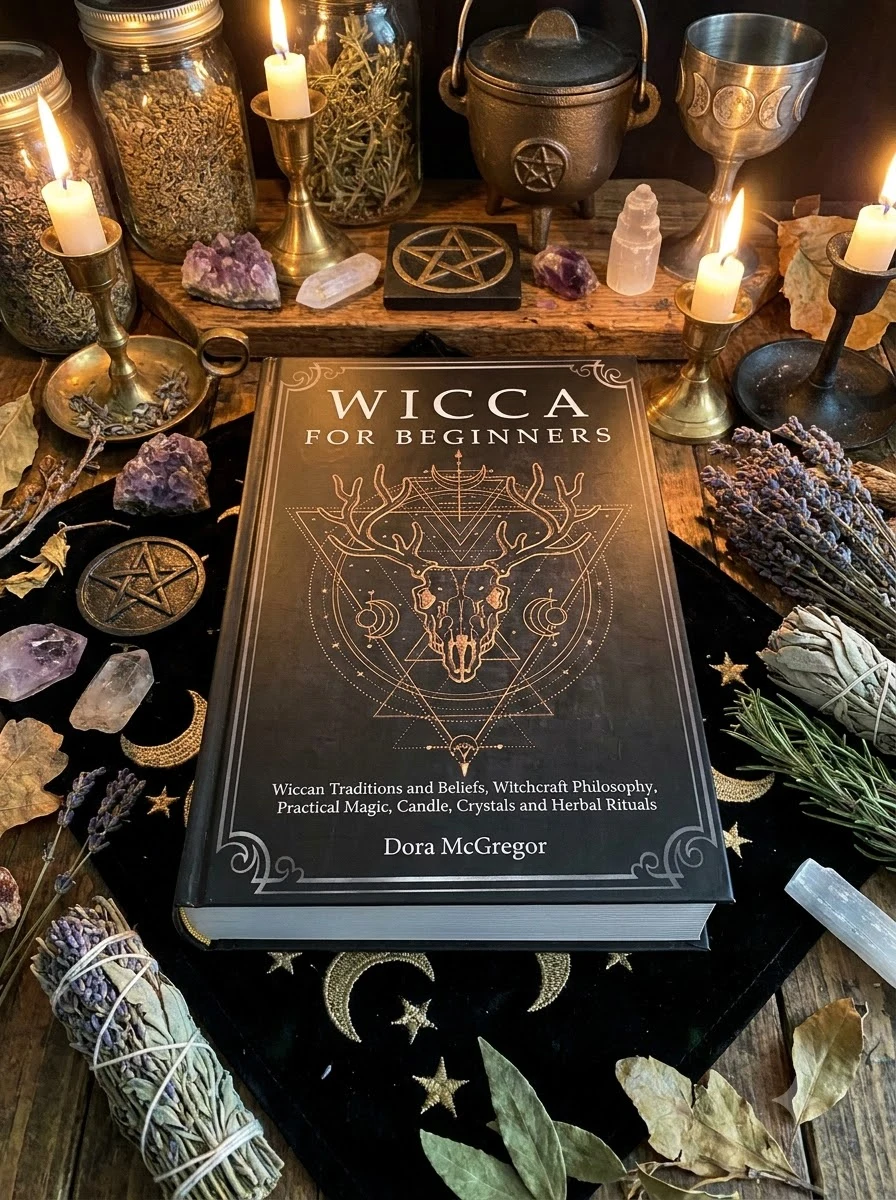
2. Wicca for Beginners: Wiccan Traditions and Beliefs, Witchcraft Philosophy, Practical Magic, Candle, Crystals and Herbal Rituals — Dora McGregor
Wicca for Beginners is built for the person who feels a pull toward nature-based spirituality but doesn't know where to start. McGregor walks through the core beliefs of Wicca—the Divine Feminine and Masculine, the Wheel of the Year, the elements—and then shows you how to actually practice: how to light a candle with intention, how to work with herbs, how to build a simple ritual. It's grounded and practical.
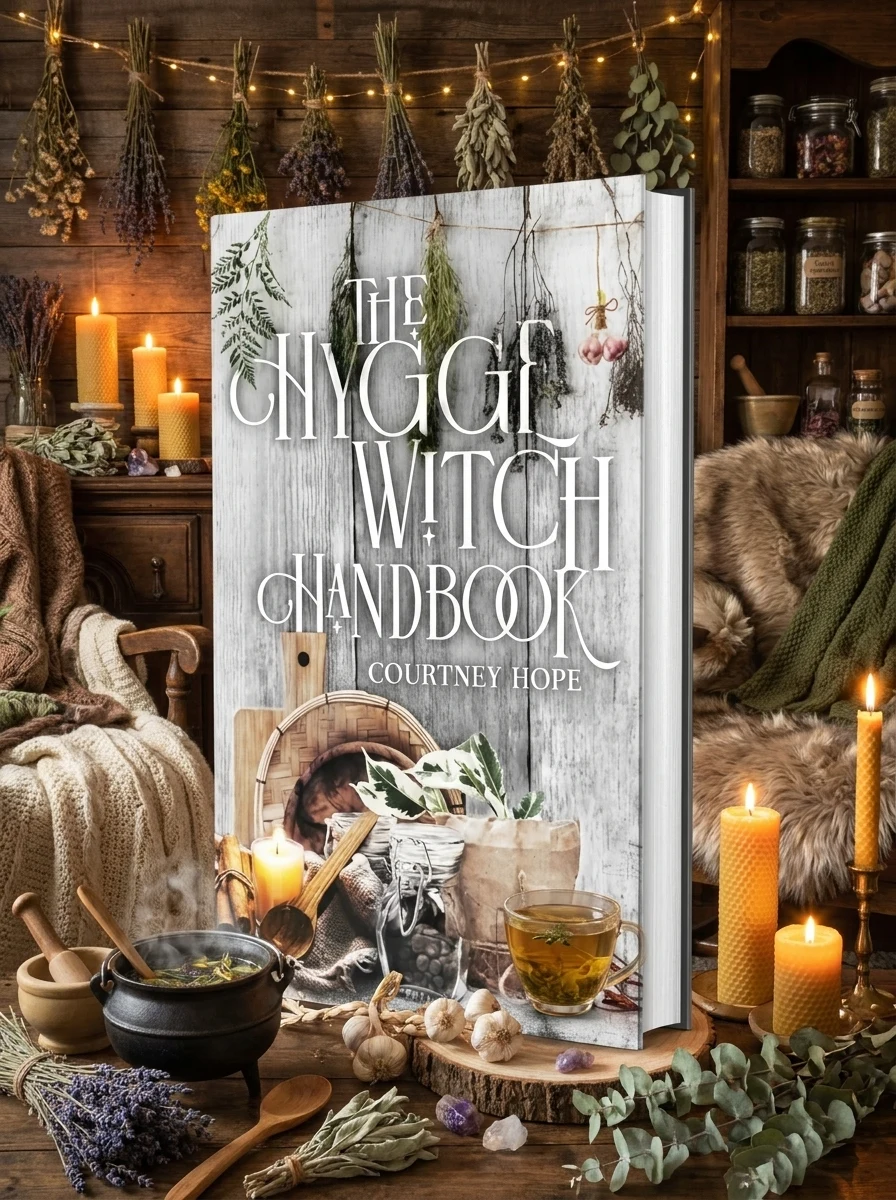
3. The Hygge Witch Handbook — Courtney Hope
Not everyone's witchcraft looks like candlelit circles in the forest. The Hygge Witch Handbook teaches you to infuse magic into the everyday: your kitchen, your bedroom, your morning tea. If you're drawn to comfort, warmth, and domestic magic—if your altar might be a shelf in your living room—this book gives you permission and practical ways to practice where you actually live.
Understanding the Roots: History That Matters
Modern witchcraft didn't emerge from nowhere. It grew from folk traditions, from the persecution of women healers, from ancient goddess worship, and from the deliberate reclamation of a word meant as an insult. Understanding this history changes how you practice—it grounds you in something real instead of something invented last year.
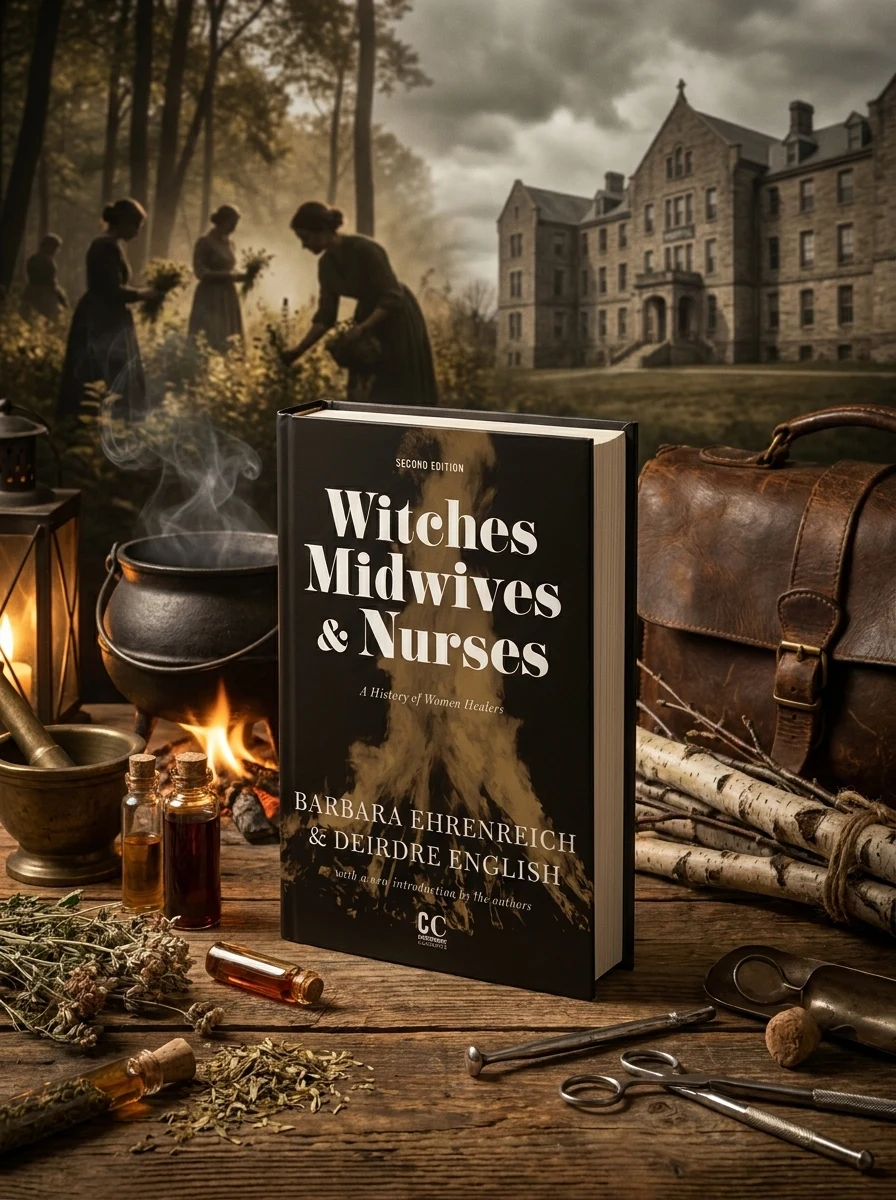
4. Witches, Midwives, & Nurses (Second Edition): A History of Women Healers — Barbara Ehrenreich
Witches, Midwives, & Nurses is essential reading because it shows you what "witch" actually meant in history: a woman with knowledge. Ehrenreich traces how women healers—midwives, herbalists, wise women—were systematically pushed out of medicine and demonized as witches. This book is not about magic spells; it's about power, gender, and how the word "witch" became a weapon. If you want to understand why reclaiming that word matters, start here.
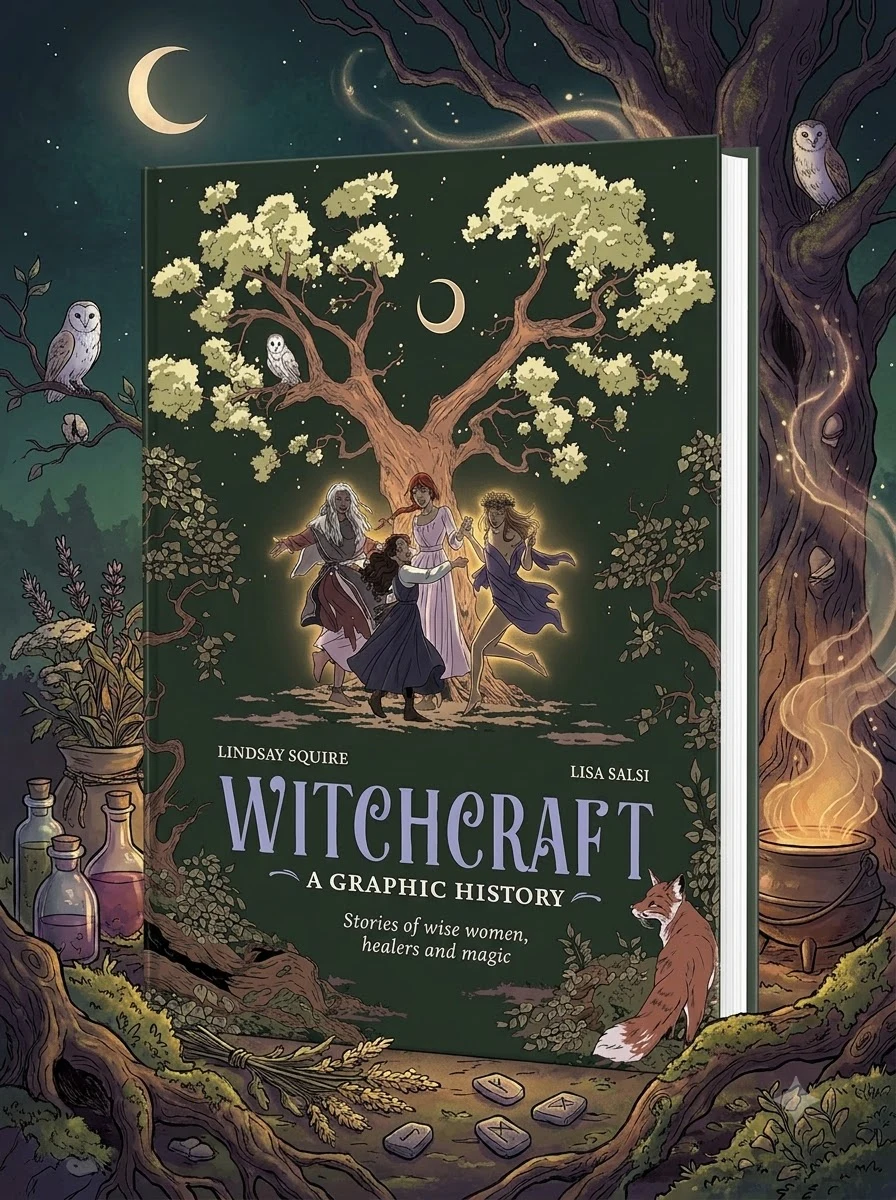
5. Witchcraft: A Graphic History: Stories of Wise Women, Healers and Magic — Lindsay Squire
Witchcraft: A Graphic History does something rare: it tells the true story of witchcraft through visual narrative. Squire moves through different cultures and time periods—from ancient midwives to modern practitioners—and shows you the real diversity of witchcraft traditions. The illustrations make history immediate and human in a way prose alone cannot.
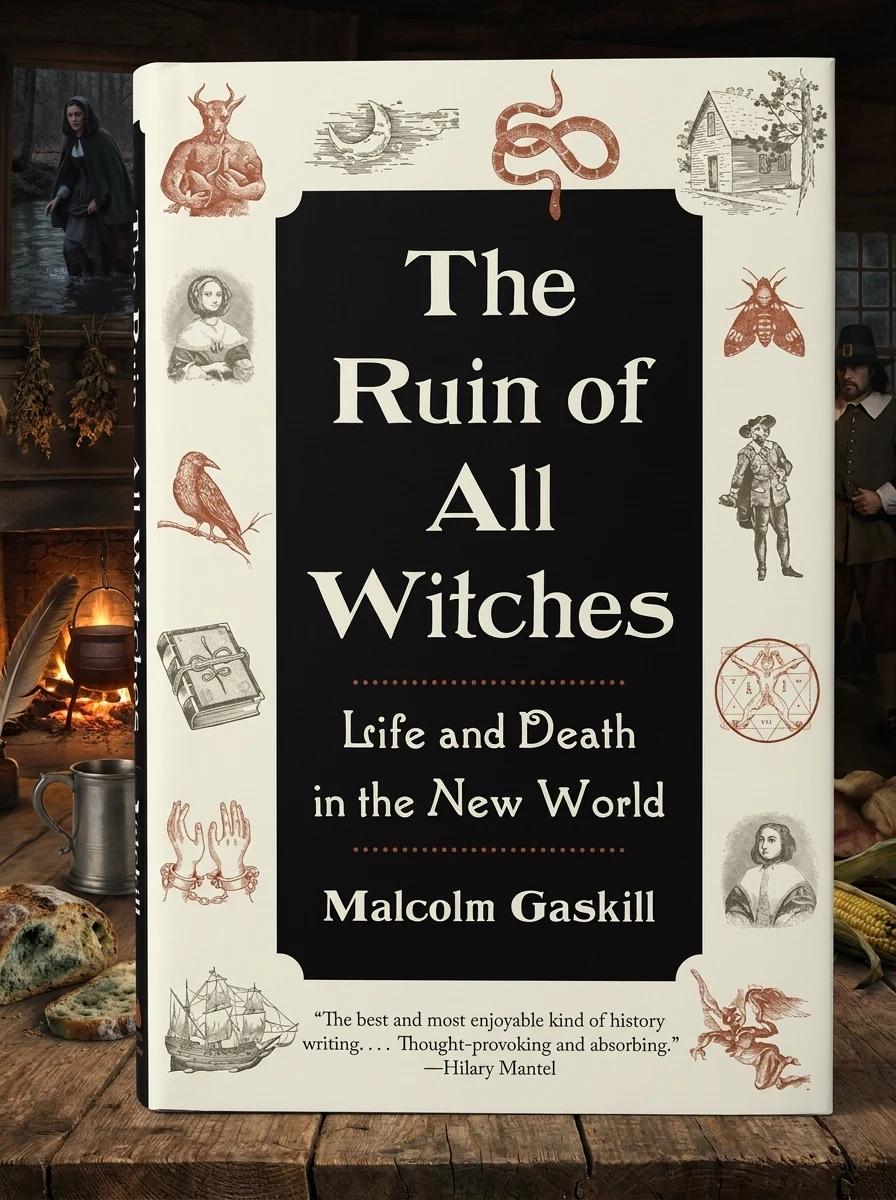
6. The Ruin of All Witches: Life and Death in the New World — Malcolm Gaskill
If you want to understand the American witch trials beyond Salem, The Ruin of All Witches is the book. Gaskill reconstructs the life of Mary Parsons and the witchcraft panic in 1600s Connecticut with meticulous research and genuine narrative power. It shows you how fear, faith, and social fracture created the conditions for accusation. This is history that reads like a thriller because it was real.
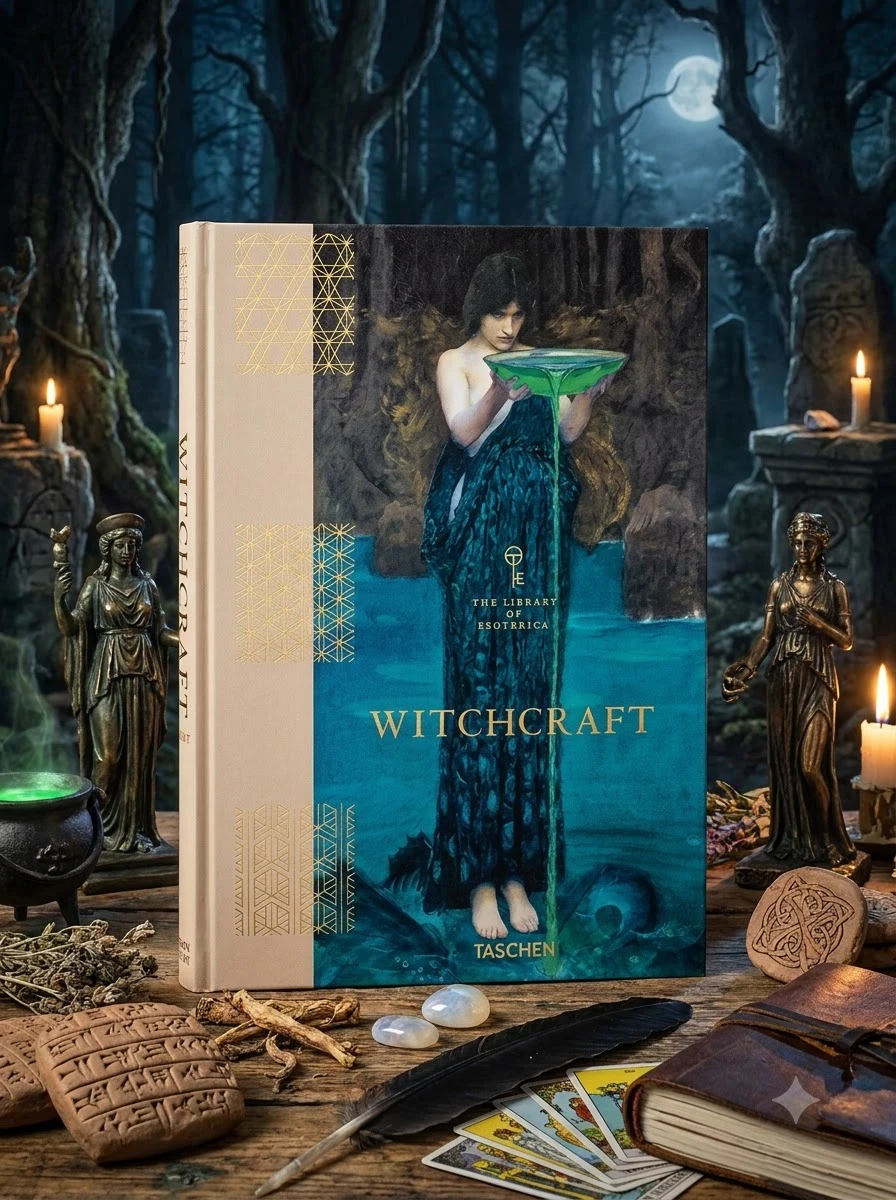
7. Witchcraft. The Library of Esoterica — Jessica Hundley
Witchcraft. The Library of Esoterica is a visual and intellectual feast. Hundley weaves together art history, occult philosophy, and the evolution of witchcraft imagery from medieval manuscripts to contemporary practice. If you want to understand how witchcraft has been imagined, feared, and reclaimed across centuries, this book shows you through stunning images and sharp analysis.
Wicca, Folk Magic, and Other Paths: Know What You're Choosing
"Witchcraft" and "Wicca" are not the same thing. Wicca is a specific religion, founded in the 1950s, with structured rituals and a focus on the God and Goddess. Folk witchcraft is older, more varied, and less concerned with formal ceremony. Some practitioners blend them. Others choose one path entirely. The best books in this section help you understand what you're actually choosing.
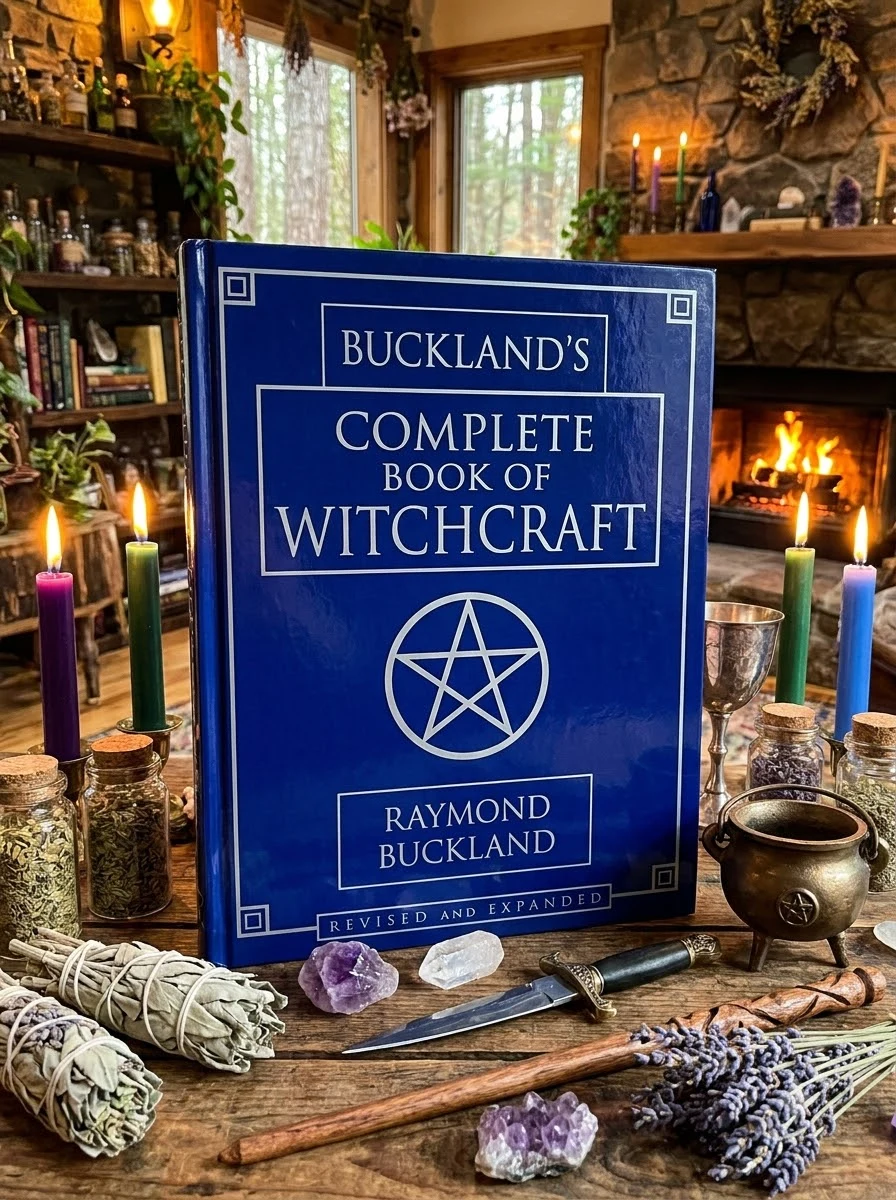
8. Buckland's Complete Book of Witchcraft — Raymond Buckland
Buckland's Complete Book of Witchcraft is the standard text for structured Wiccan practice. Buckland, a High Priest of Gardnerian Wicca, teaches the religion as a coherent system: the theology, the ritual structure, the seasonal celebrations, the initiation process. If you want to understand Wicca as a formal tradition—or if you're drawn to that kind of structured, ceremonial approach—this is where to go. It's comprehensive and respectful of the lineage.
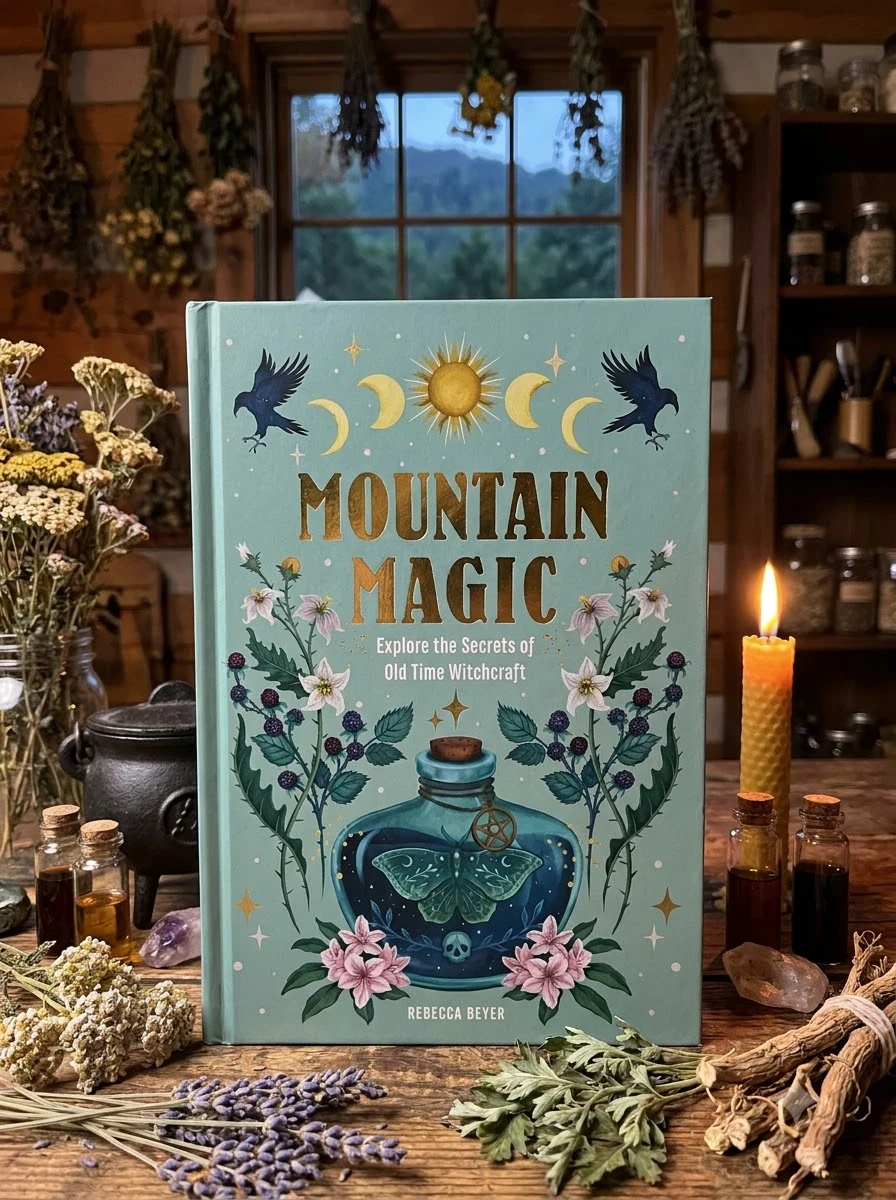
9. Mountain Magic: Explore the Secrets of Old Time Witchcraft — Rebecca Beyer
Mountain Magic represents a different lineage entirely: Appalachian folk witchcraft. Beyer teaches from actual tradition, not invented practice. You'll learn about rootwork, plant magic, and the practical magic of people who lived close to the land. If you're drawn to folk traditions rather than ceremonial Wicca, this book shows you a real path with real roots.
10. Wild Witchcraft: Folk Herbalism, Garden Magic, and Foraging for Spells, Rituals, and Remedies — Rebecca Beyer
Wild Witchcraft teaches you to work with plants as a witch actually does: by knowing them, growing them, harvesting them, and understanding their properties through practice. Beyer's approach is grounded in herbalism and ecology. You're not buying pre-made ingredients; you're building a relationship with the plants themselves. This is witchcraft as a skill, not a belief system.
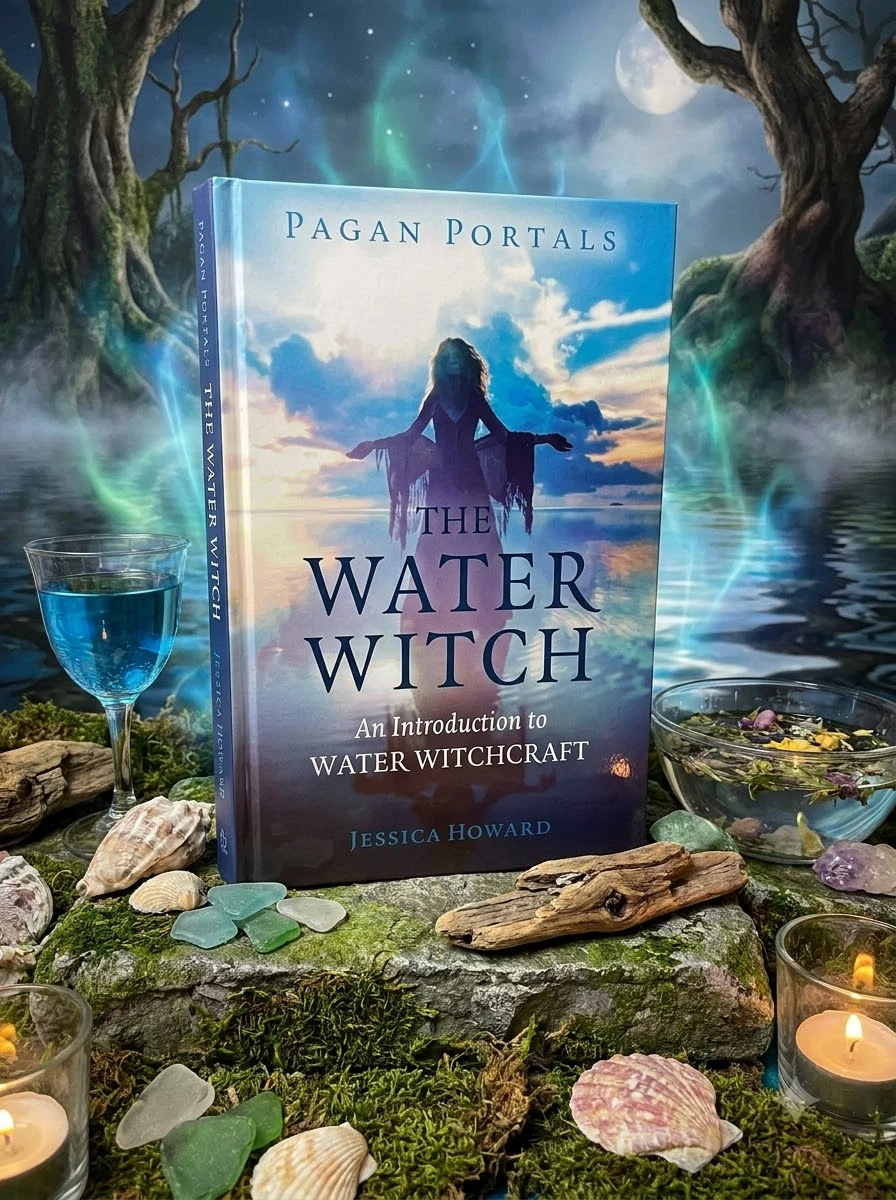
11. Pagan Portals - The Water Witch: An Introduction to Water Witchcraft — Jessica Howard
The Water Witch opens a specific path: magic worked through water, rivers, the ocean, and rain. Howard teaches both the spiritual and practical sides—the symbolism of water in tradition, and how to actually work with it in ritual and daily practice. If you feel called to water, this book gives you a framework and real techniques.
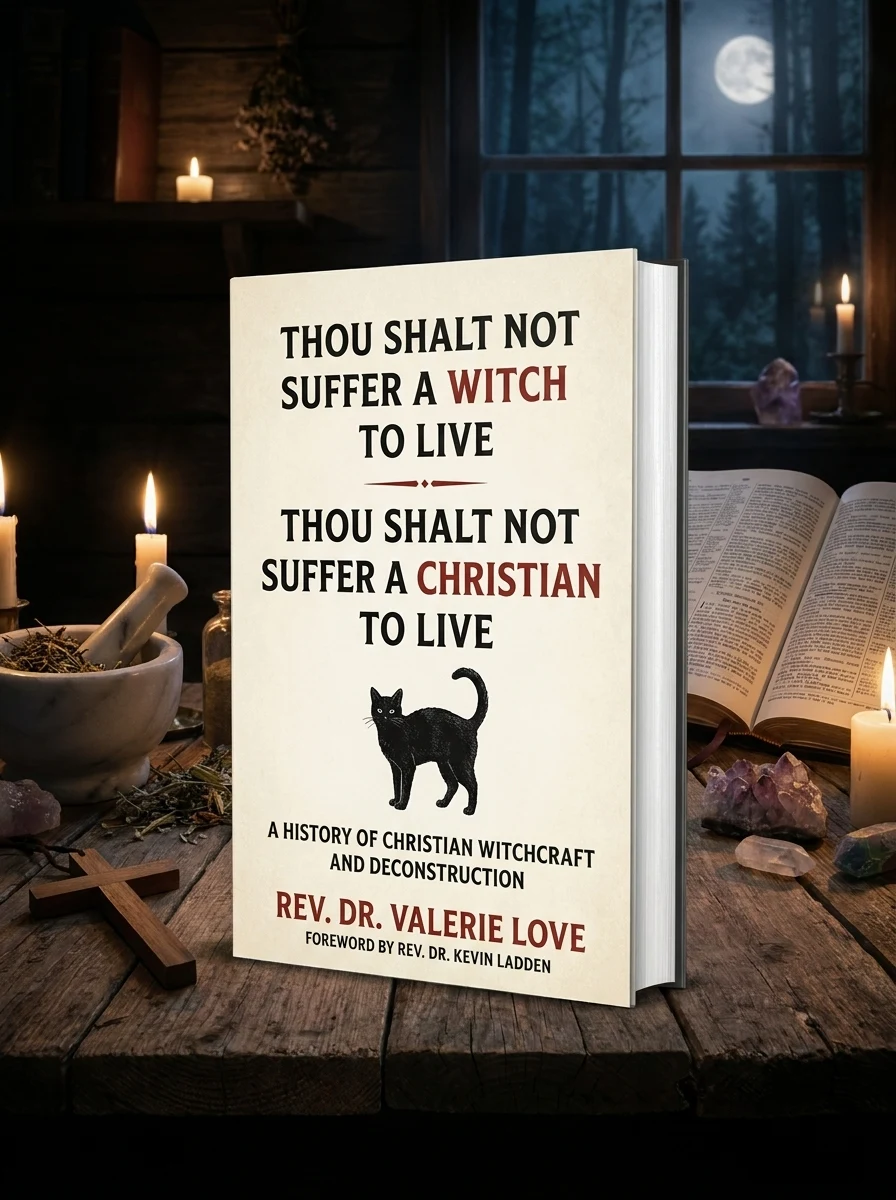
12. Discovering Christian Witchcraft: A Beginner's Guide for Everyday Practice — Sara Raztresen
Discovering Christian Witchcraft exists for people who feel torn between their Christian faith and their draw to witchcraft. Raztresen shows you that these paths can coexist—that you can work with Jesus, Mary, and the saints as spiritual allies in magical practice. This book is rare and necessary.
Spellwork and Practical Magic: Books That Teach You to Do Something
At some point, you want to actually cast a spell. Not to "manifest abundance" through positive thinking, but to work with intention, energy, and the materials at hand. These books teach spellwork as a craft: how to structure a spell, what ingredients matter and why, and how to know if it worked.
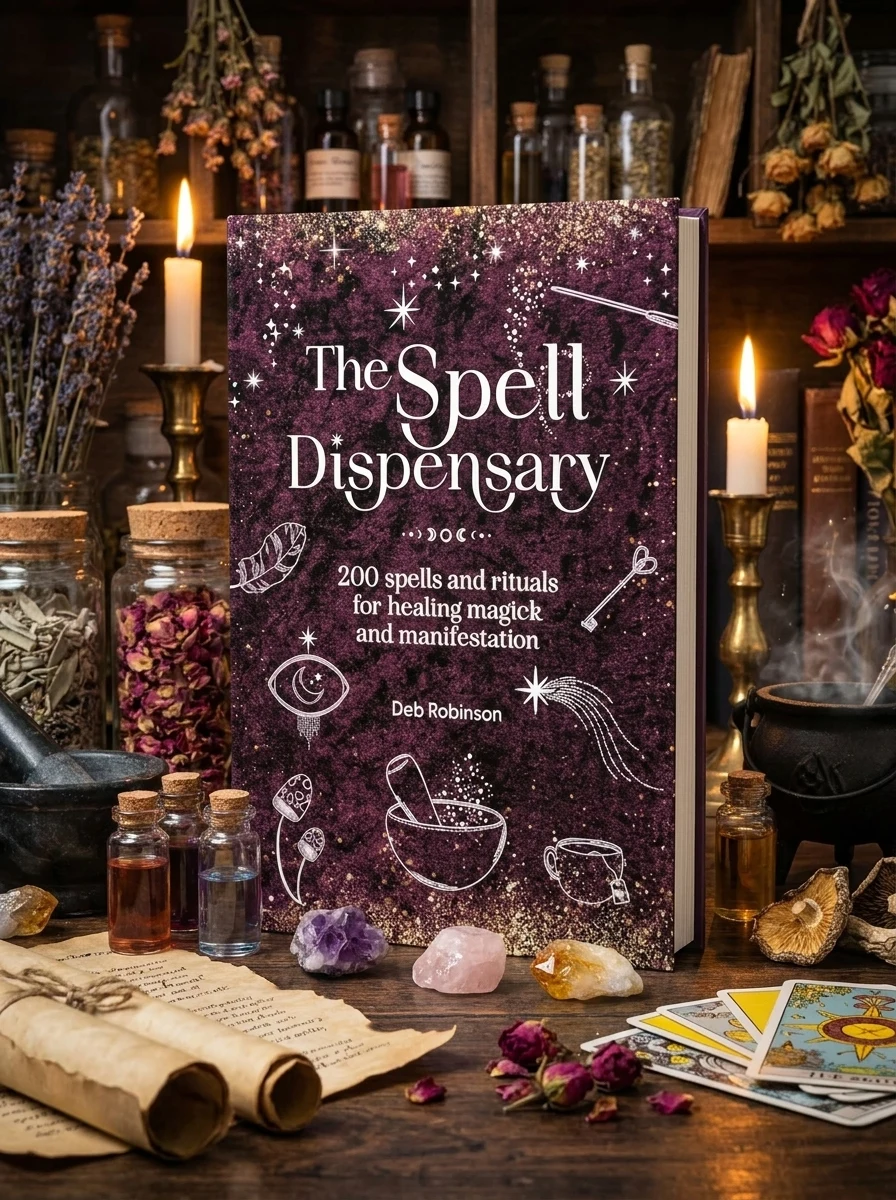
13. The Spell Dispensary: 200 Spells and Rituals for Healing, Magick, and Manifestation — Deb Robinson
The Spell Dispensary is exactly what it claims: a working grimoire. Robinson provides 200 spells organized by intention—healing, protection, love, prosperity, justice—with clear instructions and ingredient lists. The spells are accessible without being dumbed down. You can use them as written or adapt them to your own practice. This is a book you'll return to repeatedly.
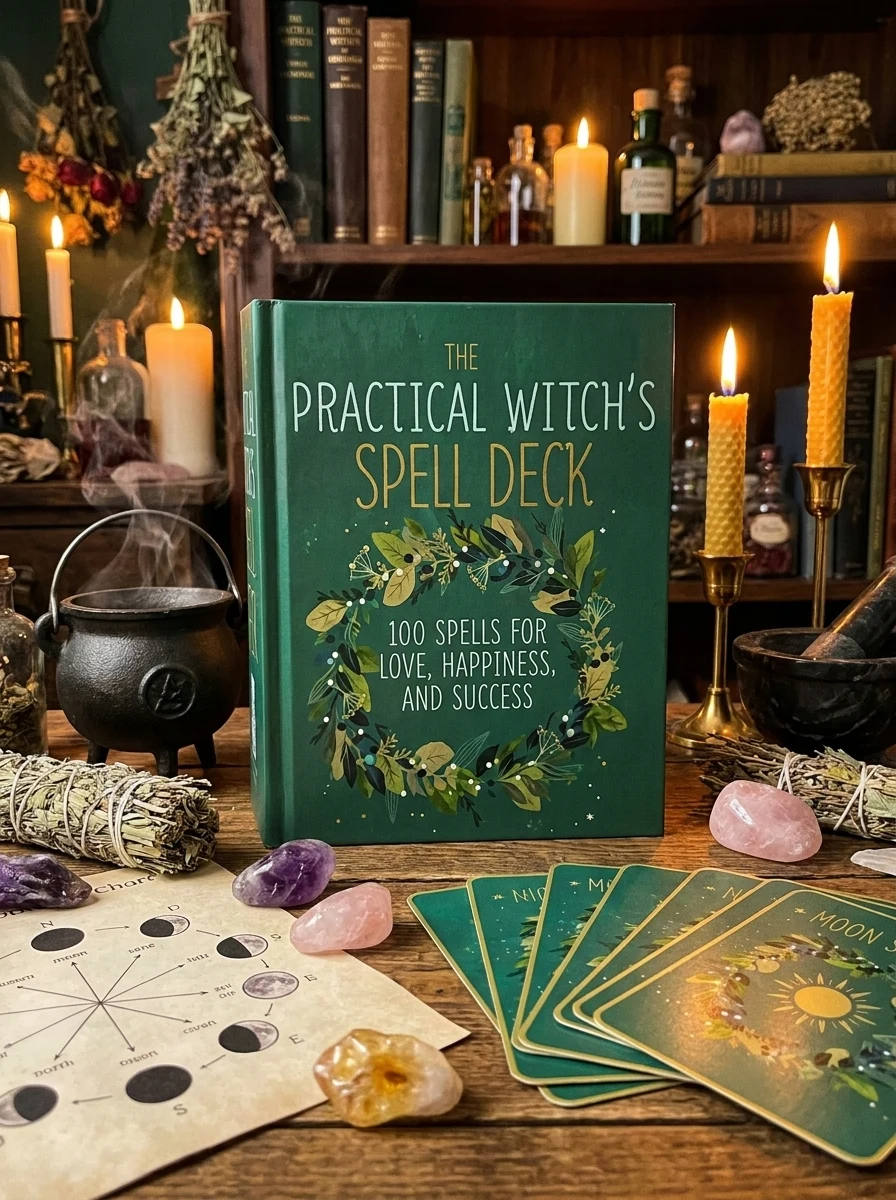
14. The Practical Witch's Spell Deck: 100 Spells for Love, Happiness, and Success — Cerridwen Greenleaf
The Practical Witch's Spell Deck works differently: each card is a complete spell you can pull when you need it. Greenleaf's spells are genuinely practical—they fit into real life, they don't require obscure ingredients, and they're written with humor and honesty. This is witchcraft for the person who wants magic but also has a job and a mortgage.
15. Spells for Beginners, Reversal & Protection Magick: A Complete Guide to Spellcasting, Witchcraft and Protection Magick to Break Hexes & Banish Negativity — Sofia Visconti
Spells for Beginners focuses on protection and reversal work—the spells you actually need when something feels wrong. Visconti teaches you how to shield yourself, how to break unwanted patterns, and how to work with banishing magic. The tone is clear and grounded; there's no mystique, just technique.
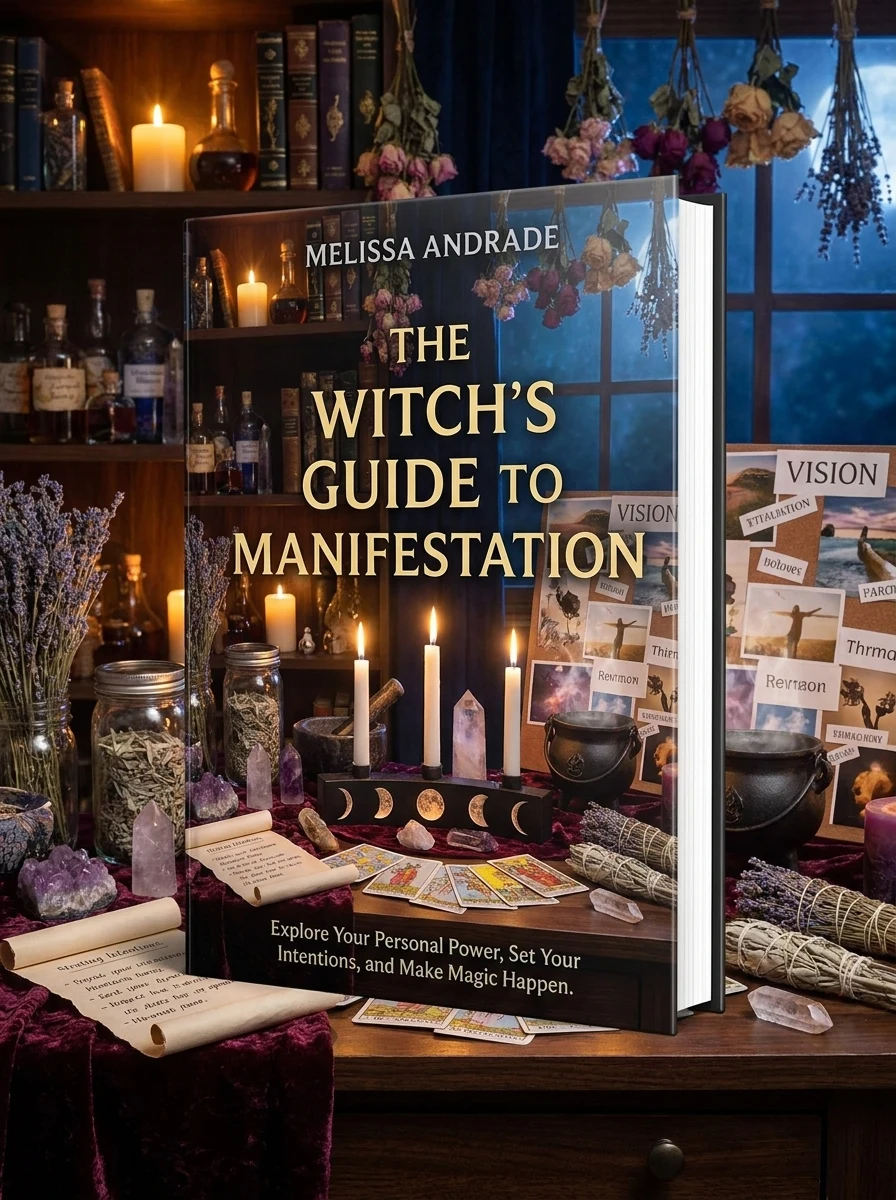
16. The Witch's Guide to Manifestation: Witchcraft for the Life You Want — Mystic Dylan
The Witch's Guide to Manifestation bridges witchcraft and intentional living. Dylan teaches you how to use magic not for supernatural results, but to clarify your own will and align your actions with your values. This is witchcraft as a tool for personal power and deliberate choice—practical magic for the life you actually want to build.
How to Choose Your First Book
If you're completely new, start with either Witchology or Wicca for Beginners. Both are under $20, both teach the fundamentals, and both respect your intelligence. Read one all the way through before buying another.
If you want to understand the history first—if you need to know why witchcraft matters before you practice it—read Witches, Midwives, & Nurses or Witchcraft: A Graphic History. These books ground your practice in something real.
If you know you're drawn to folk magic rather than ceremonial Wicca, skip the formal texts and go straight to Mountain Magic or Wild Witchcraft. These books teach from actual tradition.
If you want spells immediately, The Practical Witch's Spell Deck is fast and useful. But read at least one foundational book alongside it. Spells work better when you understand what you're doing.
The best witchcraft book is the one you'll actually read—and then return to. Choose based on what calls to you, not what you think you should read. Your practice will be stronger for it.