When someone asks where to start with Pagan Portals books, the tempting answer is to give them a list and let them work from the first title onward. That is not really how this series works. Pagan Portals is built around focused subjects: individual deities, particular traditions, mythology, witchcraft approaches, folklore, and ways of relating to the seasons. The better question is not “Which volume comes first?” but “Which doorway is closest to the path I want to explore?”
That makes Samhain a particularly good time to choose one. The season naturally raises questions about ancestors, death and transformation, spirits, old stories, the turning year, and the many ways Pagan traditions interpret the darker half of the year. The titles below are not a complete catalog of the series. They are ten useful entry points, arranged by interest, so you can choose a book that matches your reason for opening the shelf in the first place.
If Samhain has you thinking about goddesses
Goddess-focused Pagan Portals books make up one of the clearest paths through the series. They are especially useful if you would rather begin with a particular deity or devotional current than start with a general survey of Paganism.
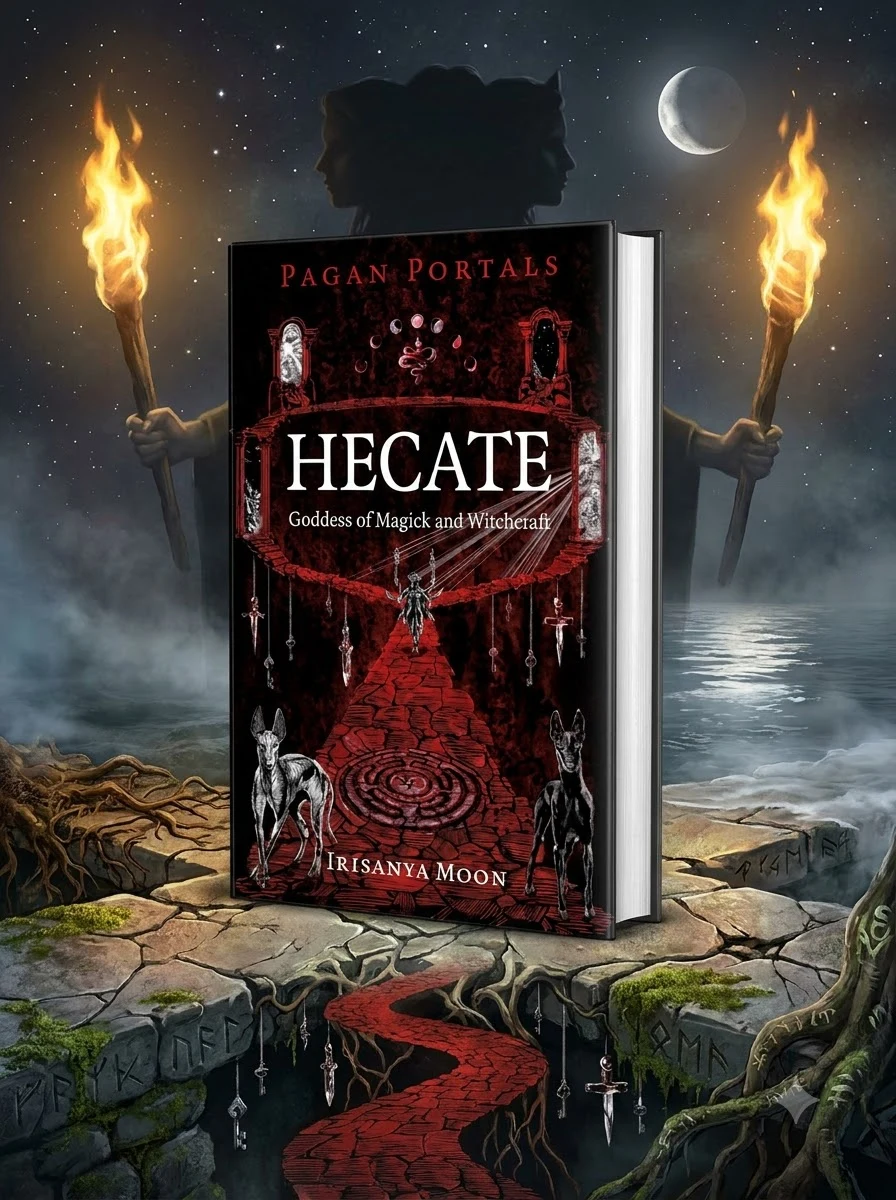
1. Pagan Portals - Hecate, Goddess of Magick and Witchcraft — Irisanya Moon
Hecate is an especially natural subject for a Samhain-season reading list because the book centers on a goddess associated in the catalog description with magic and witchcraft, as well as with navigating life's complexities. The catalog positions it for people who feel drawn to Hecate's presence or want to deepen their understanding of her. Choose this if your interest in the season is primarily spiritual and deity-centered rather than historical. If your own Worldview already gives Hecate a significant place, this focused title provides a direct place to begin.
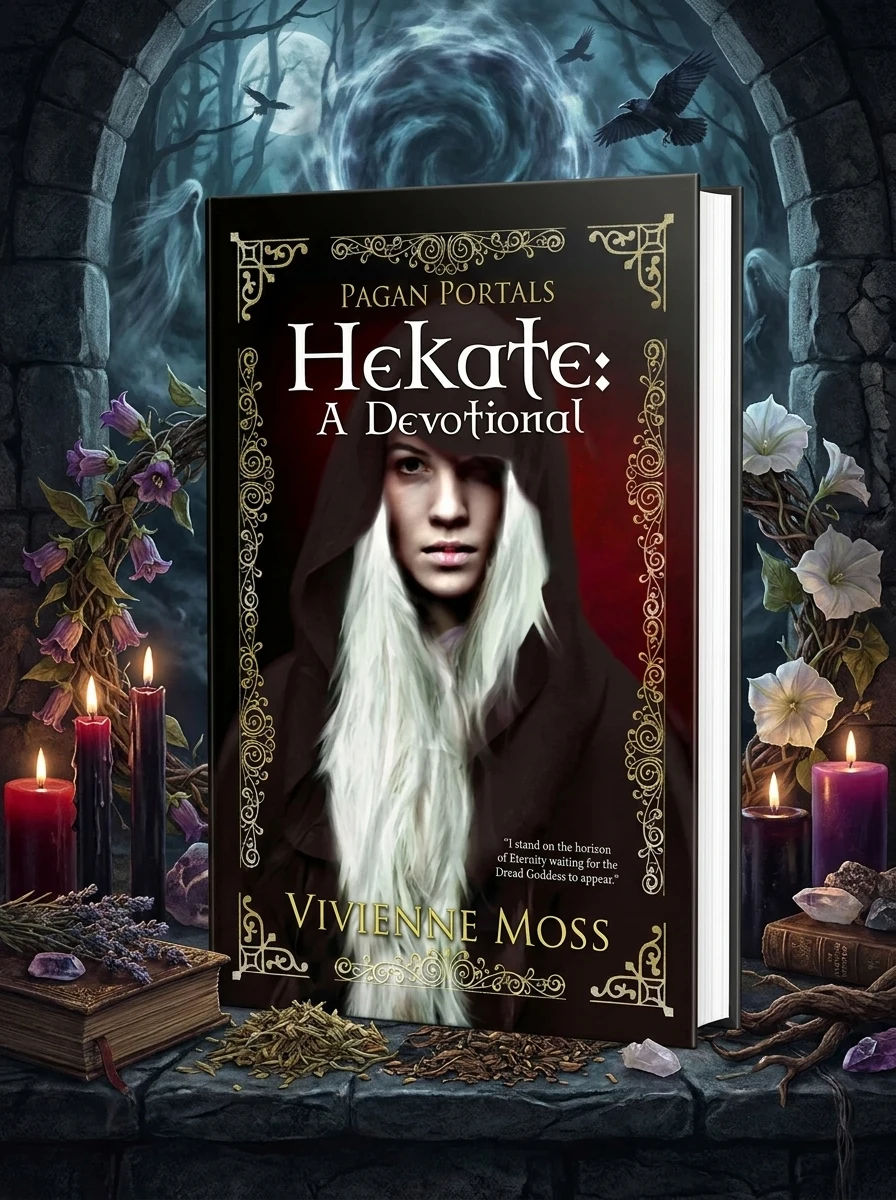
2. Pagan Portals - Hekate: A Devotional — Vivienne Moss
This is another Hekate entry, but the devotional framing makes it a distinct choice from a broader goddess study. Its catalog description points toward magic, night, and transformation, making it suited to someone approaching Hekate through personal spiritual practice. If you want your Samhain reading to lead naturally toward devotional work, this is one of the most direct starting points in the catalog.
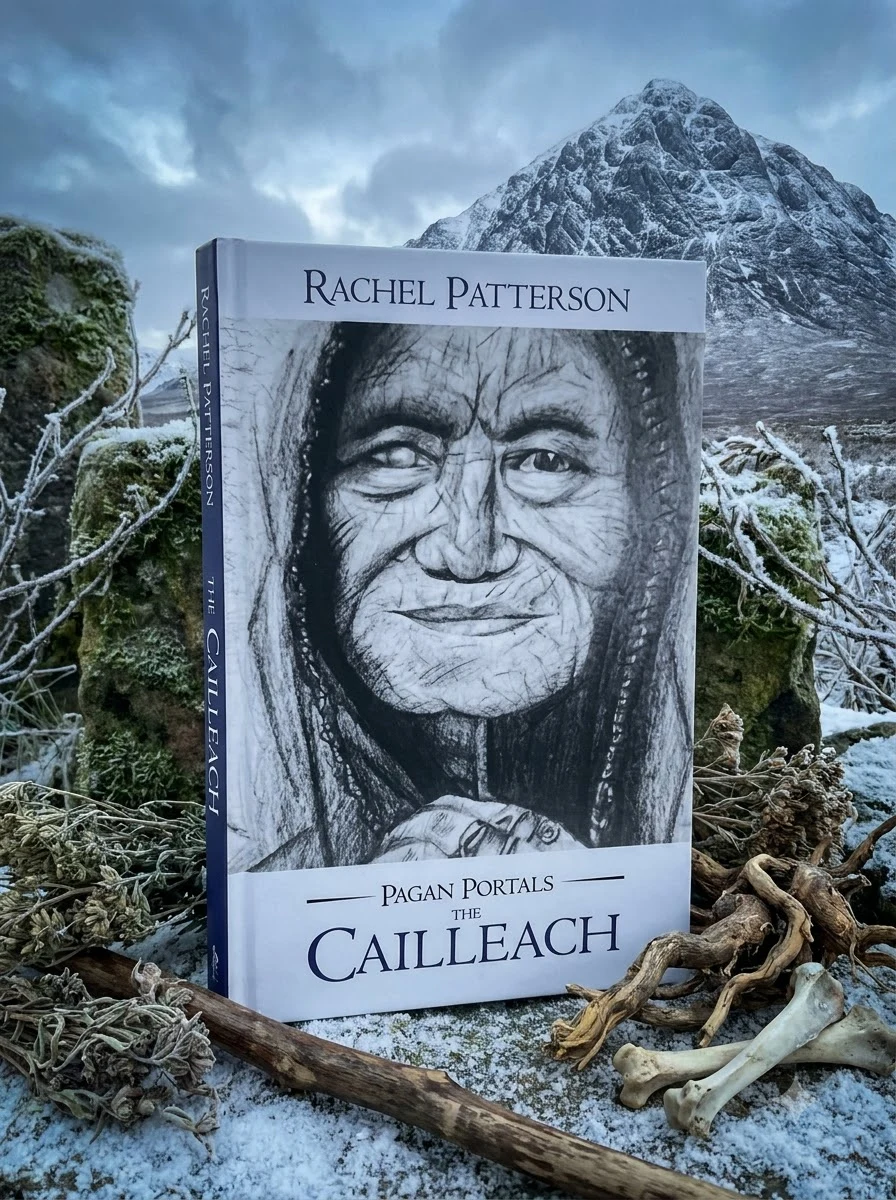
3. Pagan Portals - The Cailleach — Rachel Patterson
For a reader whose attention turns toward winter, age, sovereignty, and Celtic goddess traditions as the year darkens, The Cailleach offers a different route. Its catalog description specifically points toward ancient goddess traditions and the spiritual currents of winter. It is a strong choice when you want the season itself to shape your reading rather than simply using Samhain as a backdrop for general witchcraft. It also suits someone whose interests connect seasonal change with a Celtic spiritual Worldview.
If you want mythology, folklore, and older stories
Another way into Pagan Portals is through story. Mythology and folklore can provide cultural context without requiring you to begin with a particular modern practice. This route is especially appealing if your idea of Samhain includes storytelling, seasonal lore, spirits, and the persistence of old traditions.
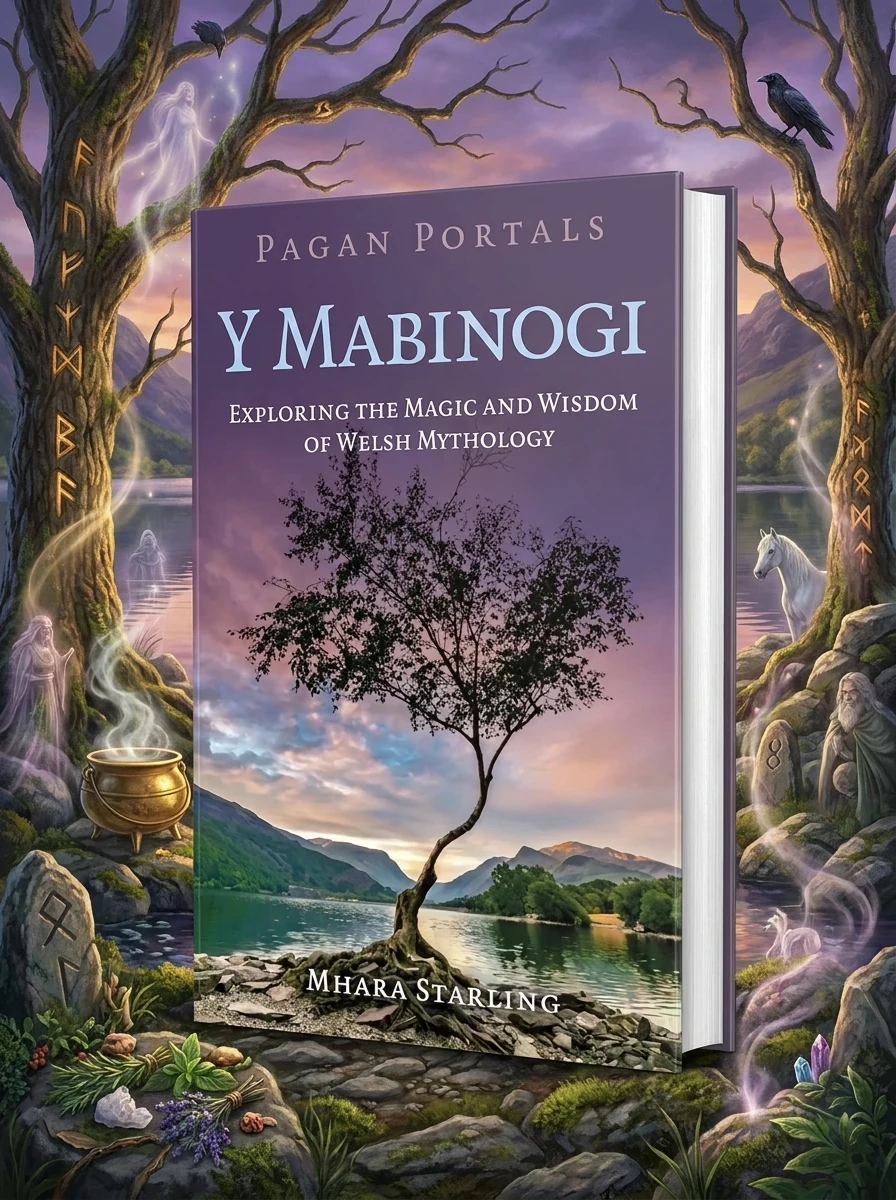
4. Pagan Portals: Y Mabinogi: Exploring the Magic and Wisdom of Welsh Mythology — Mhara Starling
Choose this one if Welsh mythology is the thread that keeps pulling you toward Pagan reading. The book approaches the Mabinogi through its magic and wisdom, making it a sensible choice for readers interested in Celtic lore as a source of spiritual reflection as well as narrative. It is less about giving you a generic introduction to Paganism and more about giving a particular mythological tradition room to speak. That focused approach can work well when you want your reading to center on stories rather than a general survey.
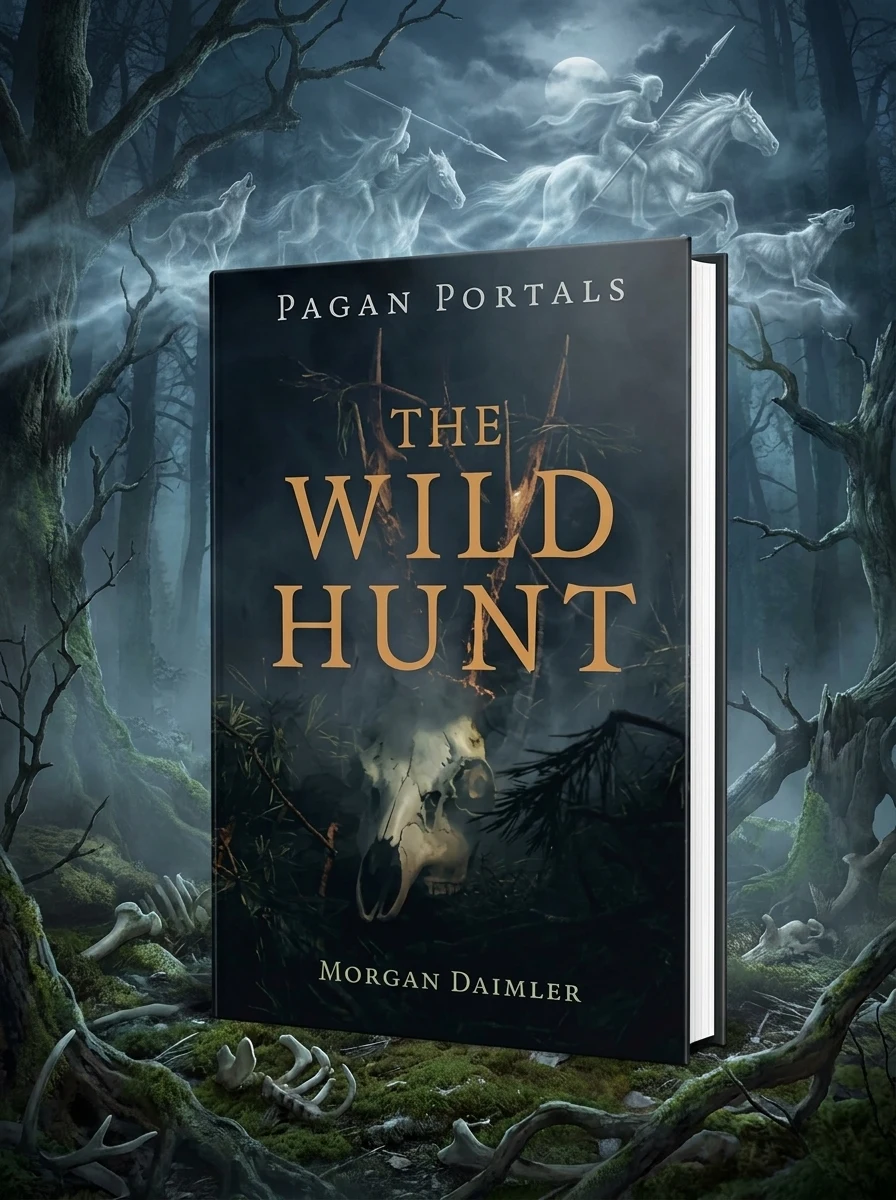
5. Pagan Portals - The Wild Hunt — Morgan Daimler
The Wild Hunt is an excellent thematic fit for the darker season, particularly for readers fascinated by European folklore, nature spirits, and encounters with the uncanny. The catalog describes this volume as an introduction to Pagan ways of interacting with powerful nature spirits and ancient European folklore. Pick it if you want your Samhain reading to feel folkloric and atmospheric while still remaining connected to Pagan spirituality.
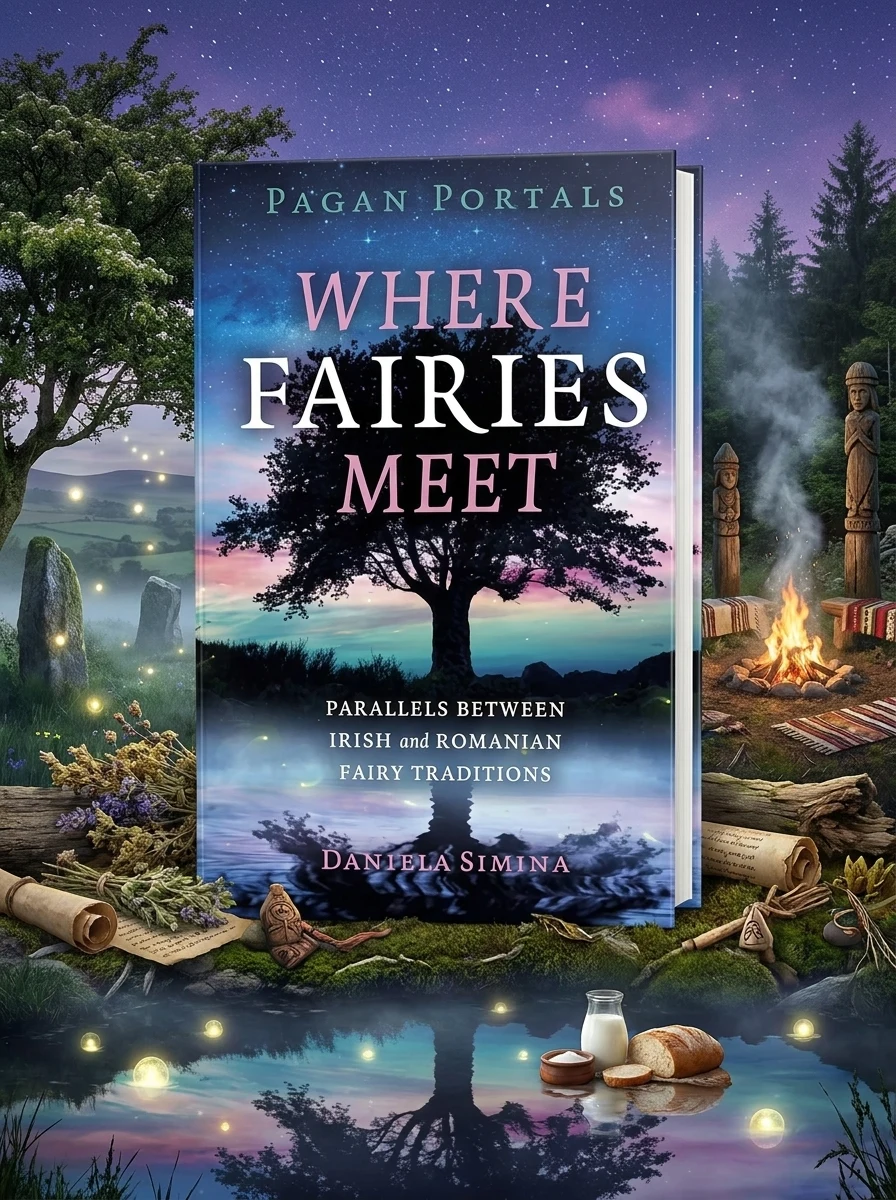
6. Pagan Portals - Where Fairies Meet: Parallels Between Irish and Romanian Fairy Traditions — Daniela Simina
This is the most comparative choice in the list. It examines parallels between Irish and Romanian fairy traditions, making it a good fit for anyone interested in how supernatural folklore persists across different cultural settings. If the Samhain question you keep returning to is “What did different peoples believe about the beings beyond ordinary human experience?”, this is a particularly promising doorway. It also provides a useful option for someone who wants folklore to remain the main subject rather than moving immediately into devotional practice.
If you want a broader Pagan practice
Not every reader comes to Pagan Portals looking for one deity or a particular body of folklore. Some want to understand what a Pagan path might look like in practice. For those readers, the series includes titles that provide a broader framework without requiring a single deity to be the center of attention.
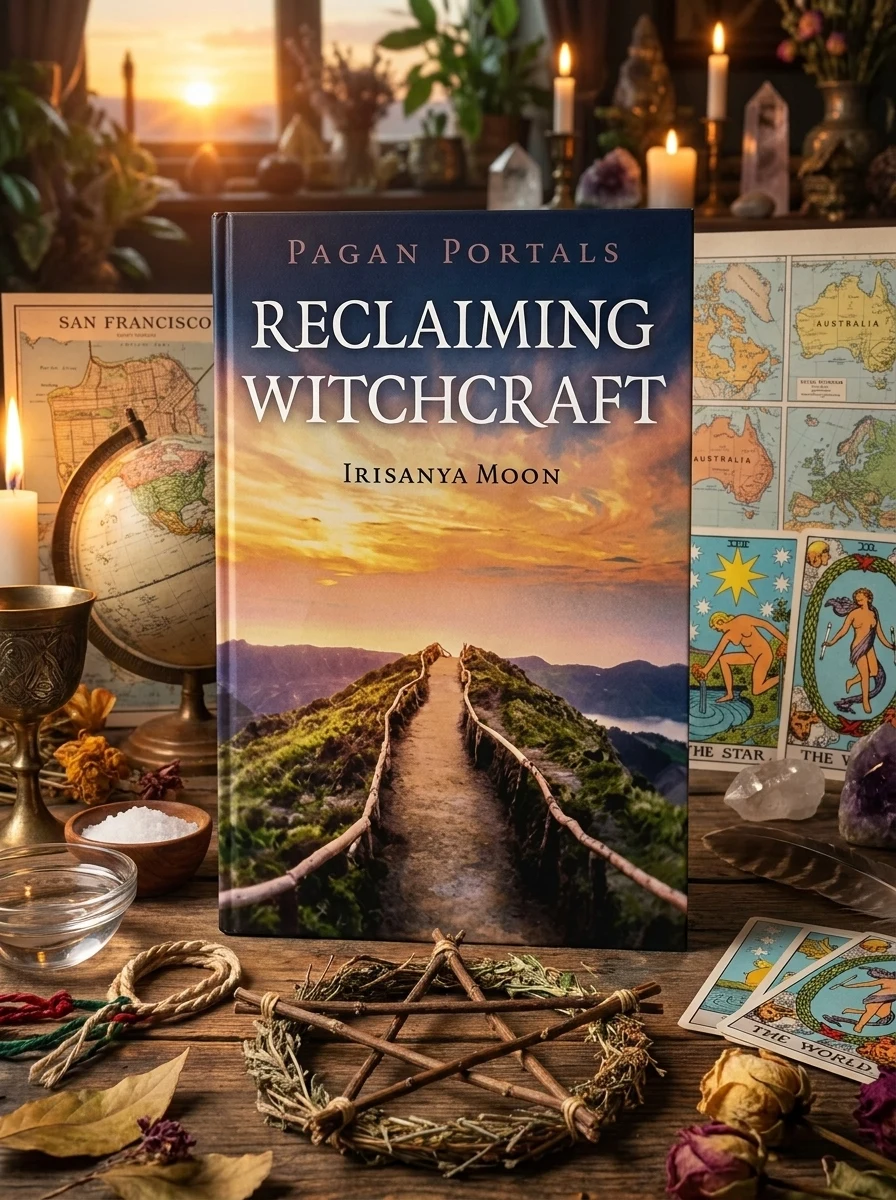
7. Pagan Portals - Reclaiming Witchcraft — Irisanya Moon
Reclaiming Witchcraft is a practical starting point for readers curious about earth-based spirituality and a structured witchcraft path. The catalog description emphasizes an empowering approach and presents the book as a well-rounded introduction. If you are approaching Pagan Portals because Samhain has prompted a broader interest in witchcraft, rather than a fascination with one historical figure or deity, this is one of the clearest places to begin. It is also a reasonable choice if you want your reading to connect ideas about spirituality with an ongoing practice.
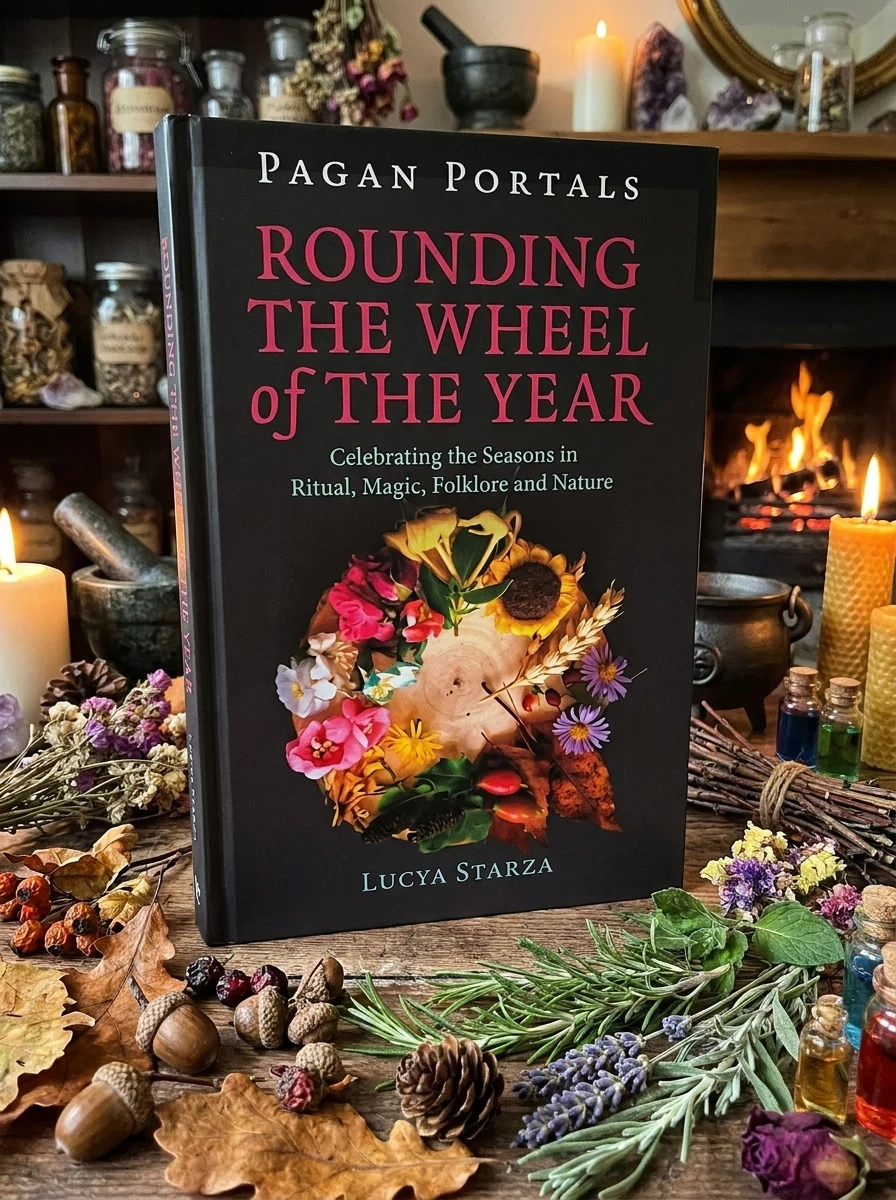
8. Pagan Portals - Rounding the Wheel of the Year — Lucya Starza
For seasonal practitioners, this may be the most useful first purchase on the entire list. Rather than treating the major sabbats as isolated dates, the book encourages a more sustained relationship with the natural cycles of the year. That makes it particularly appropriate for someone who wants Samhain to become part of an ongoing seasonal practice rather than a once-a-year reading theme. If your Worldview is closely connected to nature's cycles, this seasonal focus may be more useful than choosing a deity-specific title.
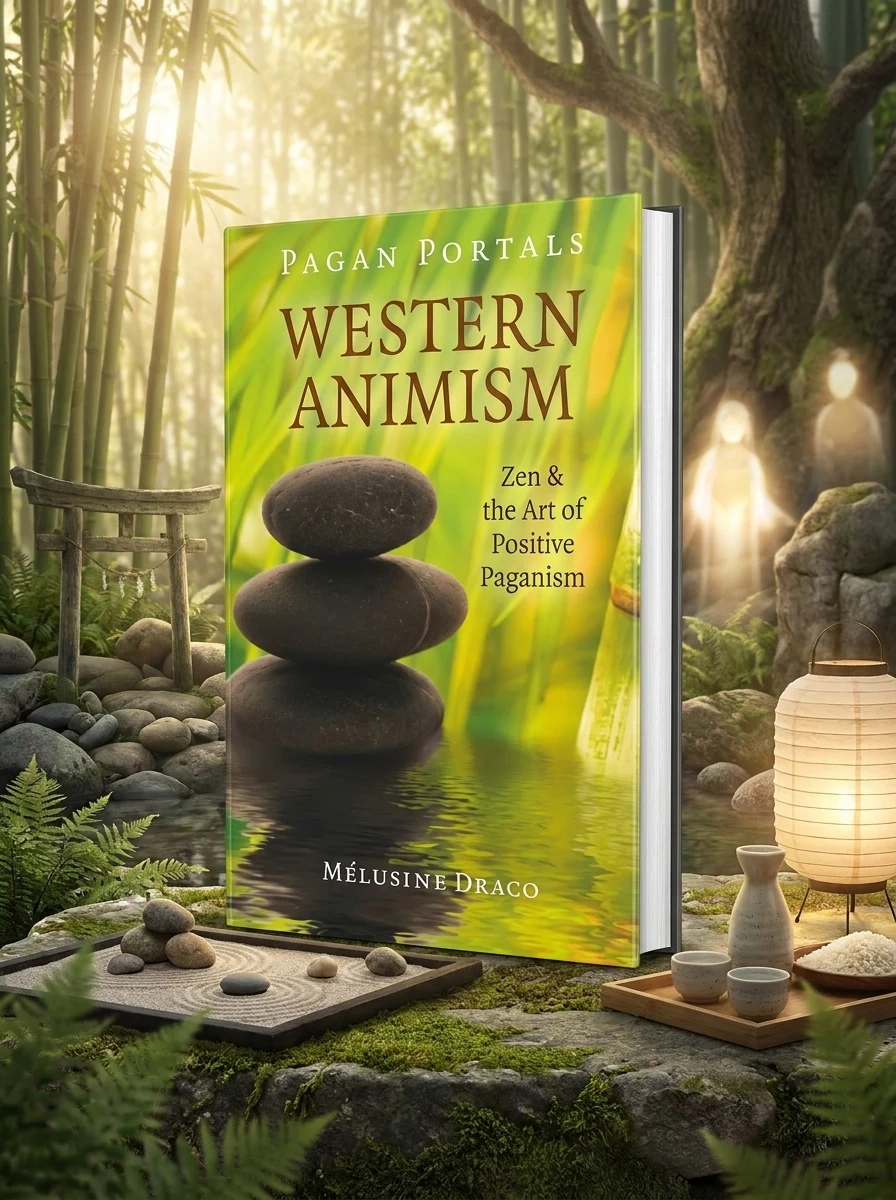
9. Pagan Portals - Western Animism: Zen & the Art of Positive Paganism — Melusine Draco
This is the choice for the reader who feels Pagan spirituality most strongly through nature and presence rather than through a single pantheon. It brings together Western animism and Zen, with an emphasis on positive Paganism and spiritual connection. If you are still deciding what label fits your worldview, this kind of focused but open-ended exploration can be more useful than beginning with a narrowly defined system. The book is therefore a good fit for readers who want to examine a particular approach to Pagan spirituality while leaving room for their own questions.
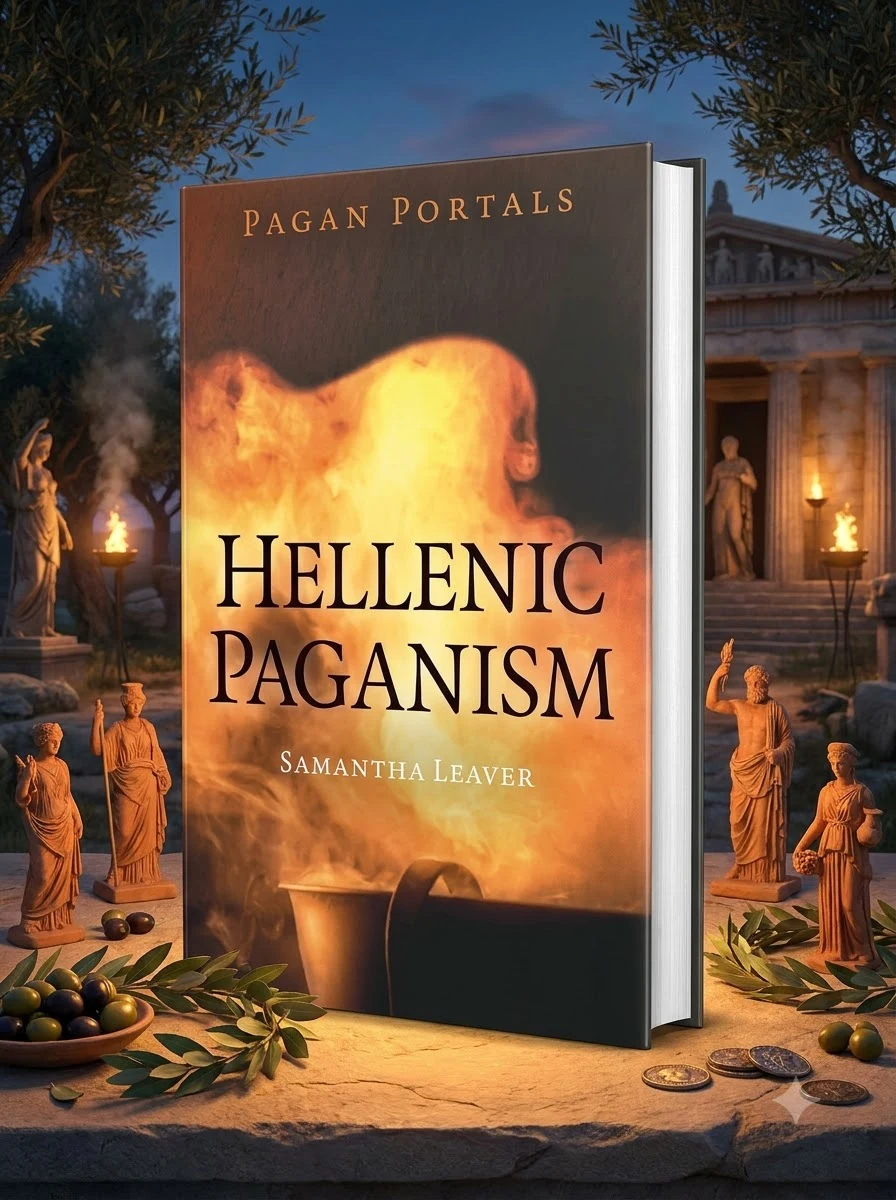
10. Pagan Portals - Hellenic Paganism — Samantha Leaver
Hellenic Paganism is the strongest recommendation here for someone who knows they want a structured relationship with the ancient Greek gods. The catalog describes it as a structured, ethically grounded Pagan path, so it is better suited to a reader seeking a defined tradition than someone simply browsing mythology. Start here if your Samhain reading has opened a larger question about a historically rooted Pagan practice and you want a title centered on a particular religious tradition.
How to choose your Pagan Portals starting point
The easiest mistake is choosing a title because its subject sounds generally “Pagan.” Instead, identify the kind of reading you want to do. A useful starting question is: Do I want a deity, a tradition, a season, or a story?
- A deity: Choose Hecate/Hekate or The Cailleach if you want a relationship with a particular divine figure to guide your reading.
- A story: Choose Y Mabinogi, The Wild Hunt, or Where Fairies Meet if mythology and folklore are what brought you here.
- A practice: Choose Reclaiming Witchcraft or Rounding the Wheel of the Year if you want the book to connect more directly with how you practice.
- A tradition: Choose Hellenic Paganism if you already know you want a defined religious path.
- An open-ended philosophy: Choose Western Animism if your attraction is primarily to nature, spirituality, and a less narrowly defined Pagan identity.
Price can also help narrow the field without deciding the question for you. All ten recommendations are priced below $20 in the supplied catalog, so choosing by subject is more useful than choosing by cost. The titles are all listed at $13 or $20, giving you a fairly consistent price range across the selections.
For Samhain specifically, I would resist the urge to turn your reading into homework. Pick one title that answers the question you are actually carrying into the season. If that question concerns Hecate, start there. If it concerns the folklore of the Wild Hunt or fairies, follow the stories. If you want a year-round Pagan practice, choose Rounding the Wheel of the Year. If a defined ancient tradition interests you, choose Hellenic Paganism. Pagan Portals works best when treated as a collection of distinct doorways rather than a syllabus you are expected to complete.
There is also no need to make the first choice permanent. A deity-focused book can lead to mythology; mythology can lead to seasonal practice; seasonal practice can lead to a broader consideration of Pagan traditions. The catalog supports that kind of movement because its books concentrate on different subjects and approaches. Your first selection simply gives the next question somewhere to begin.