Few subjects generate as many book recommendations, or as many bad ones, as Gnosticism. Search for "Gnostic books" and you will find ancient scripture, sober academic studies, twentieth-century spiritual movements and modern self-help sitting side by side, all using the same word. They are not the same thing, and the most useful thing a reading list can do is keep them apart.
This guide is organised by what you actually want: to read the ancient texts themselves, to understand who wrote them and why, to see the neighbouring traditions they grew up with, or to explore the modern movements that call themselves Gnostic. Most titles are ones we stock. A few essential works we do not currently carry are named anyway, without links, because leaving them out would make the list less honest.
First: what "Gnostic" means, and why scholars argue about it
The word comes from the Greek gnōsis, knowledge — not information but direct, saving knowledge of the divine. In the second and third centuries a range of Christian and Jewish-influenced groups taught that the material world was made by a lesser, ignorant creator (the demiurge), that a spark of the true God was trapped in human beings, and that awakening to that spark was the path to freedom. Figures such as Sophia, divine Wisdom, and the archons, the rulers of the cosmos, recur across their myths. Our glossary entries on Gnosticism and gnosis give a short overview.
For most of history these groups were known only through their opponents — church fathers such as Irenaeus, who wrote against them around 180 CE. That changed in December 1945, when farmers near Nag Hammadi in Upper Egypt dug up a jar holding thirteen leather-bound codices: fourth-century Coptic translations of more than fifty texts, many of them previously unknown. The Nag Hammadi library is the reason modern Gnostic studies exist, and almost every book below depends on it.
One warning before you start. Since the 1990s many historians, notably Michael Williams (Rethinking "Gnosticism") and Karen King (What Is Gnosticism?), have argued that "Gnosticism" was never a single religion but a label later writers stuck on very different groups. Keep that in mind when a book speaks of "the Gnostics" as if they were one church.
Part 1 — Read the texts themselves
Begin with the primary sources. They are shorter and stranger than most summaries suggest, and reading even two or three changes how every secondary book reads. The standard complete scholarly translation of the Nag Hammadi library is The Nag Hammadi Scriptures, edited by Marvin Meyer (2007); Bentley Layton's The Gnostic Scriptures (1987) is the other classic. The editions below let you start with single texts.
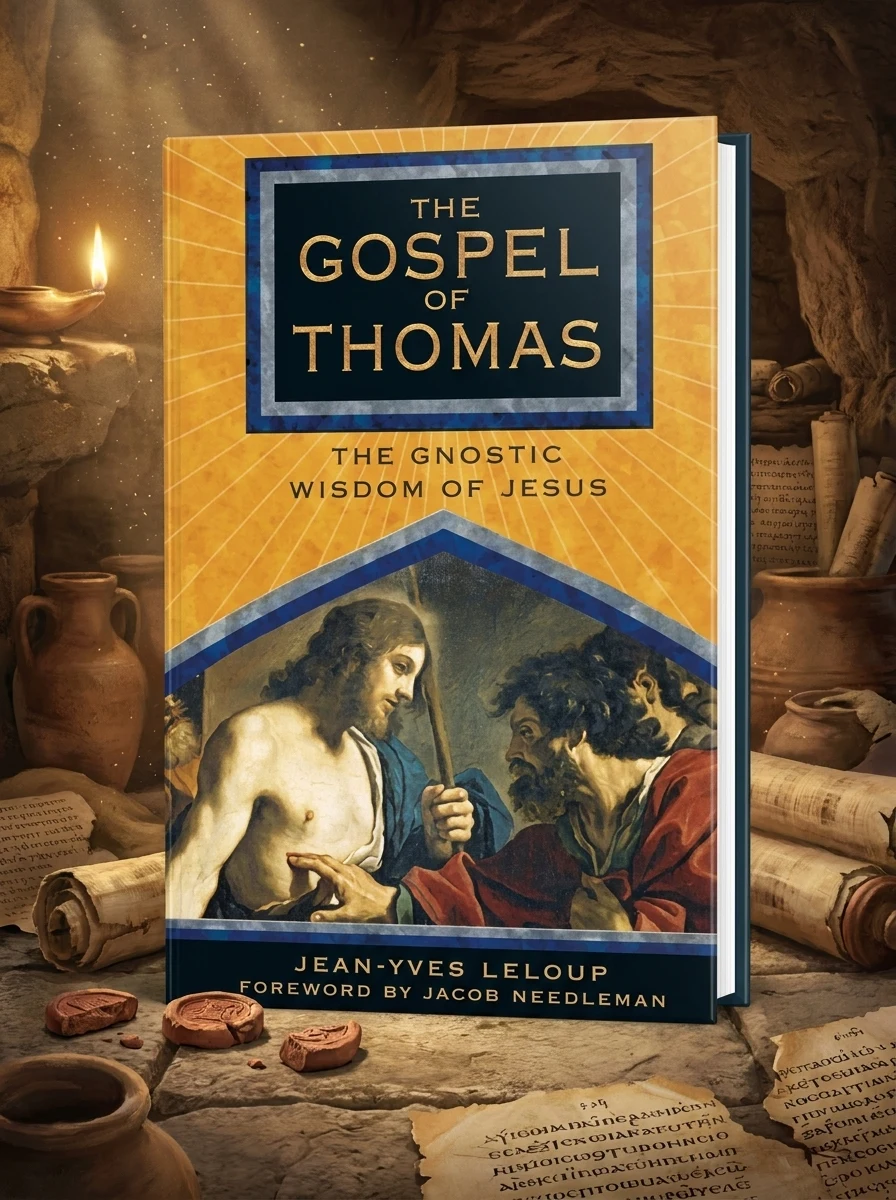
1. The Gospel of Thomas: The Gnostic Wisdom of Jesus — Jean-Yves Leloup
The Gospel of Thomas is 114 sayings attributed to Jesus, with no narrative of birth, miracles or crucifixion — and it is the most famous text from Nag Hammadi. Whether it is truly "Gnostic" is itself debated, which makes it the ideal first read. Leloup, a French theologian, gives the Coptic text, a translation and a saying-by-saying spiritual commentary; read the commentary as one contemplative's interpretation, not as history.
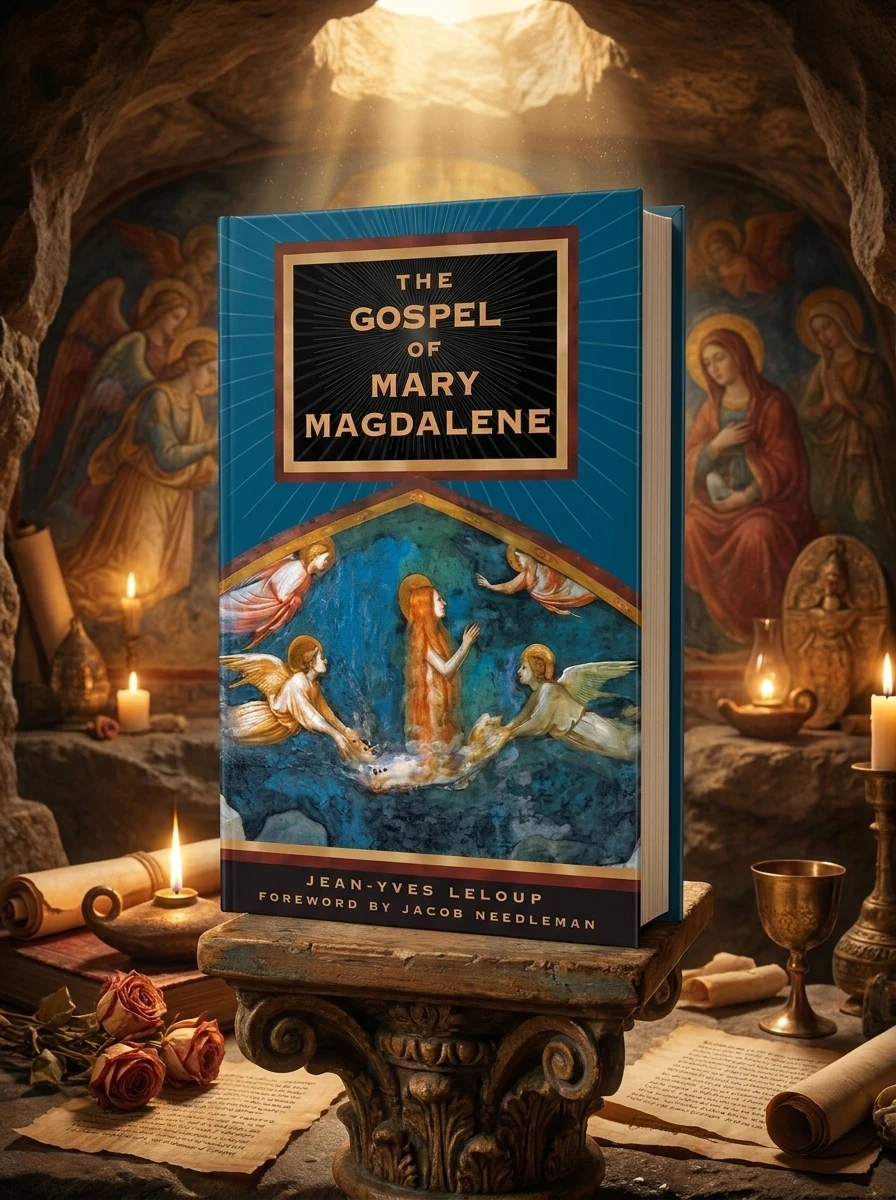
2. The Gospel of Mary Magdalene — Jean-Yves Leloup
Not from Nag Hammadi but from the Berlin Codex, acquired in Cairo in 1896 and published only in 1955. Half of it is lost; what survives shows Mary Magdalene teaching the disciples a vision of the soul's ascent and Peter objecting to a woman's authority. Short, moving and central to every modern discussion of women in early Christianity.
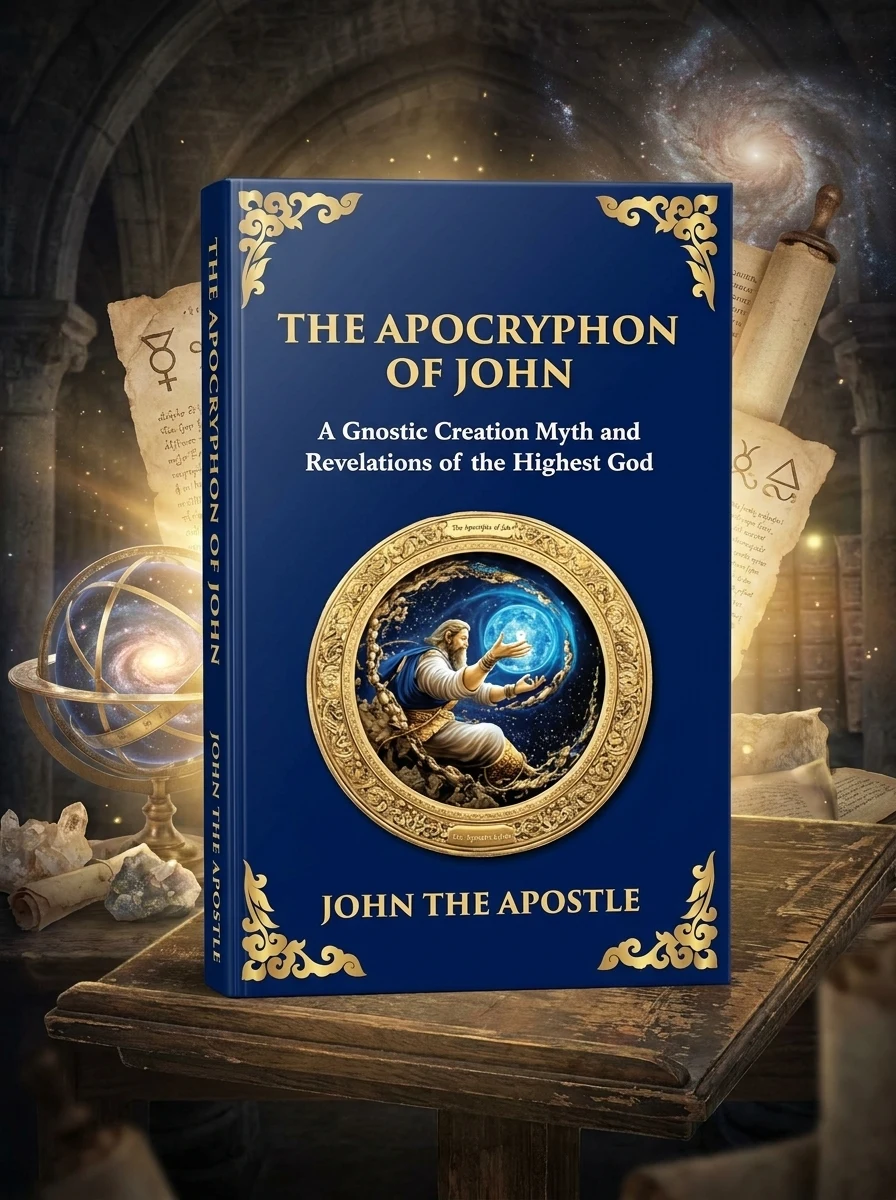
3. The Apocryphon of John (The Secret Book of John) — anonymous
If you read one text to understand the classic Gnostic myth, make it this one. Survived in four copies — three at Nag Hammadi and one in the Berlin Codex — it tells the whole story: the unknowable God, the emanations, Sophia's error, the birth of the demiurge Yaldabaoth, the making of humanity and the descent of the redeemer. Most later summaries of "what Gnostics believed" are really summaries of this book.
4. Pistis Sophia: A Gnostic Gospel — G. R. S. Mead (trans.)
A long dialogue between the risen Jesus and his disciples, Mary Magdalene prominent among them, preserved in the Askew Codex in the British Library. G. R. S. Mead, once Blavatsky's secretary in the Theosophical Society, published this English translation in 1896, decades before Nag Hammadi. It reads as a later and more elaborate work than the texts above, but it shaped how the whole occult revival imagined the Gnostics.
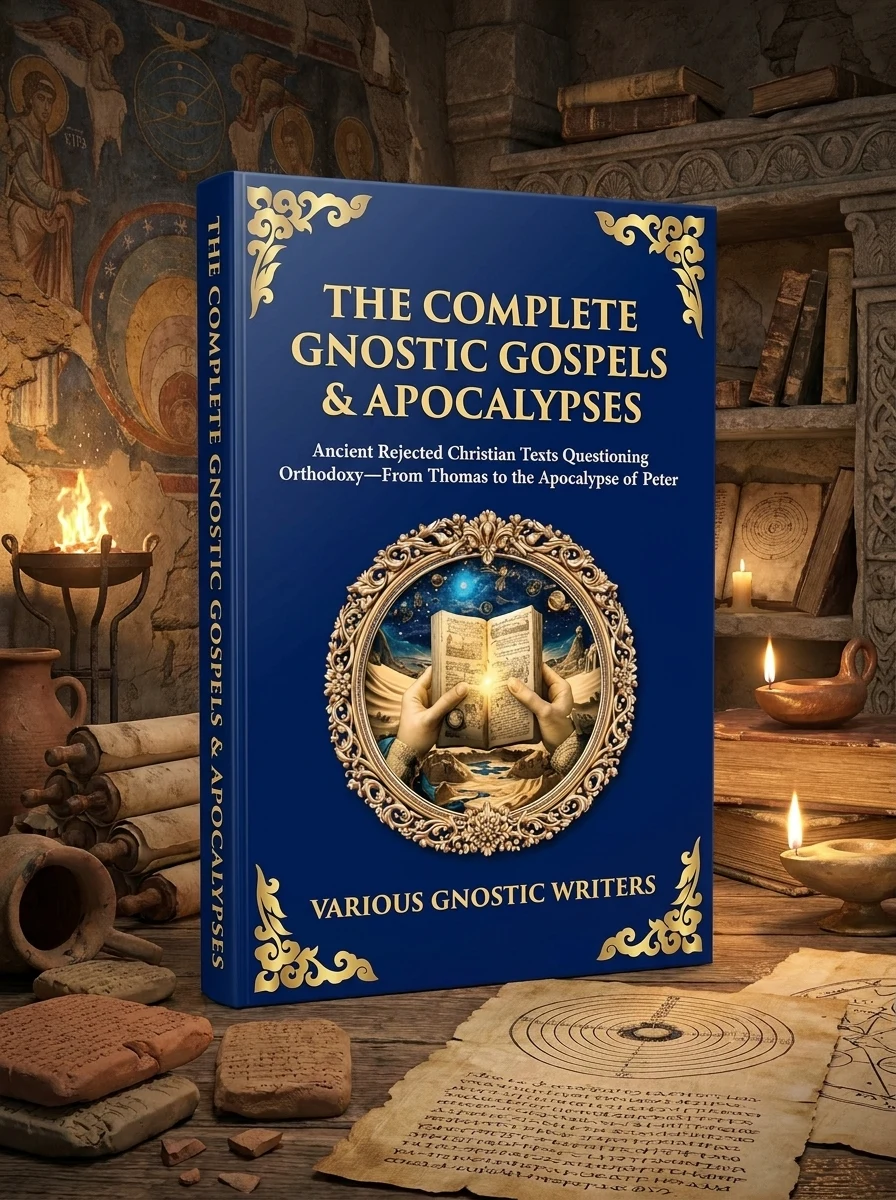
5. The Complete Gnostic Gospels & Apocalypses — anthology
An inexpensive single-volume collection running from Thomas to the Apocalypse of Peter. Useful for browsing many texts quickly; before relying on it for study, check which translations it reproduces, and move to the Meyer or Layton editions for anything serious.
Part 2 — Understand who wrote them
Once you have read some of the texts, a good guide puts them in context. Two classics we do not currently stock deserve a mention first: Elaine Pagels's The Gnostic Gospels (1979), the book that brought Nag Hammadi to a general audience, and Hans Jonas's The Gnostic Religion (1958), still the most powerful philosophical reading of the Gnostic worldview.
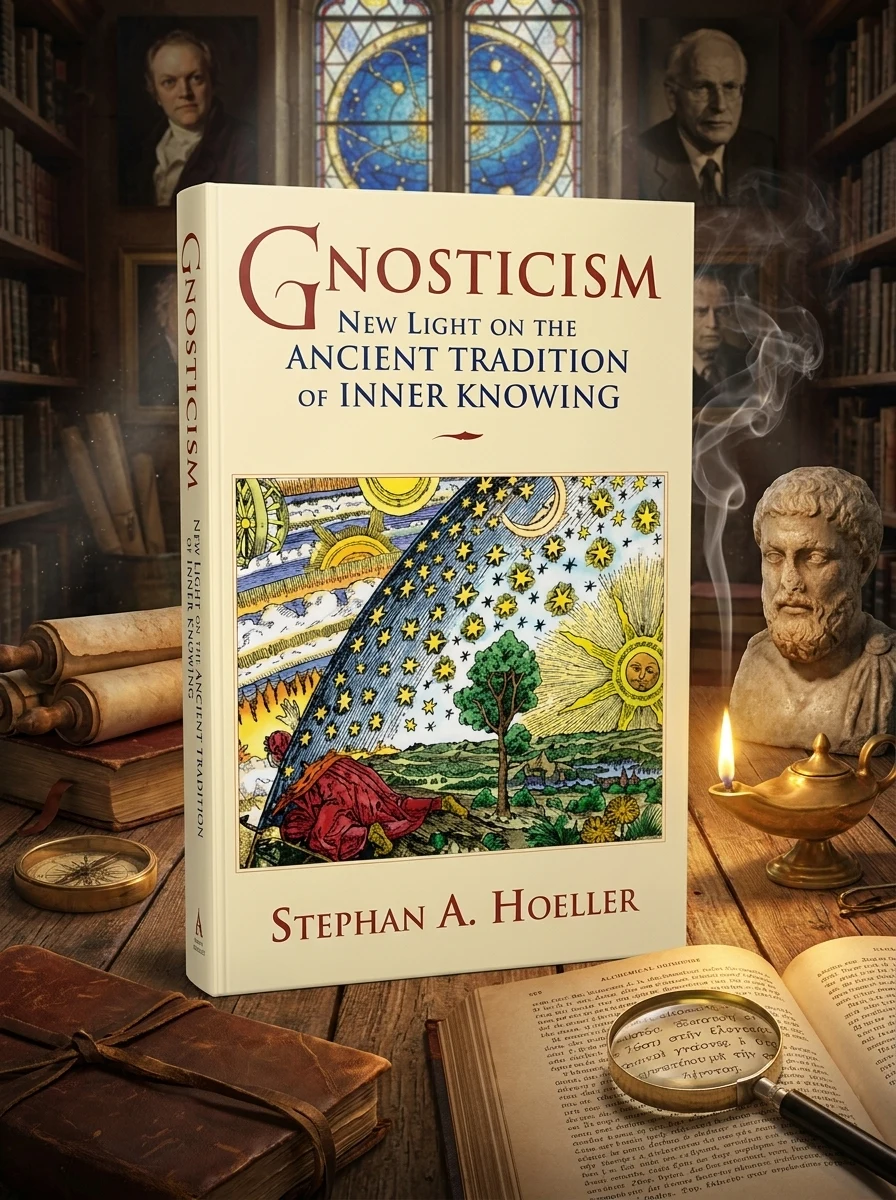
6. Gnosticism: New Light on the Ancient Tradition of Inner Knowing — Stephan A. Hoeller
The best introduction written from the inside. Hoeller is a bishop of the Ecclesia Gnostica in Los Angeles and a lifelong student of the texts, and he explains the myths, the main schools — Sethian, Valentinian — and the later history from the Cathars to Carl Jung clearly and sympathetically. He writes as a believer; pair him with a historian for balance.
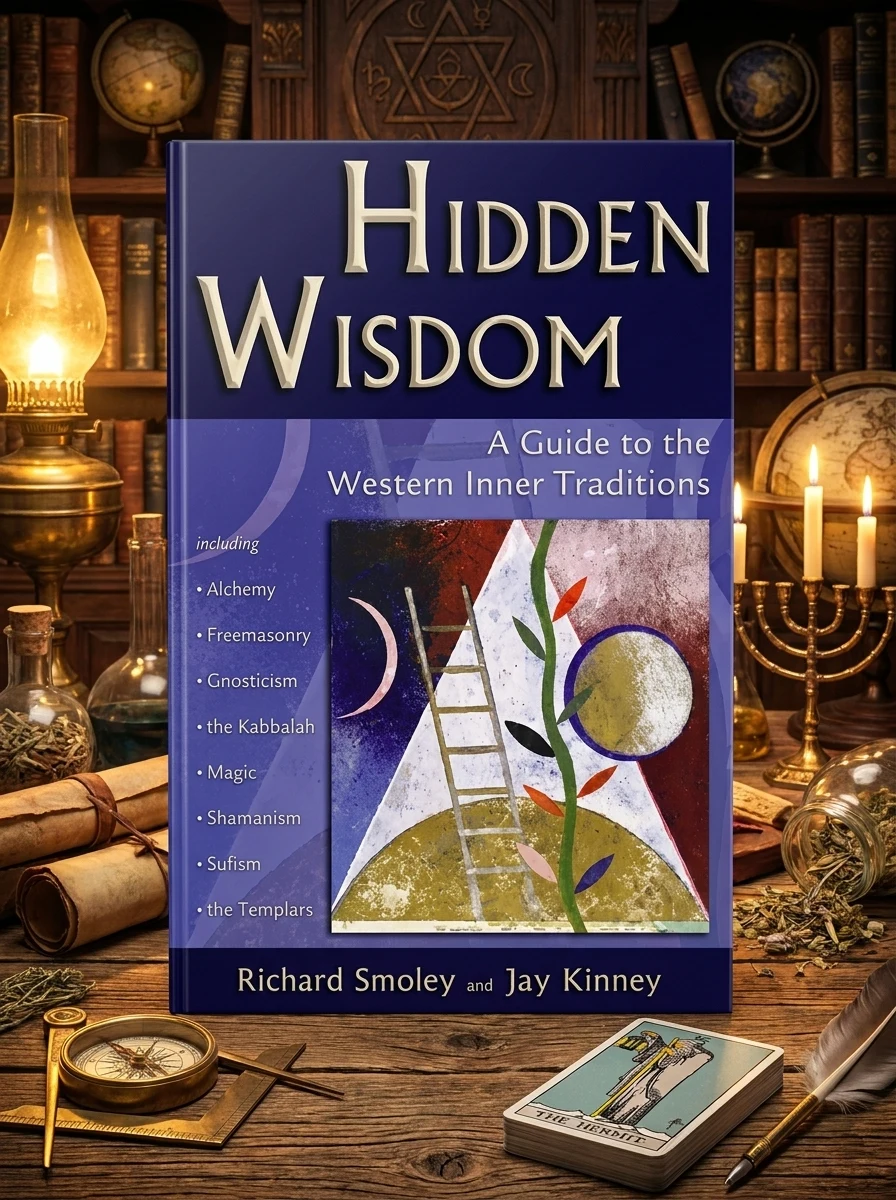
7. Hidden Wisdom: A Guide to the Western Inner Traditions — Richard Smoley & Jay Kinney
Gnosticism in its wider setting: one clear, well-sourced chapter each on Gnosticism, Kabbalah, Hermeticism, esoteric Christianity, Sufism, Freemasonry and more. The ideal second book if you want to see where Gnostic ideas went after antiquity.
Part 3 — The neighbours: Hermetica and ancient ritual power
The Gnostics did not live in isolation. The Nag Hammadi library itself includes Hermetic treatises, and Egyptian Christians of the same centuries used spells, amulets and invocations that borrow Gnostic names. For more on the Hermetic side, see our Hermetica reading list and the glossary entry on Hermeticism.
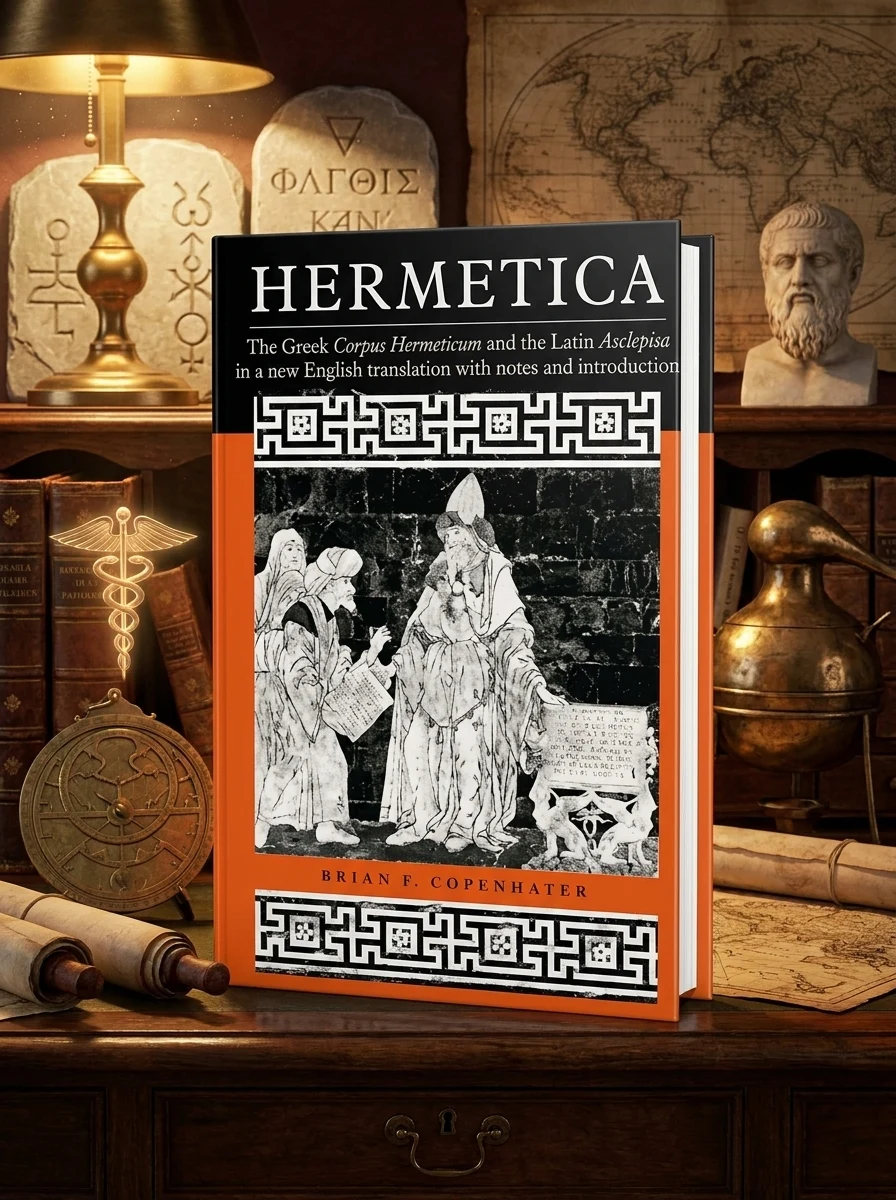
8. Hermetica: The Greek Corpus Hermeticum and the Latin Asclepius — Brian P. Copenhaver (trans.)
The standard scholarly translation of the Hermetic writings, with extensive notes. The Hermetica share the Gnostics' world — divine knowledge as salvation, the soul's ascent through the spheres — but with a far more positive view of the cosmos. Reading them side by side shows exactly where the Gnostic myth is distinctive.
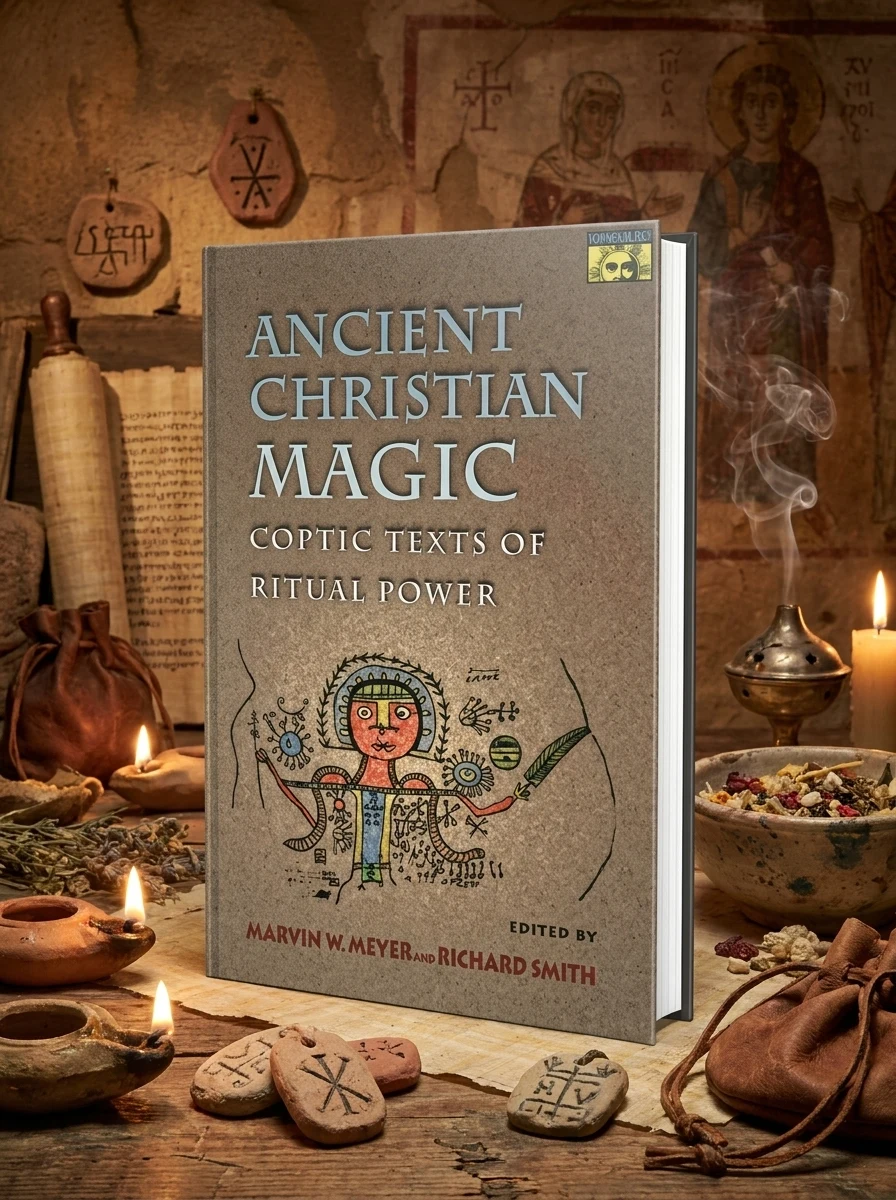
9. Ancient Christian Magic: Coptic Texts of Ritual Power — Marvin Meyer (ed.)
Meyer, later the editor of The Nag Hammadi Scriptures, collects and translates Coptic spells, curses, love charms and protective texts from the same Egyptian world. Several invoke Sethian and other Gnostic powers by name. It is the best evidence for how Gnostic ideas lived in everyday religious practice rather than in theology.
Part 4 — Modern Gnostic movements and echoes
From the nineteenth century onward, Gnosticism became a living identity again: in Theosophy, in occult orders, in independent Gnostic churches and in entirely new movements. These books belong to that modern story. They are valuable on their own terms, but they are not guides to what second-century Gnostics believed, and each should be read as the work of its own tradition.
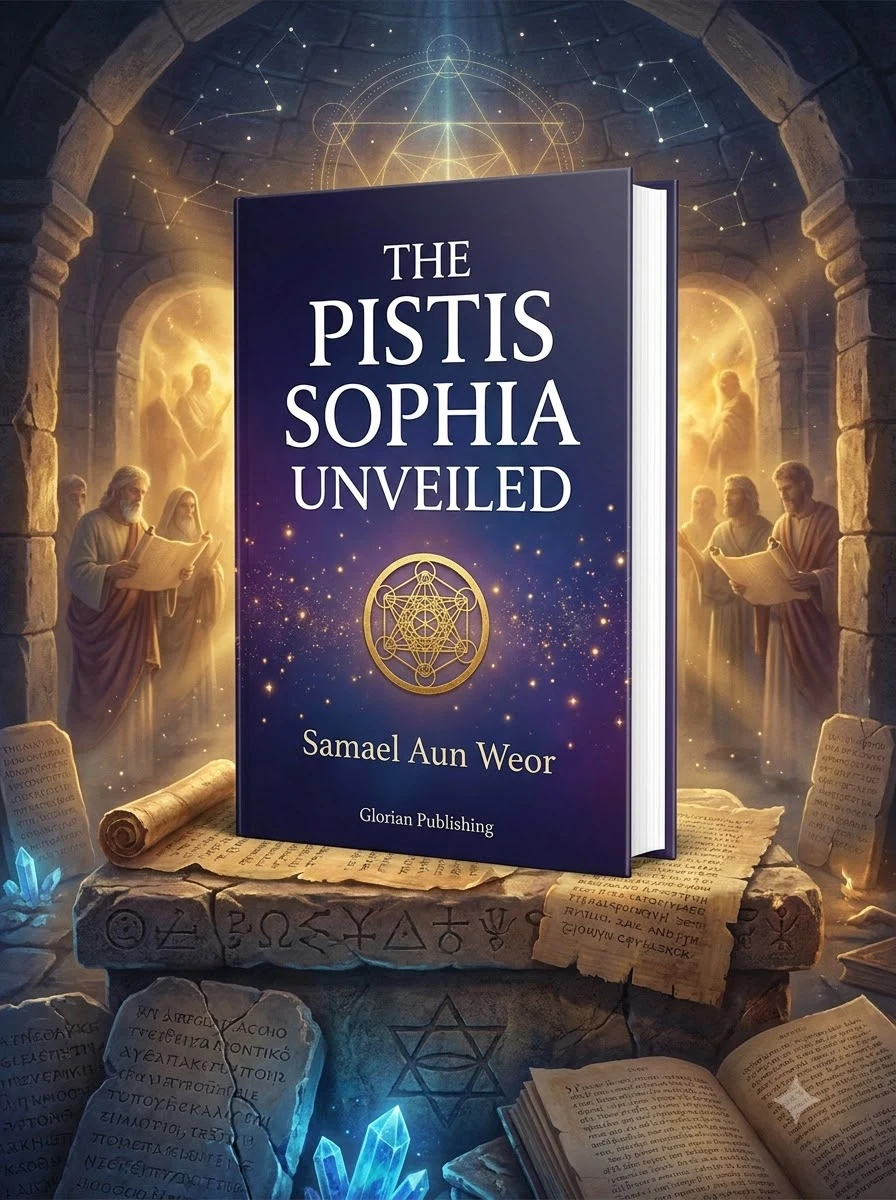
10. The Gnostic Bible: The Pistis Sophia Unveiled — Samael Aun Weor
A verse-by-verse commentary on the Pistis Sophia by Samael Aun Weor (1917–1977), the Colombian founder of one of the largest modern Gnostic movements. It reads the text through his own system of spiritual practice. Essential if you are exploring that movement; read Mead's translation first.
11. Gnosis, Volume I — Boris Mouravieff
A completely different use of the word. Mouravieff (1890–1966) presents what he describes as an esoteric teaching preserved in Eastern Orthodox Christianity, close in many ways to the Fourth Way of Gurdjieff and Ouspensky. Valuable for readers of that school; it has nothing to do with Nag Hammadi.
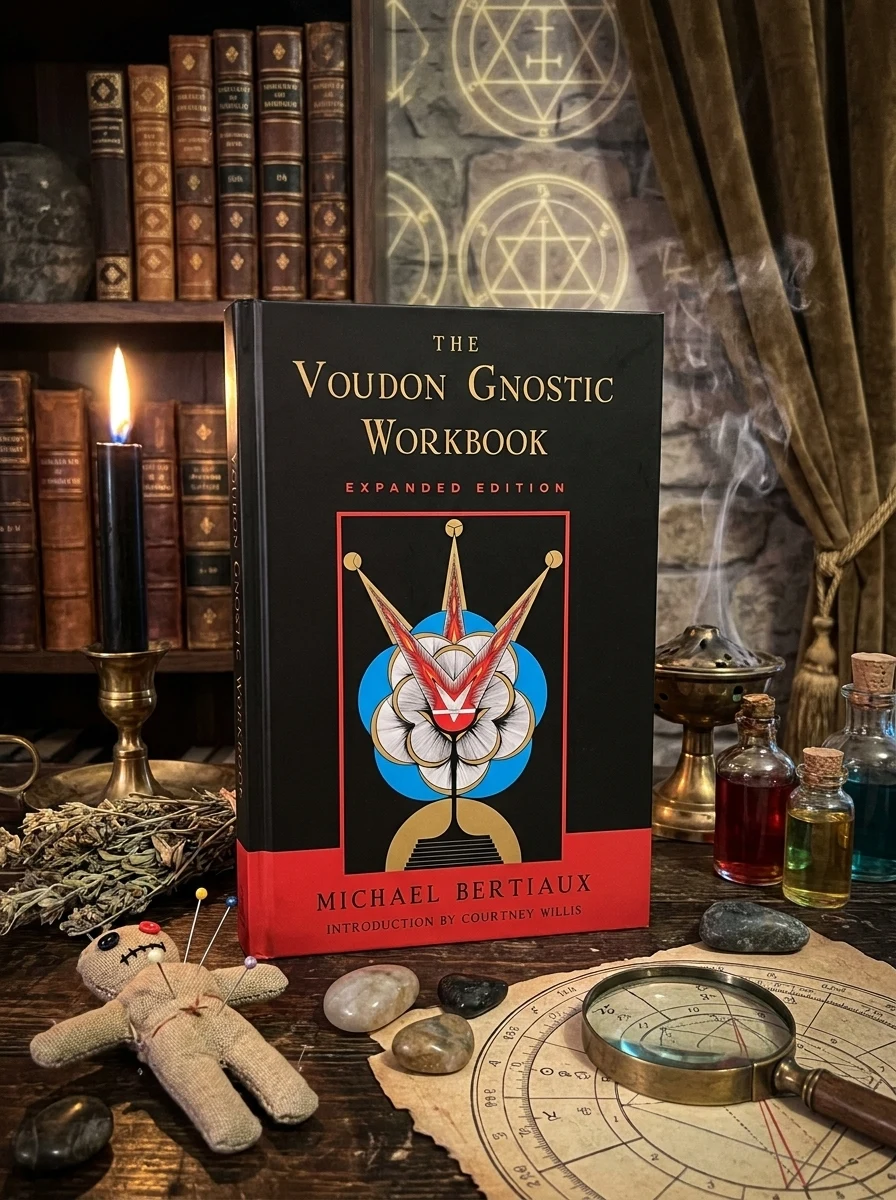
12. Voudon Gnostic Workbook — Michael Bertiaux
A notorious and influential grimoire of the modern occult underground, blending Haitian Vodou, Martinism, Thelema and Gnostic language into a dense initiatory system. Strictly for readers already deep in Western magic — and a vivid example of how far the word "Gnostic" travelled in the twentieth century.
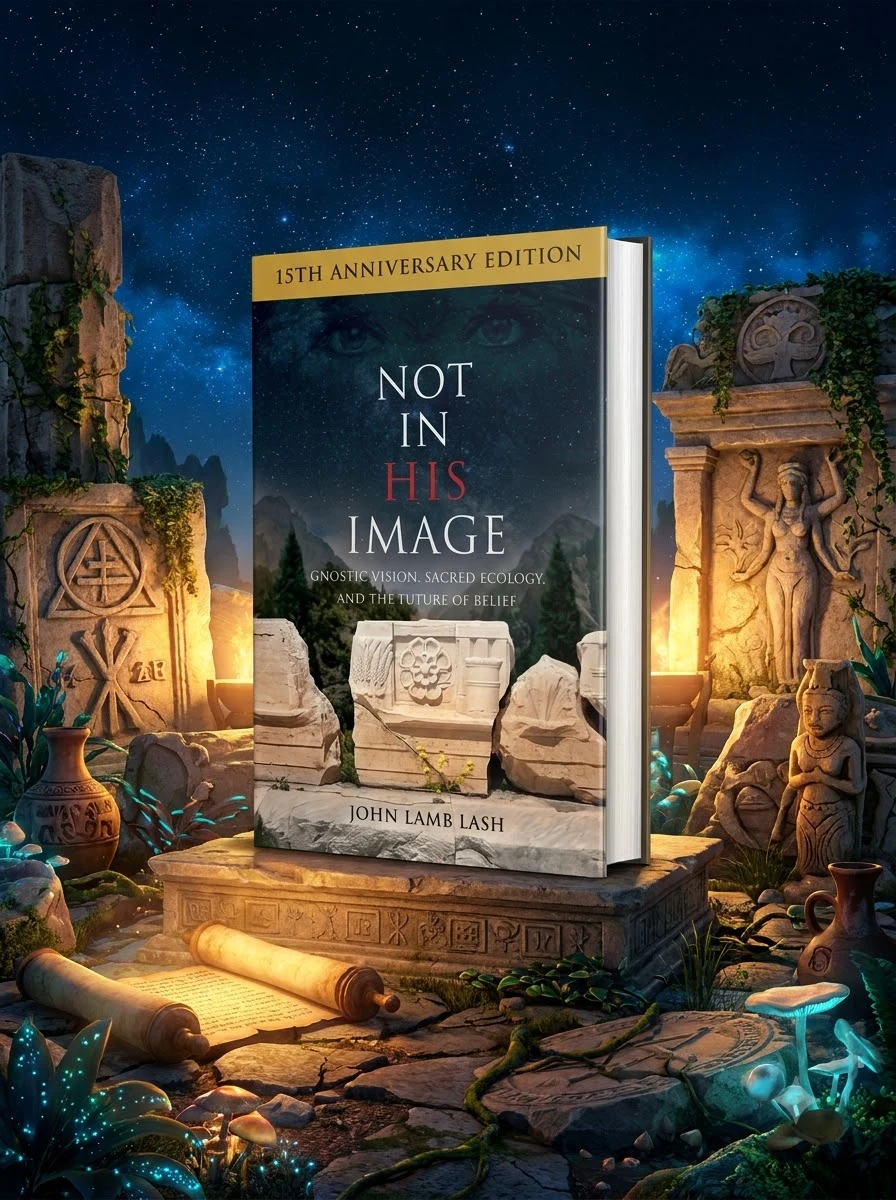
13. Not in His Image — John Lamb Lash
A polemical modern reading that uses the Sophia myth as the basis of an ecological spirituality and a fierce critique of the Abrahamic religions. Many readers find it inspiring; specialists dispute much of its history. Read it as manifesto, not scholarship.
14. TechGnosis: Myth, Magic and Mysticism in the Age of Information — Erik Davis
A brilliant cultural history of how the Gnostic dream of escaping the material world through secret knowledge resurfaced in the culture of computers and the internet. The most enjoyable book on this list, and the best proof that the Gnostic imagination never really went away.
A short path, if you want one
Read The Apocryphon of John for the myth and the Gospel of Thomas for the sayings. Then read Hoeller's Gnosticism for orientation and Copenhaver's Hermetica for the world around it. That is four books, and after them you will be able to judge every other title on any Gnostic reading list — including this one. For a broader mystical shelf, see our mysticism and gnosis starter list.