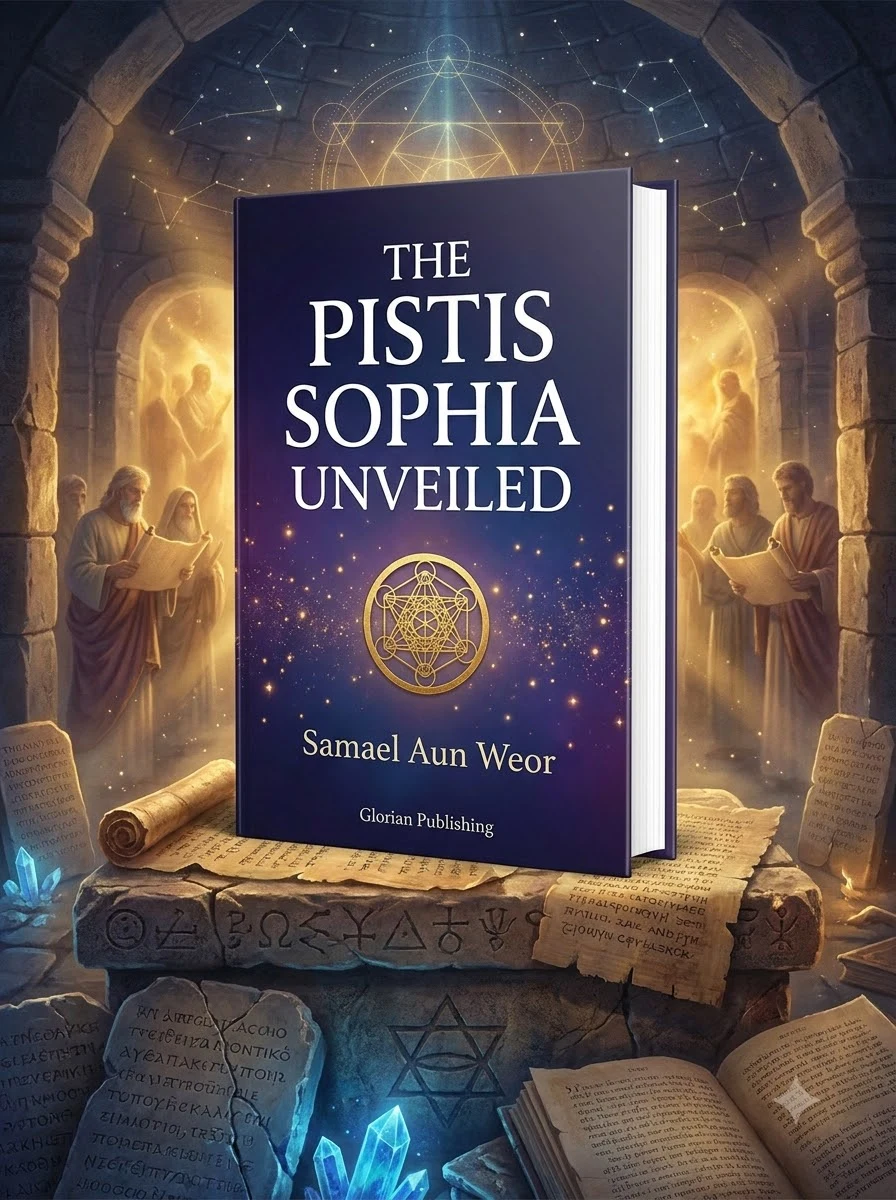
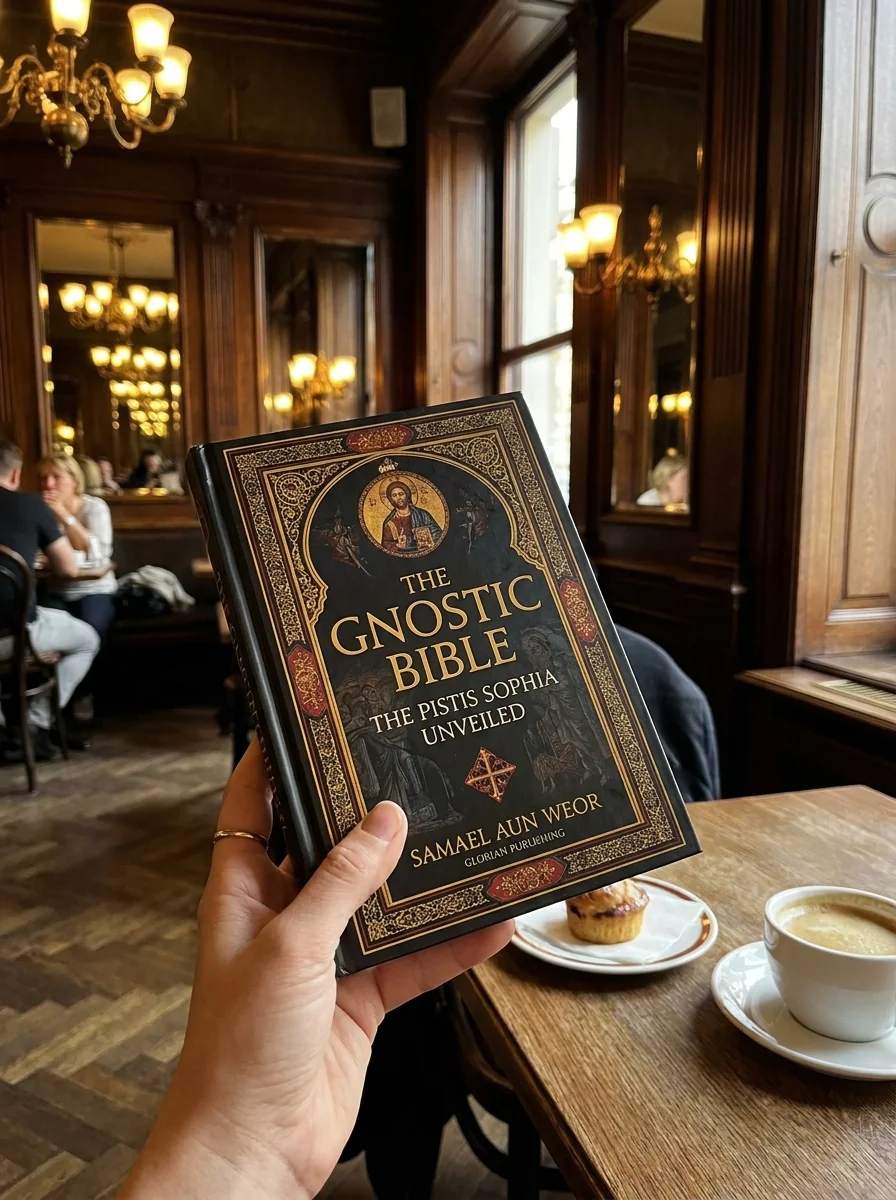

The Gnostic Bible: The Pistis Sophia Unveiled
✍️ Aun Weor, SamaelA Coptic Gnostic scripture recording eleven years of Christ's post-resurrection instructions, paired with extensive commentary.
This volume presents the core sacred text of Gnosticism, originally preserved secretly in Egyptian soil. The disciples recorded these hidden discourses on the Mount of Olives and other holy sites, detailing complex spiritual truths omitted from canonical collections. Samael Aun Weor adds commentary that contextualizes the painful ascension of Sophia and highlights the elevated spiritual status granted to female followers within early Gnostic communities.
Discovered underground in Egypt, this scripture originates from the Coptic Gnostic tradition. It records secret instructions handed down after the resurrection, presenting a body of doctrine that led established religious powers to attempt to obliterate the Gnostics.


📝 Description: The Gnostic Bible: The Pistis Sophia Unveiled
💎 Expert review
📖 Why choose it
Why this book is worth reading
Readers deeply invested in alternative Christian histories and mystical theology will find this volume indispensable for its unique synthesis of ancient Gnostic texts with contemporary spiritual commentary. Those seeking to understand the marginalized feminine aspect of divinity, represented by Sophia’s journey, will gain profound insight into a path of ethical conduct and inner enlightenment. It offers a radical re-evaluation of traditional Christian narratives, appealing to those who feel constrained by conventional dogma. By illuminating the reasons behind early Gnostic persecution, it empowers seekers to reclaim lost wisdom, making it essential for anyone willing to engage with complex allegorical journeys toward divine wisdom and spiritual autonomy outside mainstream religious frameworks.
⭐ Reader reviews
Reader rating
This text presents a dense, allegorical exploration of post-resurrection teachings that demands patience and an open mind. While Samael Aun Weor’s commentary provides extensive illumination on the feminine divine and ethical living, the work is not for those seeking straightforward biblical literalism or simple devotional reading. It requires active engagement with complex metaphysical concepts and a willingness to confront challenging reinterpretations of established Christian history. Readers expecting easy accessibility or traditional theological validation will likely find it obscure and confrontational. However, for dedicated students of esoteric Christianity and Gnostic studies, it offers a compelling, albeit demanding, window into the mystical undercurrents of early Christian thought.
❓ Frequently asked questions
📖 Who should read this
If you are drawn to esoteric Christianity, Gnosticism, or seeking a deeper, mystical understanding of Christ's teachings, this book is essential. It challenges conventional religious narratives and invites those ready to re-examine spiritual foundations to explore a profound, alternative path to truth.
🎯 Key themes and symbolism
Esoteric Ethics & Mysticism
The text intertwines deep mystical insights with a strong ethical framework. It not only describes elevated spiritual states but also unequivocally condemns actions contrary to divine principles. This fusion emphasizes that true spiritual progress is inseparable from righteous conduct and a commitment to inner purity, guiding the seeker towards genuine enlightenment.
The Feminine Divine
"The Pistis Sophia" uniquely elevates the feminine principle, personified by Sophia, to a central role in cosmic drama and salvation. It challenges patriarchal interpretations by illustrating women's profound spiritual agency and significance within the divine plan. This perspective offers a powerful counter-narrative, enriching our understanding of sacred feminine wisdom.
📜 Historical context
📚 Glossary
- Gnosis
- Pleroma
- Aeon
📔 Questions to reflect on
- How does the allegorical journey of Sophia resonate with your own spiritual challenges or quest for inner wisdom?
- In what ways might a re-evaluation of traditional religious narratives, as encouraged by Gnostic texts, deepen or alter your personal spiritual path?
- Consider the ethical principles advocated in "The Pistis Sophia." How might these insights influence your daily conduct or understanding of spiritual integrity?