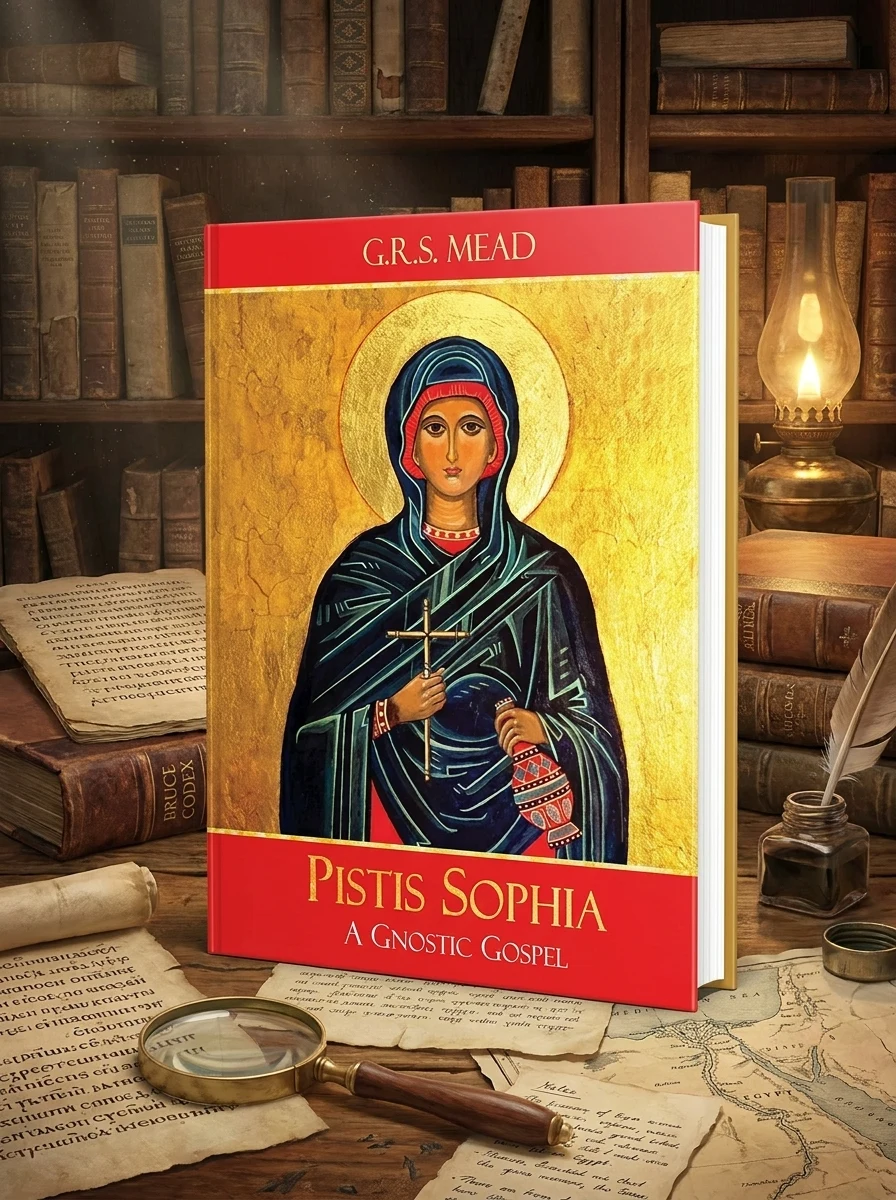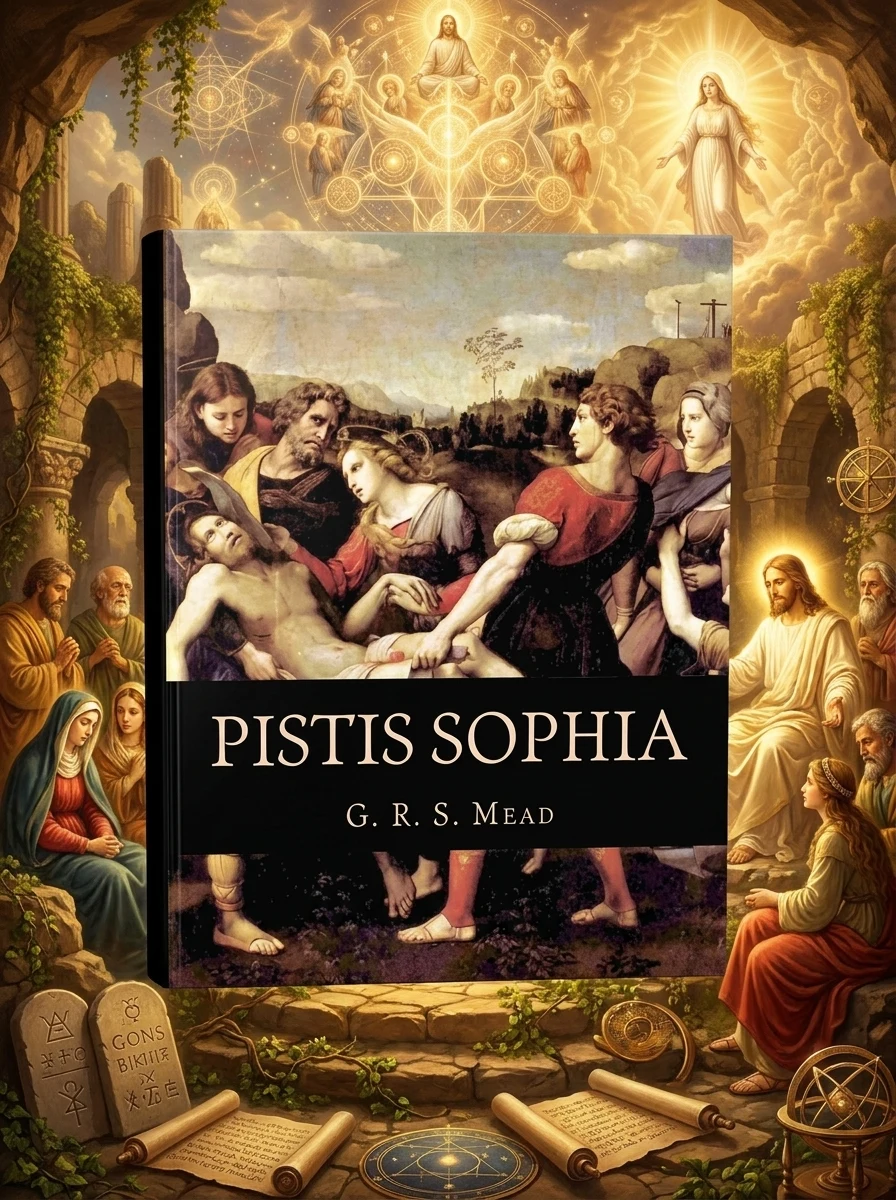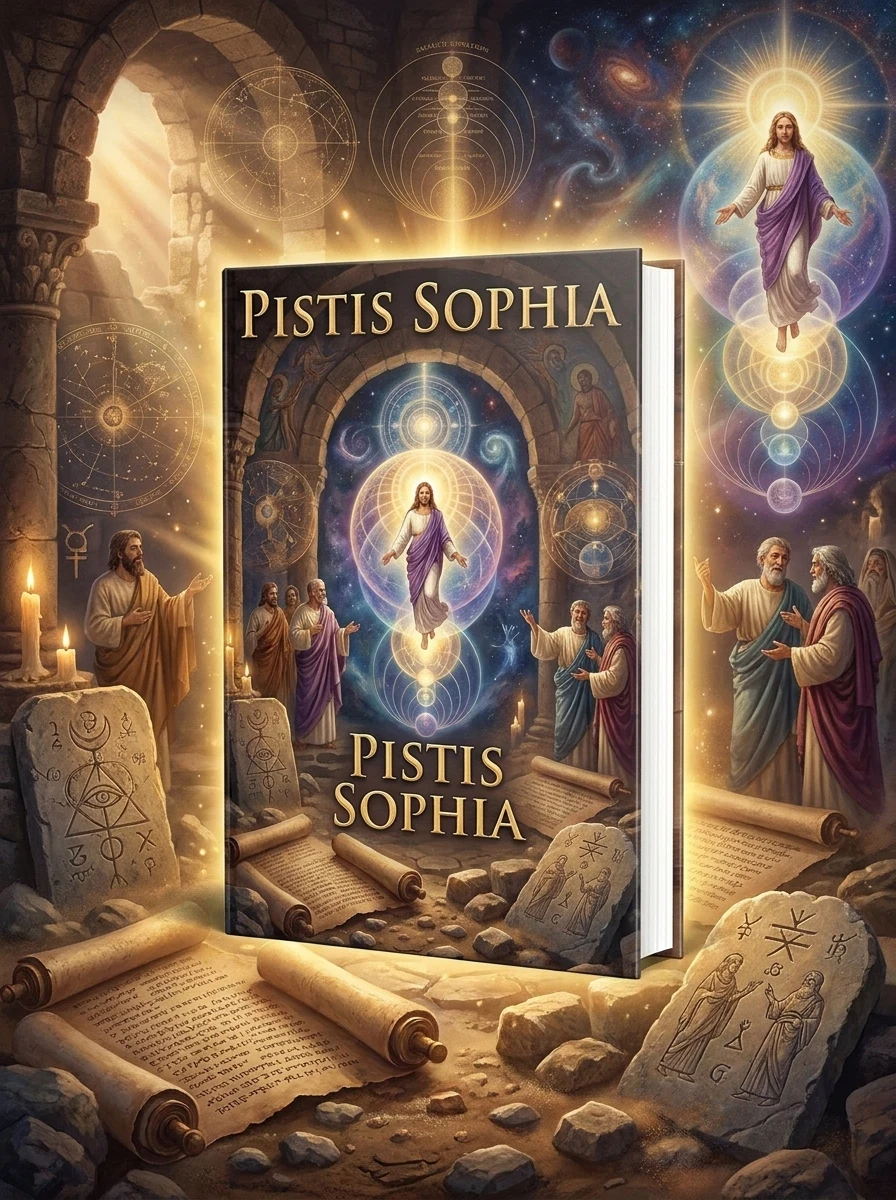

Pistis Sophia: The Gnostic Text of Jesus, Mary, Mary Magdalene, Jesus, and His Disciples
✍️ Mead, G R SThis foundational Gnostic text unveils profound dialogues between the resurrected Christ and his followers, including a pivotal Mary Magdalene. It charts a complex cosmology, detailing the soul's perilous descent, its struggles within material existence, and its ultimate path to restoration through divine insight. Mead’s careful translation preserves intricate layers of emanation and spiritual hierarchy, offering a unique window into early Christian mystical thought. This is a compelling journey into the heart of ancient esoteric beliefs, centered on the redemption of the divine feminine principle, Pistis Sophia.


📝 Description: Pistis Sophia: The Gnostic Text of Jesus, Mary, Mary Magdalene, Jesus, and His Disciples
💎 Expert review
📖 Why choose it
Why this book is worth reading
Readers deeply invested in the history of Christian mysticism and Gnostic philosophy will find this text indispensable. It offers a rare, unfiltered window into the divine feminine principle through Pistis Sophia, appealing to those seeking alternative narratives of early Christianity. Enthusiasts of esoteric cosmology will appreciate the intricate layers of emanation and spiritual hierarchy described in these dialogues. This book serves as a vital resource for understanding the soul's perilous journey and its ultimate restoration through divine insight, making it essential for serious students of ancient wisdom traditions.
⭐ Reader reviews
Reader rating
Mead’s translation provides a meticulous preservation of foundational Gnostic texts, offering profound insights into early Christian mystical thought. However, readers seeking straightforward historical narratives or conventional biblical interpretations will likely find this work dense and obscure. The complex cosmology and intricate spiritual hierarchies may alienate casual readers unfamiliar with esoteric terminology. It is best suited for scholars and dedicated practitioners of occult studies who appreciate the depth of Gnostic theology. Those expecting simple devotional reading should look elsewhere, as this text demands serious engagement with its challenging philosophical framework.
❓ Frequently asked questions
📖 Who should read this
For seekers drawn to the mystical currents beneath mainstream Christianity, or those fascinated by early esoteric thought, this text offers unparalleled insight. If you question traditional narratives and yearn for deeper spiritual understanding, Pistis Sophia will illuminate your path.
🎯 Key themes and symbolism
Gnostic Cosmology Unveiled
Delve into an intricate system of divine emanations, where spiritual realms unfold from the ultimate Pleroma. This text maps out a hierarchical universe, explaining how divine light fragments into lesser aeons, leading to the creation of the material world and the subsequent entrapment of spiritual essences.
The Soul's Journey to Redemption
At its core, Pistis Sophia is an allegorical tale of the soul's fall from grace and its arduous ascent back to the Light. It explores the concepts of repentance, purification, and the acquisition of saving knowledge (gnosis) as essential steps for overcoming ignorance and reclaiming one's divine heritage.
Mary Magdalene's Sacred Role
Beyond her traditional portrayal, Mary Magdalene emerges here as a profound interpreter of Christ's teachings. She engages actively in the spiritual dialogues, asking crucial questions and offering insightful explanations, thereby elevating her status as a primary conduit for esoteric understanding within the Gnostic tradition.
📜 Historical context
📚 Glossary
- Gnosis
- Aeon
- Pleroma
📔 Questions to reflect on
- How do the teachings on the soul's descent and redemption in Pistis Sophia resonate with or challenge your own understanding of spiritual purpose and human suffering?
- Consider the role of Mary Magdalene in these dialogues. How does her portrayal here shift your perception of female spiritual authority and wisdom in early Christianity?
- If "gnosis" is true spiritual knowledge, how might you cultivate such an inner knowing in your own life, moving beyond mere intellectual understanding?