US shipping Secure card payment Thousands of titles
👤 Sign in
−35%

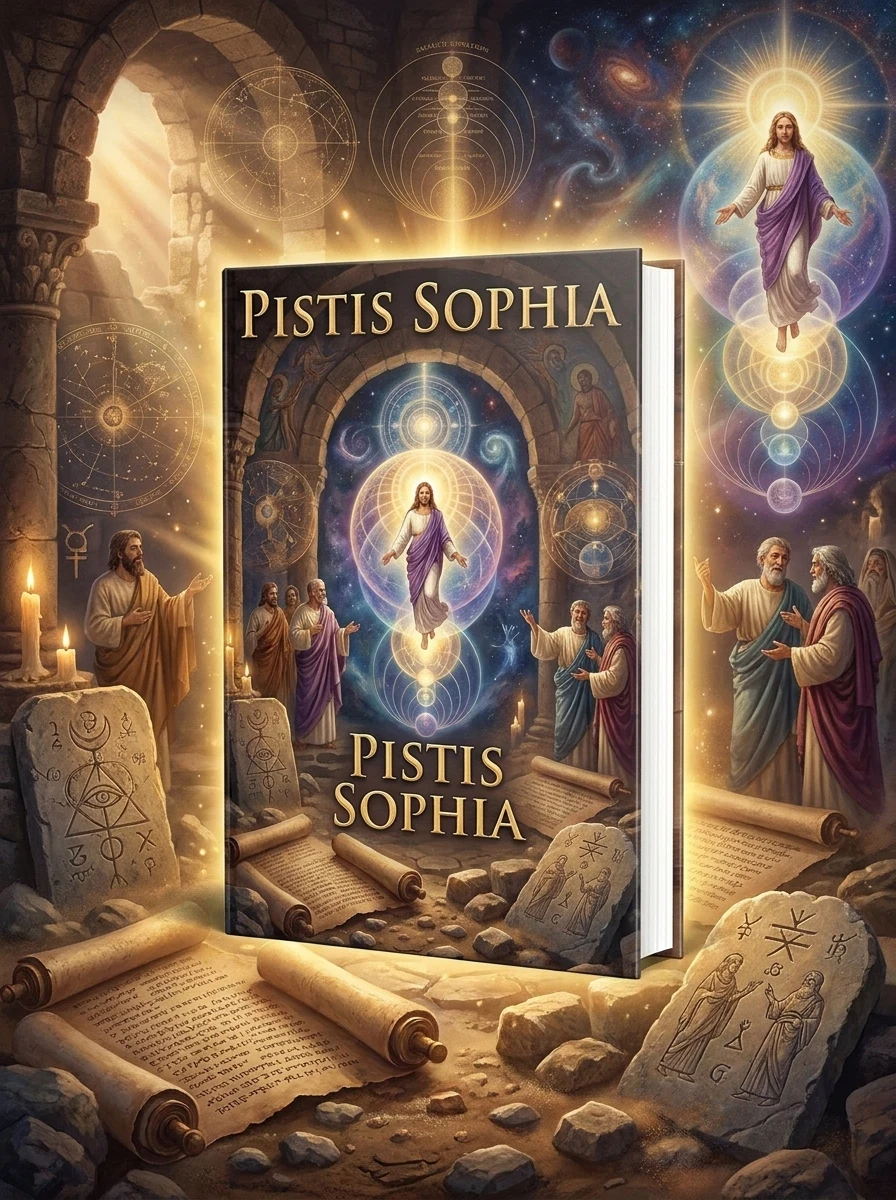
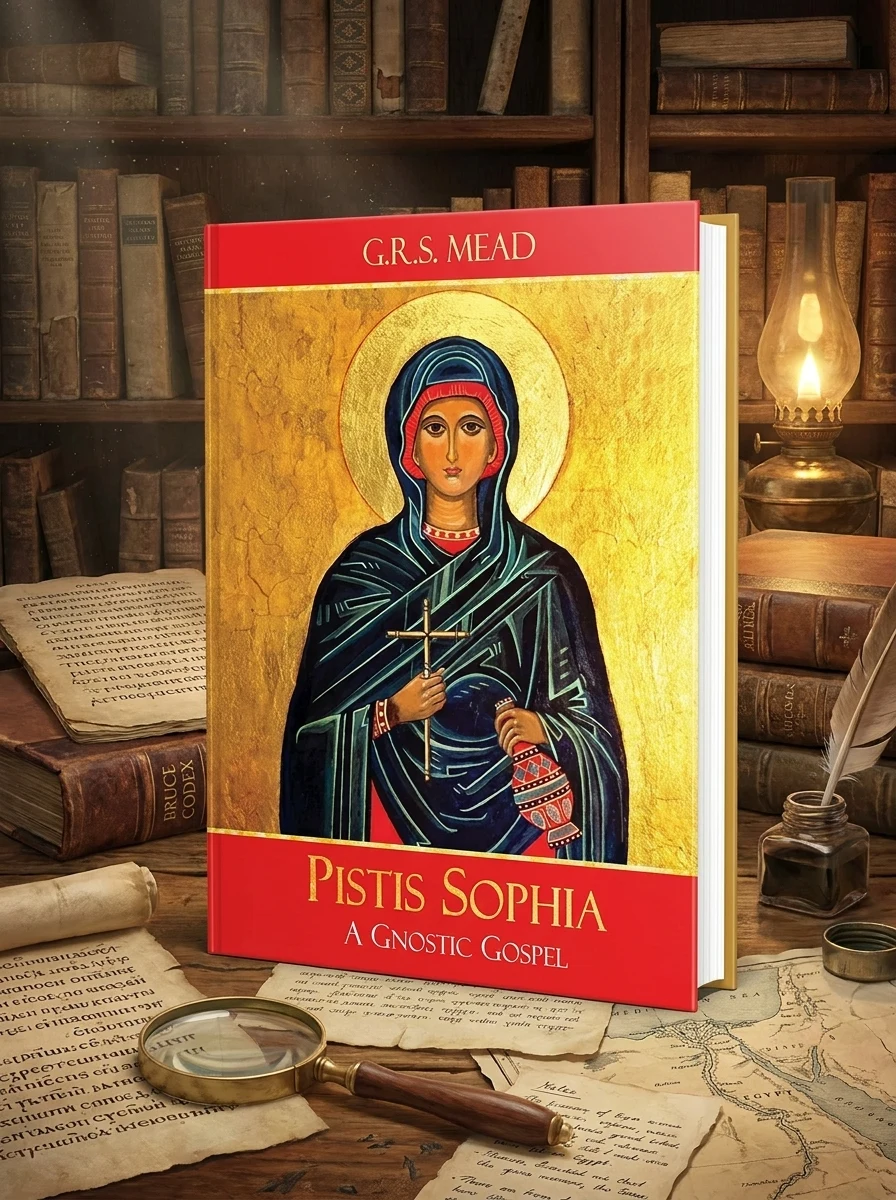
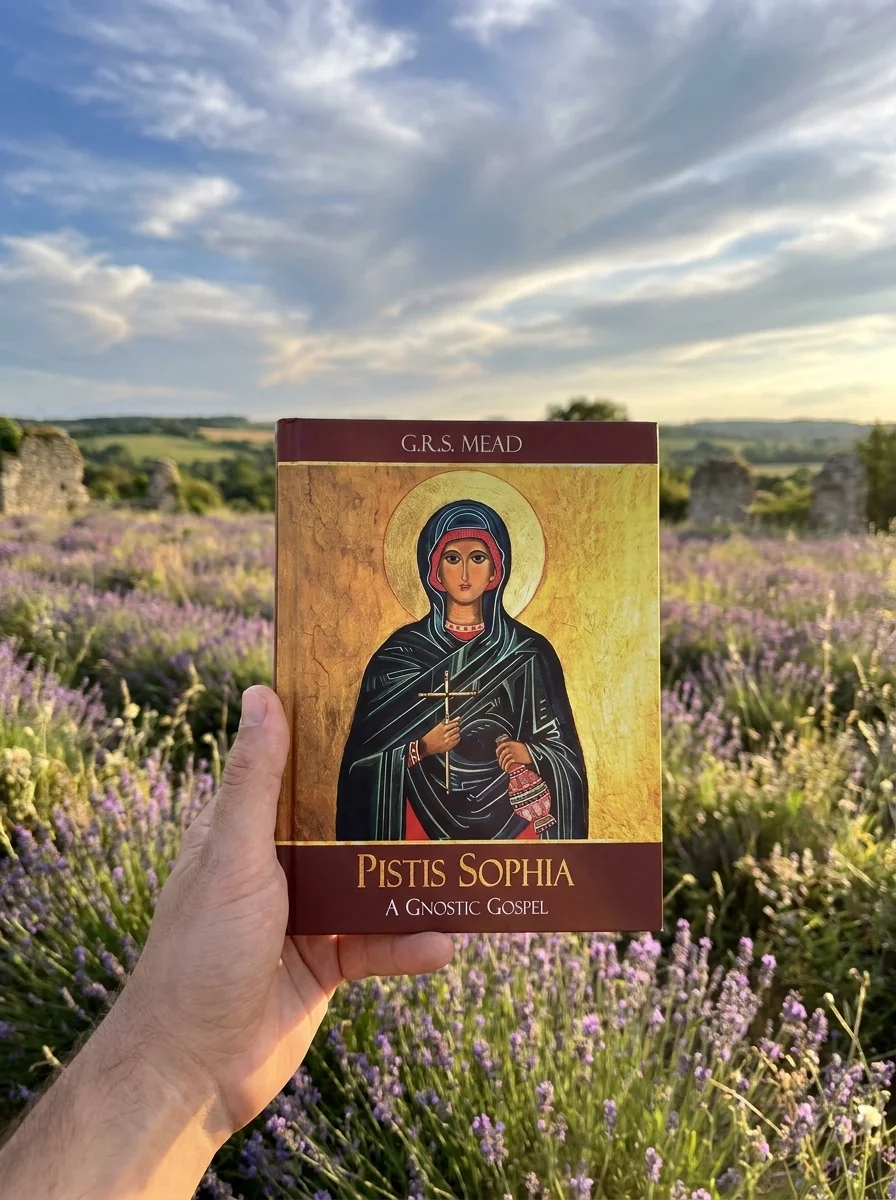
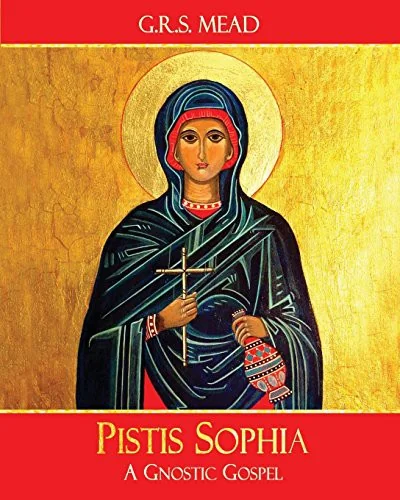
Pistis Sophia: A Gnostic Gospel

✍️ Mead, G R S
13 $ 20 $ Discount 7 $
📚 ABOUT THE BOOK

Unveil cosmic revelations and spiritual journeys from an ancient Gnostic vision.

Step into the profound spiritual landscape of early Christianity with G.R.S. Mead's seminal 1921 translation of the Pistis Sophia. This volume presents a complete and meticulously reordered rendition of the ancient Gnostic scripture, designed to guide the reader progressively through its complex teachings. Mead's scholarly apparatus, including extensive notes and commentary, illuminates the text's mystical dialogues and profound cosmogony. Discover a world where divine emanations, spiritual battles, and the quest for ultimate knowledge define the path to salvation, offering a unique glimpse into a foundational esoteric tradition.


Key themes
{'title': 'Gnostic Cosmology Unveiled', 'body': 'The Pistis Sophia offers a rich tapestry of Gnostic thought, detailing intricate hierarchies of divine beings, the fall and redemption of the soul, and the struggle between light and darkness. This work provides an unparalleled primary source for understanding the unique mythological and theological structures that defined Gnostic worldviews, challenging conventional religious paradigms of its era and beyond.'} {'title': 'Spiritual Ascent & Gnosis', 'body': "Central to the text is the theme of spiritual progression and the attainment of gnosis, or divine knowledge, as the key to liberation. Mead's careful arrangement of the ancient codices is intended to facilitate the reader's own journey from lower to higher degrees of understanding, making the complex allegories and revelations more accessible for those seeking profound esoteric insight."} {'title': 'Early Christian Heterodoxy', 'body': "This document stands as a testament to the diverse and often conflicting spiritual currents within early Christianity. It illuminates alternative interpretations of Christ's teachings and the nature of salvation, offering a crucial counterpoint to the developing orthodox doctrines. Studying the Pistis Sophia provides invaluable context for understanding the rich spectrum of spiritual beliefs prevalent in the ancient world."}
🏛 Mockingbird 📅 2017 📖 274 pages 🌐 en 📐 Paperback ISBN: 9781946774002
In stock — ready to ship
Fun fact
Mead's rendition of the Pistis Sophia is an indispensable cornerstone for any serious exploration of Gnosticism. His meticulous scholarship, extensive commentary, and deliberate structuring elevate this ancient text, making its complex revelations more navigable. While its intricate cosmology might challenge casual readers, those committed to profound esoteric study will find unparalleled depth. This edition firmly establishes itself as a definitive resource, essential for understanding the alternative spiritual currents that shaped early religious thought and continue to resonate in contemporary esotericism.

📝 Description: Pistis Sophia: A Gnostic Gospel

This paperback edition of the Pistis Sophia is a complete and accurate reprint of the original translation by G. R. S. Mead in 1921. It contains all of Mead's original notes and running commentary, as well as his annotated bibliography which includes numerous sources and further research material for the reader. The Pistis Sophia is a gnostic text thought to have been written sometime between the 3rd and 4th centuries AD. According to Mead, there were two codices discovered in the late 18th century that contained the original work. The Bruce Codex was brought to Oxford by the famous Scottish traveler Bruce in 1769, and the Askew Codex was given to the British Museum by the heirs of a wealthy doctor in 1785. Both codices were thereafter translated by experts and their contents ordered in a fashion that seemed proper according to their best abilities. Mead's translation followed these efforts, but as he says in his introduction, the order of the contents was changed "to place the contents of these Coptic translations roughly in such a sequence that the reader may be led from lower to higher grades of the Gnosis." The Pistis Sophia itself is of such a marvelous and complex nature, that it is hard to describe in a short space. But generally, the book shows the risen Jesus revealing the lower and higher mysteries to a group of his followers over the period of 22 years. Included in these mysteries are complex cosmologies that the human soul must travel through in order to reach Gnosis with the Father. A new story of the rise and fall of a restorative figure known as the Pistis Sophia is also given by Christ. The text in the first three of the four books is a dialogue between Jesus and his disciples, including Mary Magdalene, who is the most active in the discussion. Other disciples involved include John the Virgin, Andrew, Bartholomew, James, John, Mary, Martha, Mathew, Philip, Salome, Simon the Canaanite, and Thomas. It is apparent, based on the character of the text, that the work was a compilation of various earlier editions, as some subjects and events are covered multiple times with slight variations. Changes in certain words used in describing the same ideas also illustrate that the collected works were from different time periods. The first book details how Jesus, after his resurrection, stayed with his disciples for eleven years teaching the lowest of the mysteries. An intricate cosmology is introduced through the details of Jesus ascending the so called aeons in order to do battle with certain servants (archons) of the creator god who stands between human beings and gnosis. It is in this cosmology that the new myth of the Pistis Sophia is introduced and discussed continuing into the second book, where connection between the current work and the Book of Jeu is demonstrated. Interestingly, unlike such other Gnostic myths such as the Apocryphon of John, the Pistis Sophia myth is limited to the lower aeons, not herself being a divine being from the higher levels of heaven. The third book concerns the ethical code for the adherents of Christianity, and outlines punishments for the transgression of that ethical system. Additionally, human beings and their spiritual nature are discussed, along with their connectedness to each other and when they should be given the mysteries. The fourth book details further cosmological and astrological systems, including myths of fallen archons and their imprisonment within certain zodiacal spheres. Five realms of punishment with their corresponding types of sinners are revealed, along with the ritual and requirements for their release.

⭐ Reader reviews

The starting rating comes from the team Esoterica Books — add yours →
⭐ Esoterica editorial review Editorial rating 4.5/5
★★★★
If you're drawn to esoteric Christianity, ancient mystical traditions, or the profound spiritual inquiries of early centuries, this foundational text offers unparalleled insight. It's essential for scholars and serious seekers exploring Gnosticism, providing a meticulously presented and deeply…

Reader rating

Reviews yet. Be the first!

❓ Frequently asked questions

It chronicles the spiritual journey of Pistis Sophia, a divine emanation, through the realms of light and darkness, seeking redemption through gnosis, or divine knowledge, guided by the resurrected Christ's teachings.
Mead's translation is lauded for its scholarly integrity, enriched by his extensive notes, running commentary, and a thoughtful reordering of the codices to facilitate a progressive understanding of Gnostic wisdom.

📖 Who should read this

If you're drawn to esoteric Christianity, ancient mystical traditions, or the profound spiritual inquiries of early centuries, this foundational text offers unparalleled insight. It's essential for scholars and serious seekers exploring Gnosticism, providing a meticulously presented and deeply annotated primary source.

🎯 Key themes and symbolism

Gnostic Cosmology Unveiled

The Pistis Sophia offers a rich tapestry of Gnostic thought, detailing intricate hierarchies of divine beings, the fall and redemption of the soul, and the struggle between light and darkness. This work provides an unparalleled primary source for understanding the unique mythological and theological structures that defined Gnostic worldviews, challenging conventional religious paradigms of its era and beyond.

Spiritual Ascent & Gnosis

Central to the text is the theme of spiritual progression and the attainment of gnosis, or divine knowledge, as the key to liberation. Mead's careful arrangement of the ancient codices is intended to facilitate the reader's own journey from lower to higher degrees of understanding, making the complex allegories and revelations more accessible for those seeking profound esoteric insight.

Early Christian Heterodoxy

This document stands as a testament to the diverse and often conflicting spiritual currents within early Christianity. It illuminates alternative interpretations of Christ's teachings and the nature of salvation, offering a crucial counterpoint to the developing orthodox doctrines. Studying the Pistis Sophia provides invaluable context for understanding the rich spectrum of spiritual beliefs prevalent in the ancient world.

💬 Quotes from the book

«And Jesus said unto them: 'Blessed are ye who have found the Mystery of the Light, for ye shall pass through all the veils of chaos and ascend unto the Treasury of the Light.'»

«Then Pistis Sophia cried aloud unto the Light, saying: 'O Light of Lights, save me from the archons of the Outer Darkness, for my power is diminished, and I am lost in matter.'»

📜 Historical context

Originating between the 3rd and 4th centuries AD, the Pistis Sophia represents a vital Gnostic scripture rediscovered in the late 18th century through the Bruce and Askew codices. G.R.S. Mead's 1921 translation, part of a broader esoteric revival, meticulously compiled and reordered these ancient Coptic manuscripts, offering the English-speaking world a structured pathway into one of antiquity's most enigmatic spiritual traditions.

📚 Glossary

Gnosticism
Codex
Coptic

📔 Questions to reflect on

  1. Reflect on a time you felt 'lost in matter' or disconnected from a higher purpose. How might Gnostic principles of gnosis offer a path back to spiritual light?
  2. The Pistis Sophia presents a complex cosmology with hierarchies of beings. How does this compare or contrast with your own understanding of the universe and divine order?
  3. Consider Mead's intention to lead readers 'from lower to higher grades of Gnosis.' What does spiritual progression mean to you, and what steps do you take on your own path?
Home Genres
Cart
Favorites
Menu
Esoterica Books Esoterica Books
Sign in or create an account Orders & favorites
Book genres Collections Bestsellers Deals and off What to read
Favorites Cart Track an order
Help
Chat with Esoterica Books Call us
Information
About us Shipping & payment Returns Terms Privacy Contact