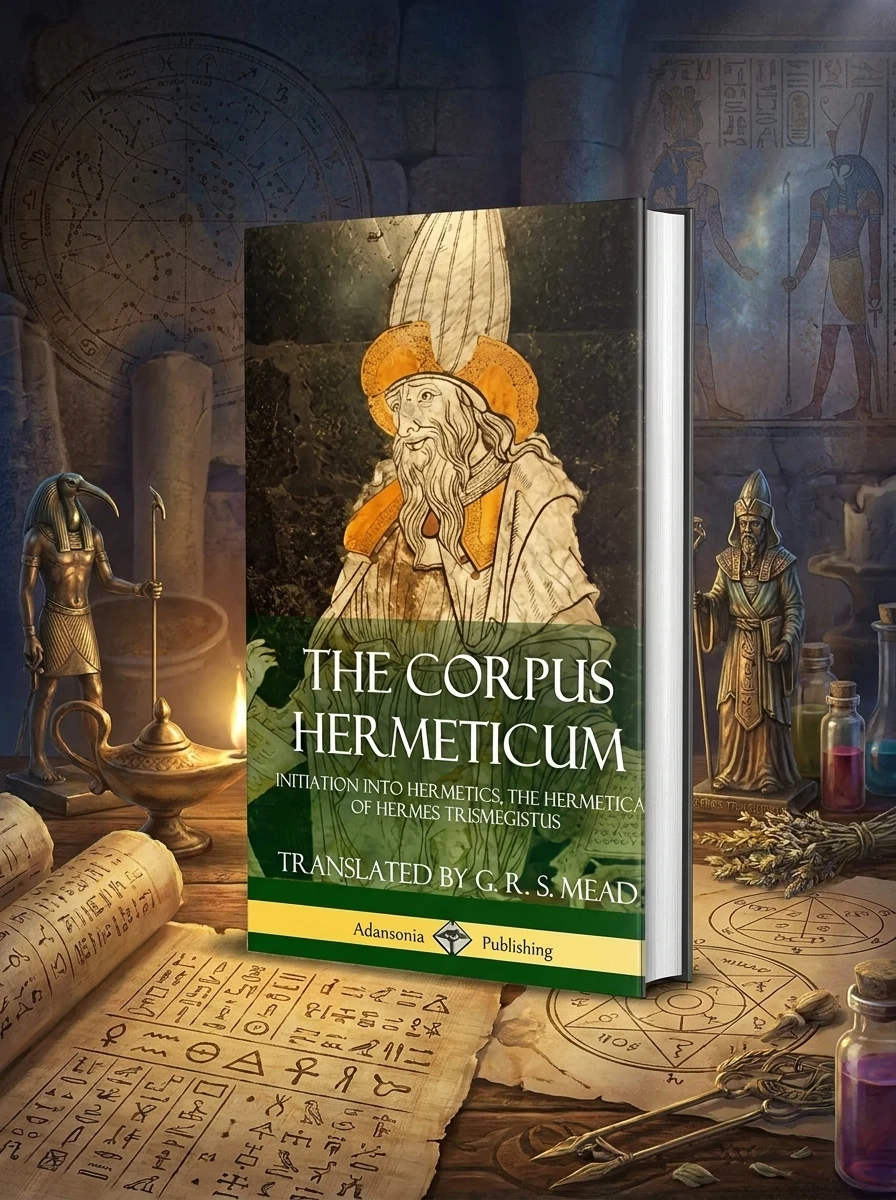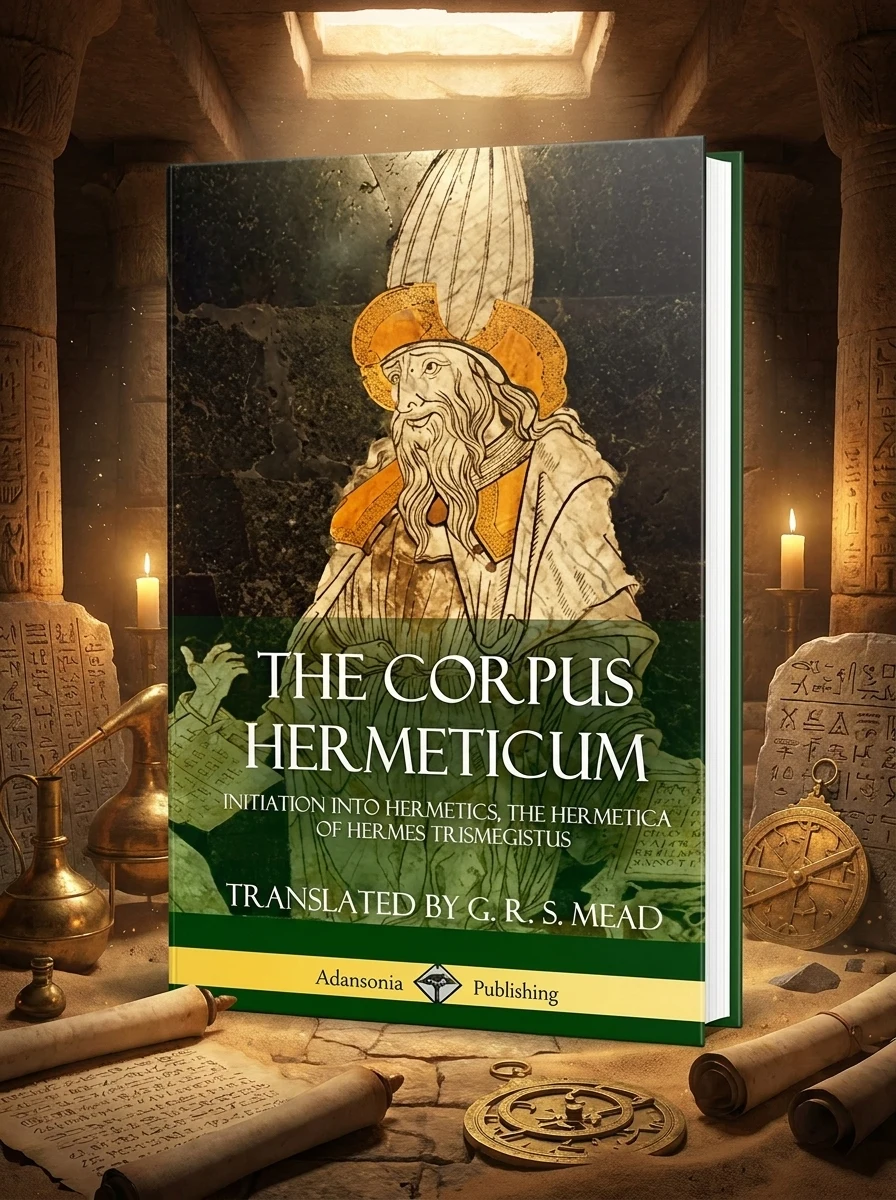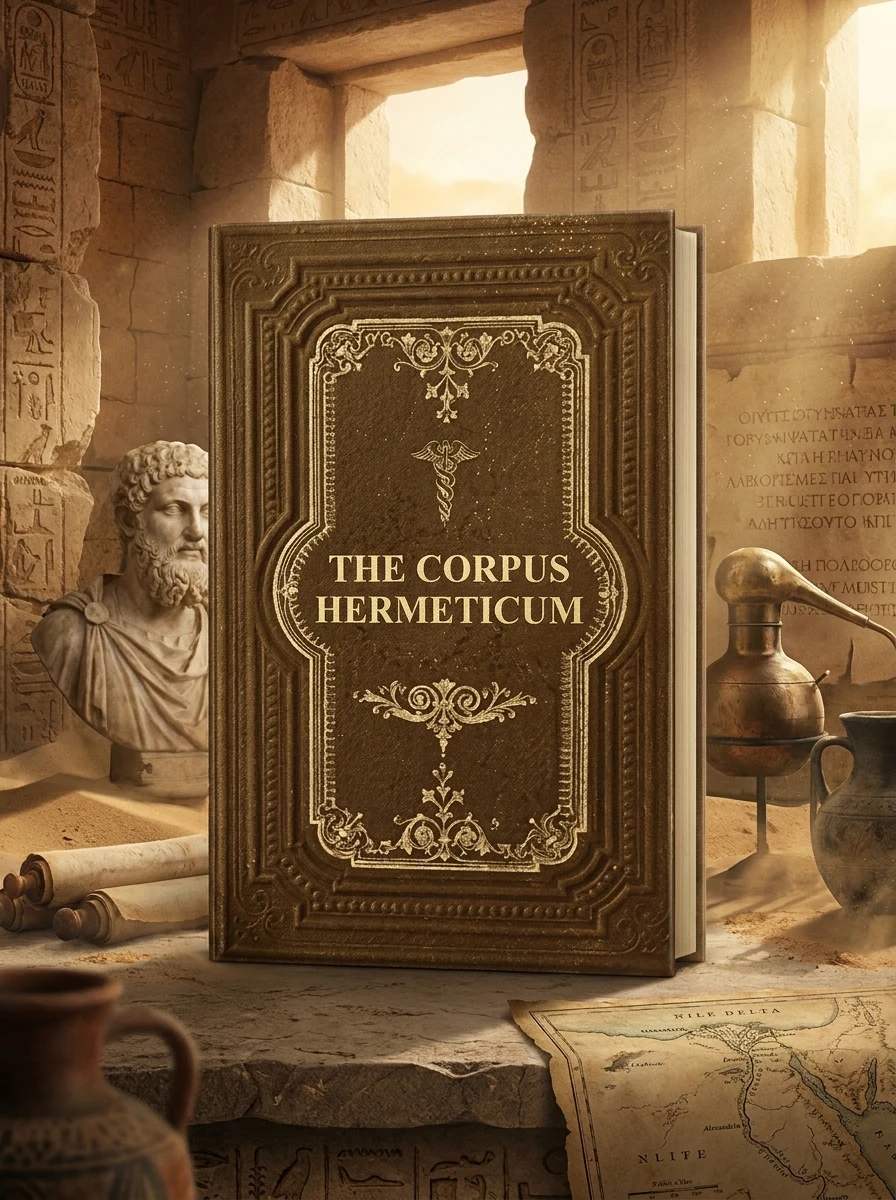
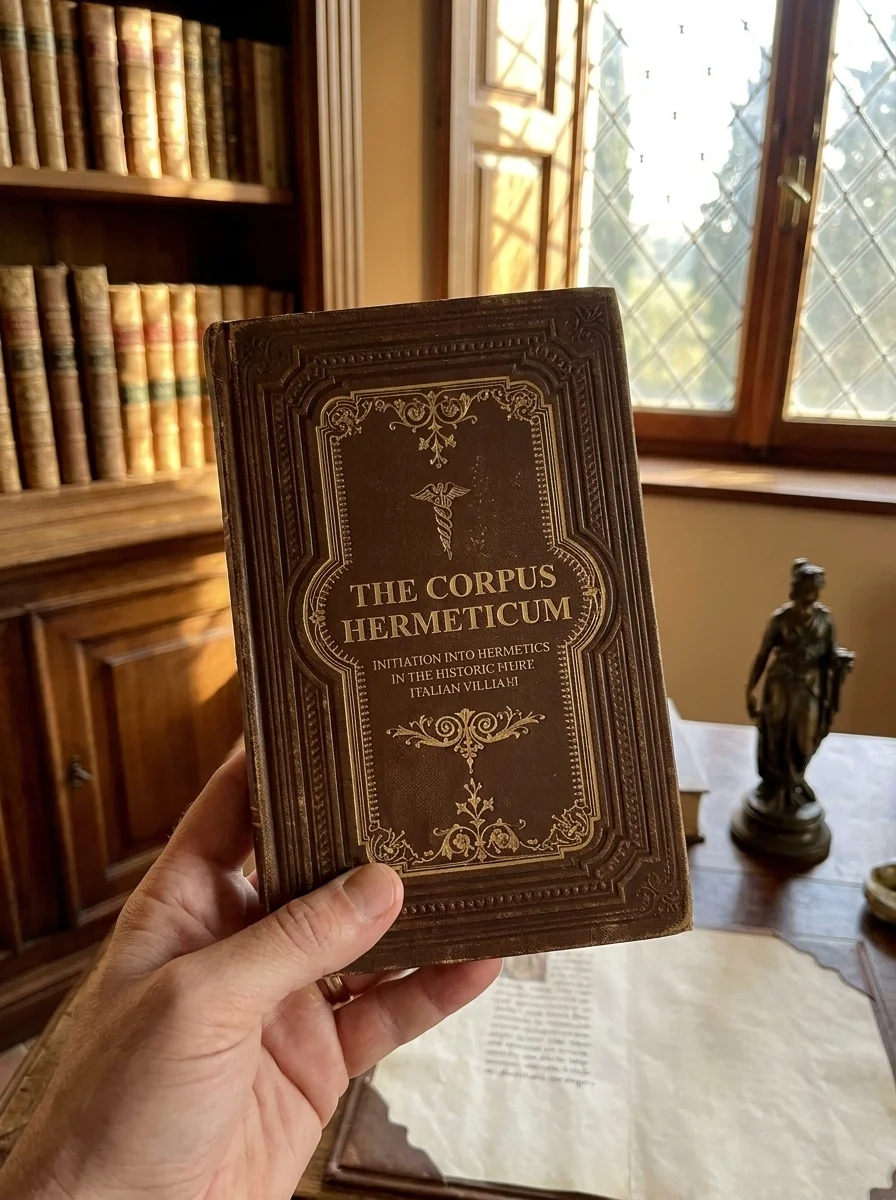
The Corpus Hermeticum: Initiation Into Hermetics, The Hermetica Of Hermes Trismegistus
✍️ Mead, G R SThis essential collection presents the fifteen core tractates of the ancient Corpus Hermeticum, alongside the foundational Perfect Sermon. Attributed to the mythical sage Hermes Trismegistus, these texts were compiled in Egypt centuries before the 3rd century C.E. and represent a profound synthesis of Greek and Egyptian spiritual thought. Rediscovered during the Renaissance, these writings illuminate a path to understanding the cosmos, the divine mind, and humanity's place within it, forming the bedrock of Hermetic philosophy and influencing countless mystical traditions.


📝 Description: The Corpus Hermeticum: Initiation Into Hermetics, The Hermetica Of Hermes Trismegistus
💎 Expert review
📖 Why choose it
Why this book is worth reading
This volume is an essential treasure for seekers of Western esotericism who wish to unearth the foundational wisdom that shaped mystical traditions. Readers interested in the profound synthesis of Greek and Egyptian thought will find deep value in these core tractates and the Perfect Sermon. It offers a unique path to understanding the cosmos and the divine mind, illuminating humanity's place within the greater spiritual scheme. Those drawn to the revelations of Hermes Trismegistus will appreciate this direct access to the bedrock of Hermetic philosophy, making it indispensable for serious students of ancient spirituality.
⭐ Reader reviews
Reader rating
Mead’s translation presents a vital collection of fifteen core tractates alongside the Perfect Sermon, offering a clear window into the mythical sage's teachings. While historically significant and spiritually dense, this text demands patience; it is not suited for casual readers seeking quick answers or modern self-help frameworks. The philosophical abstraction may alienate those unfamiliar with Neoplatonic concepts or ancient mystery traditions. However, for dedicated practitioners of Hermetics, it remains an authoritative source that captures the essence of Renaissance rediscoveries and ancient cosmic mysteries.
❓ Frequently asked questions
📖 Who should read this
Seekers of ancient wisdom, students of esotericism, and anyone intrigued by the philosophical roots of Western mystical traditions will find profound insights within these pages. This is essential reading for those desiring a direct encounter with Hermetic thought's primary source material.
🎯 Key themes and symbolism
Divine Revelation
The Corpus Hermeticum opens with the profound experience of Poemandres, the 'Man-Shepherd,' bestowing cosmic understanding upon Hermes. This initial tractate establishes a direct, revelatory mode of acquiring spiritual knowledge, emphasizing the direct transmission of divine wisdom rather than mere intellectual study, setting the tone for the entire collection.
Cosmic Philosophy
Beyond revelation, the subsequent 'General Sermons' delve into core tenets of Hermetic thought. They explore the nature of the universal Mind, the creation of the cosmos, and the intricate relationship between humanity and the divine. These dialogues offer a systematic framework for understanding the metaphysical structure of existence, from macrocosm to microcosm.
Spiritual Illumination
A central thread throughout these texts is the journey towards Gnosis—a deep, intuitive spiritual knowledge. The 'Key' and other tractates guide the reader toward an inner awakening, emphasizing the human capacity to transcend the material world and achieve union with the divine intelligence, making enlightenment an attainable goal for the diligent seeker.
📜 Historical context
📚 Glossary
- Hermes Trismegistus
- Poemandres
- Hermetism
📔 Questions to reflect on
- How does the concept of Poemandres as the 'Man-Shepherd' resonate with your understanding of divine guidance or inner wisdom?
- Reflect on the Hermetic idea of the universal Mind. How might this perspective shift your view of knowledge, consciousness, and interconnectedness?
- Consider the call for self-knowledge within these ancient texts. What personal insights might be revealed by embarking on such an inward journey?