People searching for Hermetica books are often looking for a way to understand one of the most influential currents in Western esoteric thought. The tradition includes philosophical dialogues, spiritual reflections, symbolic writings, and later works that interpret Hermetic ideas through different historical periods. Choosing the right books can be challenging because the catalog contains both ancient sources and modern presentations.
A strong reading path begins with texts connected to Hermes Trismegistus and then expands into works that examine philosophy, history, Egyptian spirituality, and related mystical systems. These writings frequently explore themes of divine intelligence, humanity’s connection with the cosmos, transformation, and concepts such as pre-existence that appear in various spiritual discussions. The following Hermetica books provide a balanced selection for studying the tradition from several perspectives.
Foundational Hermetica books: starting with major texts
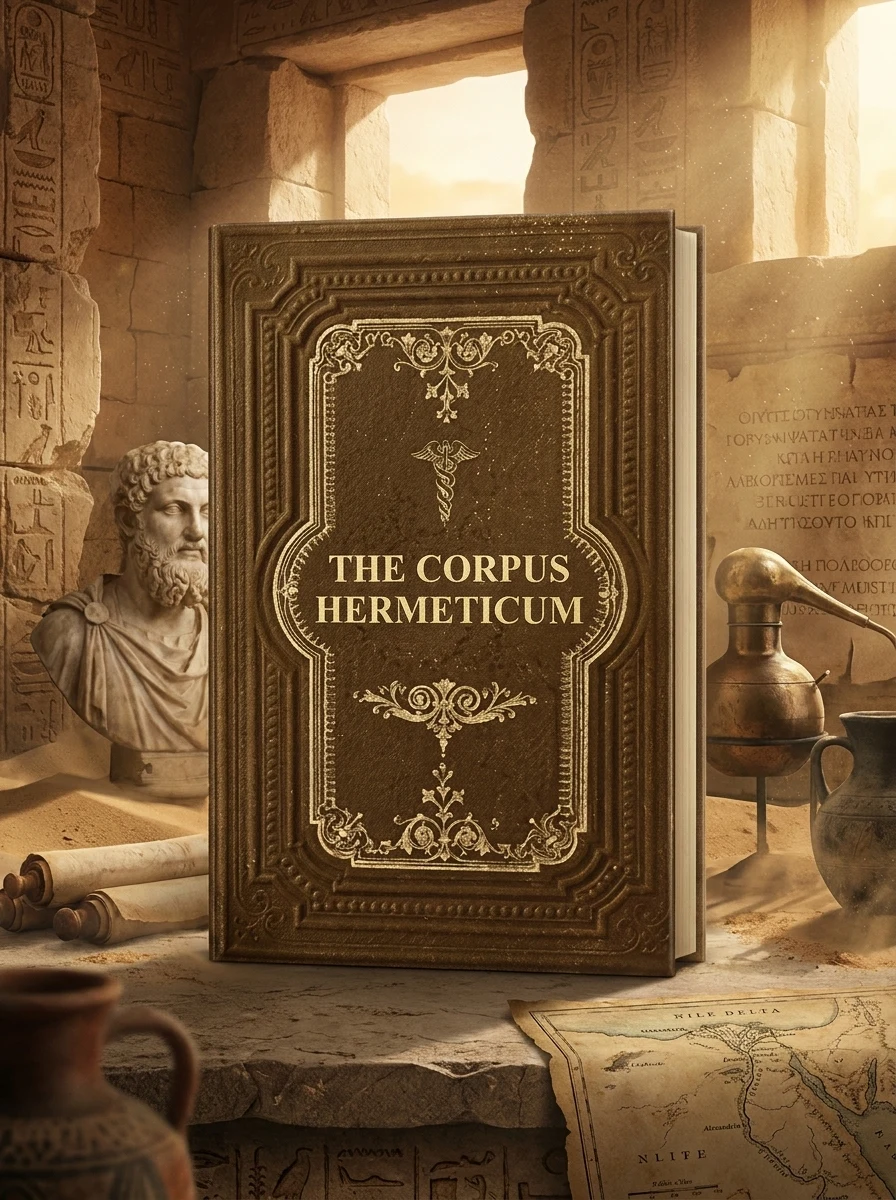
1. The Corpus Hermeticum (Collector's Edition) (Laminated Hardback with Jacket) — Hermes Trismegistus
This edition presents one of the central collections associated with Hermetic philosophy. It is a natural first choice for readers who want direct access to traditional Hermetic dialogues and reflections. The work represents a foundational part of the literature and helps establish many of the philosophical themes explored throughout later Hermetic writing.
Readers approaching Hermetica for the first time can use this text as a reference point before moving into interpretations and historical studies. Its place in the tradition makes it a useful addition for anyone creating a focused collection of esoteric philosophy.
2. The Emerald Tablet of Hermes — Hermes Trismegistus
The Emerald Tablet of Hermes is a concise work associated with Hermetic and alchemical traditions. Its symbolic language has made it one of the most recognized texts connected with ideas of transformation and hidden principles. Because of its short format, it allows readers to examine key Hermetic concepts without beginning with a larger collection.
This book works well alongside longer Hermetic texts because it provides a concentrated expression of themes that influenced later philosophical and alchemical discussions.
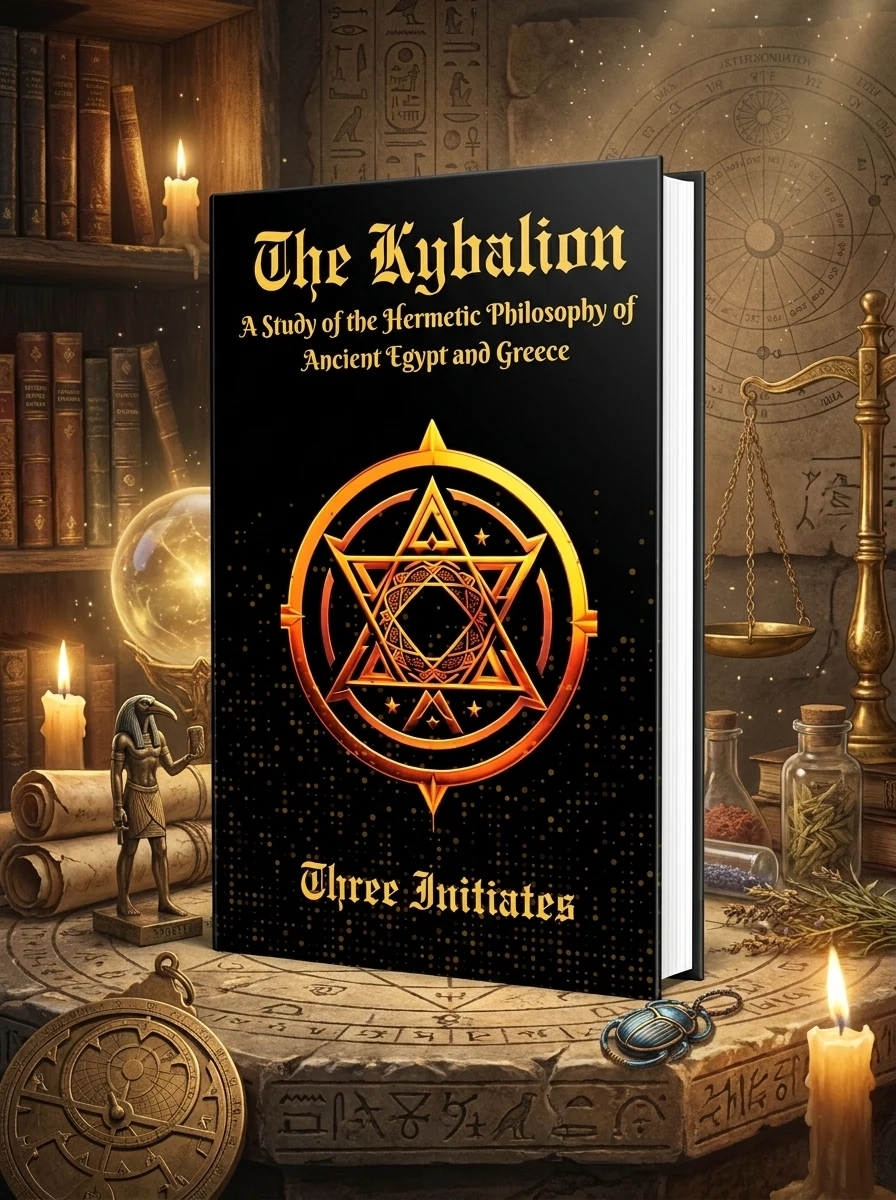
3. The Kybalion: A Study of the Hermetic Philosophy of Ancient Egypt and Greece — Three Initiates
The Kybalion is a widely recognized modern introduction to Hermetic philosophy. Rather than presenting itself as a historical collection of ancient manuscripts, it offers a structured explanation of Hermetic principles and ideas. Many readers choose it when they want a systematic overview of concepts connected with Hermetic thought.
This title provides a different experience from primary sources such as The Corpus Hermeticum. Reading both allows for comparison between ancient philosophical writings and later interpretations of Hermetic principles.
Collections and scholarly approaches
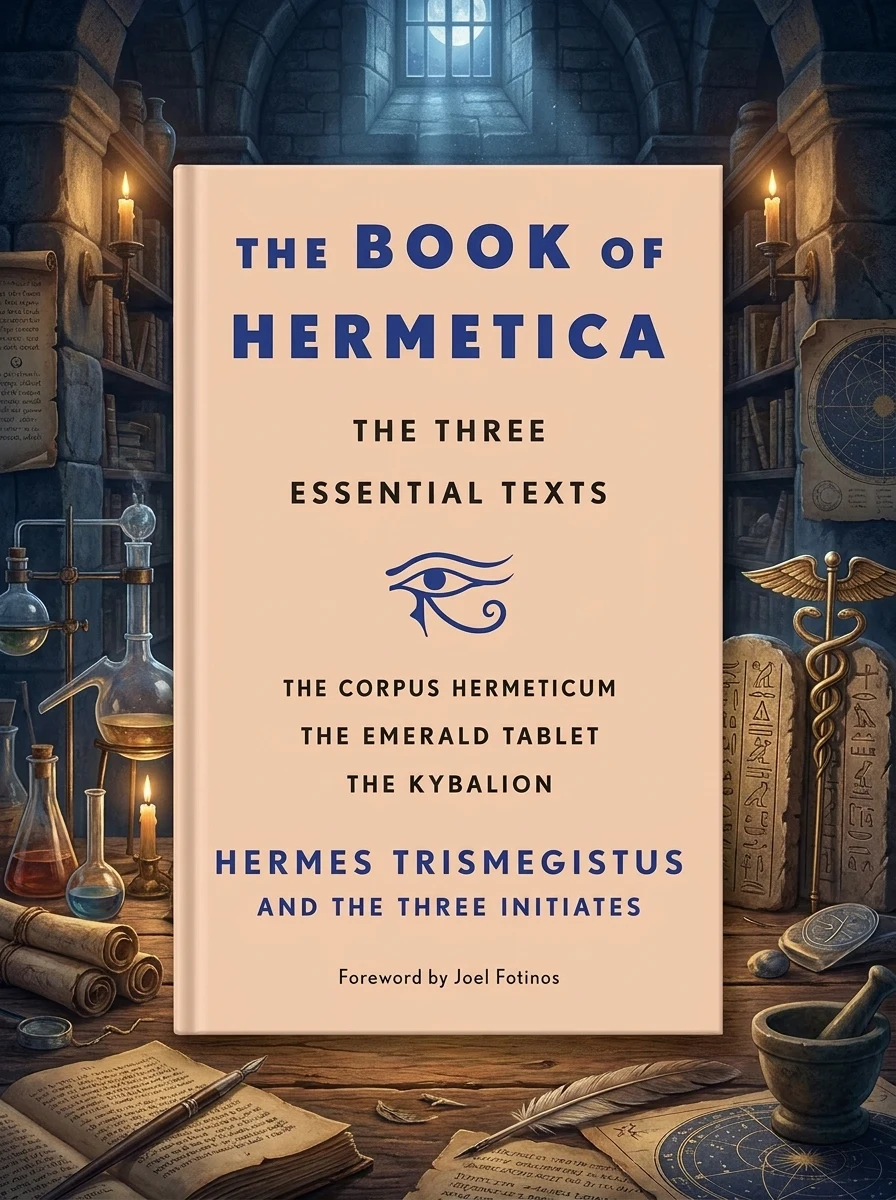
4. The Book of Hermetica: The Three Essential Texts: The Corpus Hermeticum, the Emerald Tablet, the Kybalion — Three Initiates; Hermes Trismegistus
This collection combines three important works frequently discussed in Hermetic studies. It gives readers a convenient way to compare major texts and observe how different forms of Hermetic philosophy appear across writings associated with Hermes Trismegistus and later authors.
For a personal library, this volume offers a broad introduction because it brings together foundational materials in one place. It can serve as a bridge between introductory study and more specialized reading.
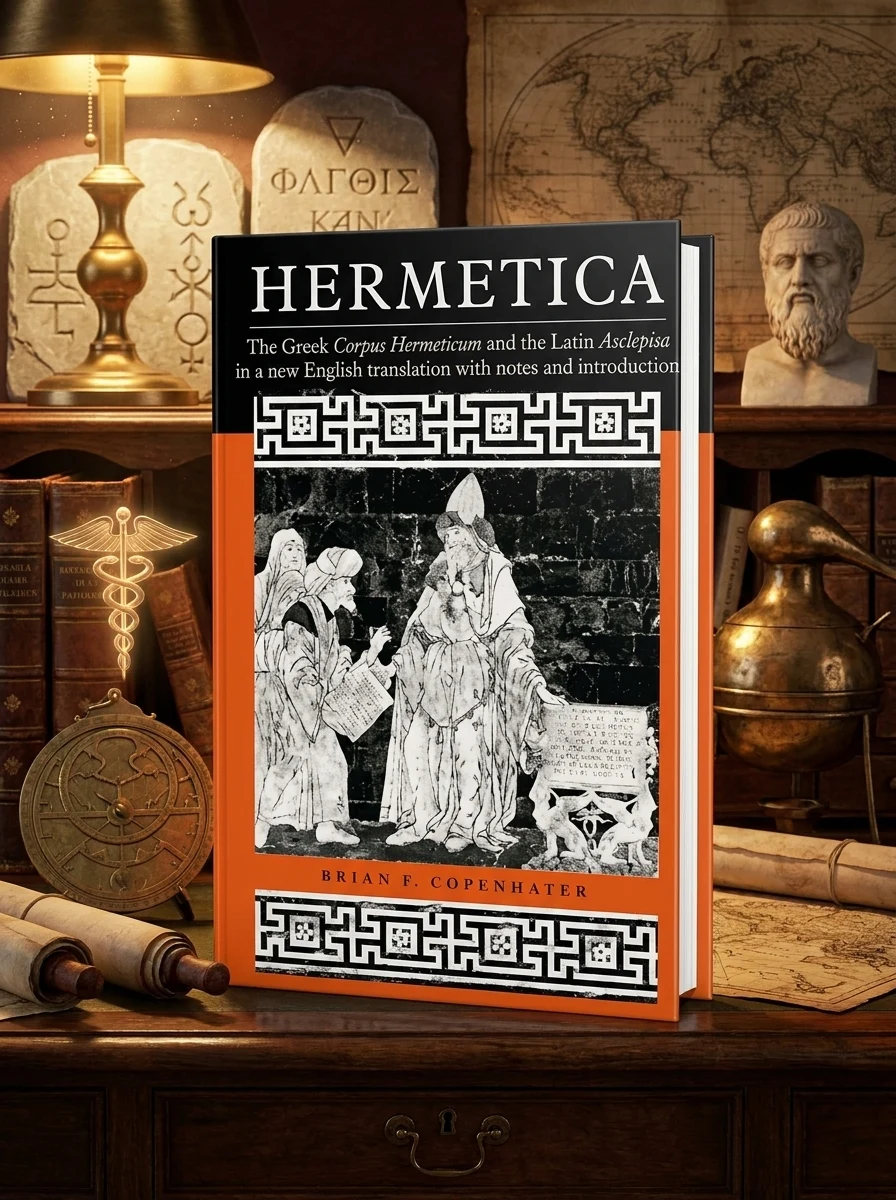
5. Hermetica: The Greek Corpus Hermeticum and the Latin Asclepius in a New English Translation, with Notes and Introduction — Brian P. Copenhaver
This edition approaches Hermetic writings through translation and scholarly commentary. It is suited for readers who want a closer examination of Greek and Latin materials connected with Hermetic literature. The notes and introduction provide context for studying these texts in a more academic manner.
Readers interested in historical sources may find this volume useful because it focuses on the writings themselves and their interpretation rather than only on later spiritual applications.
6. The Corpus Hermeticum: Initiation Into Hermetics, The Hermetica Of Hermes Trismegistus — G. R. S. Mead
G. R. S. Mead’s work reflects a long tradition of presenting Hermetic writings as sources of philosophical and spiritual instruction. This edition is valuable for readers studying how Hermetic texts were interpreted within Western esoteric circles.
It provides another perspective on the relationship between ancient writings and later discussions of mystical knowledge, making it a useful companion to translations and historical analyses.
Expanding into related Hermetic traditions
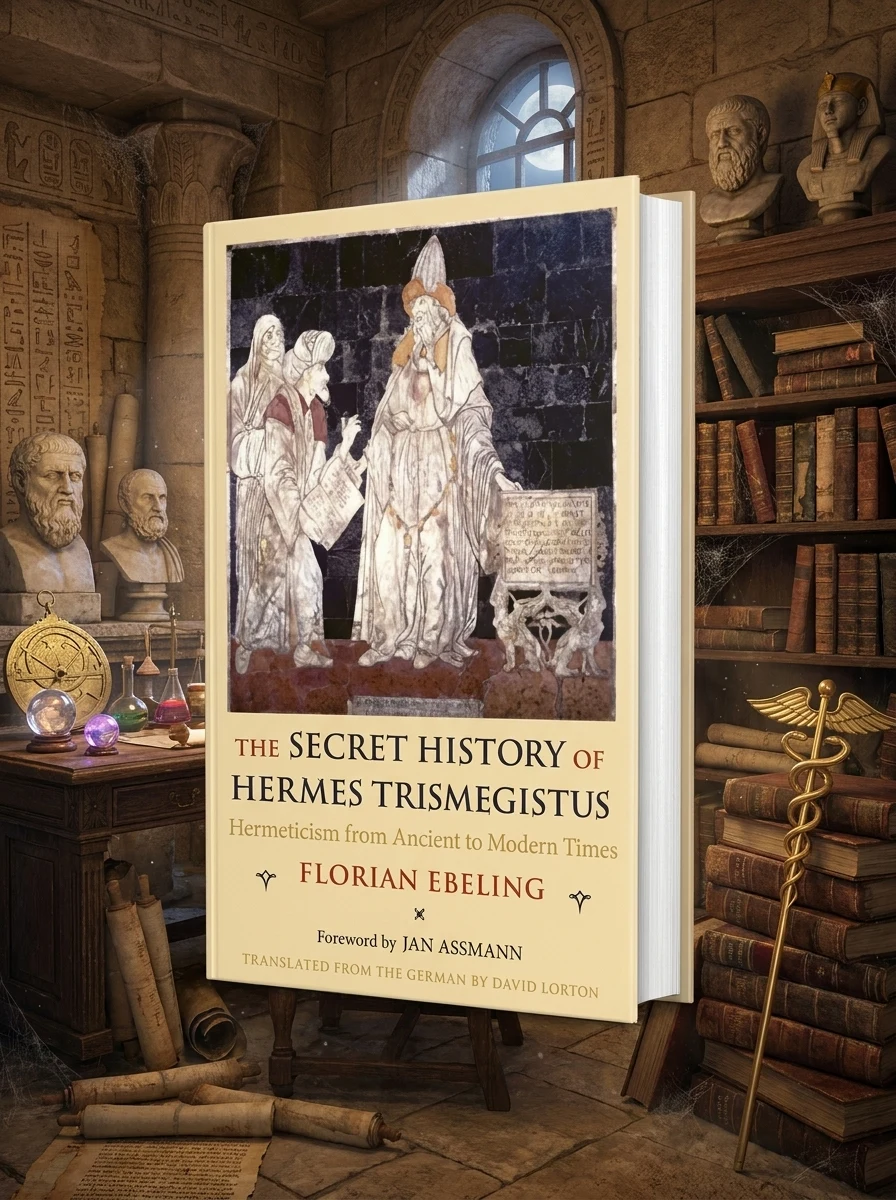
7. The Secret History of Hermes Trismegistus: Hermeticism from Ancient to Modern Times — Florian Ebeling
This work examines Hermeticism through its historical development. It is designed for readers who want to understand how the figure of Hermes Trismegistus and Hermetic ideas changed across different eras.
The book adds historical perspective to a collection focused on primary texts. It helps connect ancient writings with later intellectual and spiritual movements that continued to discuss Hermetic themes.
8. The Kemetic Tree of Life Ancient Egyptian Metaphysics and Cosmology for Higher Consciousness — Muata Ashby
This title explores ancient Egyptian metaphysics and cosmology. It may appeal to readers interested in Egyptian spiritual frameworks and their relationship with broader studies of ancient wisdom traditions.
Within a Hermetica collection, this book provides a perspective centered on Egyptian concepts and spiritual philosophy. It complements texts focused more directly on Hermes Trismegistus.
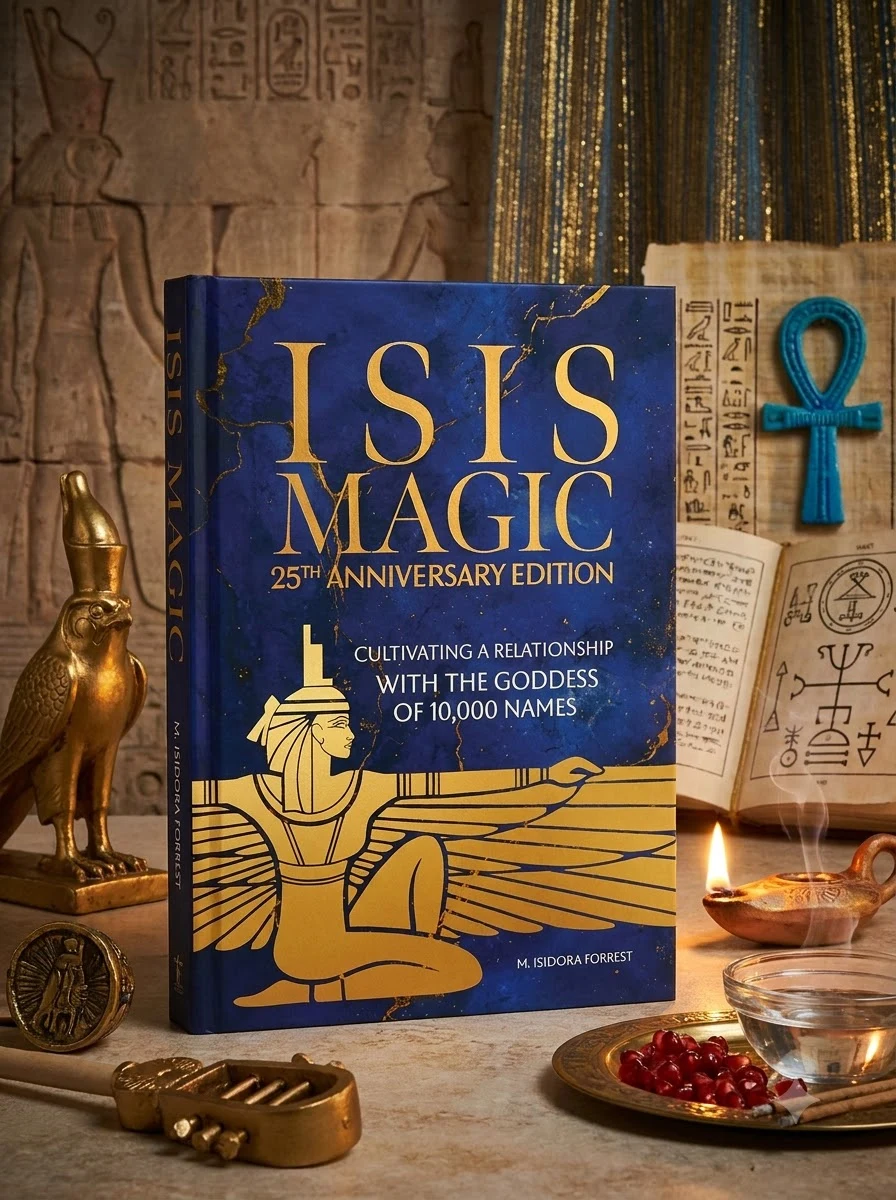
9. Isis Magic: 25th Anniversary Edition: Cultivating a Relationship with the Goddess of 10,000 Names — M. Isidora Forrest
This work focuses on ancient Egyptian spirituality, goddess worship, and devotional practice. It expands a Hermetic library into related Egyptian religious traditions and provides readers with another approach to spiritual exploration.
The connection between Egyptian themes and Hermetic studies has interested many students of esoteric history. This book offers a devotional perspective rather than a collection of Hermetic philosophical dialogues.
10. The Secret Teachings of All Ages: An Encyclopedic Outline of Masonic, Hermetic, Qabbalistic and Rosicrucian Symbolical Philosophy — Manly P. Hall
This encyclopedic work covers a wide range of symbolic and philosophical traditions, including Hermetic and Rosicrucian subjects. It is suited for readers who want a broad reference work covering many areas connected with Western esoteric study.
Its scope makes it different from focused Hermetic texts, but it can help readers place Hermetic ideas alongside other symbolic systems. The book is especially useful for those building a wider collection of esoteric references.
How to choose the right Hermetica book
The best Hermetica book depends on your preferred approach. Readers seeking foundational writings may want to begin with The Corpus Hermeticum, The Emerald Tablet of Hermes, or collections that combine several major works. Those interested in interpretation may prefer The Kybalion or historical studies that examine how Hermetic ideas developed.
Students interested in Egyptian connections can explore works focused on ancient Egyptian spirituality and metaphysics. These books provide additional context for themes often discussed alongside Hermetic philosophy. Some readers are also drawn to concepts involving pre-existence, consciousness, and the relationship between humanity and larger cosmic principles.
A thoughtful Hermetica library does not require every available title. A carefully selected group of primary texts, translations, and historical studies can provide a strong foundation for continued reading. Comparing different approaches helps reveal the many ways Hermetic ideas have been preserved, interpreted, and discussed over time.