The Hermetic Order of the Golden Dawn lasted barely twelve years in its original form, yet almost every school of Western ceremonial magic that came after it borrowed its grades, its rituals or its tarot. That influence is exactly what makes it hard to read about. Some books are the order's own papers; some are twentieth-century reconstructions; some are histories written by academics who never performed a ritual; and some are modern curricula that adapt the system for a solitary student. Read them in the wrong order and the material looks like a wall of Hebrew letters and colour scales.
This guide puts the essential books in a sequence that actually works: history first, then the small daily practices the order itself taught its newest members, then the source texts, then the specialist subjects — Qabalah, tarot and the grimoires the order's founders translated — and finally the modern books that show how the system is practised today. Every title below is one we stock, and for the few books that exist in several editions we say which one to buy and why.
What the Golden Dawn was, in one minute
The order was founded in London in 1888 by three Freemasons — William Wynn Westcott, Samuel Liddell MacGregor Mathers and William Robert Woodman — on the authority of the so-called Cipher Manuscripts, a set of coded ritual outlines whose origin is still argued about. Its first temple, Isis-Urania, admitted men and women on equal terms, which was unusual for the time. Members included the poet W. B. Yeats, the actress Florence Farr, Arthur Edward Waite, the novelist Algernon Blackwood and, from 1898, Aleister Crowley. Disputes over Mathers's leadership broke the order apart around 1900, and its successors — Stella Matutina, the Alpha et Omega and Waite's own rite — carried the teaching on in smaller groups. For the background in our own words, see the Golden Dawn entry in our glossary, and the related entries on Hermeticism and Rosicrucianism.
The system was organised into grades. The Outer Order ran from Neophyte (0=0) through Zelator (1=10), Theoricus (2=9), Practicus (3=8) and Philosophus (4=7), each grade attached to a sephirah of the Qabalistic Tree of Life and each with its own "knowledge lecture" to memorise. Only after the Portal did a member enter the Inner Order, the Rosae Rubeae et Aureae Crucis, where practical magic began in earnest. Most of the books below make far more sense once you know that structure: the order taught theory in a fixed sequence and expected its members to master each stage before moving on.
Stage 1 — Start with the history
You do not need the history to practise, but you do need it to judge what you read later. Golden Dawn literature is full of claims about secret chiefs and ancient lineages; a good historian tells you which parts are documented and which are legend.
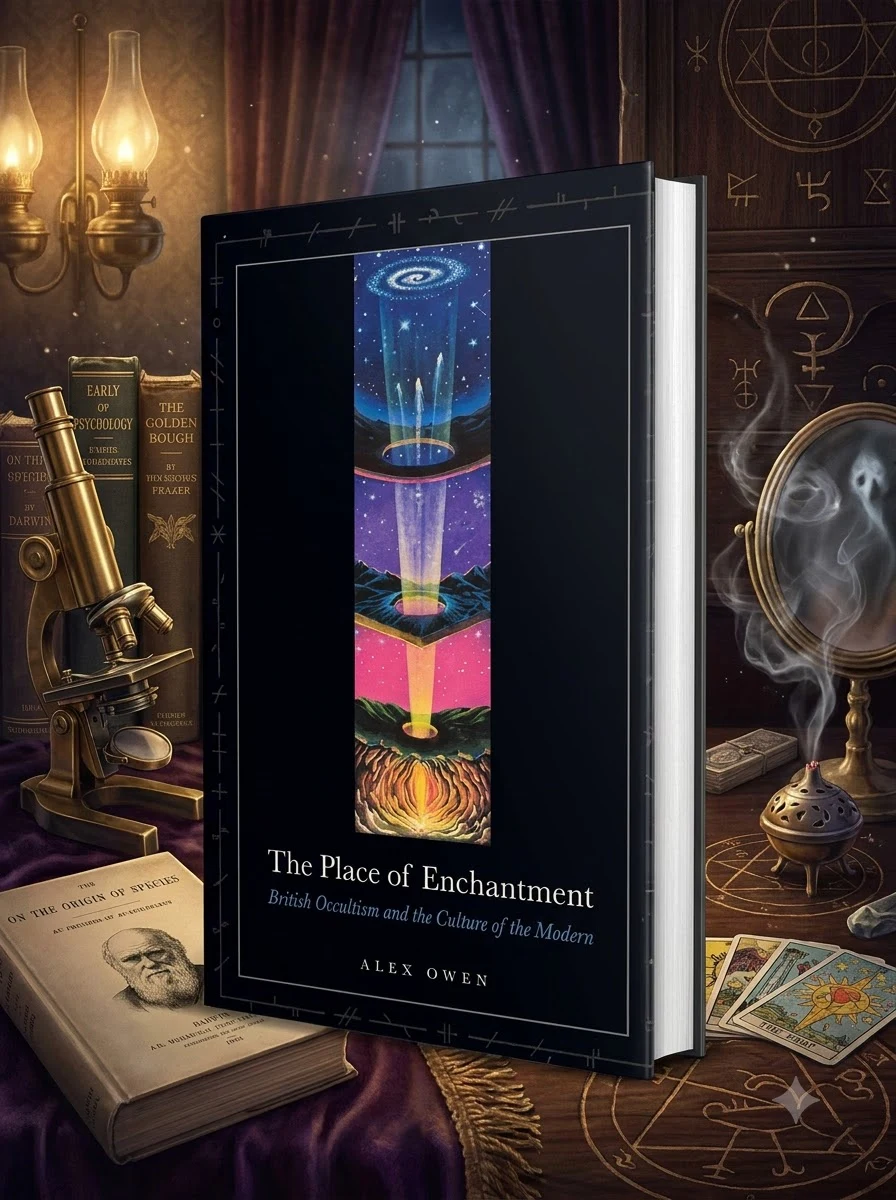
1. The Place of Enchantment: British Occultism and the Culture of the Modern — Alex Owen
The best single history of the world the Golden Dawn grew out of. Owen, a cultural historian, treats the order seriously as a modern phenomenon: why educated Londoners in the 1890s turned to ritual magic, what the order meant for its women members, and how its ideas about the self anticipated psychology. Read it first and the rest of the list stops feeling like a curiosity.
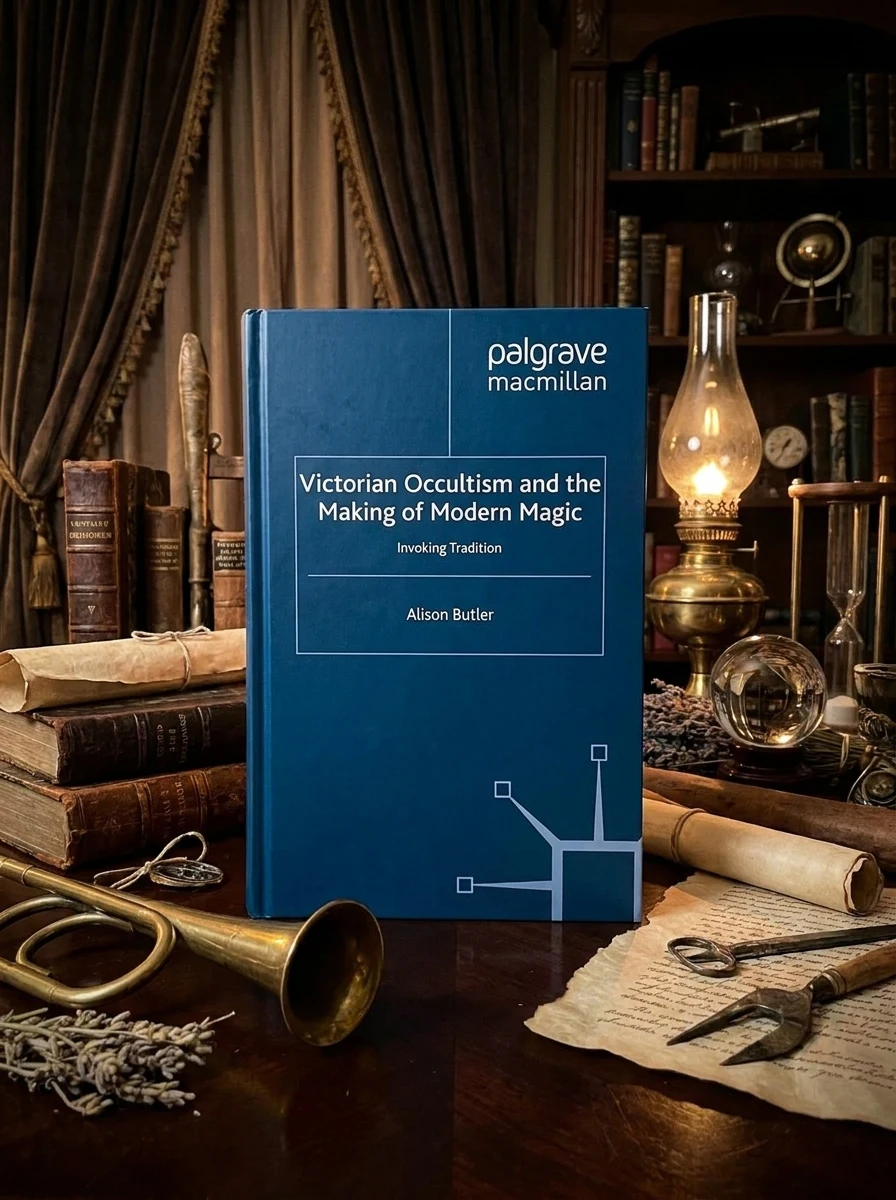
2. Victorian Occultism and the Making of Modern Magic: Invoking Tradition — Alison Butler
A tighter, academic study focused on the order's own documents and the way its founders assembled a "tradition" from Freemasonry, Rosicrucianism, Renaissance magic and Kabbalah. It is the book to read if you want to understand where each layer of the rituals came from. Note that it is a scholarly monograph priced like one; the paperback is the sensible choice.
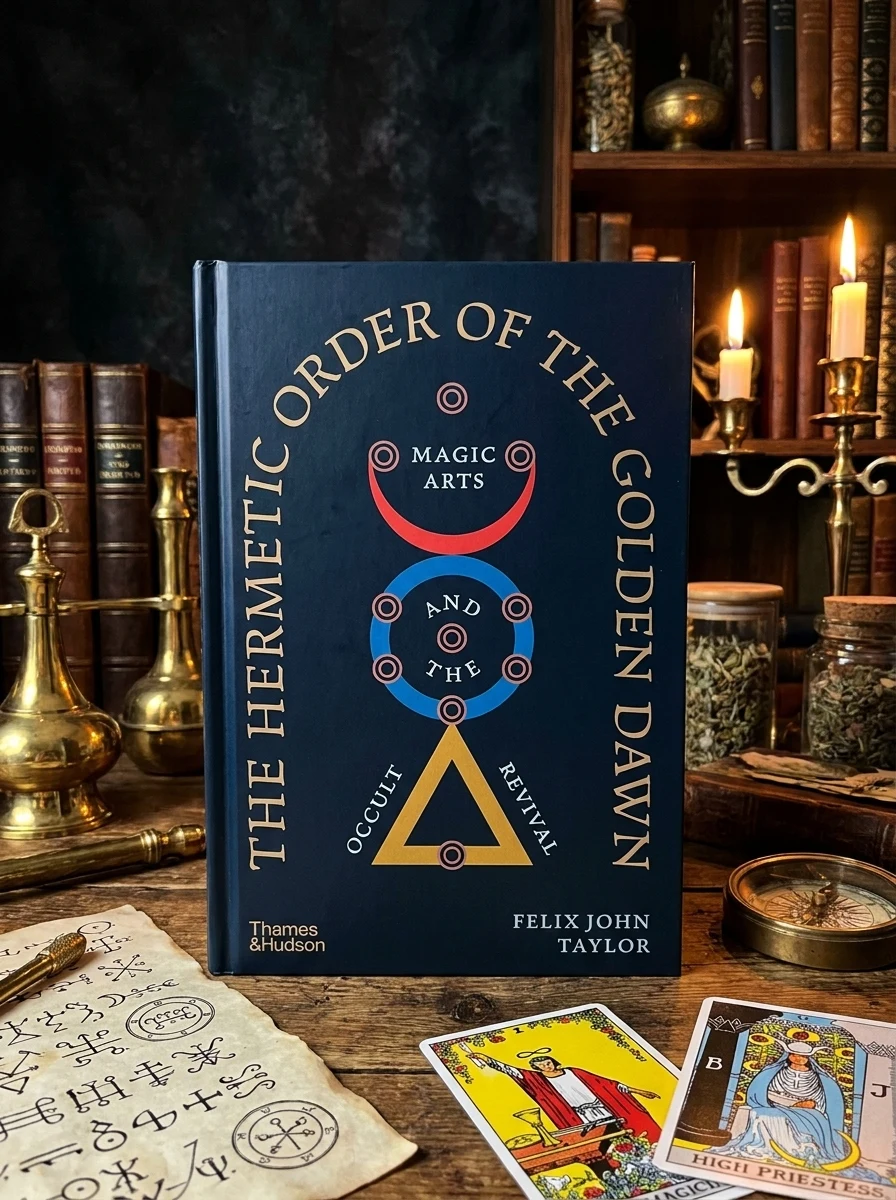
3. The Hermetic Order of the Golden Dawn: Magic Arts and the Occult Revival — Felix John Taylor
A new history from Thames & Hudson, the art publisher, and the most visual book on this list. The Golden Dawn was a profoundly visual system — painted wands, lotus wands, colour scales, the tarot — and an illustrated history is the quickest way to see what the documents describe.
Stage 2 — The practices the order taught first
A Neophyte's first instruction was not a ritual of evocation; it was the Lesser Banishing Ritual of the Pentagram, basic Qabalistic correspondences and steady daily practice. Israel Regardie — Crowley's secretary in the late 1920s and later a member of the Stella Matutina — wrote three short books in the 1930s that are still the best introduction to that groundwork. Read them before the big source text.
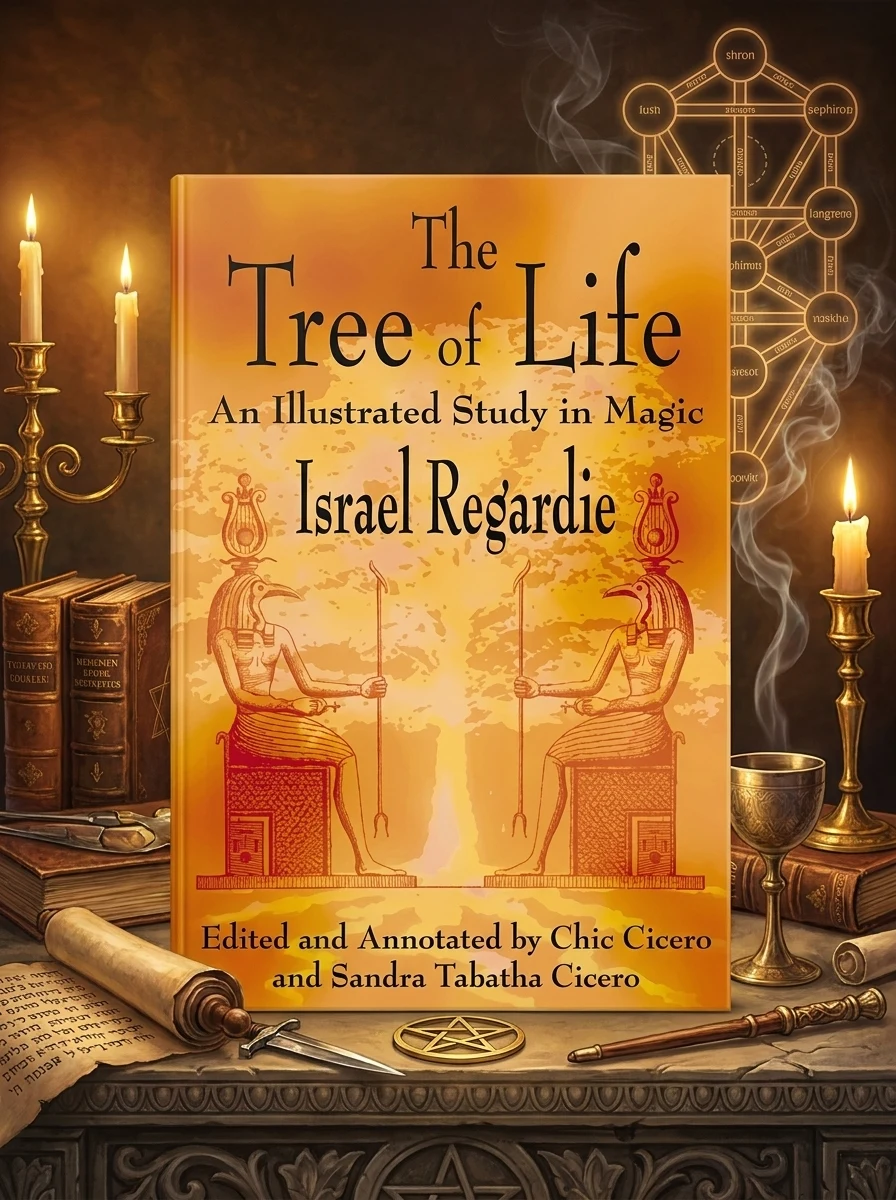
4. The Tree of Life: An Illustrated Study in Magic — Israel Regardie
Regardie's 1932 overview of Western magic as the Golden Dawn understood it: the will, the imagination, invocation, the magical instruments. This Llewellyn edition is annotated and illustrated by Chic and Sandra Tabatha Cicero, which makes it far easier to follow than the original text alone.
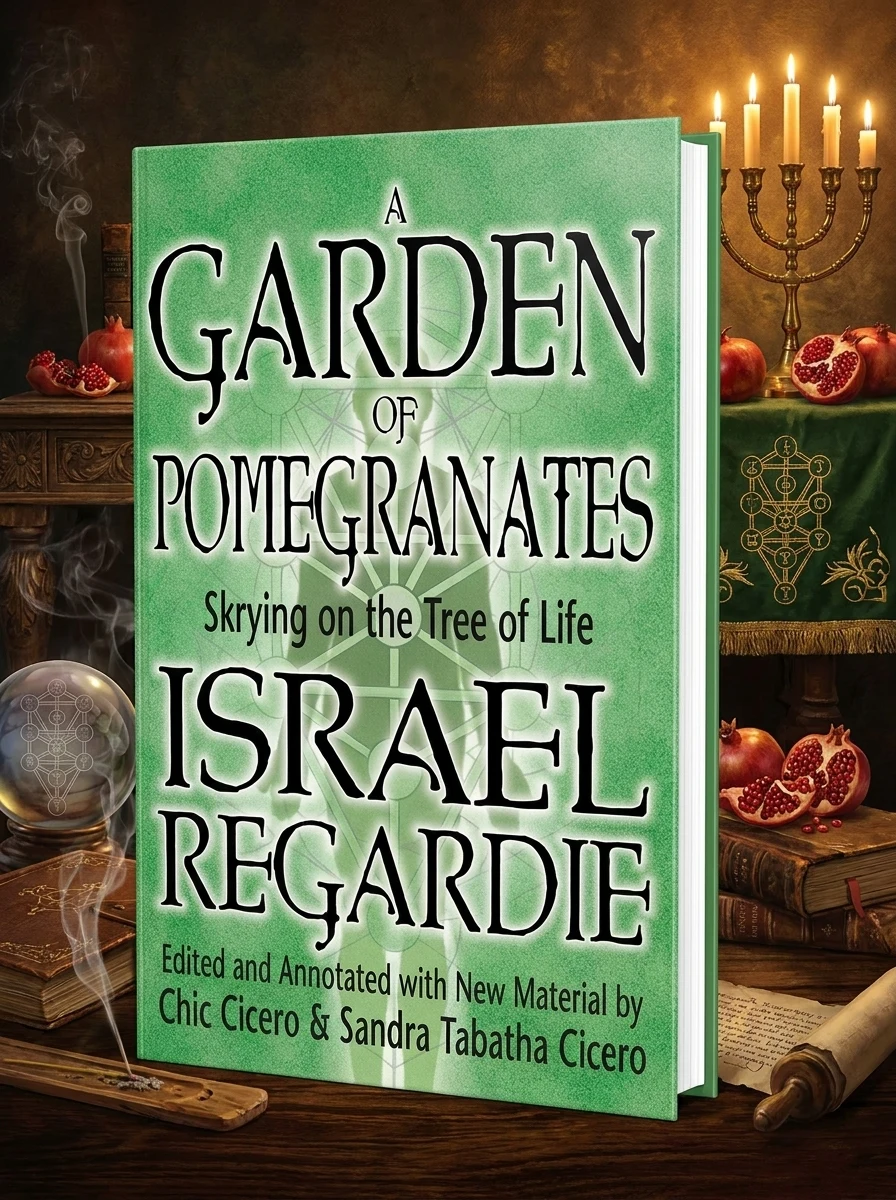
5. A Garden of Pomegranates: Skrying on the Tree of Life — Israel Regardie
Also from 1932, a compact guide to the Tree of Life and its thirty-two paths as the order used them. It is the gentlest route into Golden Dawn Qabalah, and the annotated Cicero edition adds the meditations that turn it from a reference into a practice.
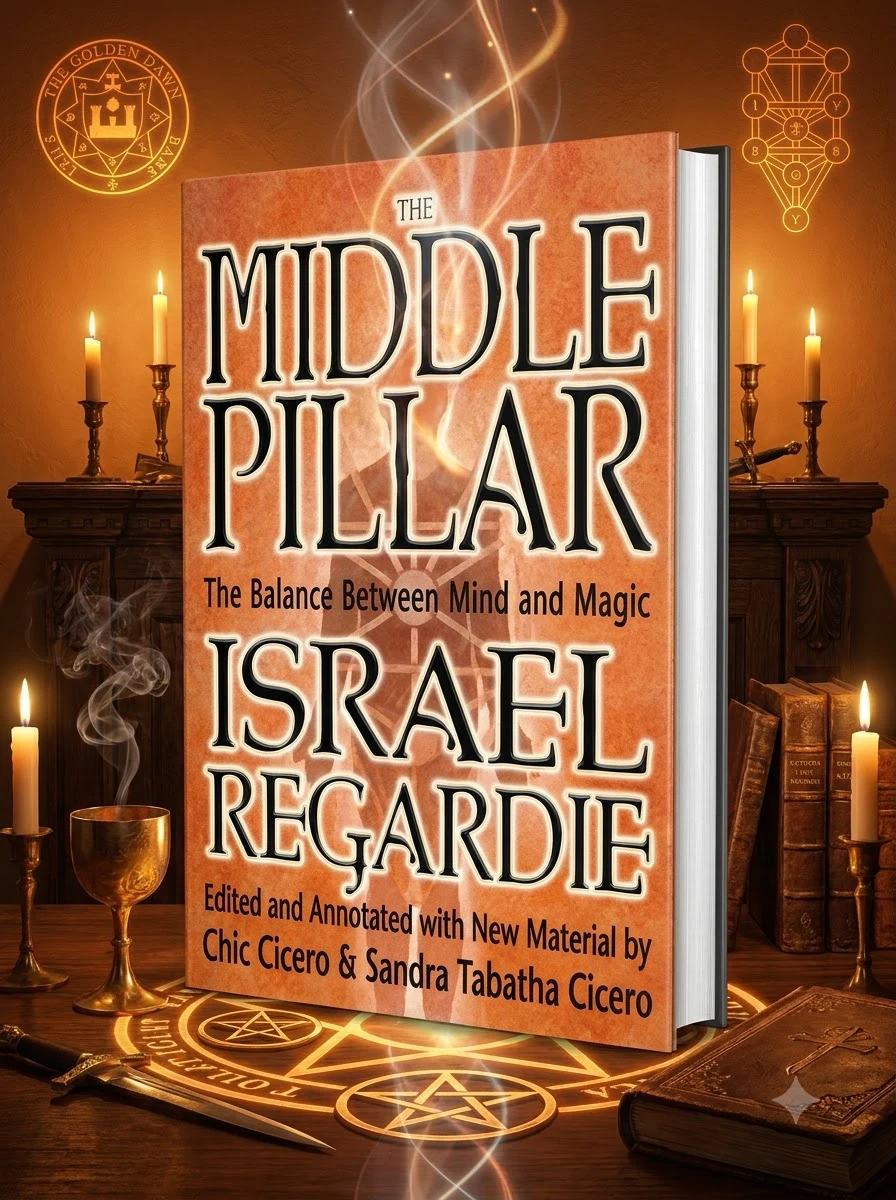
6. The Middle Pillar: The Balance Between Mind and Magic — Israel Regardie
Regardie's 1938 book on the Middle Pillar exercise, an energy and visualisation practice built on the central column of the Tree of Life. It is probably the single most widely practised Golden Dawn-derived technique today, and the book explains it with unusual psychological good sense.
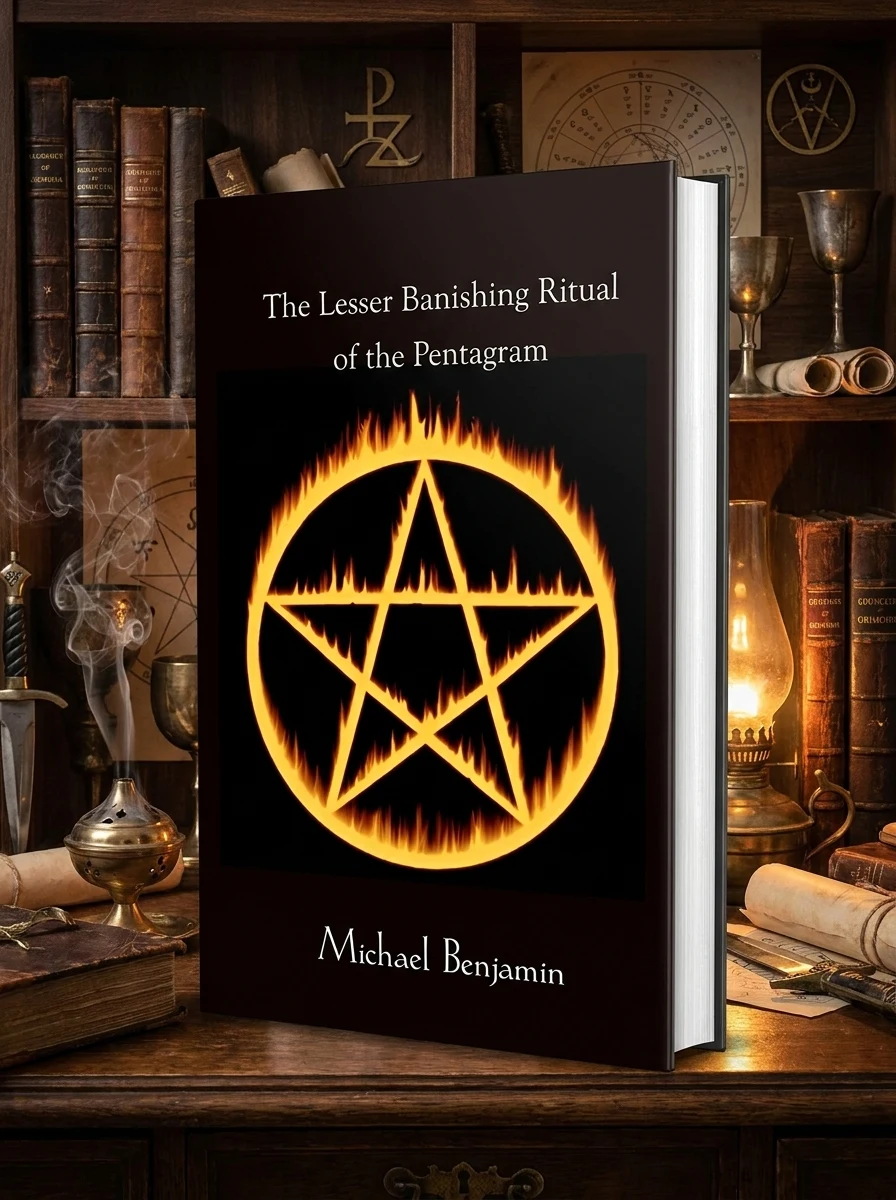
7. The Lesser Banishing Ritual of the Pentagram — Michael Benjamin
A whole short book on one ritual sounds excessive until you try to perform the LBRP from a half-page description. Benjamin walks through every gesture, name and visualisation, and the common mistakes. Use it alongside the Regardie titles.
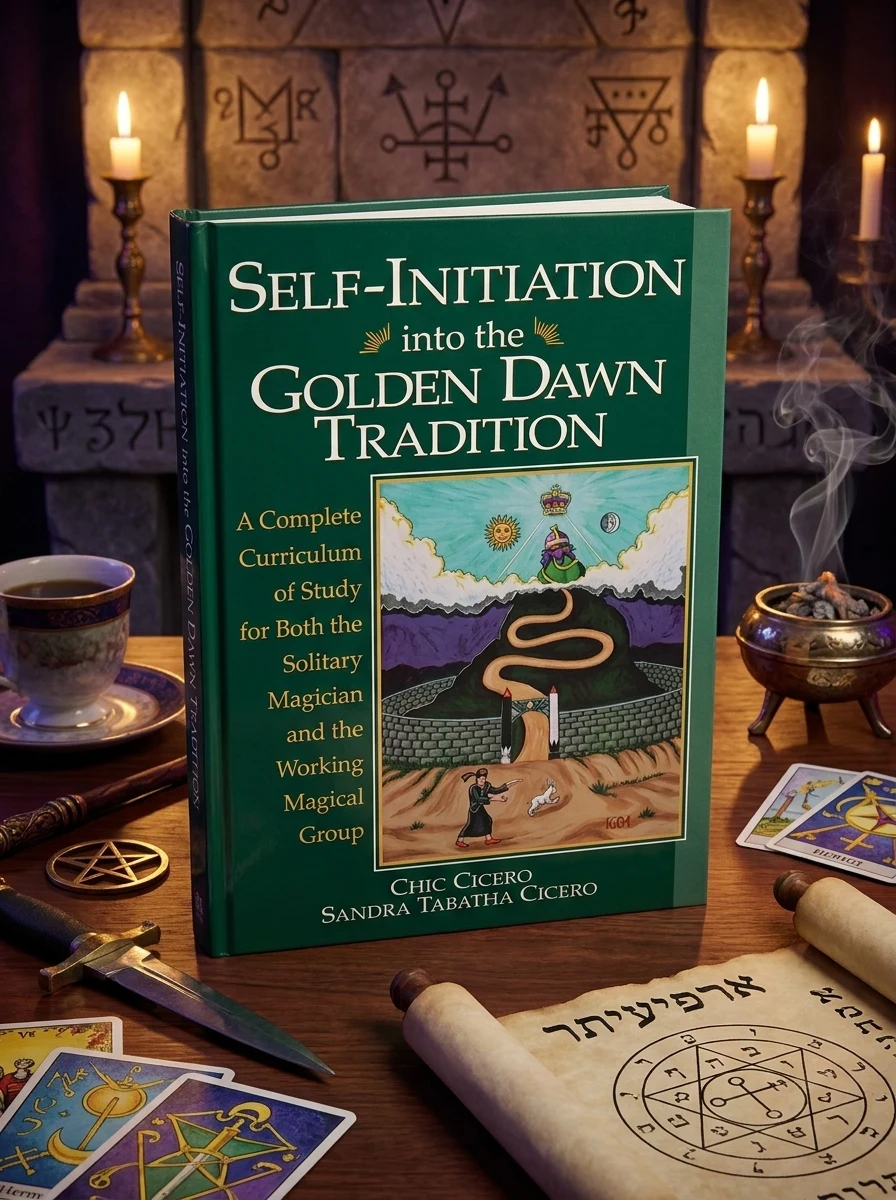
8. Self-Initiation into the Golden Dawn Tradition — Chic Cicero & Sandra Tabatha Cicero
If you are working alone, this is the spine of your study. The Ciceros — long-time heads of a revived Golden Dawn order — turn the Outer Order grades into a structured curriculum with lessons, rituals and tests for each stage, so a solitary student can follow the same sequence a temple member would. Keep it open while you read the source texts in Stage 3.
Stage 3 — The source texts
Between 1937 and 1940 Regardie published the order's rituals and instructional papers, breaking its oath of secrecy because he feared the teaching would otherwise die with the dwindling temples. That publication is the foundation every later book builds on.
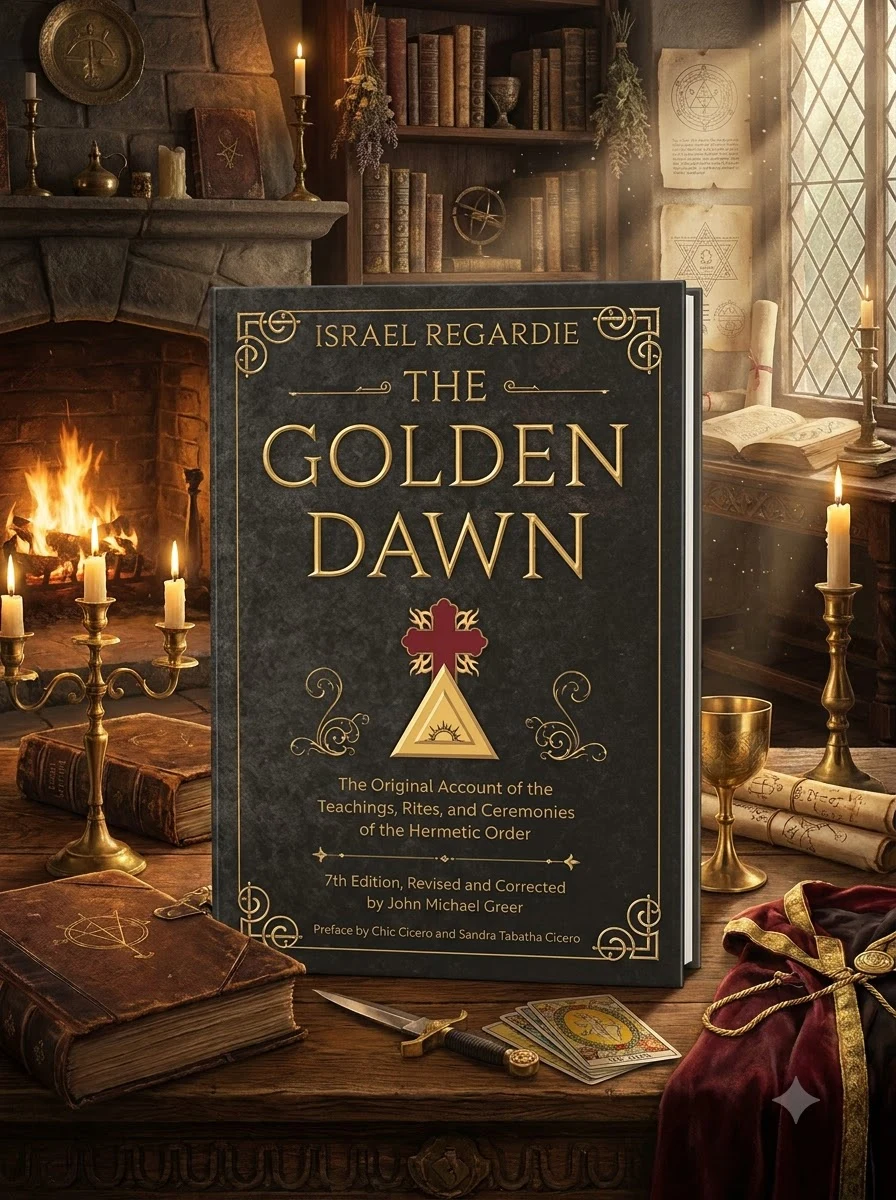
9. The Golden Dawn: The Original Account of the Teachings, Rites, and Ceremonies of the Hermetic Order — Israel Regardie
The book. Grade rituals, knowledge lectures, the Inner Order teachings on talismans, the tattwas, skrying and the Enochian system — the order's working material in one volume. Buy the Llewellyn hardcover revised by John Michael Greer: older printings carry decades of accumulated typographical errors in the Hebrew and the diagrams, and this edition corrects them. It is long and not designed to be read straight through; use the Cicero curriculum to decide which sections to study when.
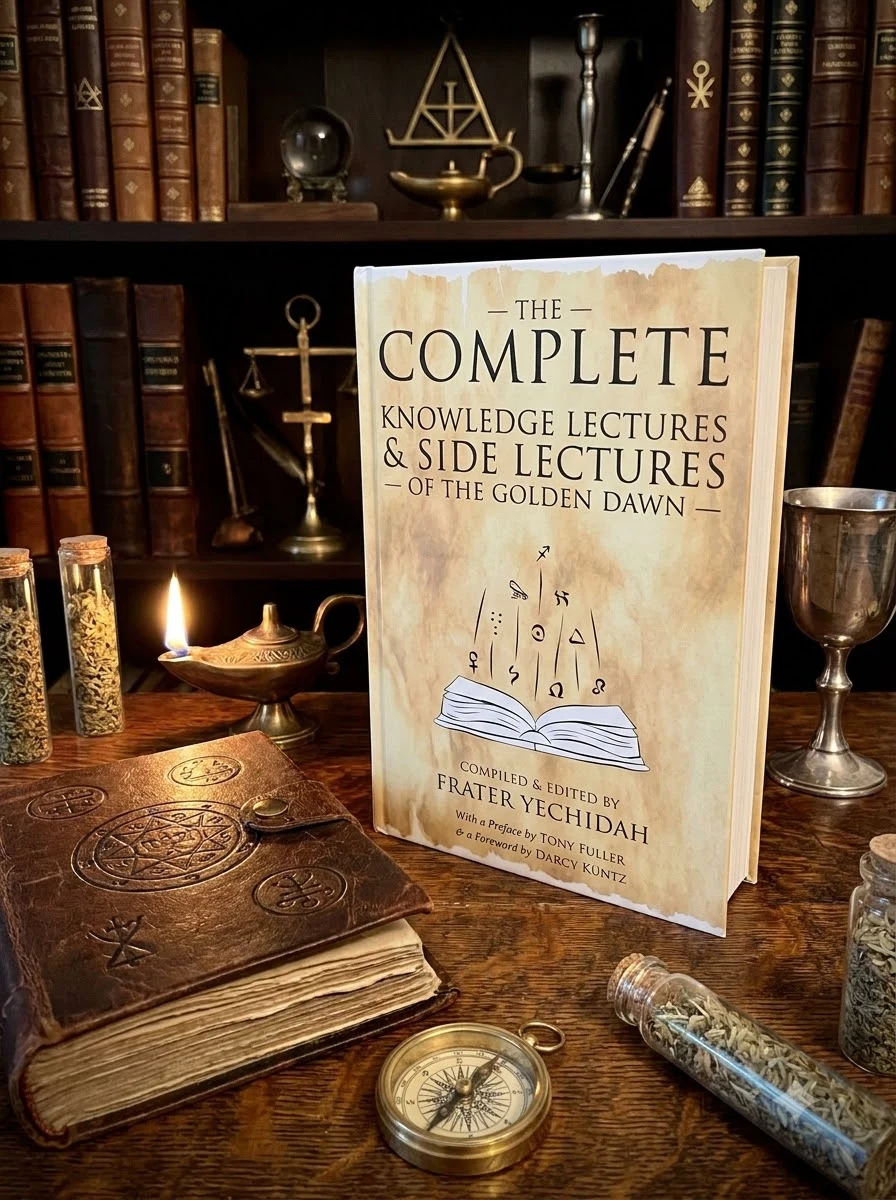
10. The Complete Knowledge Lectures & Side Lectures of the Golden Dawn — Tony Fuller, Darcy Küntz & Yechidah
The knowledge lectures were the theory each Outer Order member had to learn before advancing — elements, planets, zodiac, Hebrew letters, the Tree of Life. This edition gathers them, with the side lectures, in grade order, which makes it the most practical study companion to Regardie's volume.
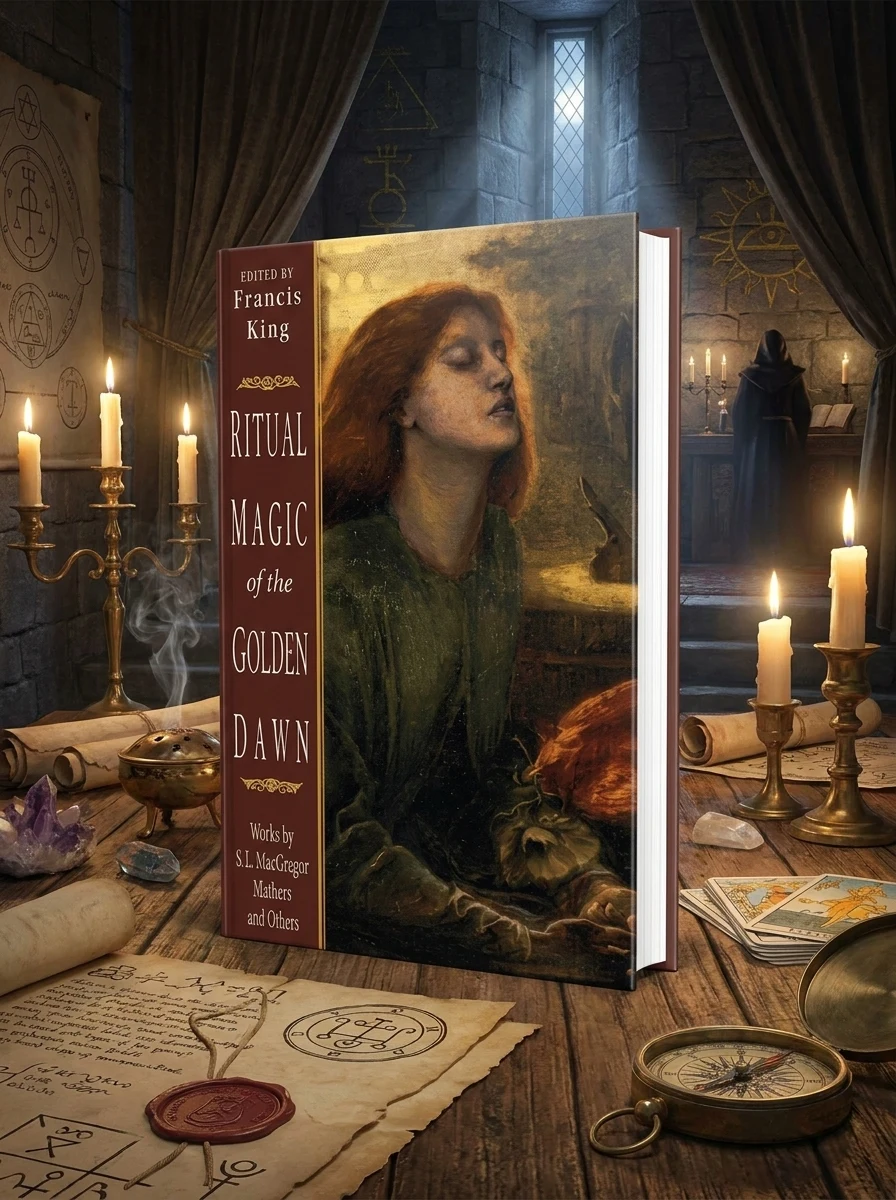
11. Ritual Magic of the Golden Dawn — Francis King (ed.)
A collection of the "Flying Rolls" — informal papers circulated to Inner Order members by Mathers, Westcott, Florence Farr and others on astral travel, will, clairvoyance and alchemy. They show the order thinking aloud, which the formal rituals never do. Read it after Regardie, as a window onto how the adepts actually worked.
Stage 4 — Qabalah, the order's frame
Every Golden Dawn ritual hangs on the Tree of Life. Once the basics from Stage 2 are comfortable, these books take you deeper.
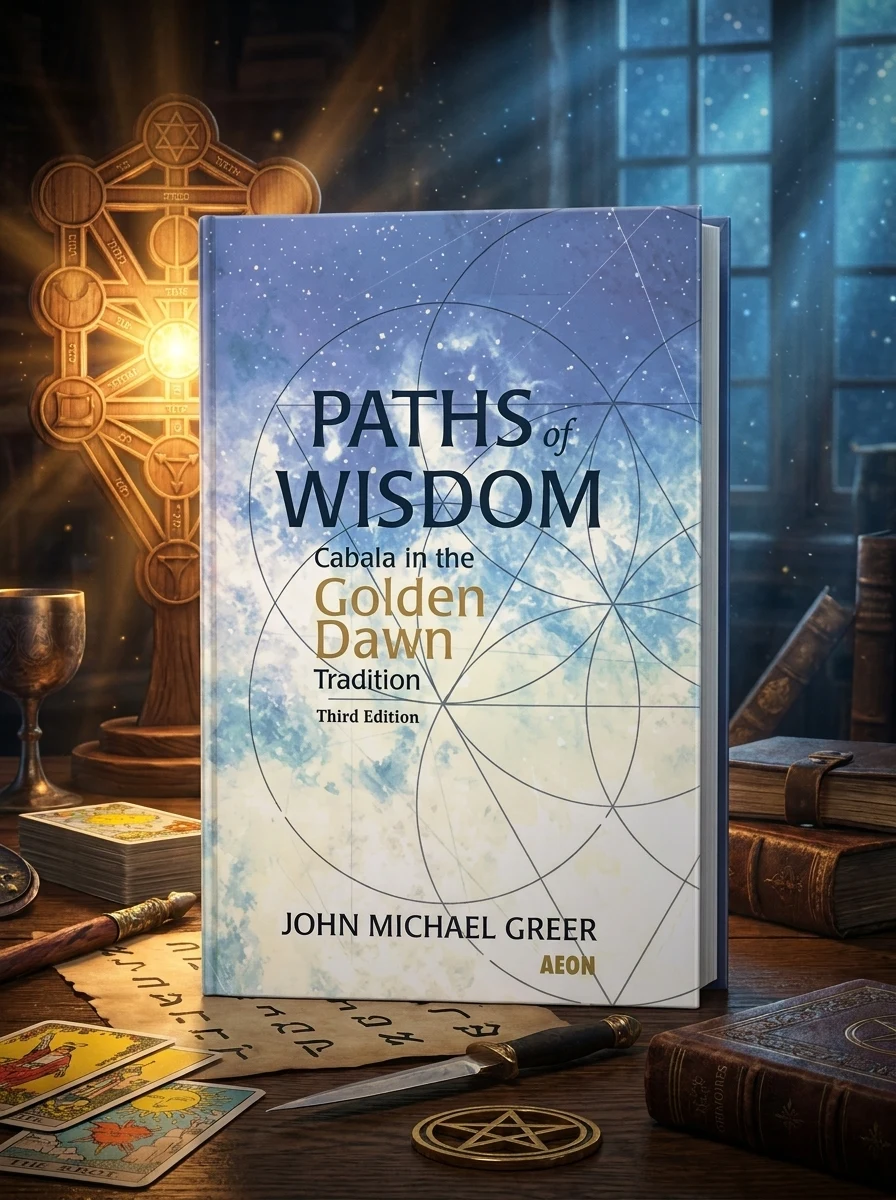
12. Paths of Wisdom: Cabala in the Golden Dawn Tradition — John Michael Greer
The clearest modern textbook of Golden Dawn Qabalah: the sephiroth, the paths, the correspondences and how to meditate and practise with them, written for a student rather than a specialist. If you only read one Qabalah book on this list, make it this one.
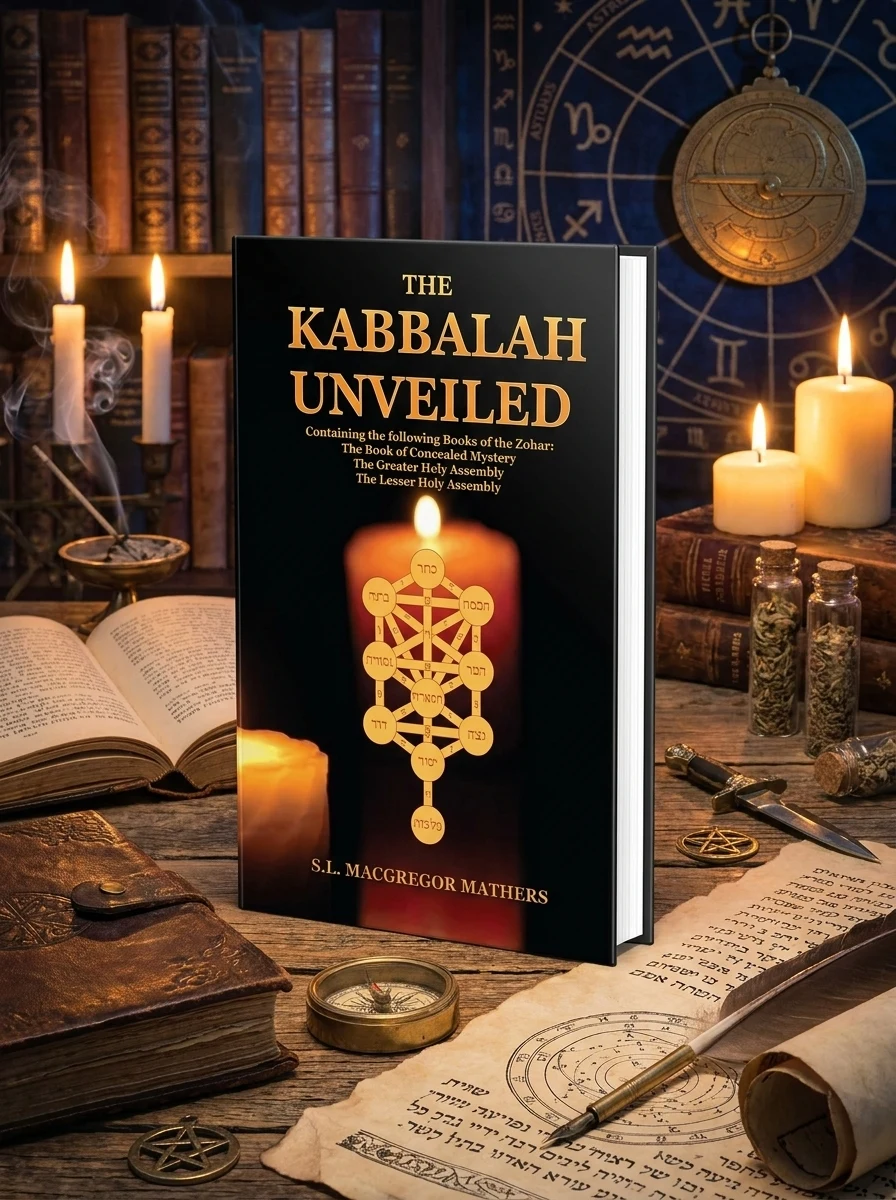
13. The Kabbalah Unveiled — S. L. MacGregor Mathers (trans.)
Mathers's 1887 translation of parts of the Zohar, made from Knorr von Rosenroth's seventeenth-century Latin collection. It is not where to learn Kabbalah today, but it is the text the founders themselves studied, and Mathers's long introduction shows how the order understood the subject.
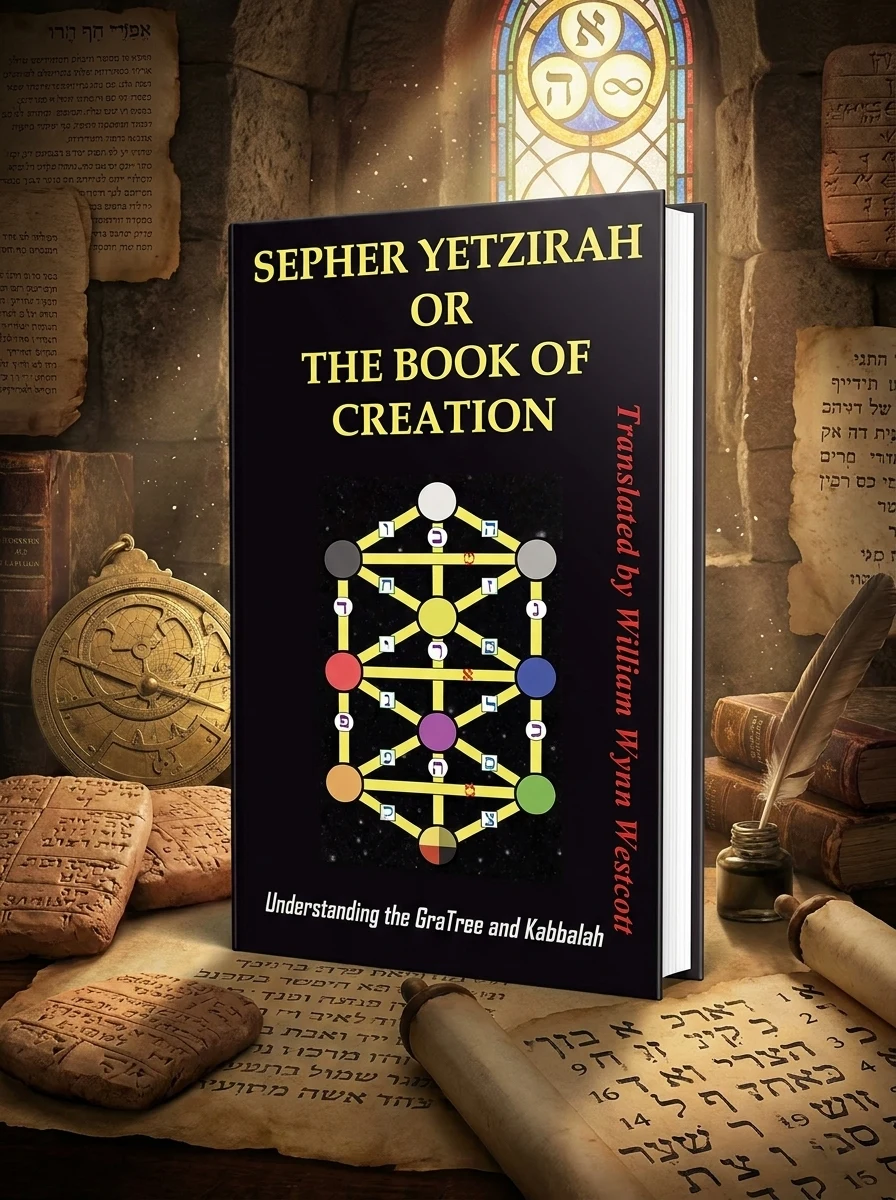
14. Sepher Yetzirah, or the Book of Creation — William Wynn Westcott (trans.)
Westcott, the order's co-founder, published his translation of this short, ancient text in 1887. The Sepher Yetzirah is the source of the thirty-two paths and the letter attributions the Golden Dawn built into its tarot; reading it explains why the system works the way it does.
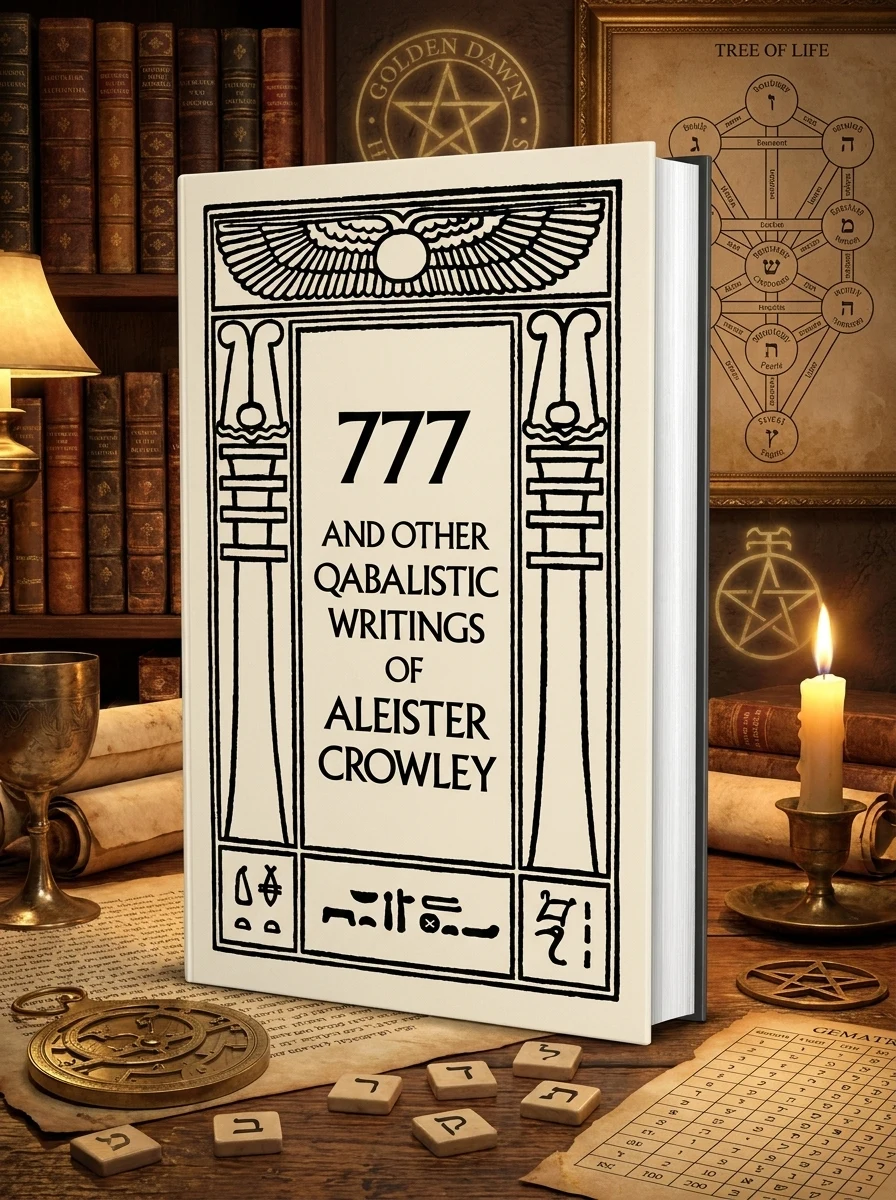
15. 777 and Other Qabalistic Writings — Aleister Crowley
Crowley published 777 in 1909, largely as a tabulation of Golden Dawn correspondences — colours, gods, stones, perfumes, tarot cards — for each path of the Tree. Whatever you think of Crowley, it remains the standard quick-reference table, and practitioners outside Thelema use it constantly.
Stage 5 — The Golden Dawn tarot
The order taught tarot from an Inner Order document known as "Book T", and its attributions underlie both the Rider-Waite-Smith deck (designed by two members, Waite and Pamela Colman Smith) and Crowley's Thoth deck. For divination and magical work in the order's own style, start here. Our tarot and divination shelf has the wider field.
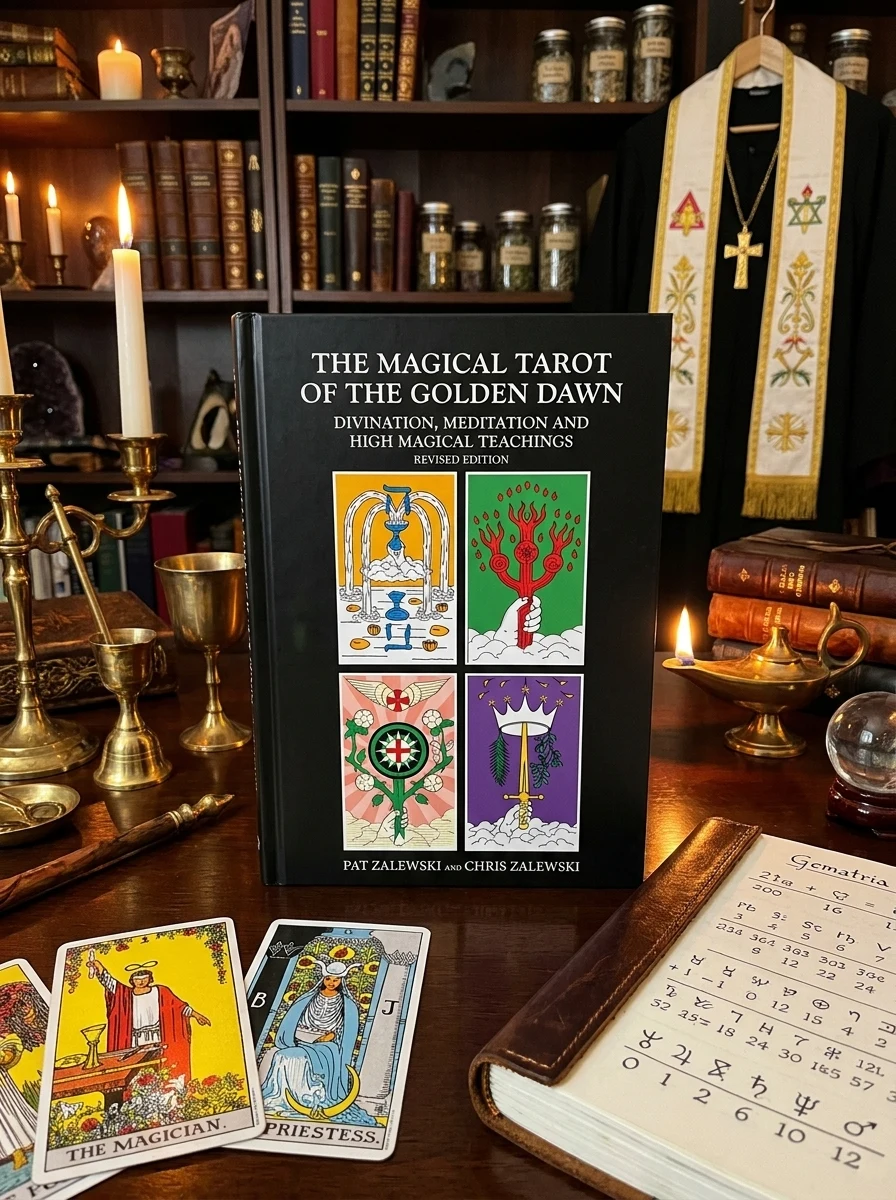
16. The Magical Tarot of the Golden Dawn — Pat & Chris Zalewski
The most thorough study of Golden Dawn tarot in print, from authors whose training descends from Whare Ra, the New Zealand temple that kept working into the 1970s. It covers Book T, the order's divination method and the use of the cards in ritual and meditation. Advanced, but definitive.
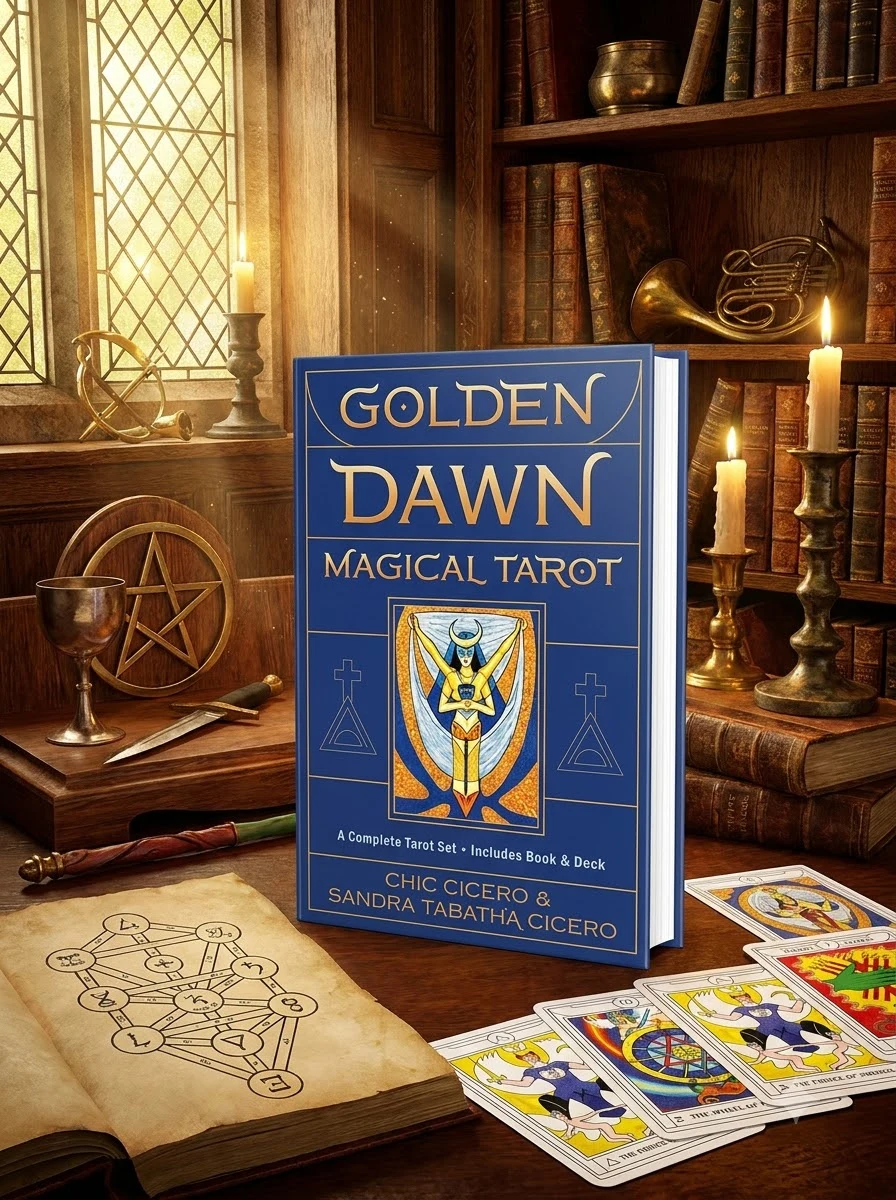
17. Golden Dawn Magical Tarot (deck and book) — Chic Cicero & Sandra Tabatha Cicero
A deck painted by Sandra Tabatha Cicero to the colour scales and symbolism the order prescribed, with a companion book. If you want to work with the cards the documents describe rather than a later reinterpretation, this is the deck.
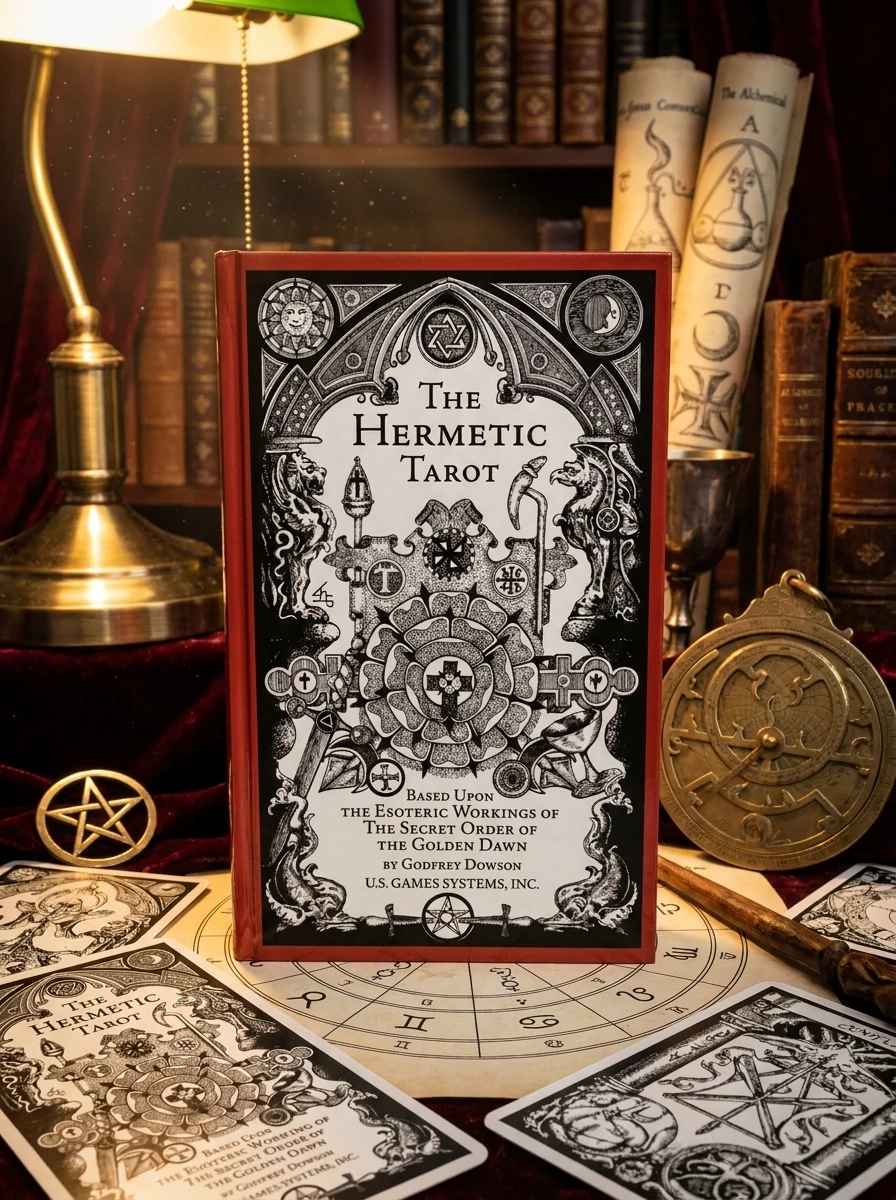
18. The Hermetic Tarot — Godfrey Dowson
A black-and-white deck that packs the Golden Dawn's astrological and Qabalistic attributions onto every card, minor arcana included. Less beautiful than the Cicero deck, more instructive as a study tool.
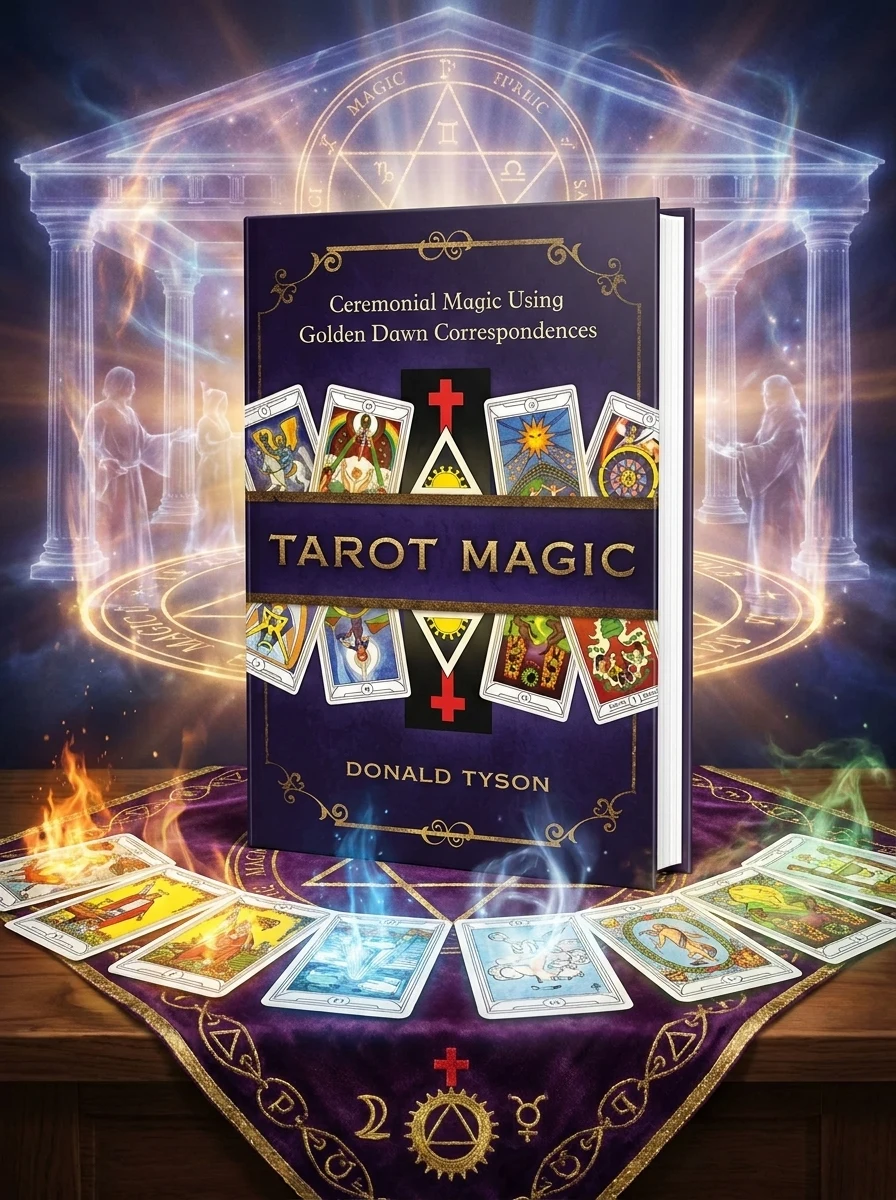
19. Tarot Magic: Ceremonial Magic Using Golden Dawn Correspondences — Donald Tyson
Once you know the attributions, Tyson shows how to use the cards as a working tool in ritual rather than only for readings. A good bridge between Stage 5 and the practical books in Stage 7.
Stage 6 — The grimoires the founders translated
Mathers made his name translating old magical texts, and his versions shaped the order's Inner Order work and much of modern ceremonial magic. They are worth reading in their own right; for the wider context see our guide to the Goetia and demonology.
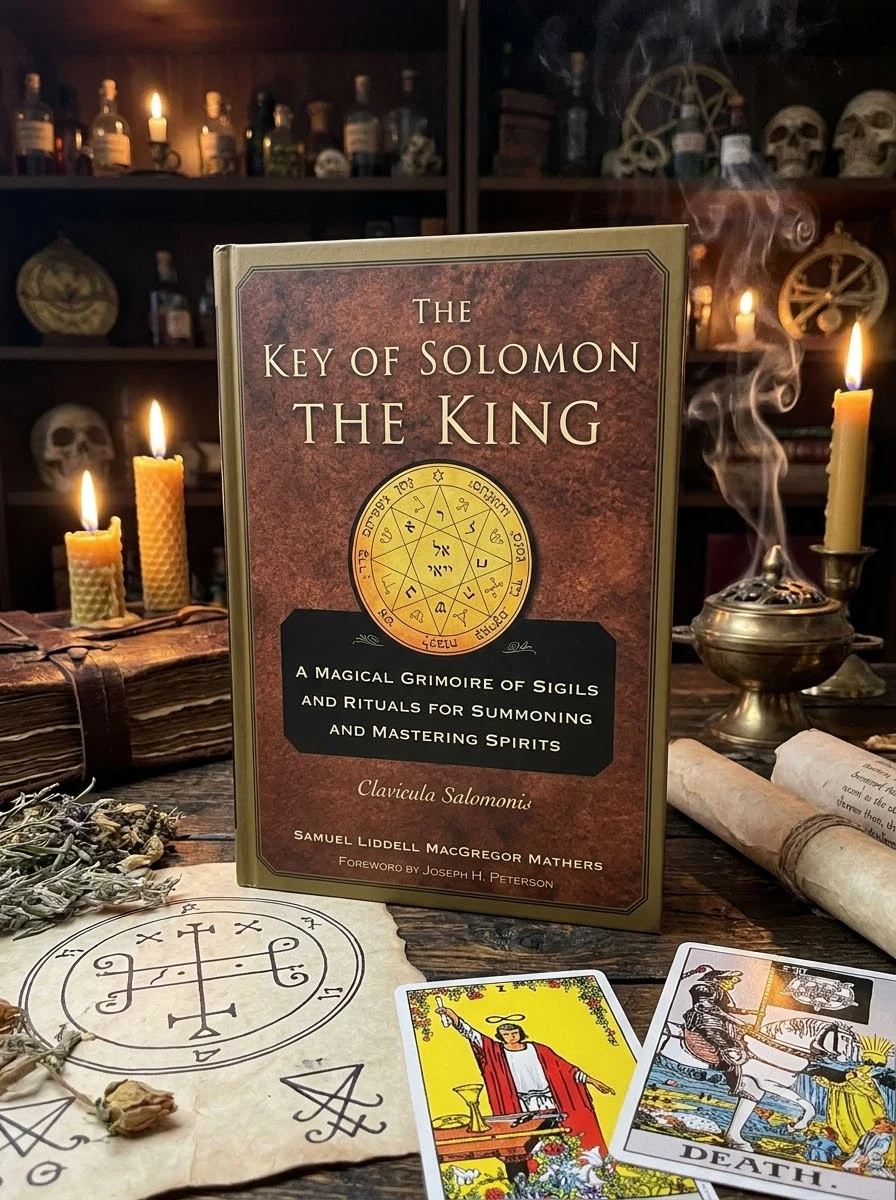
20. The Key of Solomon the King (Clavicula Salomonis) — S. L. MacGregor Mathers (trans.)
Mathers's 1889 edition of the most famous Renaissance grimoire, compiled from manuscripts in the British Museum. Its consecration of instruments and pentacles fed directly into the order's practice. The Weiser paperback is the reliable modern printing.
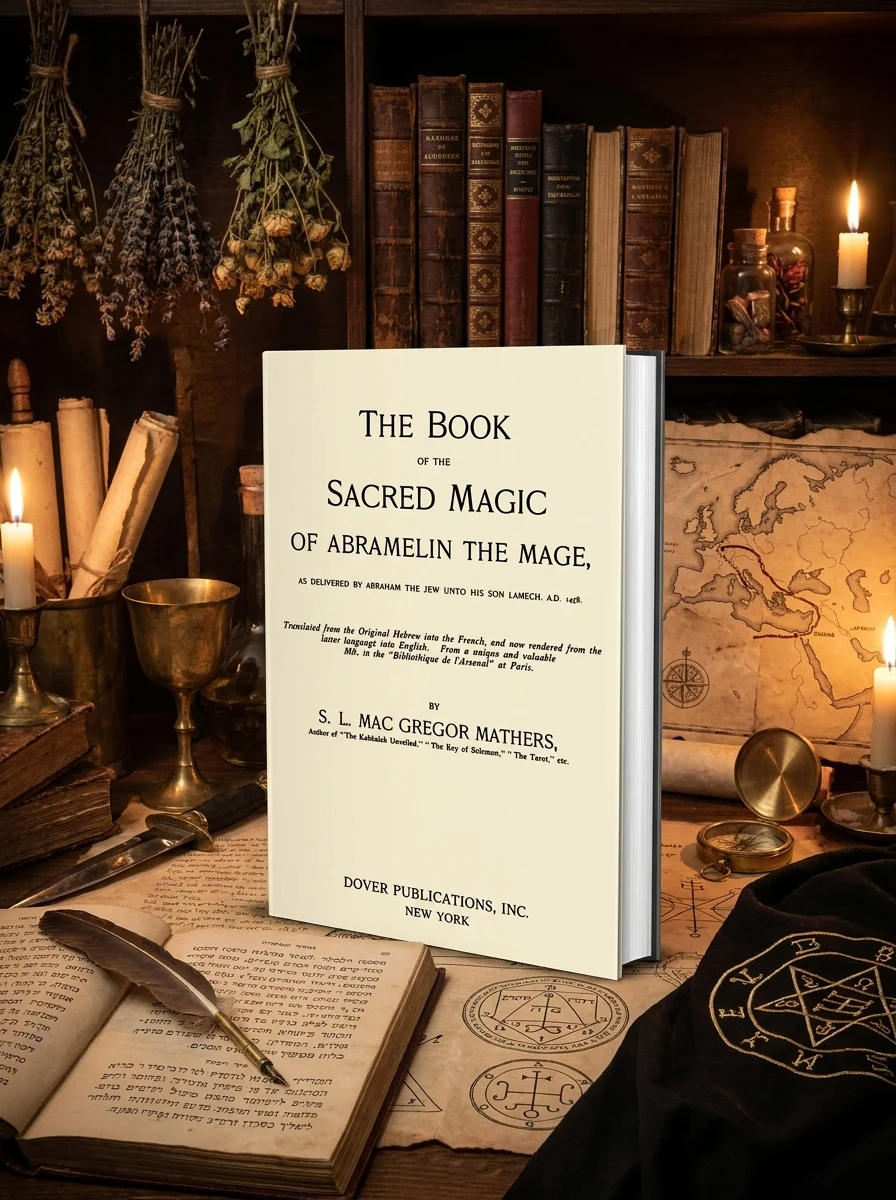
21. The Book of the Sacred Magic of Abramelin the Mage — S. L. MacGregor Mathers (trans.)
Translated by Mathers in 1898 from a French manuscript in Paris, Abramelin describes a months-long retreat aimed at contact with one's Holy Guardian Angel. It became central to Crowley's later system and remains one of the most influential magical texts of the last century. The Dover edition reproduces Mathers's text complete.
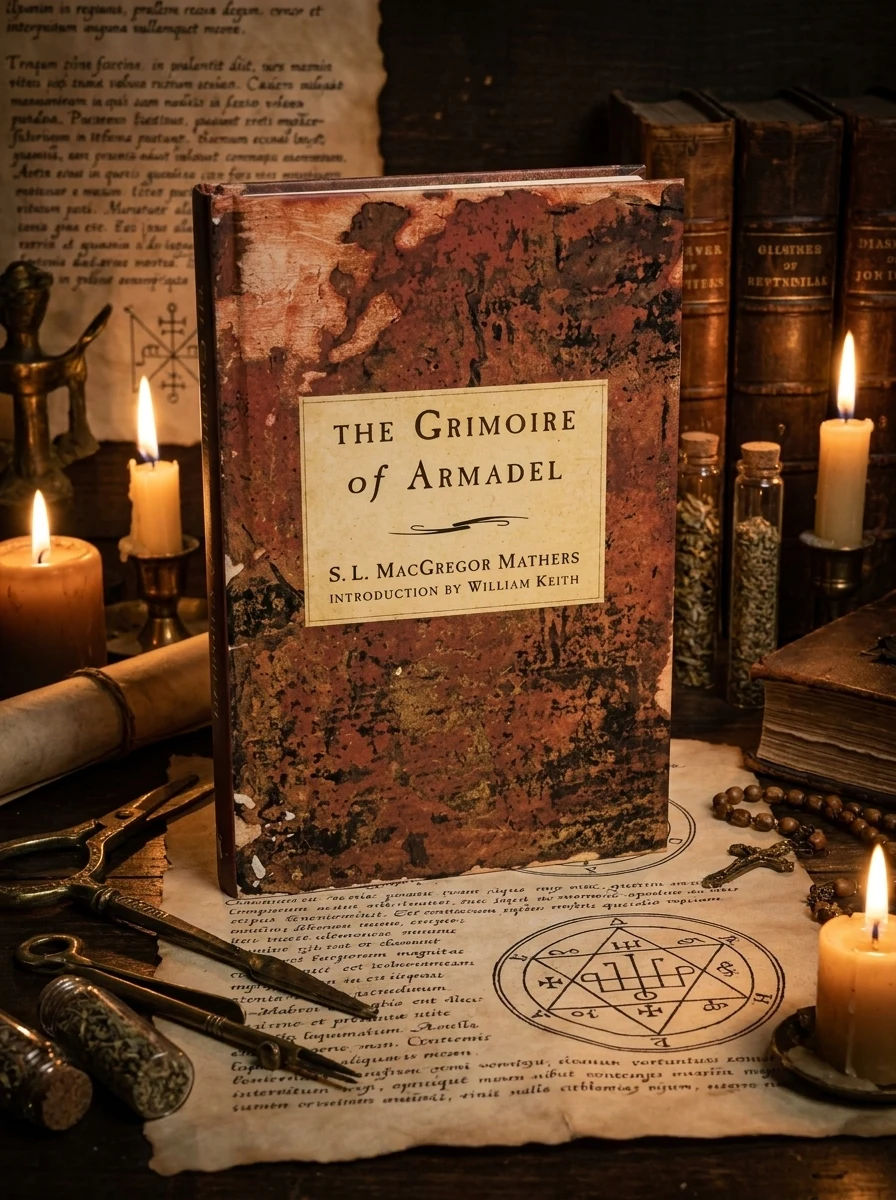
22. The Grimoire of Armadel — S. L. MacGregor Mathers (trans.)
A lesser-known grimoire of seals and angelic sigils that Mathers translated but never published; it appeared long after his death. Read it last among the three, as a glimpse of the order's more obscure source material.
Stage 7 — The Golden Dawn practised today
Modern authors have done what the original order never did: explained the system plainly and adapted it for people who are not in a temple.
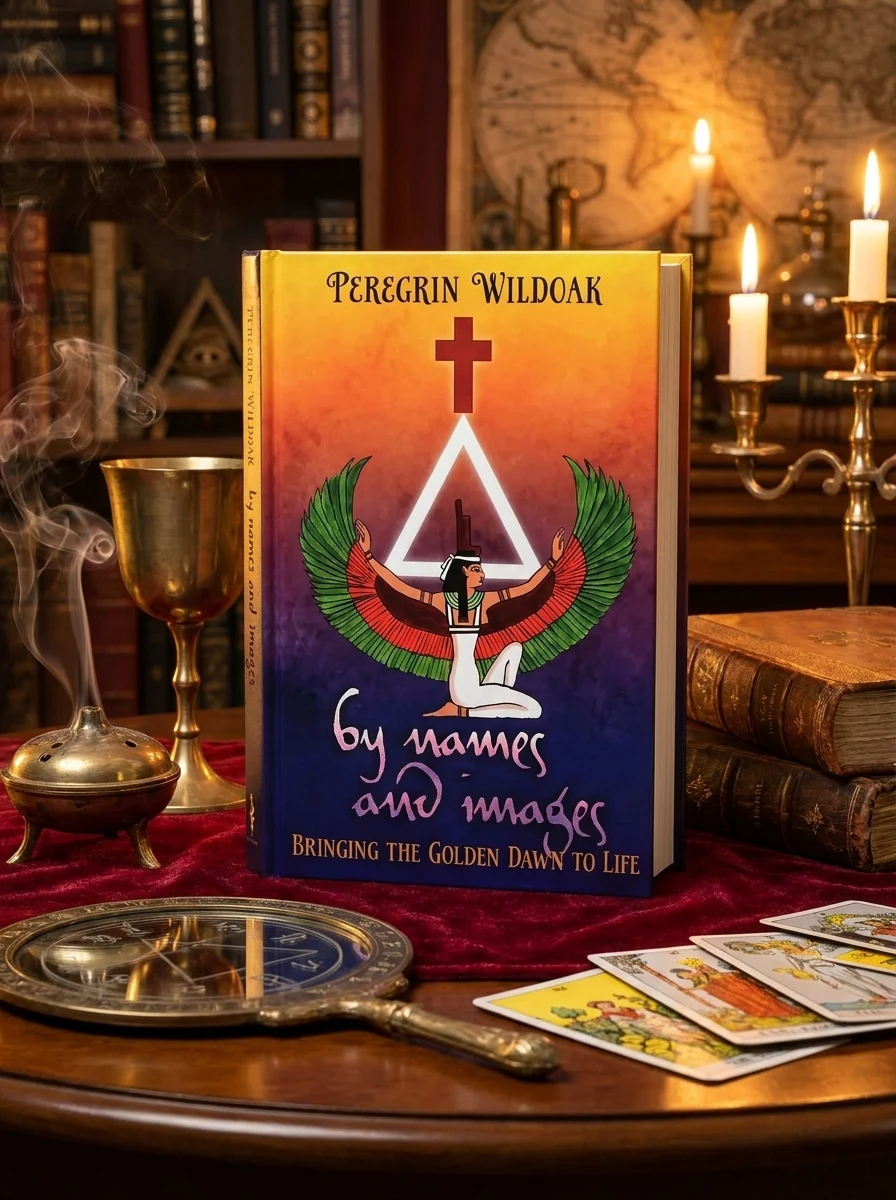
23. By Names and Images: Bringing the Golden Dawn to Life — Peregrin Wildoak
The best book about what Golden Dawn practice feels like from the inside: why the rituals are built as they are, what each part is meant to do, and how to make them more than recitation. Many experienced practitioners name it the book they wish they had read first.
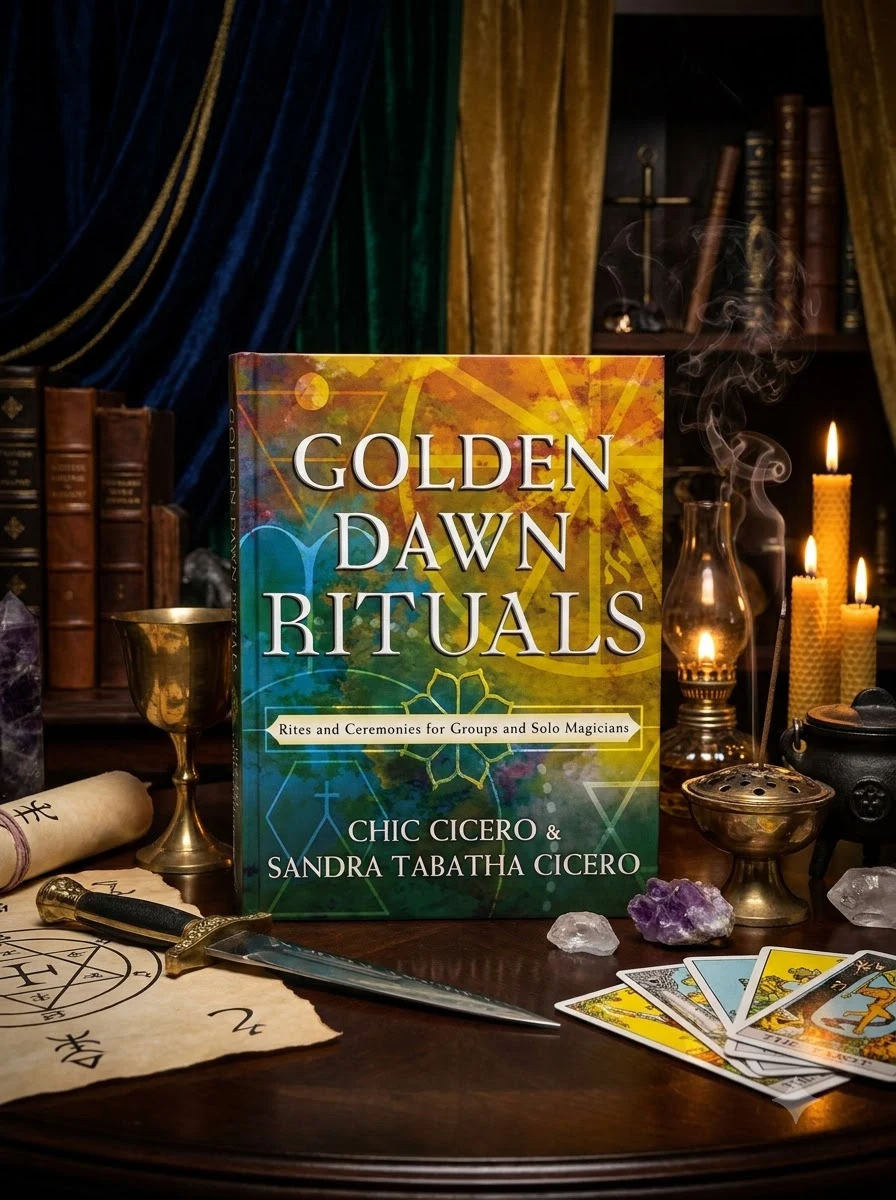
24. Golden Dawn Rituals: Rites and Ceremonies for Groups and Solo Magicians — Chic Cicero & Sandra Tabatha Cicero
A practical collection of rituals in the order's style, written for both a working group and a solitary magician. Use it once the Outer Order material is familiar.
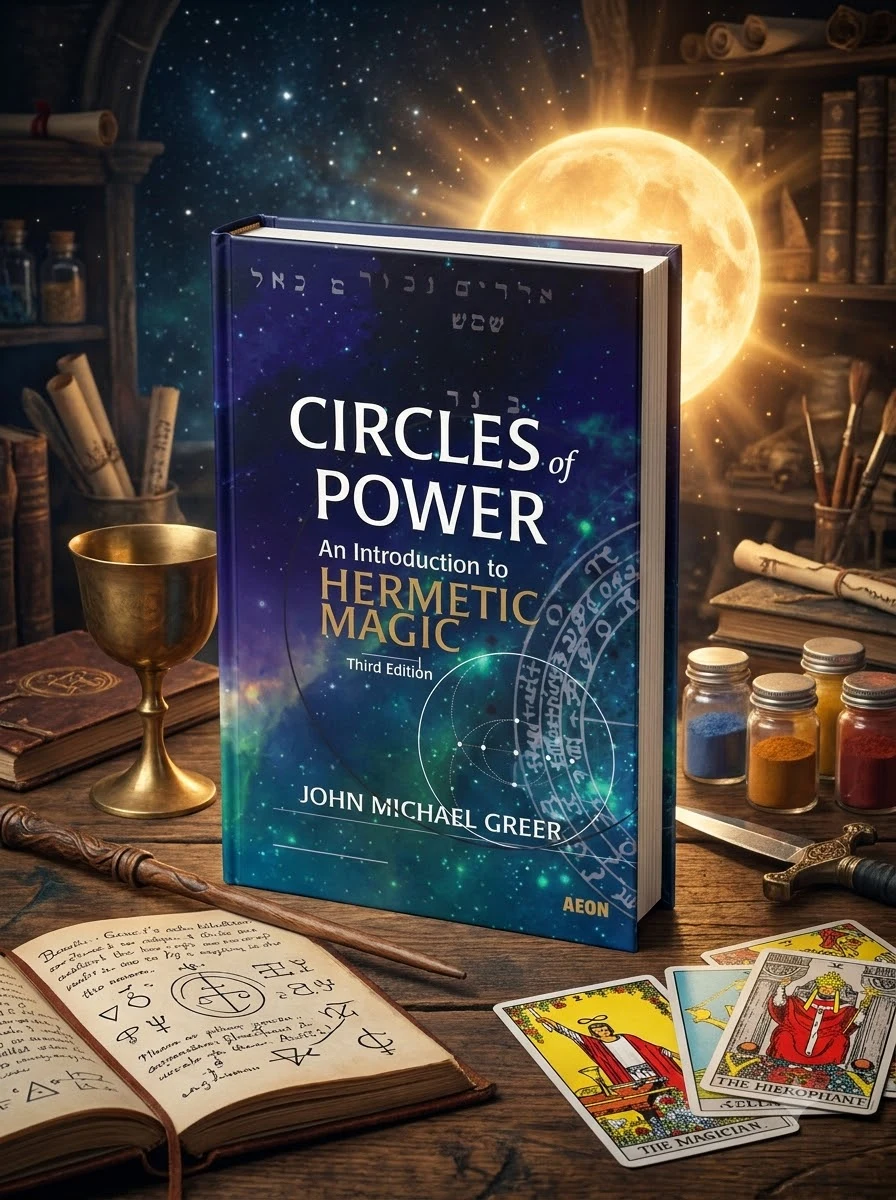
25. Circles of Power: An Introduction to Hermetic Magic — John Michael Greer
A complete system of ritual magic in the Golden Dawn lineage, presented as a course rather than a set of documents. It is an excellent alternative or companion to the Cicero curriculum if you want a clearer, more structured path.
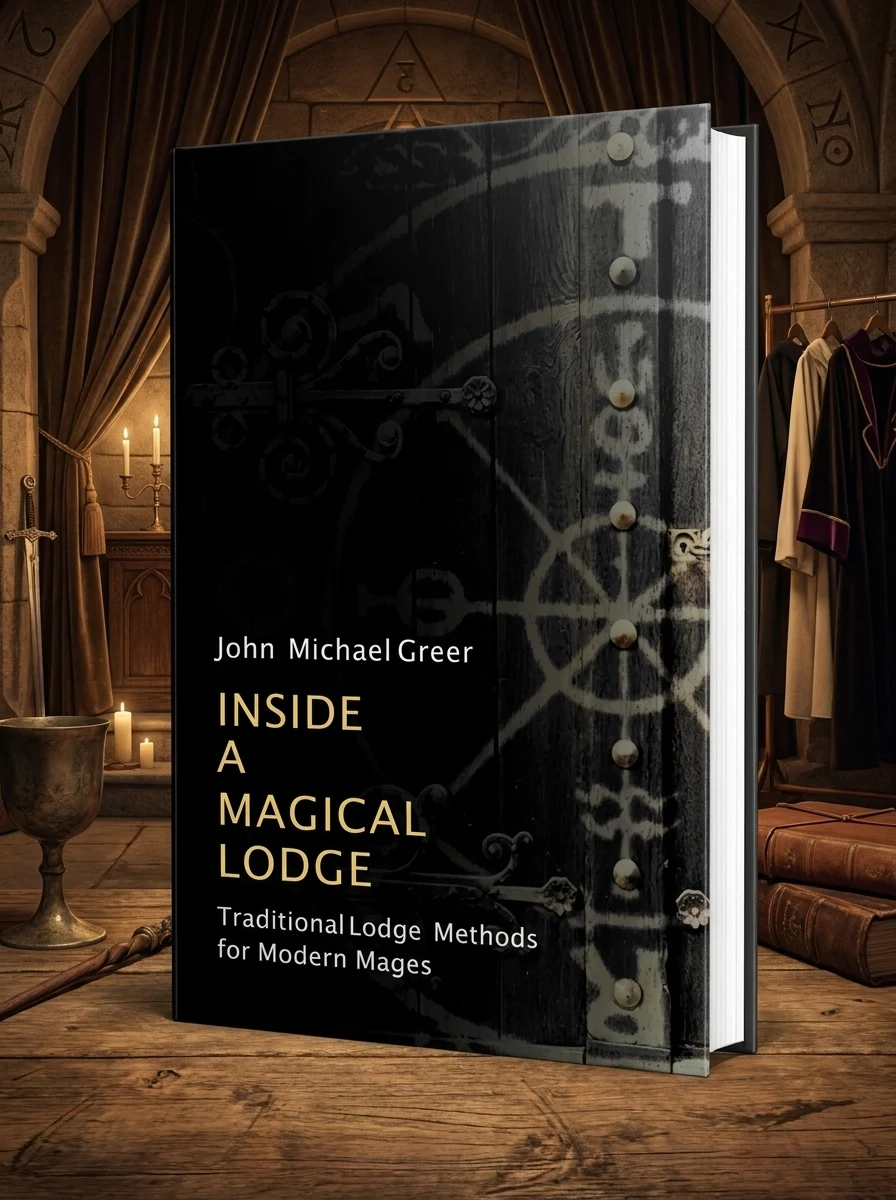
26. Inside a Magical Lodge: Traditional Lodge Methods for Modern Mages — John Michael Greer
How magical lodges like the Golden Dawn actually ran — officers, ritual structure, governance, initiation. Essential if you plan to work in or found a group, and illuminating even if you never will.
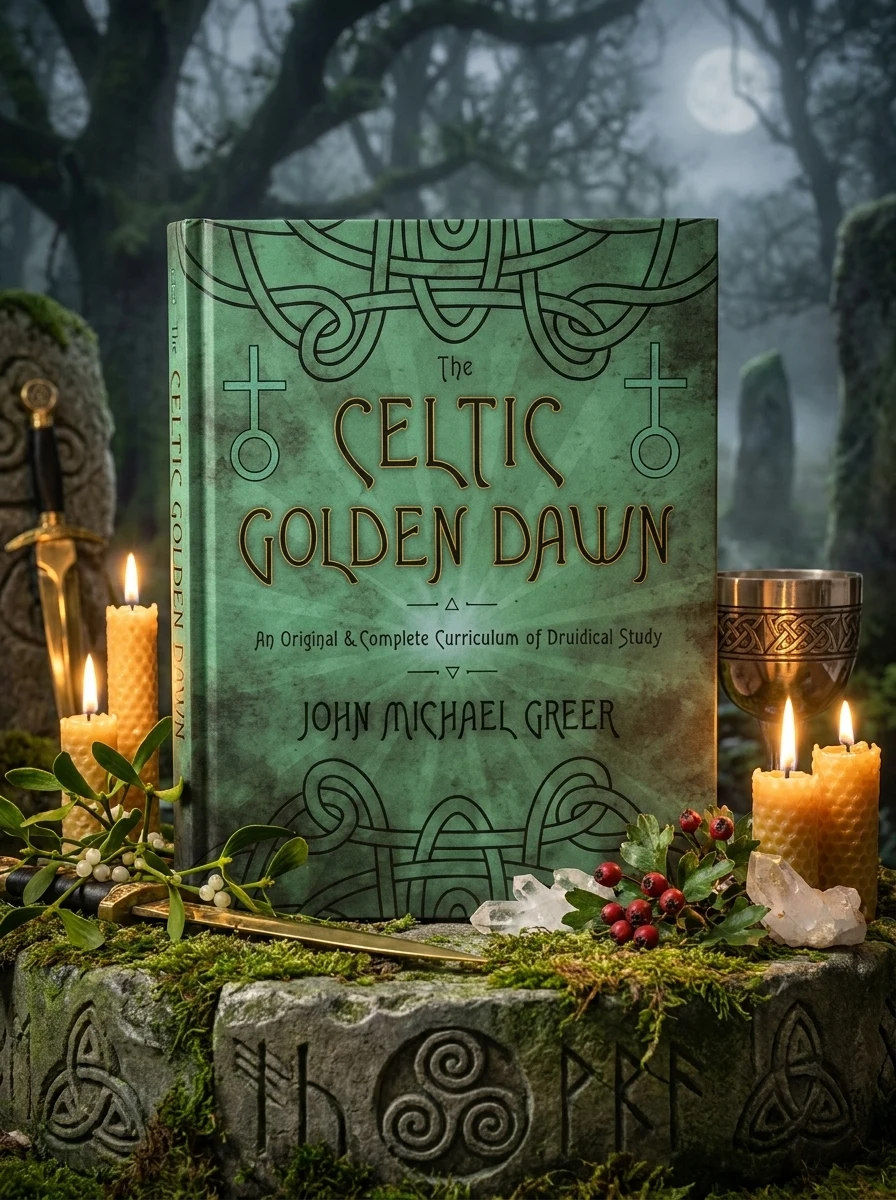
27. The Celtic Golden Dawn — John Michael Greer
Greer rebuilds the Golden Dawn curriculum on Druid and Celtic symbolism instead of Hebrew Qabalah. It shows clearly how flexible the underlying structure is, and suits readers drawn to the method but not the Judeo-Christian framework.
Stage 8 — Two people who carried the current on
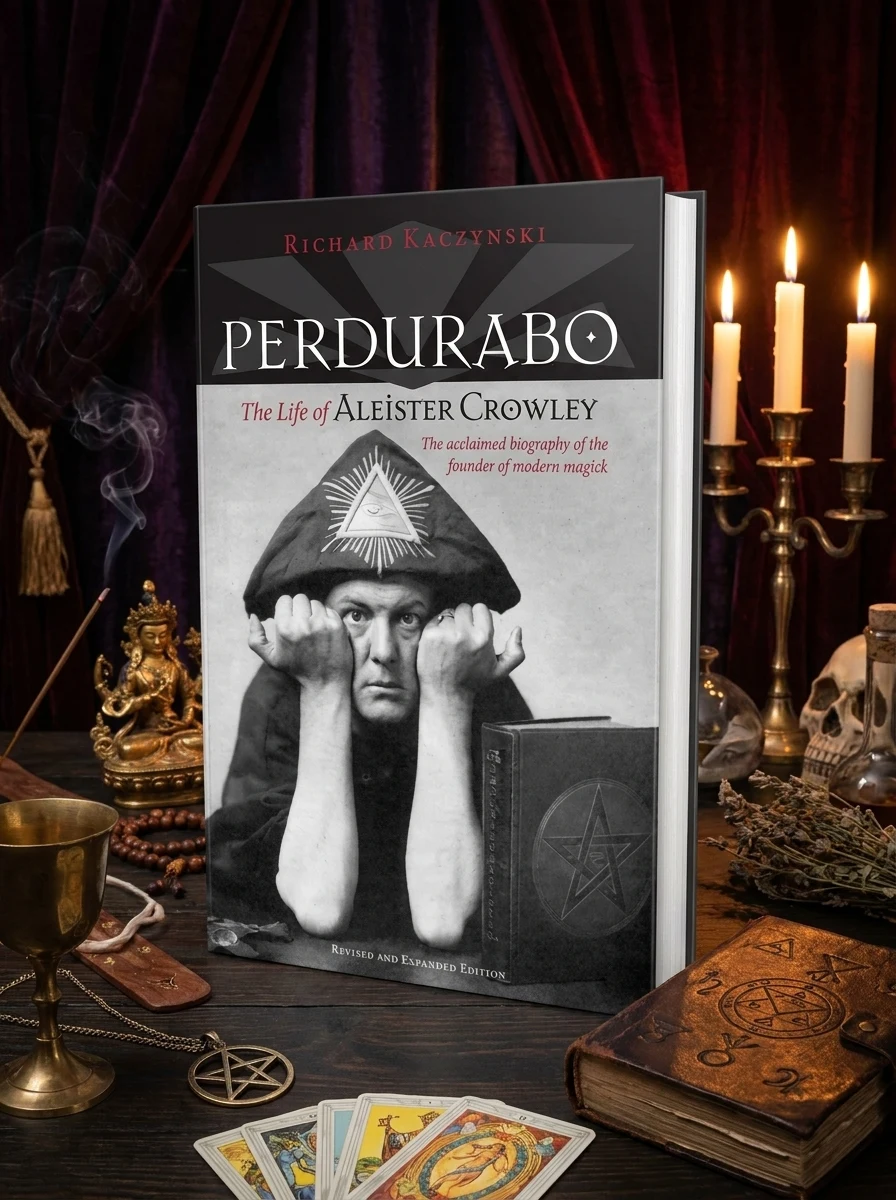
28. Perdurabo: The Life of Aleister Crowley — Richard Kaczynski
The standard biography of the order's most notorious member. Its chapters on Crowley's years in the Golden Dawn and the 1900 split are the most detailed account of that crisis available.
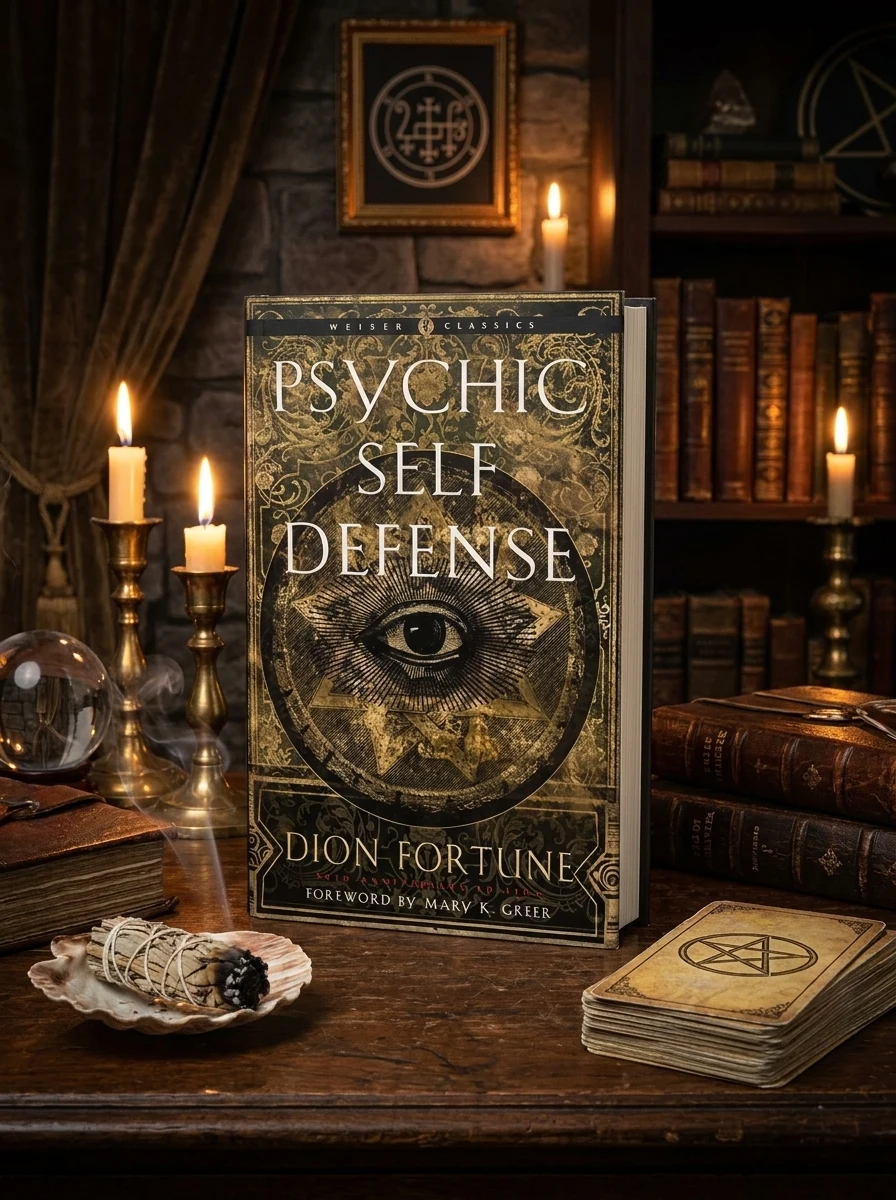
29. Psychic Self-Defense — Dion Fortune
Fortune trained in the Alpha et Omega, one of the order's successors, before founding her own Fraternity of the Inner Light. This 1930 book is part practical manual, part memoir — including her account of a bitter conflict with Moina Mathers — and a vivid picture of the post-schism Golden Dawn world.
If you only buy three
Start with Regardie's The Middle Pillar for daily practice, the Ciceros' Self-Initiation into the Golden Dawn Tradition as your curriculum, and Regardie's The Golden Dawn as the reference you grow into. Add Greer's Paths of Wisdom when the Qabalah starts to feel like the missing piece — it usually does within a few months.