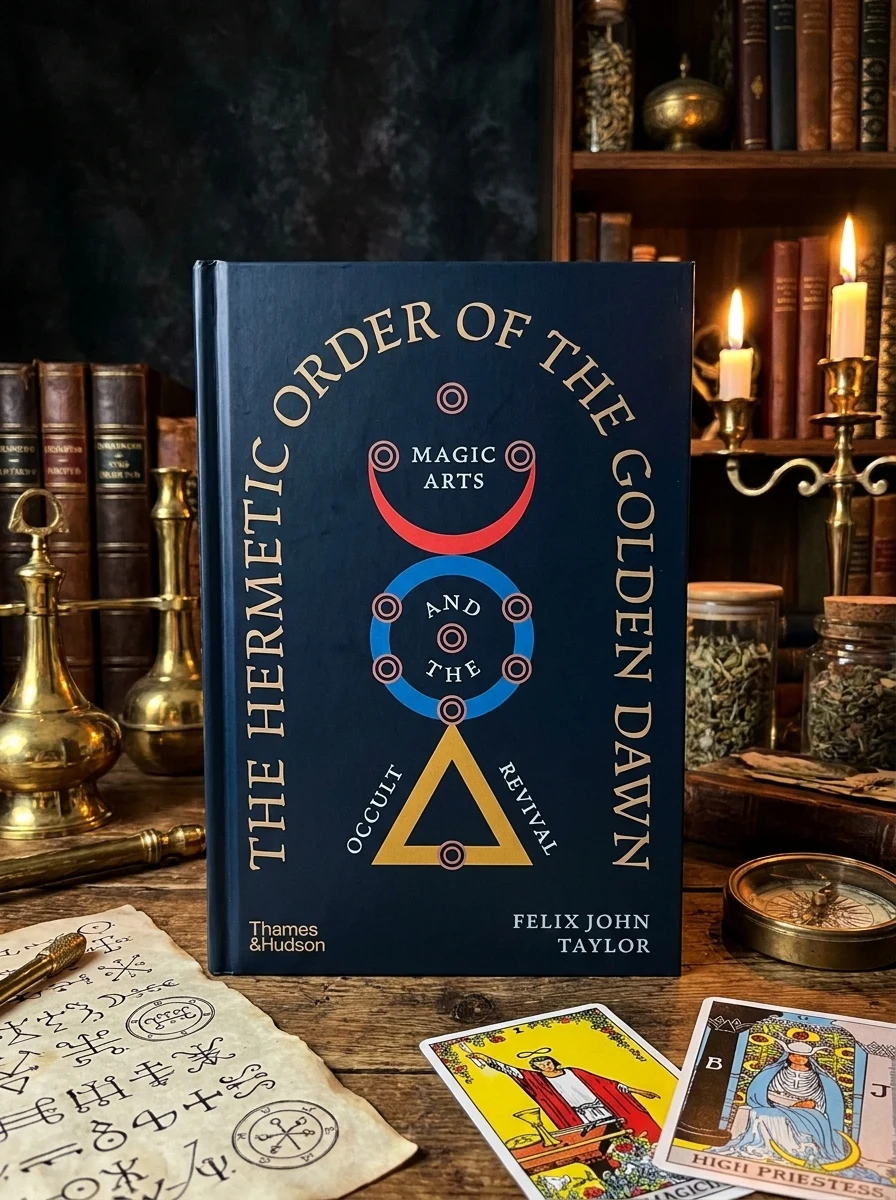
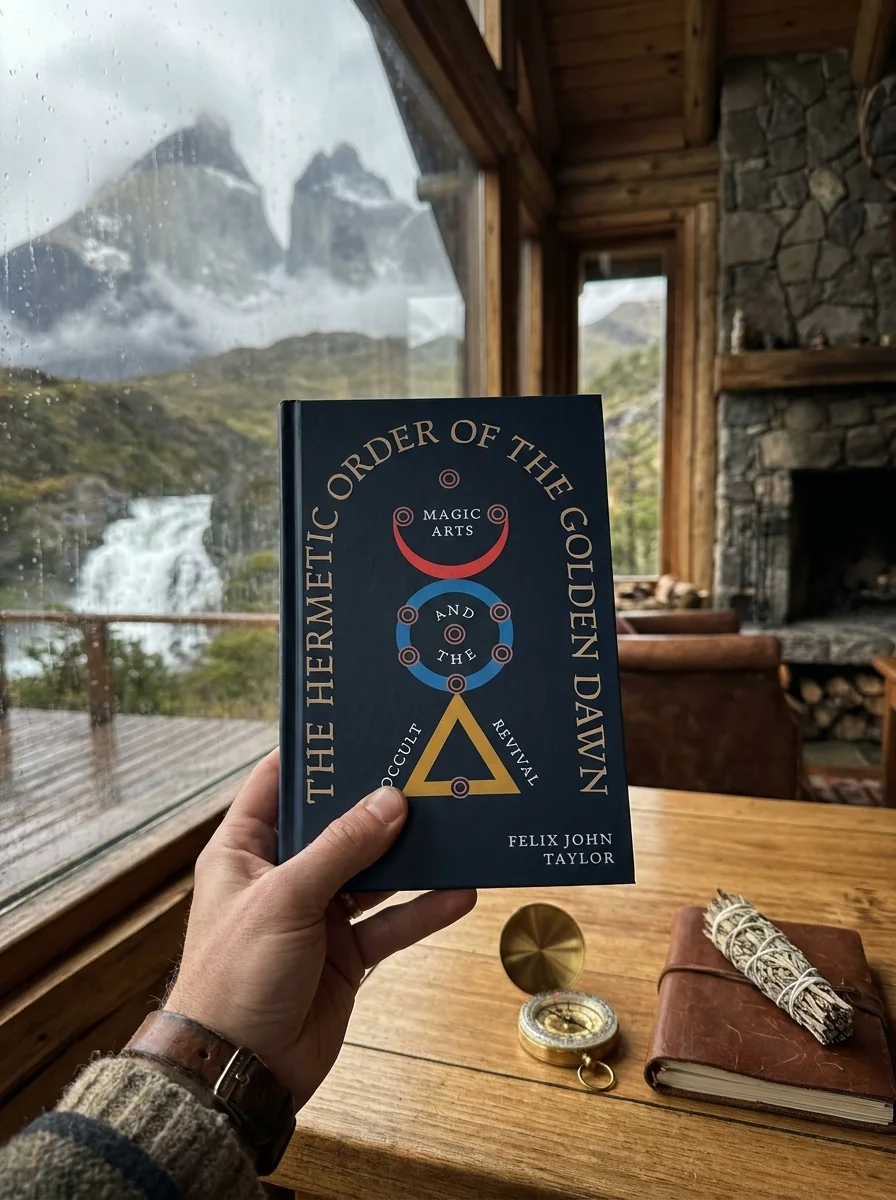
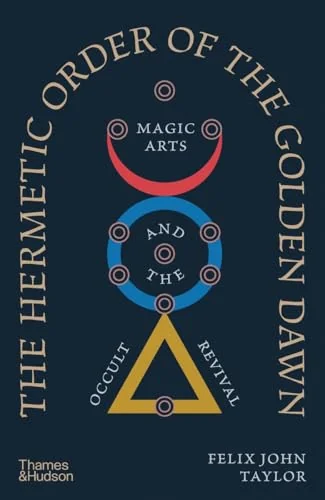
The Hermetic Order of the Golden Dawn: Magic Arts and the Occult Revival
Felix John Taylor's compelling history delves into the Hermetic Order of the Golden Dawn, a remarkable society founded by Freemasons in 1880s London. More than a mere magical fraternity, it served as a crucible for artistic and spiritual exploration, drawing luminaries like W.B. Yeats and Aleister Crowley. Taylor skillfully recounts its brief but brilliant existence, examining how it offered a radical alternative to conventional Victorian values, blending ceremonial magic, tarot, and alchemy within a progressive framework that welcomed all genders and classes. This fresh narrative illuminates its profound, if often tumultuous, impact on its members and the broader occult revival.


📝 Description: The Hermetic Order of the Golden Dawn: Magic Arts and the Occult Revival
💎 Expert review
📖 Why choose it
Why this book is worth reading
Readers fascinated by the hidden intellectual currents of Victorian London will find this narrative deeply engaging. It offers a unique window into a society that blended ceremonial magic, tarot, and alchemy within a progressive framework. Those interested in how figures like Yeats and Crowley navigated spiritual exploration beyond conventional values will appreciate the detailed examination of this magical fraternity. The book illuminates the profound impact of these rituals on both individual members and the broader occult movement, making it essential for anyone seeking to understand the roots of modern esoteric practice and its artistic influences.
⭐ Reader reviews
Reader rating
Taylor provides a compelling history of the Golden Dawn, highlighting its role as a crucible for artistic and spiritual exploration. However, readers seeking dense ritual instructions or practical magical techniques will be disappointed. This is primarily a historical and cultural analysis rather than a grimoire or instructional manual. It may also feel slow to those expecting a purely dramatic account of internal conflicts without the broader context of Victorian social dynamics. It suits historians and biographers more than aspiring practitioners looking for immediate esoteric application.
❓ Frequently asked questions
📖 Who should read this
If you're fascinated by the intersection of magic, art, and counter-culture, or curious about the origins of modern Western esotericism, this book is for you. It offers a vivid portrait of a pivotal secret society and the extraordinary individuals who shaped its legacy.
🎯 Key themes and symbolism
Occultism & The Arts
This work explores how the Golden Dawn became a vibrant nexus where esoteric practices intertwined with the avant-garde artistic and literary movements of its time. It attracted poets, actors, and artists, providing a unique space where magical ritual and creative expression were seen as deeply interconnected, fostering an environment ripe for imaginative and spiritual exploration beyond societal norms.
Victorian Spiritual Alternatives
Taylor positions the Order as a powerful counter-narrative to the rigid religious and social structures of Victorian England. For many, it offered a liberating path to personal and spiritual enlightenment, distinct from established churches. The book highlights how its progressive ideals, particularly in welcoming both men and women across various social strata, made it an appealing haven for those seeking deeper meaning.
Synthesis of Esoteric Knowledge
The book meticulously details the Golden Dawn's ambitious curriculum, which integrated diverse magical traditions into a coherent, hierarchical system. From the divinatory arts of tarot to alchemical principles and practices of astral projection, the Order synthesized a vast body of esoteric wisdom. This holistic approach provided members with a structured pathway for intense magical study and personal transformation.
📜 Historical context
📚 Glossary
- Hermeticism
- Ceremonial Magic
- Astral Projection
📔 Questions to reflect on
- How might a structured magical order, like the Golden Dawn, offer a sense of purpose or community that traditional institutions might lack today?
- Consider the interplay between artistic expression and spiritual practice. How can one inform or elevate the other in your own life or interests?
- The Golden Dawn challenged Victorian norms. What contemporary societal norms might a new esoteric movement seek to redefine or offer an alternative to?