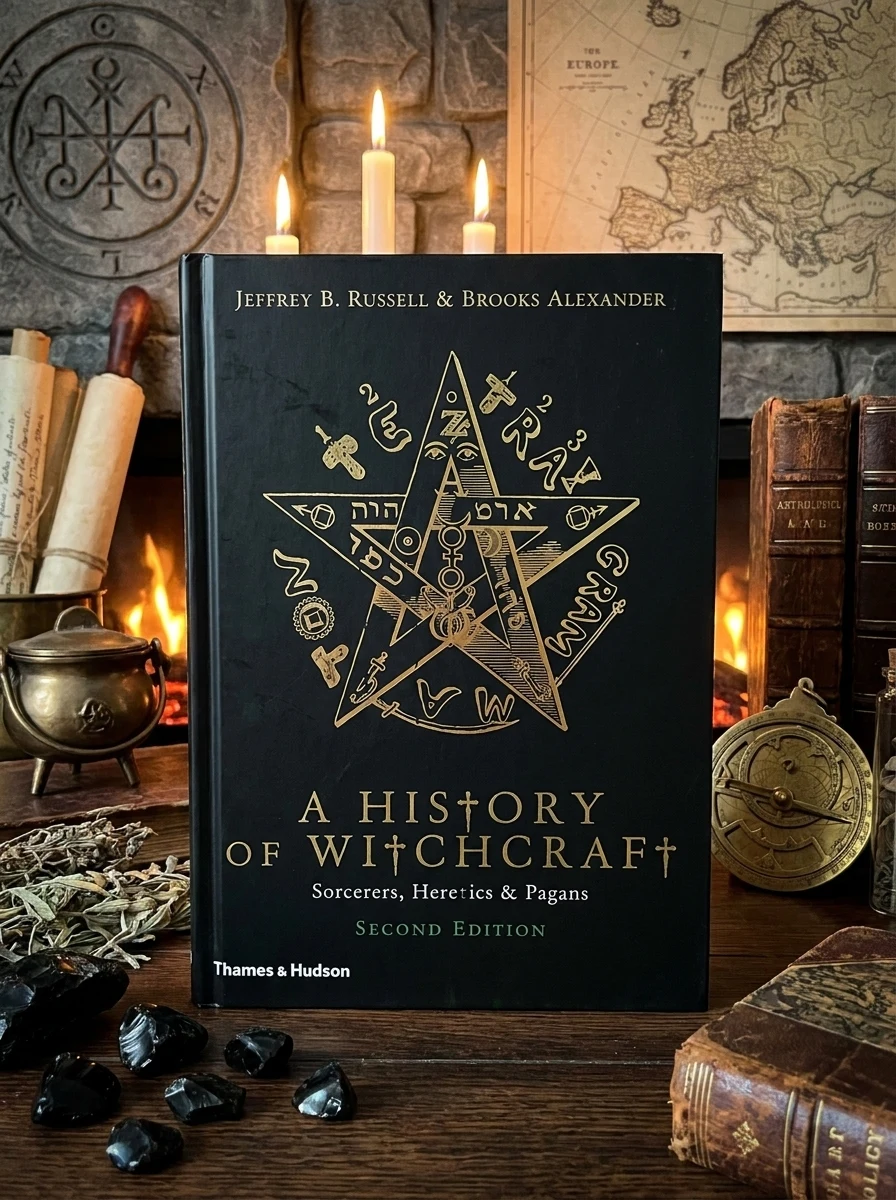
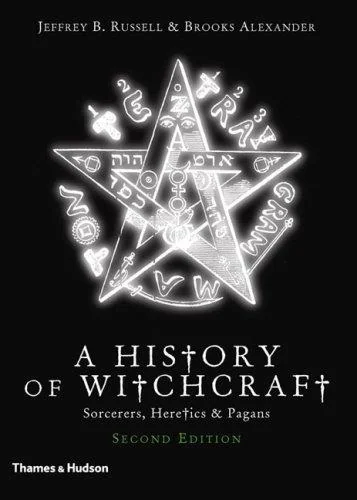
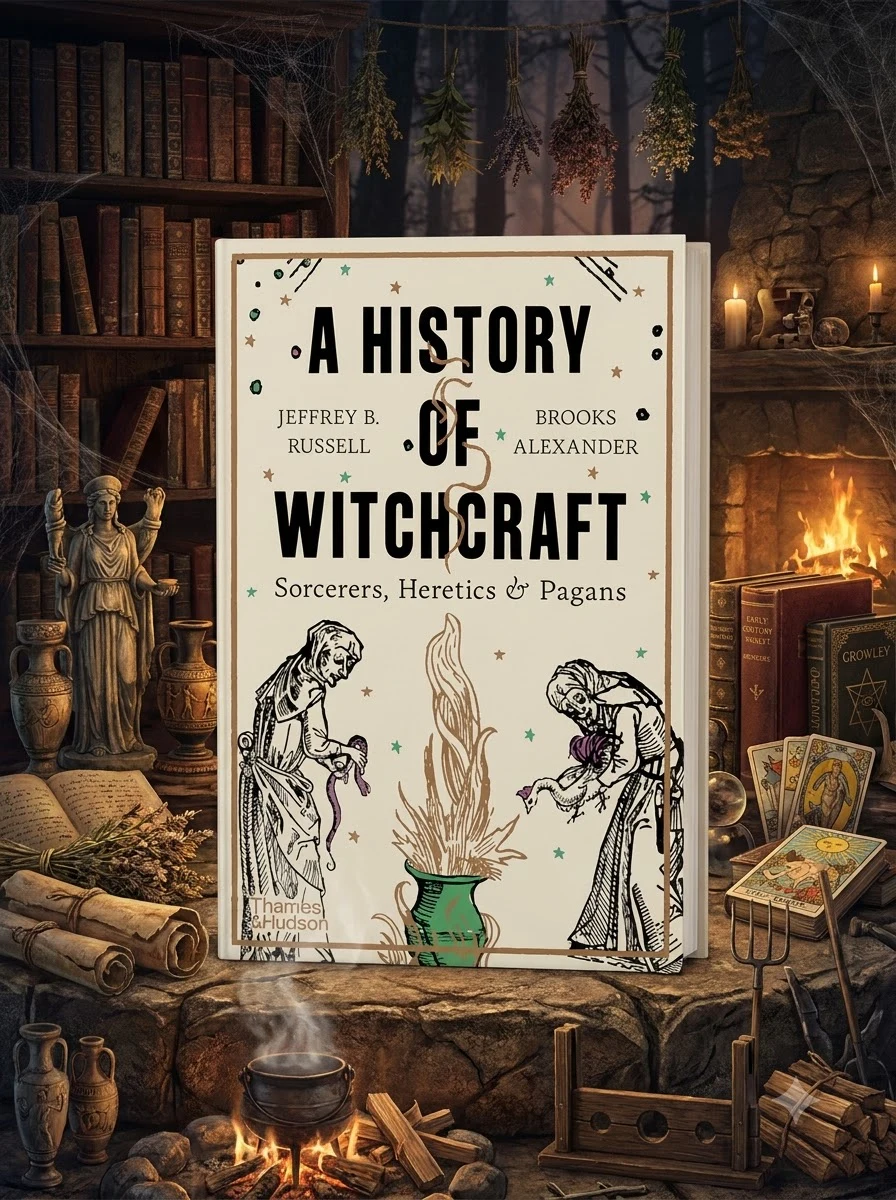
A History of Witchcraft: Sorcerers, Heretics, & Pagans
This volume documents how European witch persecutions emerged from a convergence of ancient magical traditions, folk beliefs, and medieval church theology. Russell and Alexander inspect how shared beliefs in diabolical magic influenced both intellectual circles and local peasant populations during the sixteenth and seventeenth centuries. The revised text integrates new field research alongside updated bibliographic sources, providing a comprehensive historical overview of sorcery across multiple eras.


📝 Description: A History of Witchcraft: Sorcerers, Heretics, & Pagans
💎 Expert review
📖 Why choose it
Why this book is worth reading
Readers fascinated by the intricate tapestry of European history and the evolution of religious persecution will find this book indispensable. It offers a profound exploration of how diverse beliefs—from ancient sorcery to medieval heresies—coalesced into the terrifying witch craze of the early modern period. Those interested in the sociological impact of belief systems, rather than just the practices themselves, will appreciate the authors' assertion that the reality of witchcraft lay in its widespread acceptance across all social strata. It is essential for anyone seeking to dismantle misconceptions about the subject and understand the complex psychological and cultural forces that defined this era of fear and misunderstanding.
⭐ Reader reviews
Reader rating
Russell and Alexander provide a meticulously researched account of witchcraft’s multifaceted evolution, challenging readers to reconsider the existence of diabolical witchcraft itself. While its comprehensive scope is impressive, it may not suit those seeking practical magical instruction or romanticized pagan narratives. The text demands patience from casual readers due to its dense examination of scholastic theology and historical heresies. However, for scholars and serious enthusiasts willing to engage with the academic rigor required to unpack how fear and belief shaped society, this updated edition remains a vital, provocative guide to one of history’s most compelling subjects.
❓ Frequently asked questions
📖 Who should read this
If you're captivated by the historical intersections of magic, religion, and societal fear, or seek a scholarly yet accessible understanding of witchcraft's complex past, this book is essential. It's for those who want to move beyond sensationalism to a deeply researched account.
🎯 Key themes and symbolism
Evolution of Witchcraft
Discover how the concept of witchcraft transformed across millennia, evolving from various ancient magical practices and pagan traditions into the specific, terrifying form that ignited the European witch hunts. The authors highlight the continuous thread of sorcery while emphasizing the distinct historical and cultural shifts that redefined its understanding and persecution.
The Power of Belief
This book argues that the existence of malevolent, diabolical witchcraft is less significant than the widespread, fervent belief in it. Explore how intellectual elites and common folk alike were convinced of its reality, shaping societal reactions, legal processes, and the tragic fates of countless individuals, regardless of their actual magical inclinations.
Intersectional Influences
Examine the intricate tapestry of influences that forged the European witch craze. The text meticulously unpacks how ancient magical practices, pre-Christian paganism, medieval Christian heresy, local folklore, complex scholastic theology, and the burgeoning inquisitorial system combined to create a unique and devastating historical phenomenon.
📜 Historical context
📚 Glossary
- Sorcery
- Heresy
- Paganism
📔 Questions to reflect on
- How do you think societal anxieties and fears contribute to the creation and persecution of 'outsider' groups, historically and in contemporary times?
- Reflect on the difference between the objective existence of a phenomenon and the widespread belief in it. How might this distinction impact how history is understood or even made?
- Consider how different cultural and religious traditions (pagan, Christian, folk) might merge or clash to form new, powerful narratives. Provide an example beyond witchcraft.
📖 Read on the blog
🏛 Books from this publisher Thames & Hudson
All books from this publisher →


You might also like
See more →
Have a question about this item?
Ask about the edition, condition, delivery or anything else — we reply by email or phone, usually within a day.
