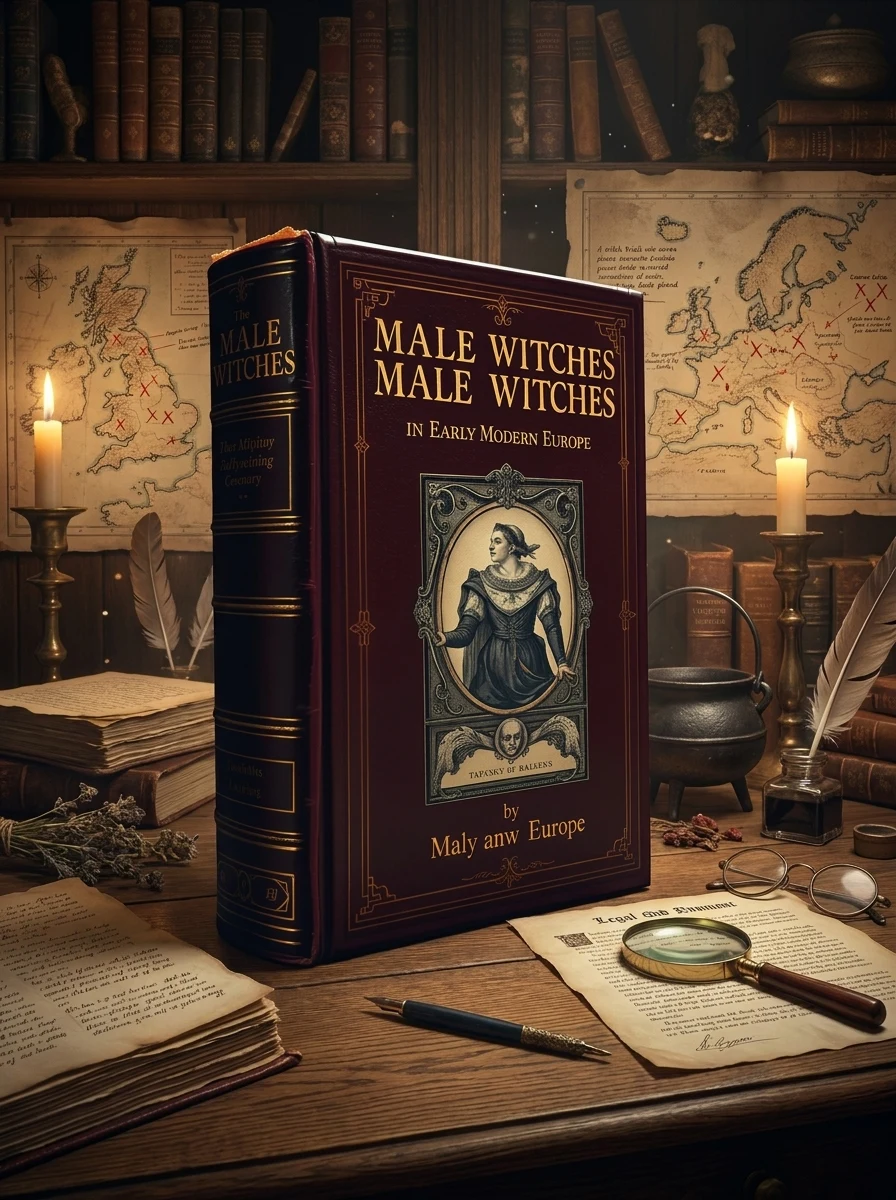
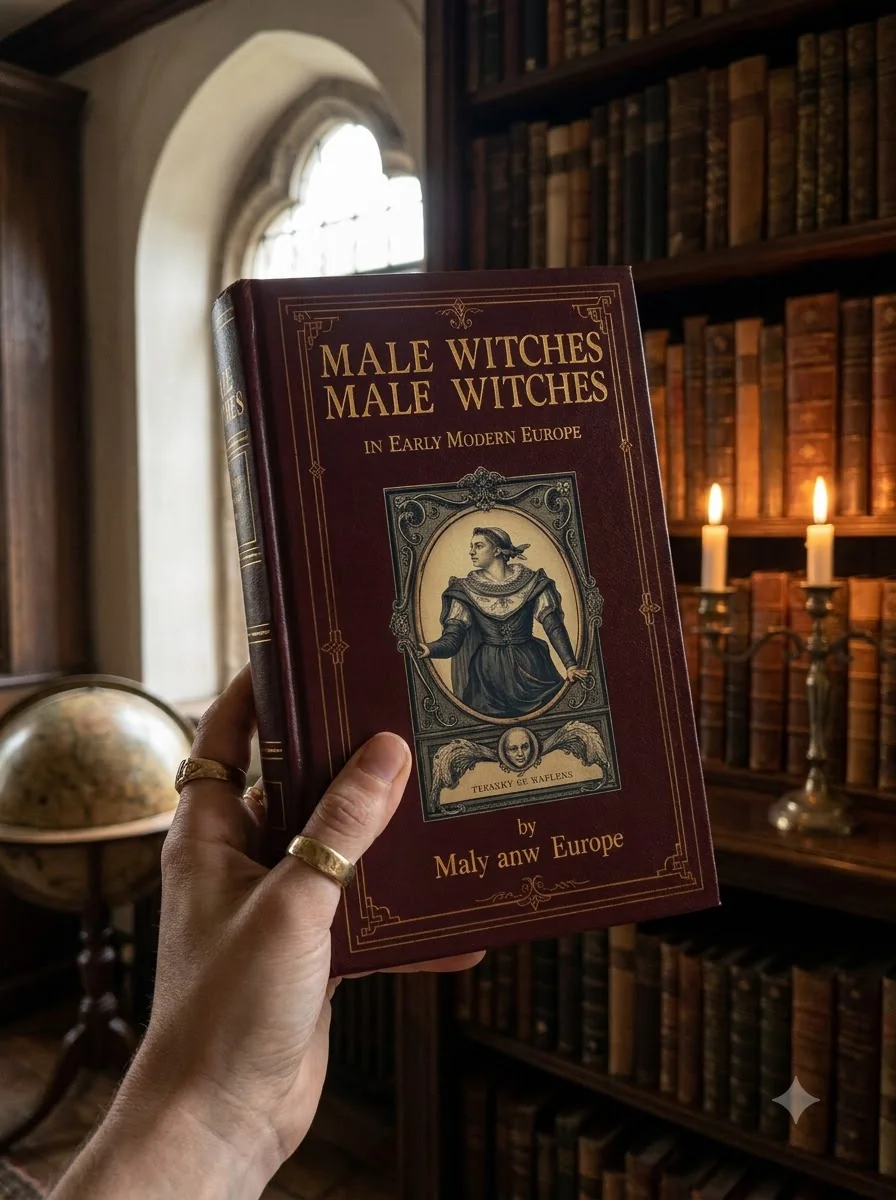
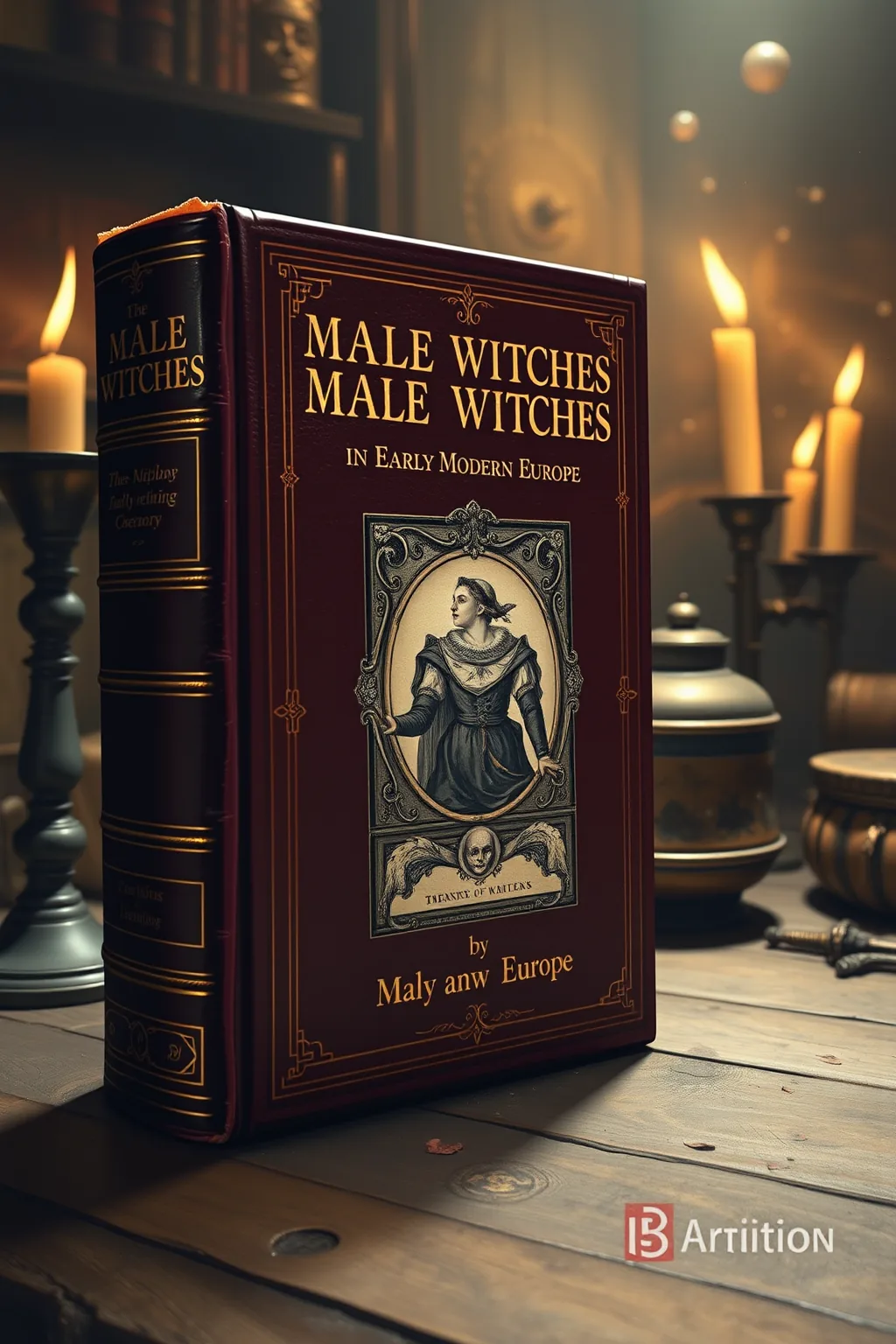
Male Witches in Early Modern Europe
This groundbreaking study delves into the often-overlooked history of male witchcraft during the Early Modern period across both Britain and continental Europe. Moving beyond conventional narratives, it offers the first comprehensive examination of men accused and prosecuted as witches. The authors meticulously analyze witch-hunts through a gendered lens, critically engaging with existing feminist interpretations to provide a more nuanced understanding of how masculinity intersected with accusations of sorcery. It challenges readers to reconsider the complex dynamics of power, gender, and belief in a pivotal historical era.


Praise for this book
“The authors demonstrate some real and significant scholarship. Many of the arguments contained within are extremely original and very forceful.”
📝 Description: Male Witches in Early Modern Europe
💎 Expert review
📖 Why choose it
Why this book is worth reading
This book is essential for historians and gender studies scholars seeking to dismantle the assumption that witchcraft was exclusively a female experience. It offers a crucial corrective to traditional narratives by examining how masculinity intersected with accusations of sorcery in Early Modern Europe. Readers will gain a nuanced understanding of power dynamics during the witch-hunts, moving beyond conventional feminist interpretations to see how male identity influenced both accusation and prosecution. By uncovering these forgotten narratives, the authors provide a more complete picture of the era's spiritual and social landscape, making it vital for anyone interested in the complex interplay of gender, belief, and authority in early modern society.
⭐ Reader reviews
Reader rating
While this study provides a groundbreaking examination of male witchcraft, it is strictly an academic text aimed at specialists. It will likely frustrate casual readers or those seeking dramatic, narrative-driven accounts of witch trials, as it prioritizes rigorous historical analysis over storytelling. The dense engagement with feminist theory and gender studies may also alienate general audiences unfamiliar with sociological frameworks. Consequently, this volume is not suited for hobbyists or those looking for accessible popular history; it demands a scholarly commitment to understanding the complex theoretical underpinnings of Early Modern European witch-hunts.
❓ Frequently asked questions
📖 Who should read this
If you're fascinated by the hidden corners of history, particularly the nuanced dynamics of witchcraft accusations and gender, this book offers an essential perspective. It’s perfect for scholars and curious readers eager to deepen their understanding beyond traditional narratives.
🎯 Key themes and symbolism
Male Witchcraft's History
This work meticulously unearths and chronicles the documented instances of men accused of witchcraft throughout Early Modern Europe. It highlights how their experiences often differed from, yet were intertwined with, the more commonly studied female accusations, providing a crucial missing piece in the historical understanding of witch-hunts.
Gendered Power Dynamics
The book employs a sophisticated gender analysis to dissect the roles masculinity and femininity played in the perception and prosecution of sorcery. It reveals how societal expectations and anxieties around gender influenced who was accused, why, and how their cases were handled, offering fresh insights into historical power structures.
Critiquing Feminist Narratives
While acknowledging the valuable contributions of feminist scholarship, the authors critically examine its limitations when applied universally to all witch-hunt studies. They propose a refined analytical framework, arguing for a more balanced perspective that recognizes the diverse experiences of both male and female alleged witches without oversimplifying complex historical realities.
📜 Historical context
📚 Glossary
- Early Modern Europe
- Witch-hunt
- Gender Analysis
📔 Questions to reflect on
- How might our understanding of historical gender roles shift if we consistently included male experiences in studies traditionally focused on women?
- Consider how the societal anxieties of the Early Modern period, as described in this book, parallel or diverge from contemporary fears and their targets.
- In what ways do modern interpretations of witchcraft continue to be shaped by historical biases regarding gender, and how might we challenge them?