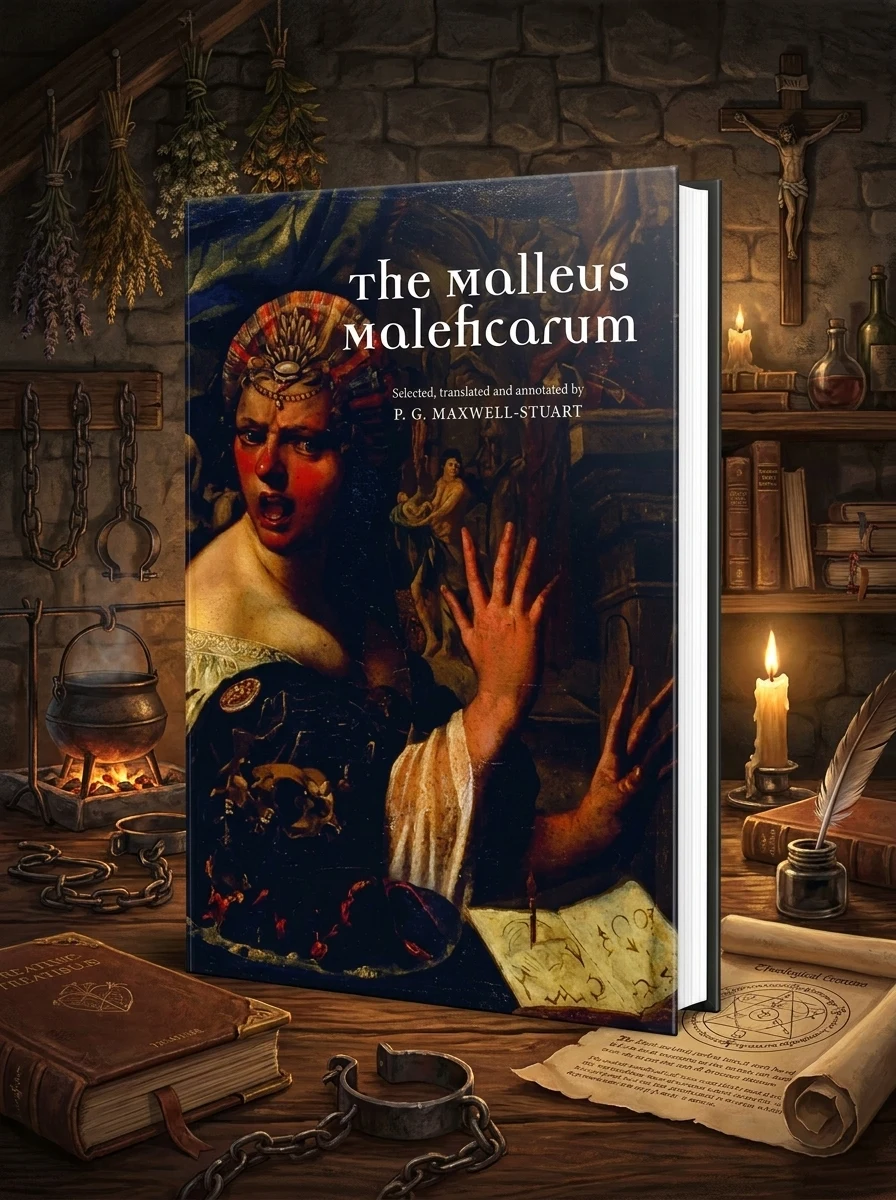

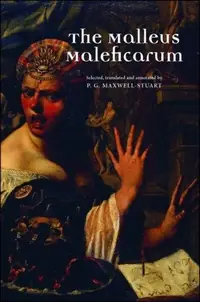
The Malleus Maleficarum
Maxwell-Stuart, PeterStock reported in the catalog; fulfillment is confirmed with your request.
A chilling, unvarnished translation of the medieval witch-hunter’s definitive manual for persecution and theological justification.
Peter Maxwell-Stuart presents a lean, unvarnished translation of the infamous Malleus Maleficarum, stripping away centuries of interpretive gloss to reveal the text’s raw, terrifying clarity. This treatise, historically used to justify the prosecution of witches, blends dry theological argumentation with illustrative anecdotes and practical advice for inquisitors. By offering a direct and faithful rendering, this edition allows readers to confront the original logic of fear and control without the mediation of later scholarly commentary, making it an essential primary source for understanding the mechanics of late-medieval witchcraft persecution.
This work serves as a definitive primary source for understanding the mechanics of late-medieval witchcraft persecution and the theological justification for such prosecutions. It represents the raw logic of fear and control that underpinned the medieval witch-hunting tradition.


📝 Description: The Malleus Maleficarum
💎 Expert review
📖 Why choose it
Why this book is worth reading
This edition is an essential resource for scholars and serious enthusiasts who seek to confront the original logic of fear without the mediation of later scholarly commentary. By offering a direct, faithful rendering stripped of interpretive gloss, it allows readers to access the terrifying clarity of the text’s raw arguments. Those interested in the historical mechanics of persecution will find immense value in this unvarnished translation, which reveals the practical advice and dry theological reasoning used by inquisitors. It is particularly valuable for anyone wishing to understand the foundational texts that shaped centuries of religious and legal history regarding witchcraft.
⭐ Reader reviews
Reader rating
This volume provides a stark, unmediated look at one of history’s most infamous manuals for persecution. While it offers unparalleled access to the original treatise’s dry argumentation and illustrative anecdotes, it is not suited for casual readers or those seeking narrative comfort. The text’s relentless focus on theological justification and practical advice for inquisitors may feel oppressive or overly academic to some. It lacks the warmth of secondary analysis, demanding instead a willingness to engage with cold, historical logic. Readers looking for modern Wiccan perspectives or empathetic storytelling will find this work alienating; it is strictly for those prepared to confront the unvarnished reality of medieval witch-hunting ideology.
❓ Frequently asked questions
📖 Who should read this
Scholars of medieval history, theologians, and students of esoteric persecution who require a direct, unadulterated view of the texts that fueled the witch trials, rather than secondary analyses.
🎯 Key themes and symbolism
Theological justification of persecution
Gender and power dynamics
Medieval inquisitorial procedure
💬 Quotes from the book
“The text stands as an unvarnished window into the medieval mind.”
“A standard translation of a controversial late-medieval treatise.”
📜 Historical context
📚 Glossary
- Inquisitorial
- Theological
- Primary Source
📔 Questions to reflect on
- How does the cold logic of the text contrast with the emotional fear it seeks to exploit?
- In what ways does the theological framework attempt to rationalize irrational persecution?
- What does this manual reveal about the intersection of law, religion, and gender in the medieval period?
✍️ More books by this author Maxwell-Stuart, Peter
All books by this author →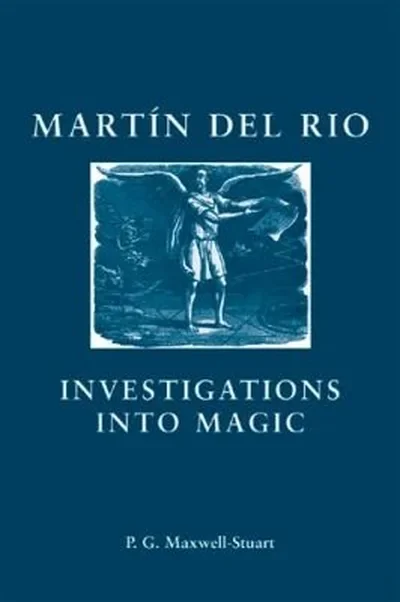
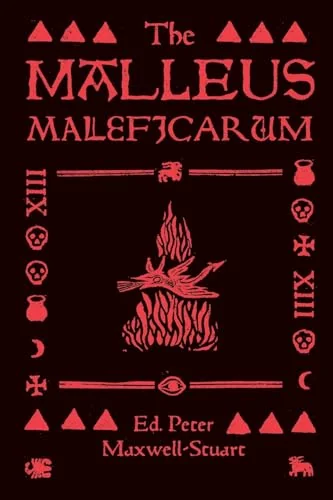
🏛 Books from this publisher Manchester University Press
All books from this publisher →
 88
88
 90
90
You might also like
See more →
 90
90
 88
88
 87
87

 80
80