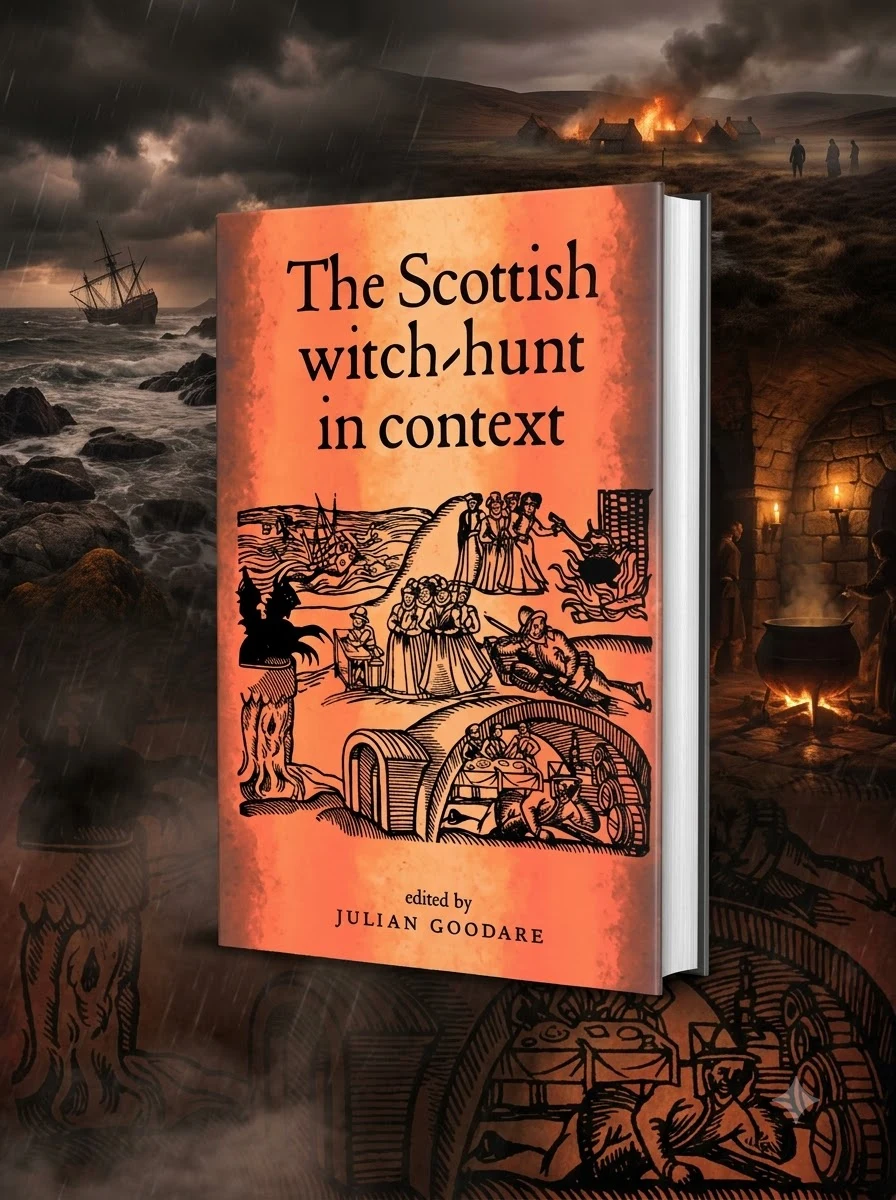
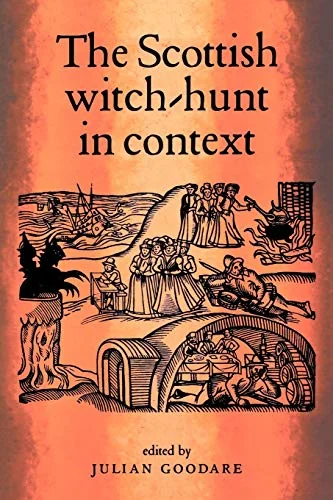
The Scottish Witch-Hunt in Context
✍️ Goodare, JulianThis compelling collection of scholarly essays delves into the entirety of Scotland's notorious witch-hunt period, spanning from the mid-sixteenth century to the early eighteenth. Rather than offering a singular narrative, it presents diverse perspectives on the historical phenomena of Scottish witchcraft and its persecution. Readers will find both sweeping historical context and granular studies, including fresh reassessments of specific, intense witchcraft panics that gripped communities. It's an indispensable resource for understanding a chilling chapter in Scottish history.


Praise for this book
“Indeed, the collection will be a valuable contribution to the whole field of witchcraft studies and find ready acceptance in many library collections and on course booklists.”
📝 Description: The Scottish Witch-Hunt in Context
💎 Expert review
📖 Why choose it
Why this book is worth reading
Scholars and serious enthusiasts of early modern history will find immense value in this rigorous collection, which offers a multifaceted view of Scotland's witch trials without relying on a single, simplified narrative. By presenting diverse scholarly perspectives, the book allows readers to grasp both the sweeping contextual forces and the granular details of specific panics that once gripped communities. It is indispensable for those seeking to understand the chilling reality of this historical period through fresh reassessments rather than myth. Readers who appreciate deep, analytical dives into how legal systems and social fears intersect will gain a nuanced appreciation of why these events occurred and how they have been interpreted in new eras.
⭐ Reader reviews
Reader rating
This text is a dense, academic compilation that demands patience from its audience. It is strictly for those willing to engage with scholarly essays and historical analysis rather than seeking an engaging narrative or accessible overview. Readers looking for sensationalist tales of witchcraft or easy-to-digest summaries will likely find this dry and overly technical. It does not suit casual readers or those interested in modern Wiccan practice, as it focuses entirely on historical persecution and legal context. The lack of a singular narrative arc may frustrate those preferring clear storytelling, making it best reserved for dedicated historians and students of early modern European law.
❓ Frequently asked questions
📖 Who should read this
If you're drawn to the intricate social histories of early modern Europe, the chilling intersection of faith and fear, or the unique trajectory of Scottish occult persecution, this academic volume offers profound insights. Historians, folklorists, and enthusiasts of witchcraft studies will find it an essential addition to their library.
🎯 Key themes and symbolism
The Persecution's Full Span
This volume meticulously tracks the Scottish witch-hunt from its initial emergence in the mid-1500s through its eventual wane in the early 1700s. The essays collectively illustrate the evolution of legal, social, and religious attitudes towards witchcraft across several turbulent centuries, providing a complete chronological understanding of this dark historical period.
Unpacking Witchcraft Beliefs
Beyond simply detailing the trials, the book explores the deeply ingrained beliefs surrounding witchcraft within Scottish society. It investigates how these spiritual concepts were perceived, feared, and ultimately weaponized, offering insights into the cultural and psychological underpinnings that fueled such widespread accusations and terror.
Revisiting Panic Episodes
The collection dedicates significant attention to specific, intense periods of witchcraft accusation, known as 'panics.' By re-examining these localized outbreaks, the essays offer fresh interpretations and challenge long-held assumptions about their triggers, dynamics, and the often-devastating impact they had on individuals and communities.
📜 Historical context
📚 Glossary
- Witch-hunt
- Stuart Era
- Witchcraft Panic
📔 Questions to reflect on
- Consider how the intersection of religious fervor and political instability in early modern Scotland might have uniquely fueled the witch-hunts compared to other regions.
- Reflect on how the reassessment of specific witchcraft panics changes your understanding of the broader historical narrative of persecution.
- What contemporary parallels, if any, can be drawn between historical witch-hunts and modern forms of societal scapegoating or moral panics?