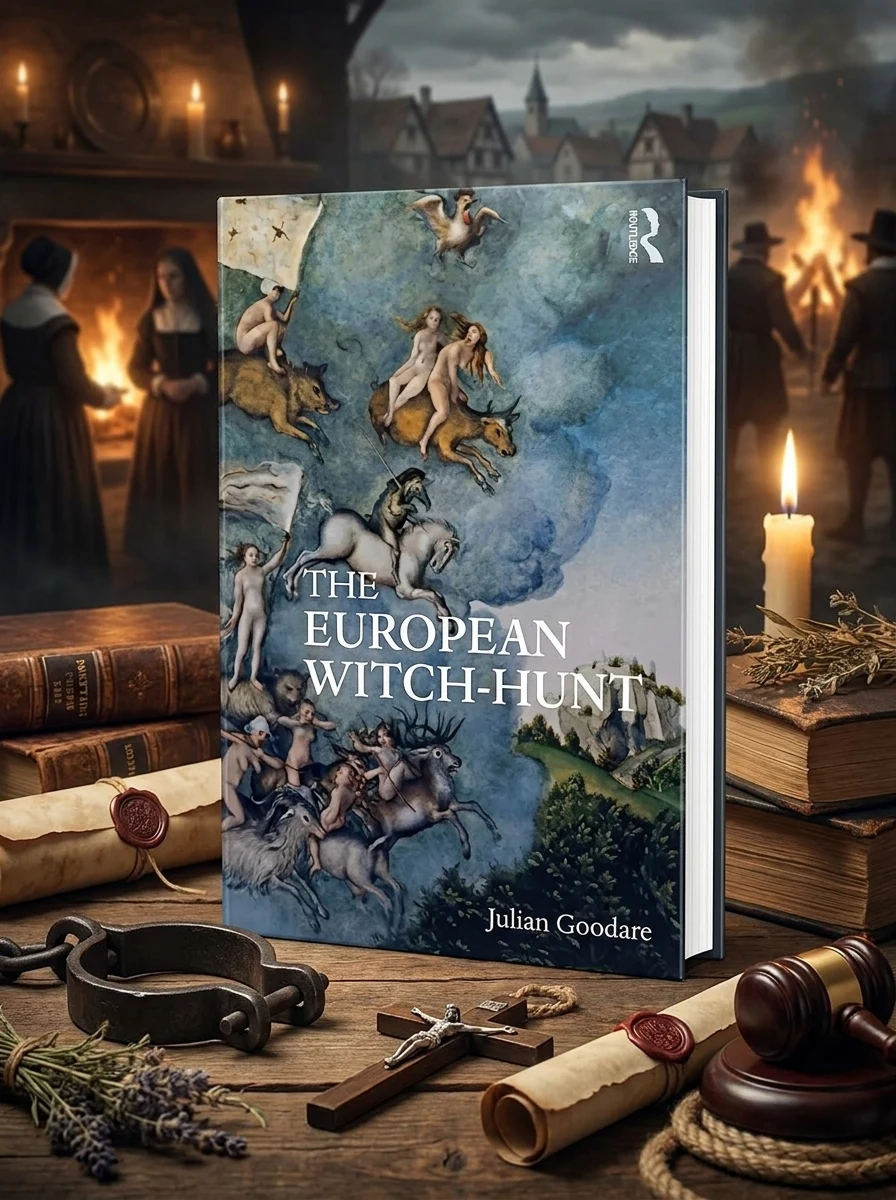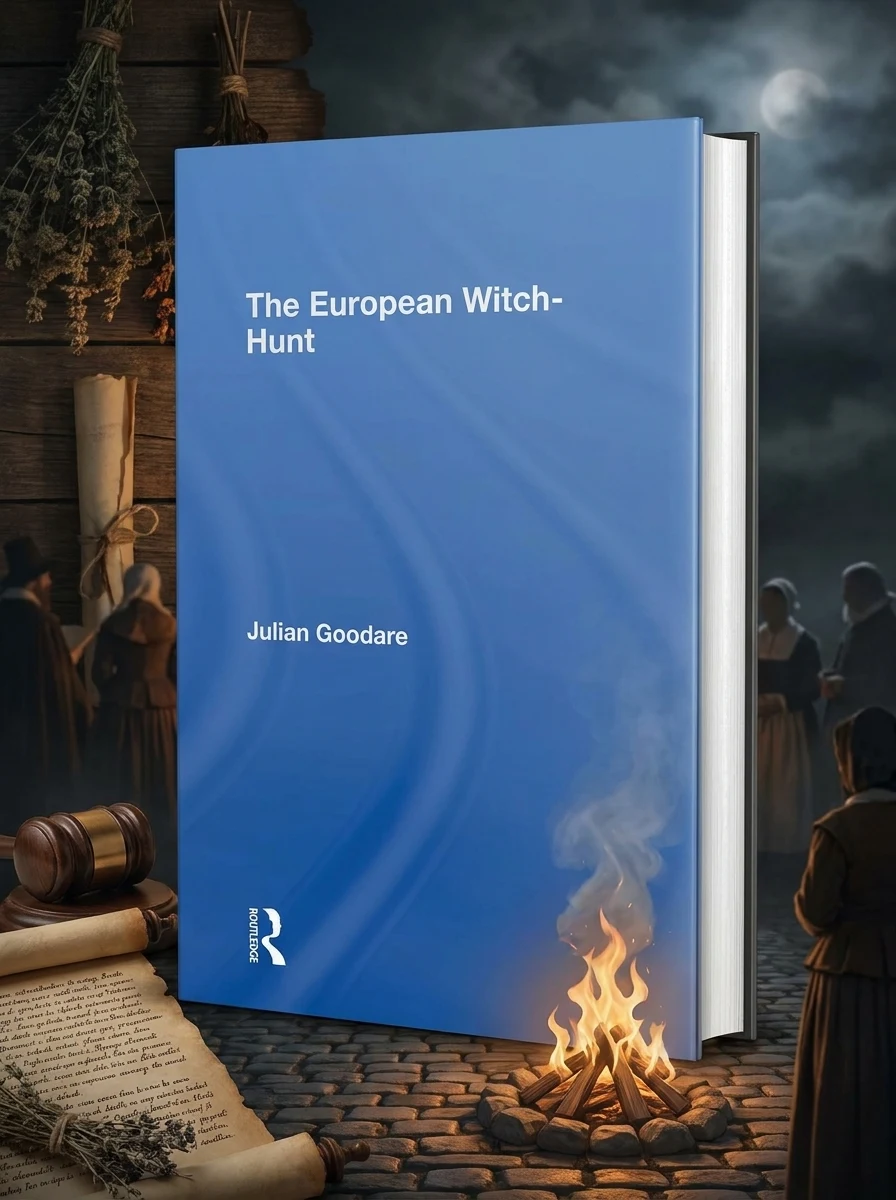
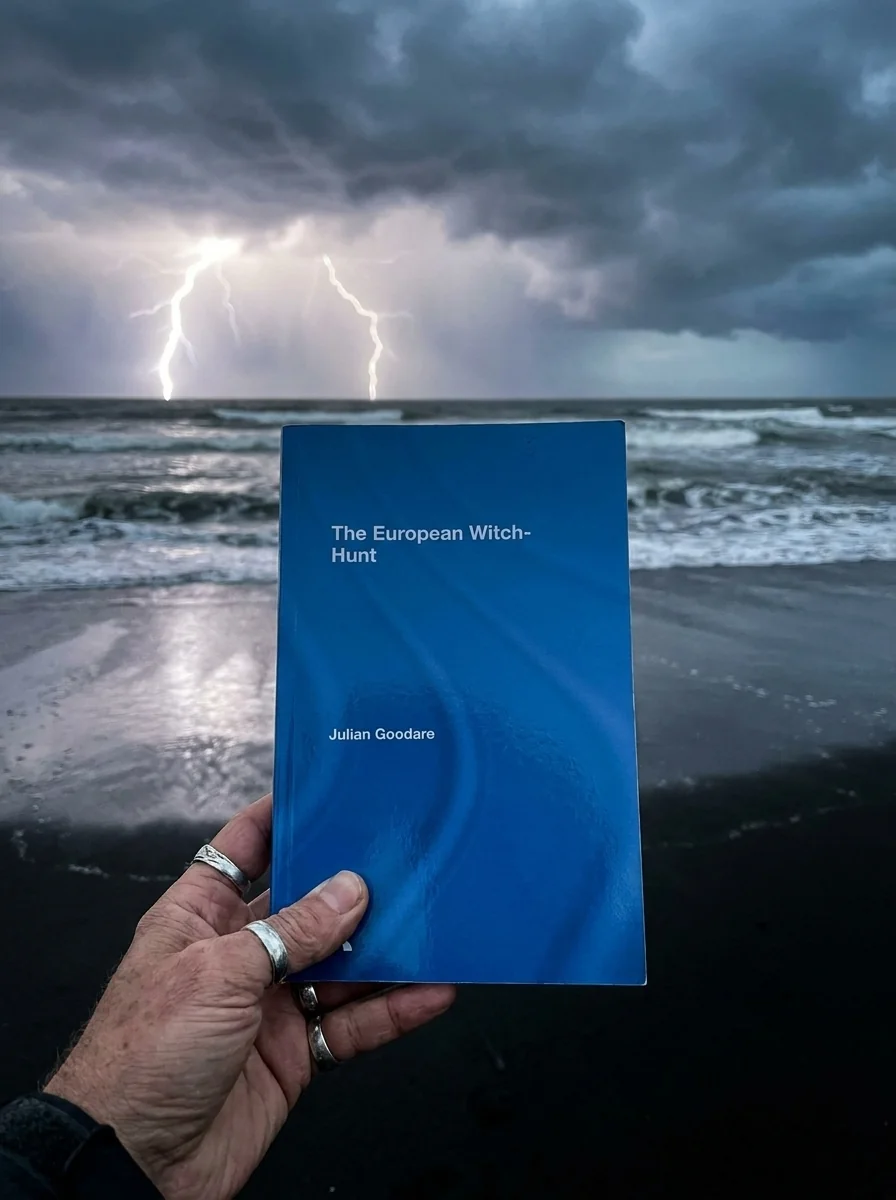
The European Witch-Hunt
✍️ Goodare, JulianJulian Goodare's study meticulously dissects why countless individuals, predominantly lower-class women, faced torture and execution during three centuries of European witch-hunts. He offers a compelling reinterpretation, framing persecutions as an ideologically charged campaign by nascent 'godly states' amidst the Reformation. Weaving insights from social dynamics, legal procedures, and folk beliefs, Goodare reveals how local elites, not central authorities, fueled these panics. A crucial examination of gender's role and the eventual decline of this widespread terror completes this essential narrative.


📝 Description: The European Witch-Hunt
📑 What's inside
- Introduction: THE WITCH-HUNT AND YOU
- Chapter 1: WITCHCRAFT!
- Chapter 2: TOWARDS WITCH-HUNTING
- Chapter 3: WITCHCRAFT AND THE INTELLECTUALS
- Chapter 4: WITCHES IN THE COMMUNITY
- Chapter 5: WITCHCRAFT AND FOLK BELIEF
- Chapter 6: WITCHES AND THE GODLY STATE
- Chapter 7: WITCHES IN COURT
- Chapter 8: THE DYNAMICS OF WITCH-HUNTING
- Chapter 9: WOMEN, MEN AND WITCHCRAFT
- Chapter 10: THE END OF WITCH-HUNTING
- Chapter 11: PERSPECTIVES ON THE WITCH-HUNT
- FURTHER READING
- APPENDIX: INTENSITY OF WITCH-HUNTING IN EUROPE
- INDEX
💎 Expert review
📖 Why choose it
Why this book is worth reading
Readers fascinated by the sociopolitical mechanics of historical persecution will find profound value in this text. It is ideal for those seeking to understand how nascent 'godly states' utilized ideological campaigns against predominantly lower-class women to consolidate power. By moving beyond supernatural explanations, Goodare illuminates the crucial roles of local elites and legal procedures in fueling these panics. This book offers a rigorous, evidence-based perspective for scholars and serious enthusiasts who wish to grasp the brutal reality behind centuries of terror, revealing how social dynamics and gender intersected with authority to drive such widespread fear.
⭐ Reader reviews
Reader rating
Goodare provides a meticulous dissection of the European witch-hunts, framing them as ideologically charged campaigns rather than mere mass hysteria. While essential for understanding the decline of this terror and the role of local elites, this academic approach may not suit casual readers seeking narrative drama or supernatural validation. It is dense with social dynamics and legal analysis, potentially alienating those preferring lighter historical accounts. However, for those interested in the intersection of Reformation politics and gender, it is an indispensable, candid examination of how power operated through persecution.
❓ Frequently asked questions
📖 Who should read this
For those fascinated by humanity's darkest chapters, the intersection of religion and power, or the sociology of mass hysteria, this book is indispensable. Anyone seeking profound understanding of ideological persecution, gendered violence, and the enduring legacy of fear should delve into its pages.
🎯 Key themes and symbolism
State-Sponsored Ideological Persecution
Goodare posits that witch-hunts were not mere superstition but a deliberate campaign by emerging 'godly states' during intense religious upheaval. This interpretation highlights how state power enforced religious conformity, targeting perceived enemies of the established order under the guise of morality and divine will, thus shaping societal fears.
Gender and Village Life
The book thoroughly explores why women, especially those from marginalized communities, became primary targets. It dissects the intricate web of village-level social tensions and relationships that escalated into accusations. Goodare demonstrates how local prejudices and communal anxieties intersected with broader societal fears, systematically condemning the most vulnerable.
Legal Rationales and Folk Beliefs
Goodare meticulously unpacks the legal mechanisms, including torture, underpinning these trials, explaining the courts' chilling logic. He differentiates popular folk beliefs about local magic from sophisticated intellectual concepts of a diabolical conspiracy, showing how both contributed to the pervasive climate of fear and justified severe persecution.
📜 Historical context
📚 Glossary
- Godly State
- Reformation
- Counter-Reformation
📔 Questions to reflect on
- How do modern-day forms of ideological persecution, whether political or social, echo the patterns observed in the European witch-hunts?
- Considering the book's emphasis on local elites, how do community leaders today influence collective anxieties and potentially contribute to scapegoating?
- What insights can the gendered targeting in witch-hunts offer us about persistent biases and vulnerabilities within contemporary society?