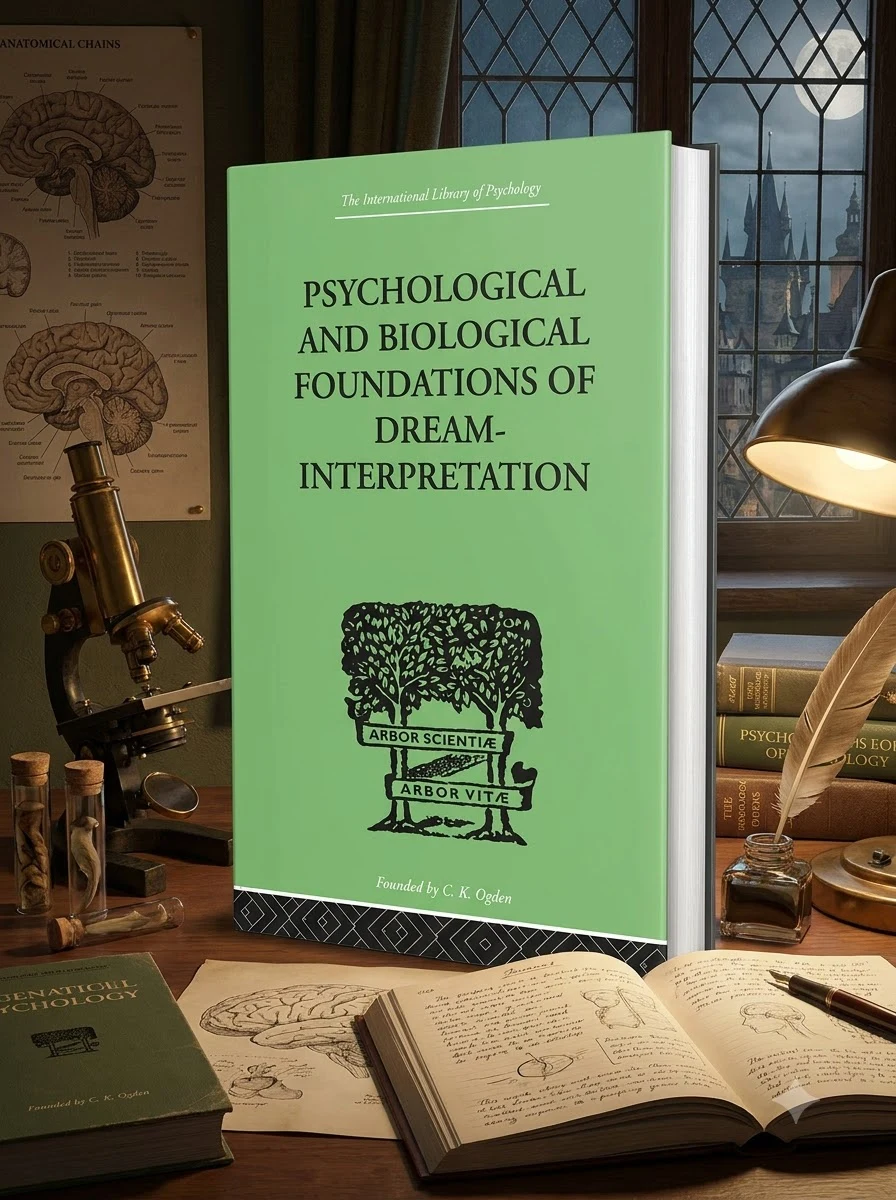
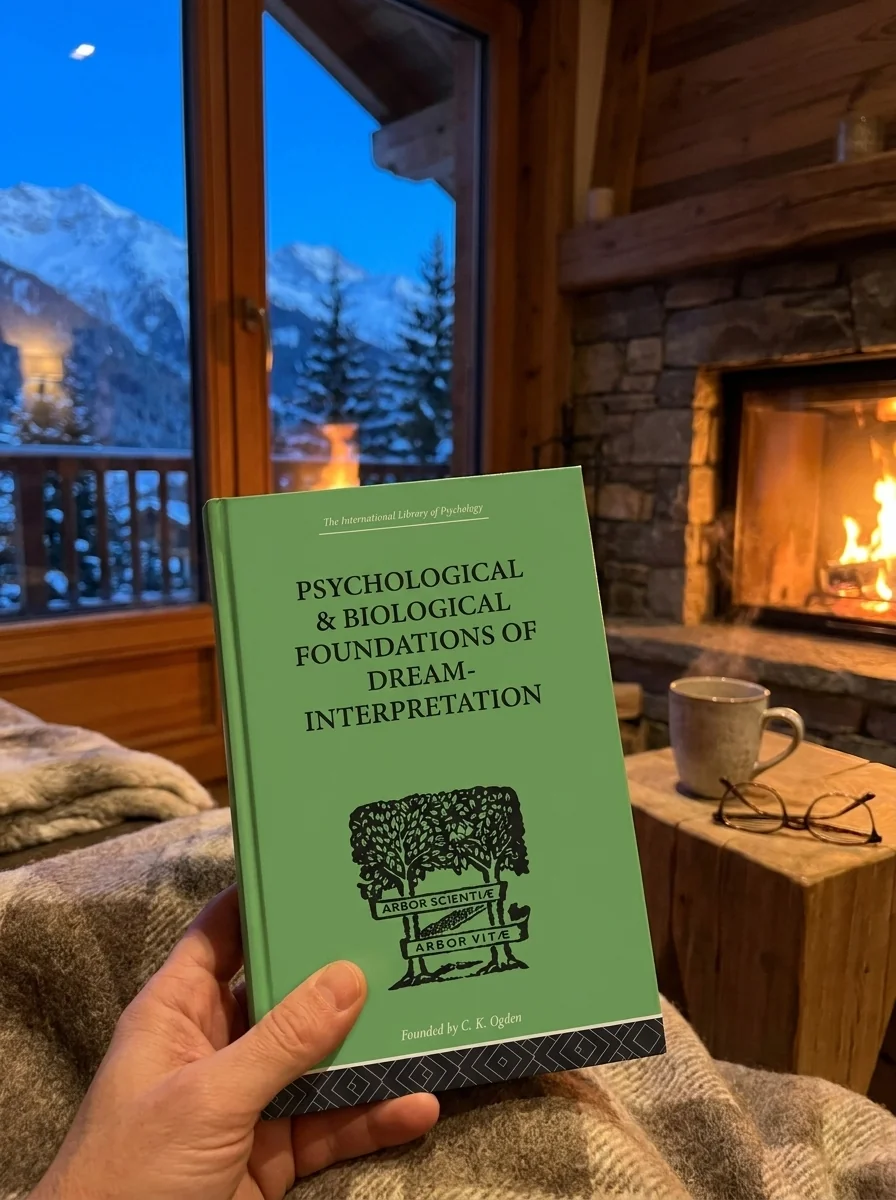

Psychological & Biological Foundations Of Dream-Interpretation
Dive into Samuel Lowy's groundbreaking 1942 exploration of dream interpretation, a pioneering work that transcends mere symbolism. This volume meticulously fuses psychological theory with biological foundations, offering a rigorous, scientific lens through which to understand the complex architecture and inherent purpose of our dreams. Lowy, a distinguished neuropsychiatrist, presents a compelling argument for viewing dreams not as mystical portents, but as profound expressions rooted in our very physiology and mental processes. It's an essential text for anyone seeking a deeper, more analytical understanding of the dream state.


📝 Description: Psychological & Biological Foundations Of Dream-Interpretation
💎 Expert review
📖 Why choose it
Why this book is worth reading
Readers with a keen interest in the scientific architecture of the subconscious will find immense value here. This book is ideal for those who feel that traditional mystical dream interpretation lacks sufficient grounding in human physiology and mental mechanics. By viewing dreams as profound expressions rooted in our very biology rather than mystical portents, you gain a deeper, more analytical understanding of your nocturnal visions. It serves as an essential guide for anyone seeking to demystify the dream state through a rigorous lens, offering clarity on how our physiological processes shape our inner world.
⭐ Reader reviews
Reader rating
Lowy presents a compelling argument for viewing dreams through a scientific lens, meticulously fusing psychological theory with biological foundations. While this approach offers a refreshing, rigorous perspective for analytically minded occultists, it may disappoint those seeking purely mystical or divinatory guidance. The text is dense and academic, prioritizing neuropsychiatric explanation over esoteric symbolism. It does not suit readers who prefer intuitive or spiritual interpretations of dreams without scientific backing. However, for those willing to engage with its complex architecture, it provides a unique, grounded understanding of the dream state that transcends mere symbolism.
❓ Frequently asked questions
📖 Who should read this
If you're a serious student of psychology, a practitioner seeking a comprehensive view, or simply someone fascinated by the science behind our nocturnal journeys, this book offers an invaluable, rigorous perspective. Expect depth, not easy answers.
🎯 Key themes and symbolism
Psychobiological Dream Analysis
Lowy champions an integrated approach, demonstrating how the intricate workings of our biology directly influence and shape our dream experiences. This theme explores the fascinating interplay between neural activity, physiological states, and the psychological content of our dreams, moving beyond purely Freudian or Jungian interpretations to offer a more holistic view.
The Science of Dreams
This book firmly positions dream interpretation within the realm of scientific inquiry. It meticulously examines the mechanisms and functions of dreaming from an empirical perspective, seeking to demystify the process while revealing its inherent rationality. Lowy pushes readers to analyze dreams with a critical, investigative mindset, grounded in observable phenomena.
Purpose of Dream-Interpretation
Beyond simply decoding symbols, Lowy illuminates the deeper reasons behind our drive to understand dreams. He argues that interpreting dreams is not just about finding hidden meanings, but about gaining crucial insights into our overall mental and physical well-being, fostering a more complete self-awareness that bridges conscious and unconscious states.
📜 Historical context
📚 Glossary
- Psychobiology
- Neuropsychiatry
- Dream-Interpretation
📔 Questions to reflect on
- How might considering the biological state of your body (e.g., illness, fatigue, diet) influence your interpretation of a recent dream?
- Reflect on a recurring dream you've had. What physiological or psychological stressors in your life might contribute to its persistence?
- In what ways do you believe a more scientific, less mystical approach to dreams could enhance your self-understanding and well-being?