You've set your alarm for 5 a.m. to practice the wake-back-to-bed method. You've kept a dream journal by your bed for three months. You've done reality checks until your fingers hurt. And yet: you're still waking up confused, with no memory of attempting to lucid dream, let alone succeeding.
This is the most common complaint we hear from readers who've tried mainstream lucid dreaming advice. They follow the steps exactly, but nothing happens. The techniques feel mechanical. The results feel impossible. And after weeks of effort, they give up.
The real issue isn't that you're doing it wrong. It's that most popular lucid dreaming instruction treats the practice like a mechanical hack—a series of tricks to force your brain into submission. But lucid dreaming isn't a hack. It's a skill that requires understanding why the techniques matter, how consciousness actually works during sleep, and what your particular nervous system needs to make the leap from dreaming to awareness.
Why Standard Techniques Fail: The Missing Foundation
The most popular lucid dreaming methods—reality checks, MILD (Mnemonic Induction of Lucid Dreams), and WBTB (Wake Back to Bed)—work for some people. But they fail for many others, and the reason is simple: they assume a level of dream recall and sleep stability that most people don't have.
If you can't remember your dreams consistently, reality checks are useless. You'll never be in a dream to perform them. If your sleep is fragmented or you have underlying sleep issues, waking yourself at 5 a.m. and trying to re-enter a lucid state is exhausting and often counterproductive. And if you're not tracking the actual patterns of your own dreaming—your personal dream signs, your sleep architecture, your natural wake points—you're essentially guessing.
The books that work best aren't the ones that promise quick results. They're the ones that teach you to observe your own mind first, then build from there.
Start with Dream Recall and Observation
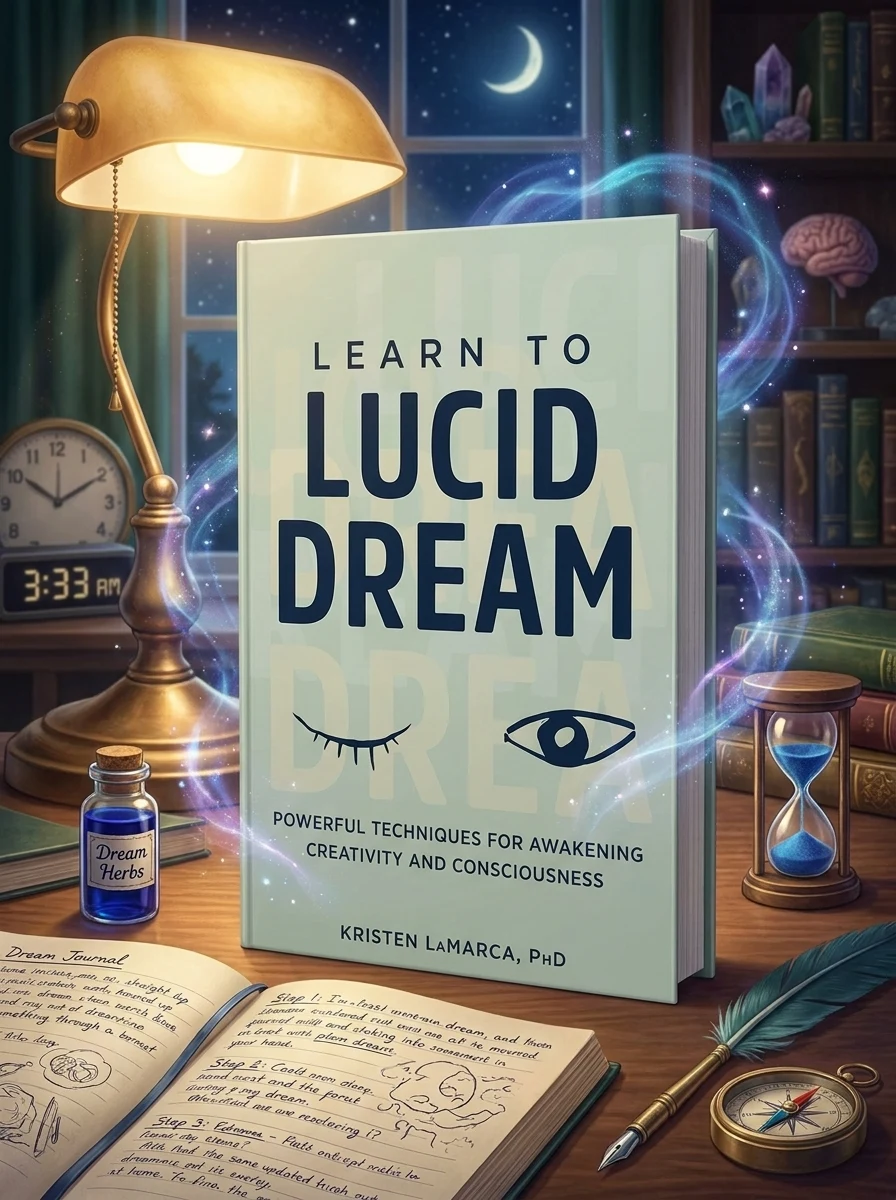
1. Learn to Lucid Dream: Powerful Techniques for Awakening Creativity and Consciousness — Kristen Lamarca, PhD
Learn to Lucid Dream is one of the few beginner books that doesn't skip the foundation. Lamarca spends real time on dream recall—how to actually remember your dreams consistently—before introducing any induction techniques. This matters because you can't become lucid in a dream you don't remember. The book is practical and grounded, under $20, and treats lucid dreaming as a skill you build, not a trick you perform.
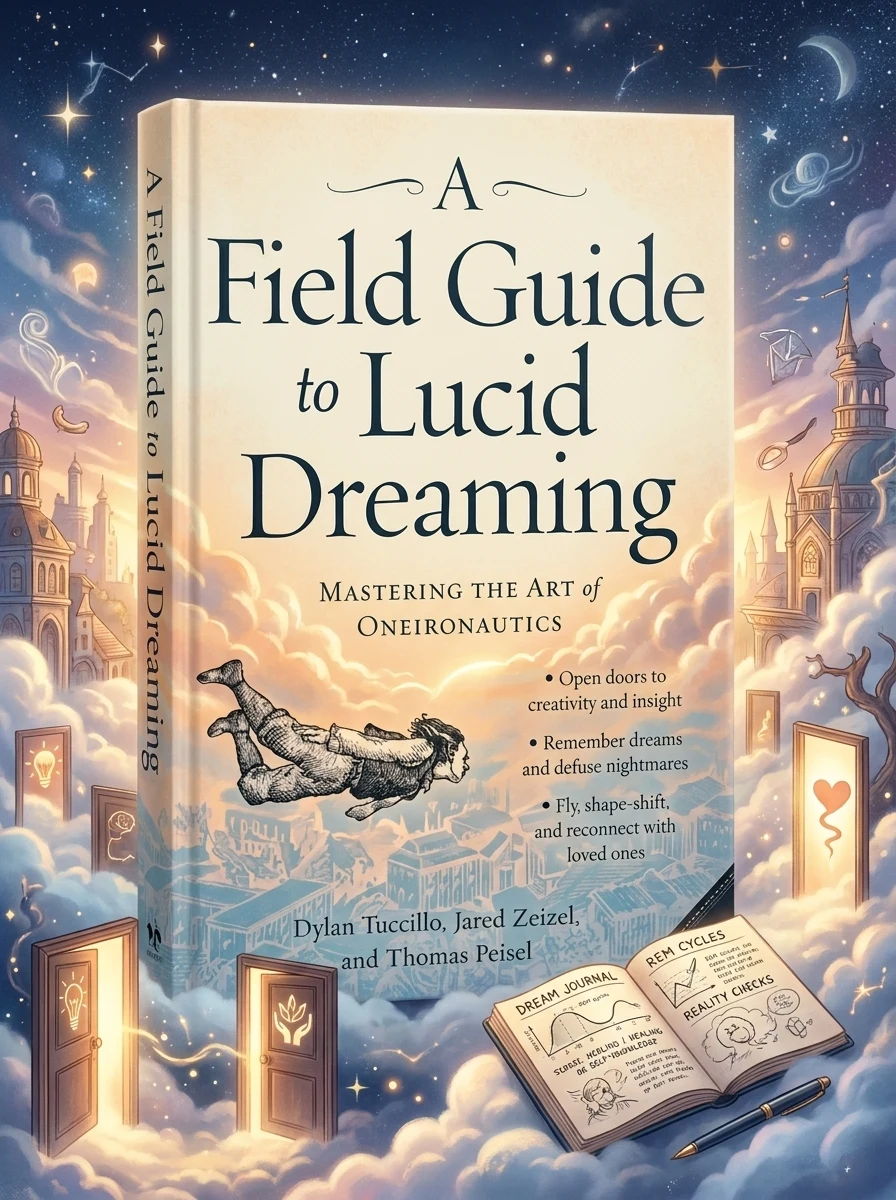
2. A Field Guide to Lucid Dreaming: Mastering the Art of Oneironautics — Dylan Tuccillo
A Field Guide to Lucid Dreaming takes the "field guide" approach seriously. It's structured like a naturalist's handbook—observe, record, notice patterns, then experiment. Tuccillo emphasizes personal experimentation over one-size-fits-all protocols. If you've failed with standard methods, this book's permission to customize your approach based on your own dream patterns is often the turning point.
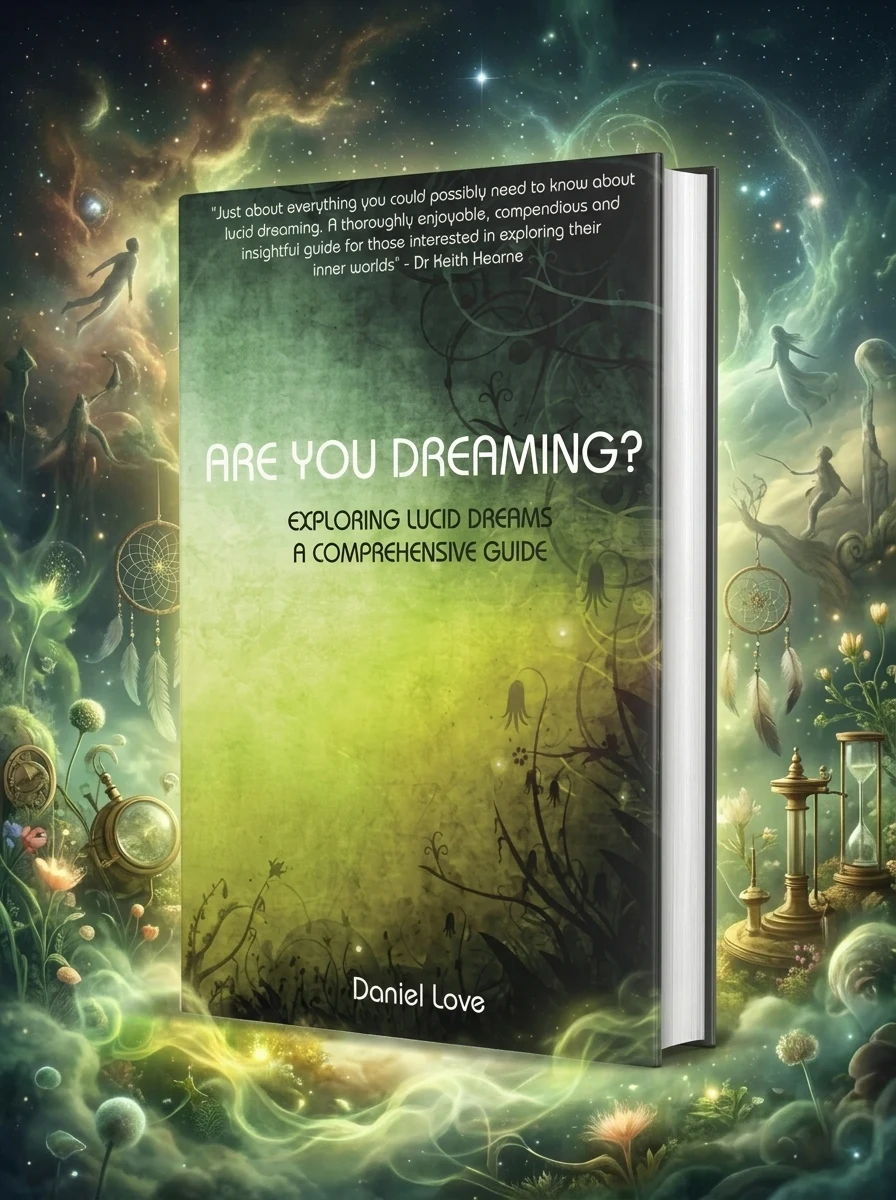
3. Are You Dreaming?: Exploring Lucid Dreams: A Comprehensive Guide — Daniel Love
Are You Dreaming? is thorough without being overwhelming. Love covers the neuroscience of why lucid dreaming happens, the psychology of dream signs, and multiple induction methods—but crucially, he explains when and why each method works for different people. This contextual knowledge is what separates books that actually help from books that just list techniques.
Move Beyond Technique: The Role of Consciousness and Intention
Once you have consistent dream recall, the next failure point is usually this: you're trying to force lucidity through willpower alone. You're doing the technique, but you're not actually cultivating the quality of mind that lucid dreaming requires. This is where books that address consciousness itself—not just mechanics—become essential.
4. Dreams of Light: The Profound Daytime Practice of Lucid Dreaming — Andrew Holecek
Dreams of Light is built on Tibetan Buddhist practice, which means it doesn't separate lucid dreaming from meditation and mindfulness. Holecek teaches that lucid dreaming isn't something you do at night—it's something you prepare for all day through specific practices that cultivate the kind of awareness that naturally carries into sleep. If you've been treating lucid dreaming as an isolated nighttime technique, this book will show you why that approach fails and what changes when you integrate it into a broader consciousness practice.
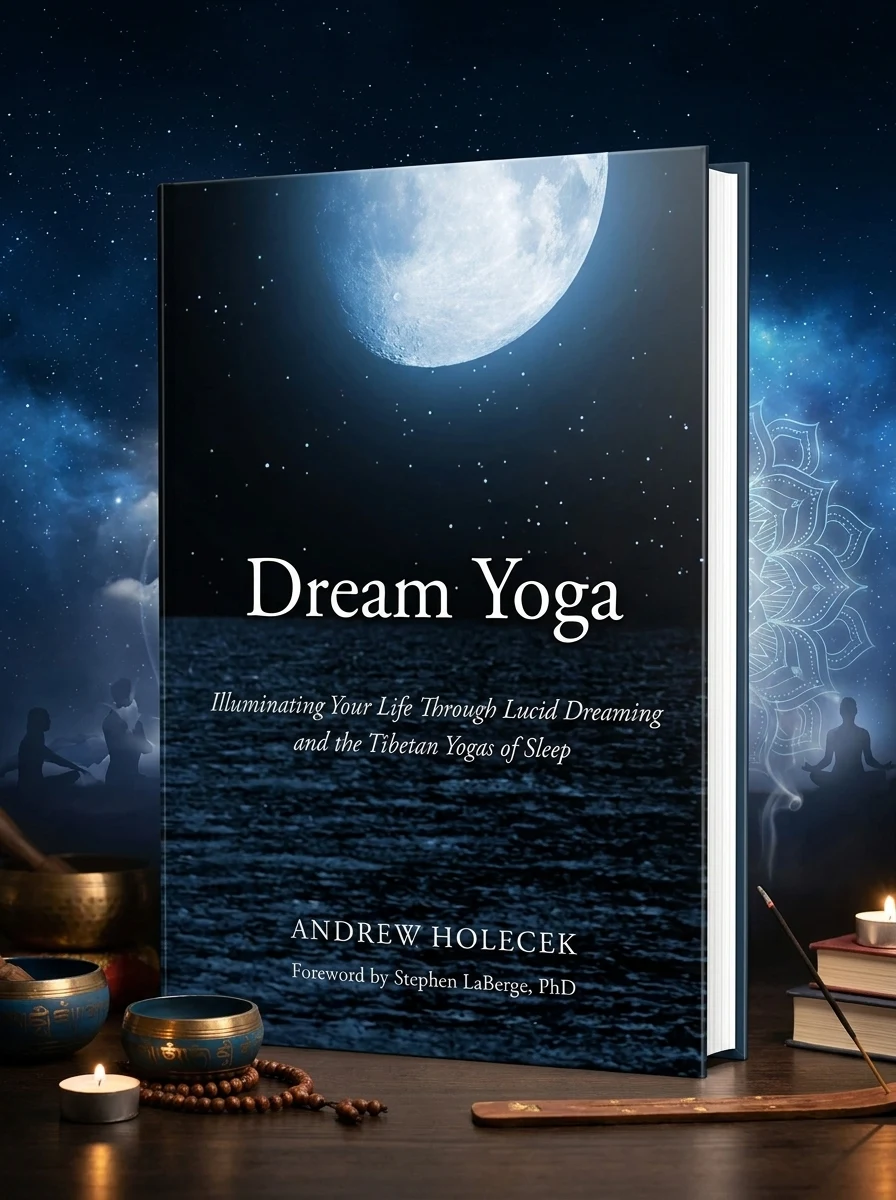
5. Dream Yoga: Illuminating Your Life Through Lucid Dreaming and the Tibetan Yogas of Sleep — Andrew Holecek and Stephen LaBerge
Dream Yoga pairs Holecek's Tibetan Buddhist approach with LaBerge's scientific research on lucid dreaming. This collaboration is rare and valuable: it bridges the gap between contemplative tradition and neuroscience. If you've felt that standard techniques are too mechanical or too vague, this book offers a third way—rigorous, grounded in both science and practice, and designed to work with your actual consciousness rather than against it.
Understand Your Personal Sleep Architecture
Another common reason techniques fail: you're not accounting for your individual sleep patterns. Some people naturally have long REM periods; others have fragmented sleep. Some wake easily; others sleep heavily. Some are naturally introspective; others are kinesthetic and visual. The books that acknowledge this variation—and help you map your own sleep—are the ones that produce results.
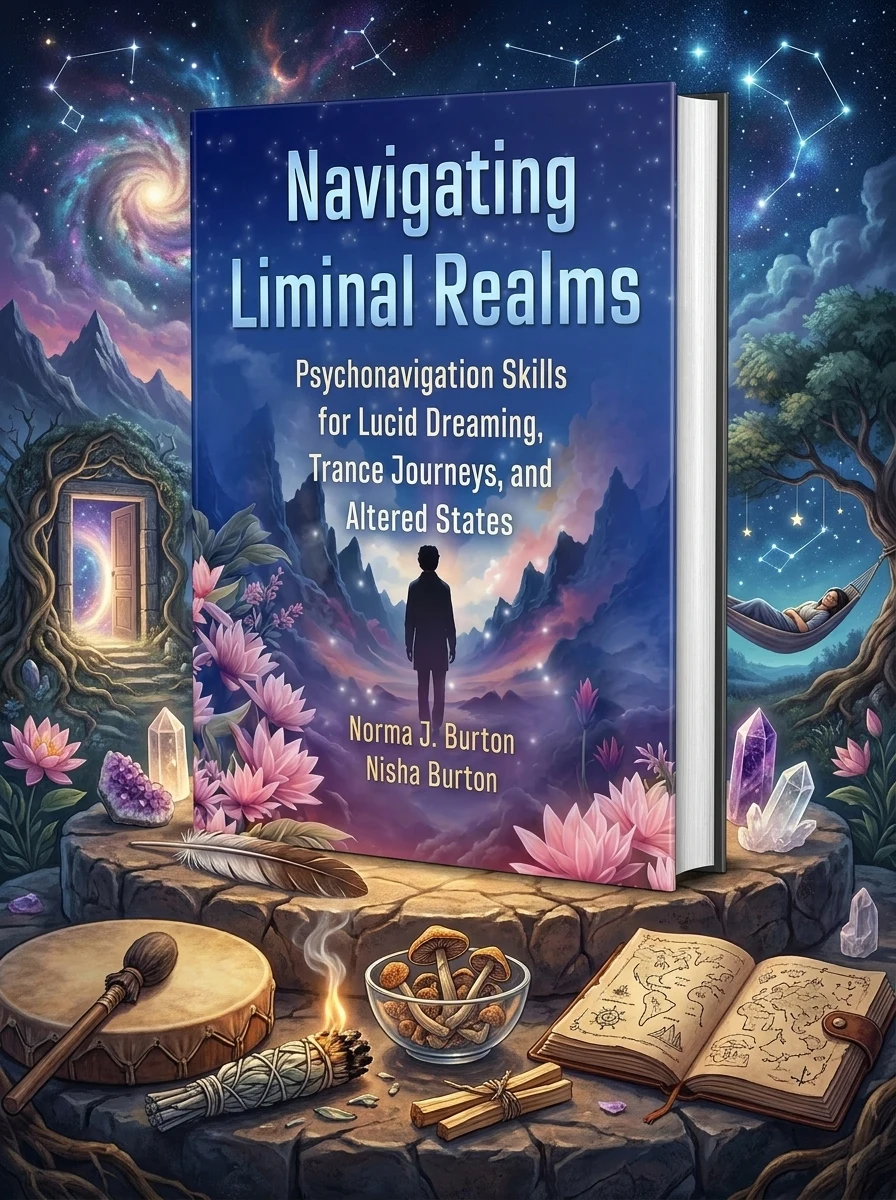
6. Navigating Liminal Realms: Psychonavigation Skills for Lucid Dreaming, Trance Journeys, and Altered States — Norma J. Burton, Nisha Burton, and Matthew Duplessie
Navigating Liminal Realms is for people who've realized that lucid dreaming isn't just about dreams—it's about the threshold states between sleep and waking. The Burtons and Duplessie teach you to recognize and work with hypnagogic states (the space between waking and sleep), which is where many lucid dreams actually begin. If you've been waiting for a full REM dream to become lucid, you've been missing the easier entry points. This book teaches you to see them.
7. Master of Lucid Dreams — Olga Kharitidi
Master of Lucid Dreams is part memoir, part teaching. Kharitidi, a psychiatrist, learned lucid dreaming from a Siberian shaman and brings both perspectives to the work. What makes this book valuable if you've failed before is that it treats lucid dreaming as a healing practice, not a performance. She shows how lucid dreaming can address psychological patterns and trauma—which is often why people's techniques fail. You can't force lucidity if your nervous system is dysregulated or if you're unconsciously avoiding certain dream states.
When You Need a Ritual or Magical Framework
Some people find that purely technical or psychological approaches don't work for them. They need a framework that engages their imagination, their sense of meaning, or their spiritual practice. If this is you, the failure of standard techniques might simply mean you need a different kind of book.
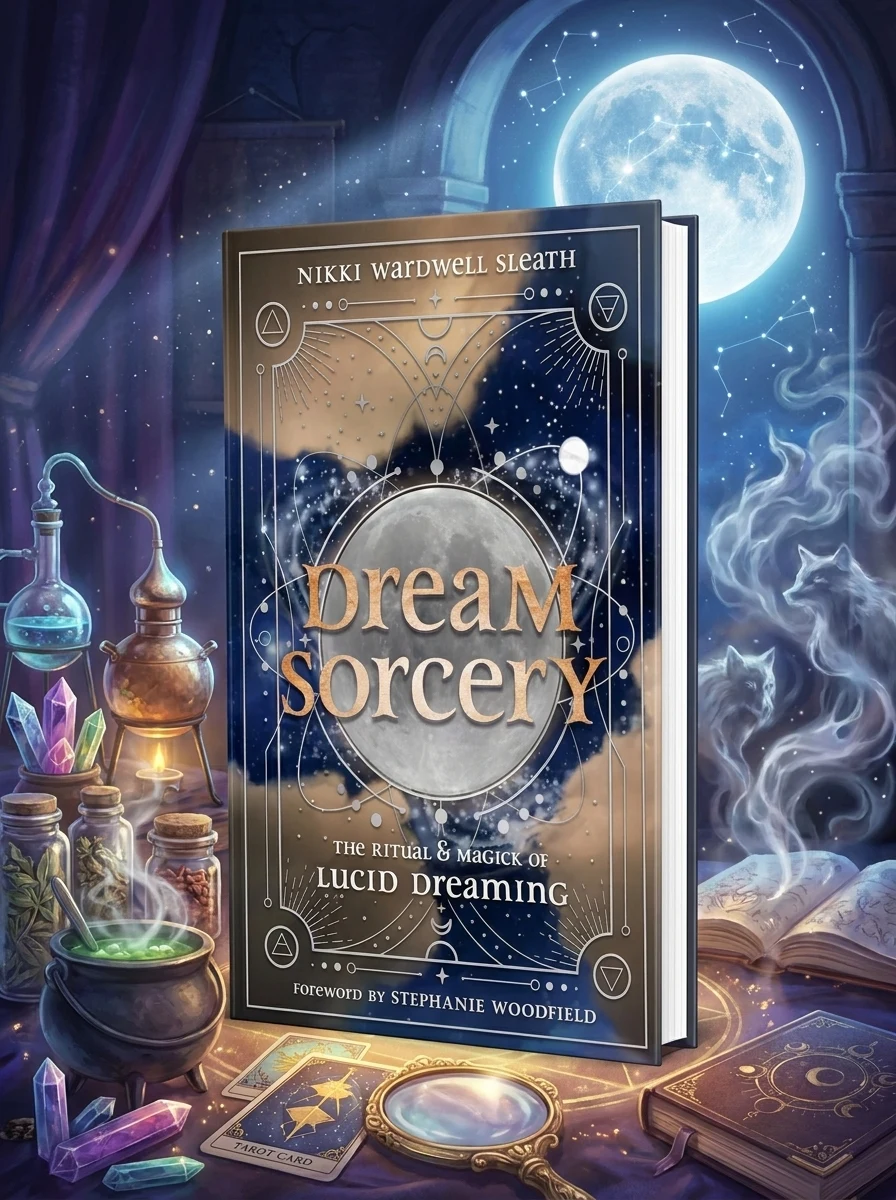
8. Dream Sorcery: The Ritual & Magick of Lucid Dreaming — Nikki Wardwell Sleath and Stephanie Woodfield
Dream Sorcery approaches lucid dreaming as a magical practice. If you work with ritual, energy, or ceremonial magic, this book will feel like home. Sleath and Woodfield teach lucid dreaming not as a neurological hack but as a form of sorcery—a deliberate engagement with the dream realm as a real space of power and knowledge. For practitioners who've found that meditation-based or purely technical approaches feel hollow, this book often unlocks what other methods couldn't.
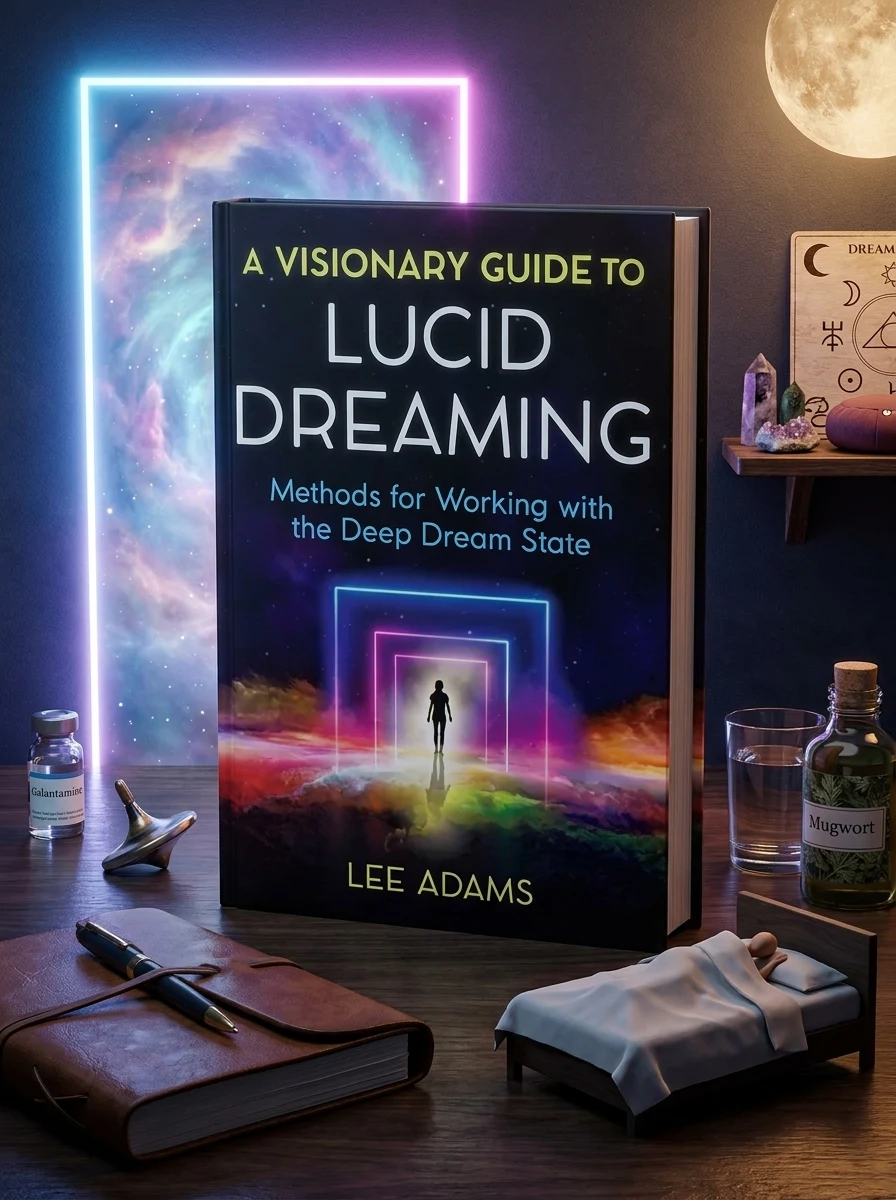
9. A Visionary Guide to Lucid Dreaming: Methods for Working with the Deep Dream State — Lee Adams
A Visionary Guide to Lucid Dreaming is for people who want to work with lucid dreaming not just for control or fun, but for genuine visionary experience and inner knowledge. Adams teaches methods for deepening lucid dreams once you achieve them—how to stabilize them, how to work with symbols, how to extract meaning. If you've gotten lucid once or twice but couldn't sustain it or use it, this book addresses that next phase.
How to Choose the Right Book for Your Failure
The reason your techniques failed isn't mysterious. It's usually one of these:
- You don't remember your dreams consistently. Start with Learn to Lucid Dream or A Field Guide to Lucid Dreaming. Both prioritize dream recall as the foundation.
- You're trying to force it through willpower alone. Read Dreams of Light or Dream Yoga. Both teach that lucid dreaming is a consciousness practice, not a technique.
- Your sleep is fragmented or you have sleep issues. Try Master of Lucid Dreams, which addresses the nervous system and healing. Or Navigating Liminal Realms, which teaches you to work with the threshold states you actually have access to.
- Standard techniques feel mechanical or meaningless to you. Pick Dream Sorcery if you work with magic, or A Visionary Guide to Lucid Dreaming if you want to work with lucid dreams for insight and meaning.
- You want the science and the tradition together. Are You Dreaming? and Dream Yoga both bridge this gap.
The pattern in every book that actually works is this: it treats you as an individual with a unique nervous system, sleep pattern, and consciousness, not as a generic brain waiting for the right hack. It builds from observation, not from assumption. And it understands that lucid dreaming isn't separate from the rest of your life—it's an expression of how conscious you are, period.
Start there, and the techniques that failed before will finally make sense.