US shipping Secure card payment Occult and esoteric books

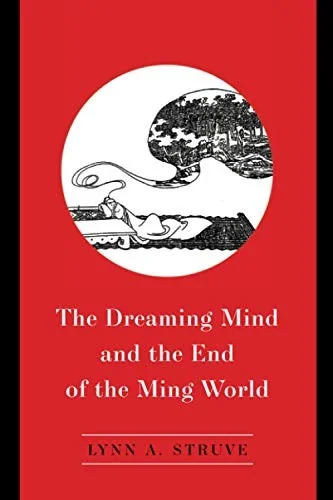
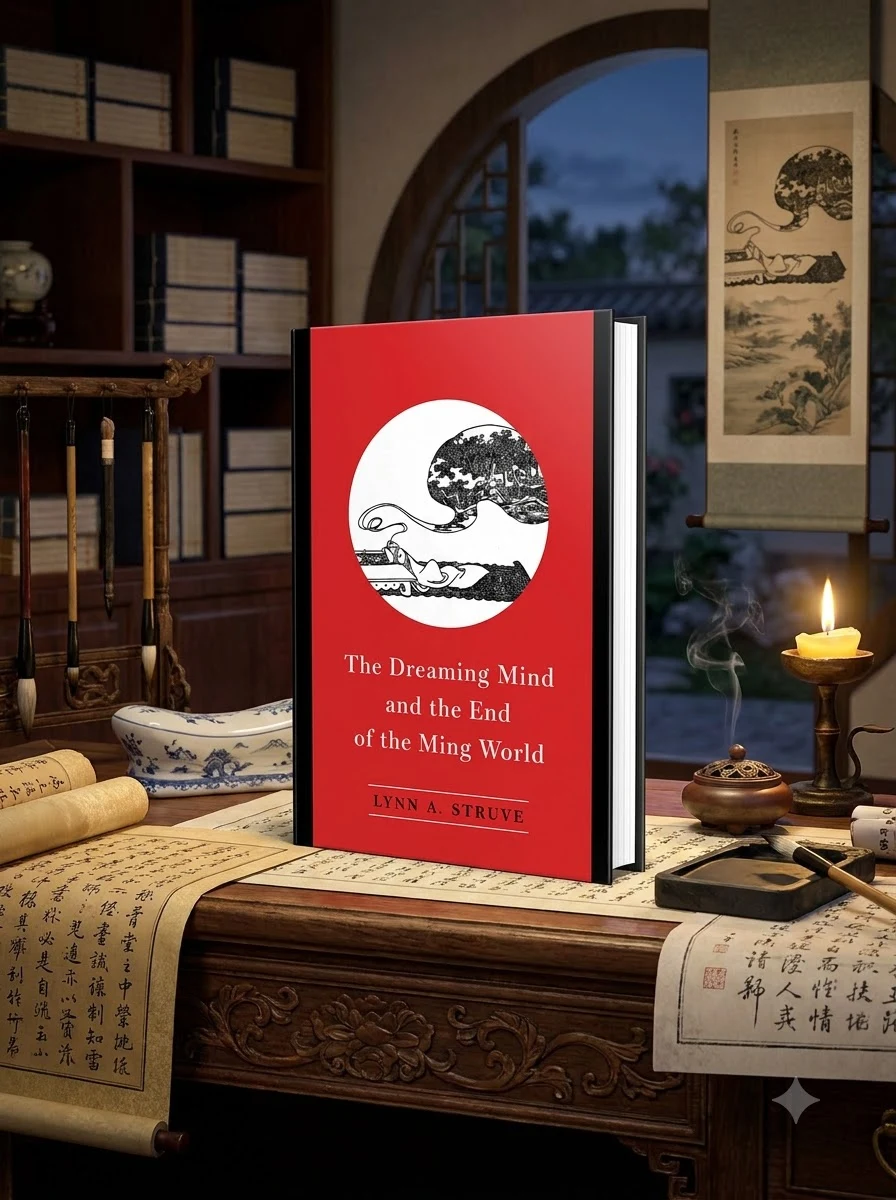
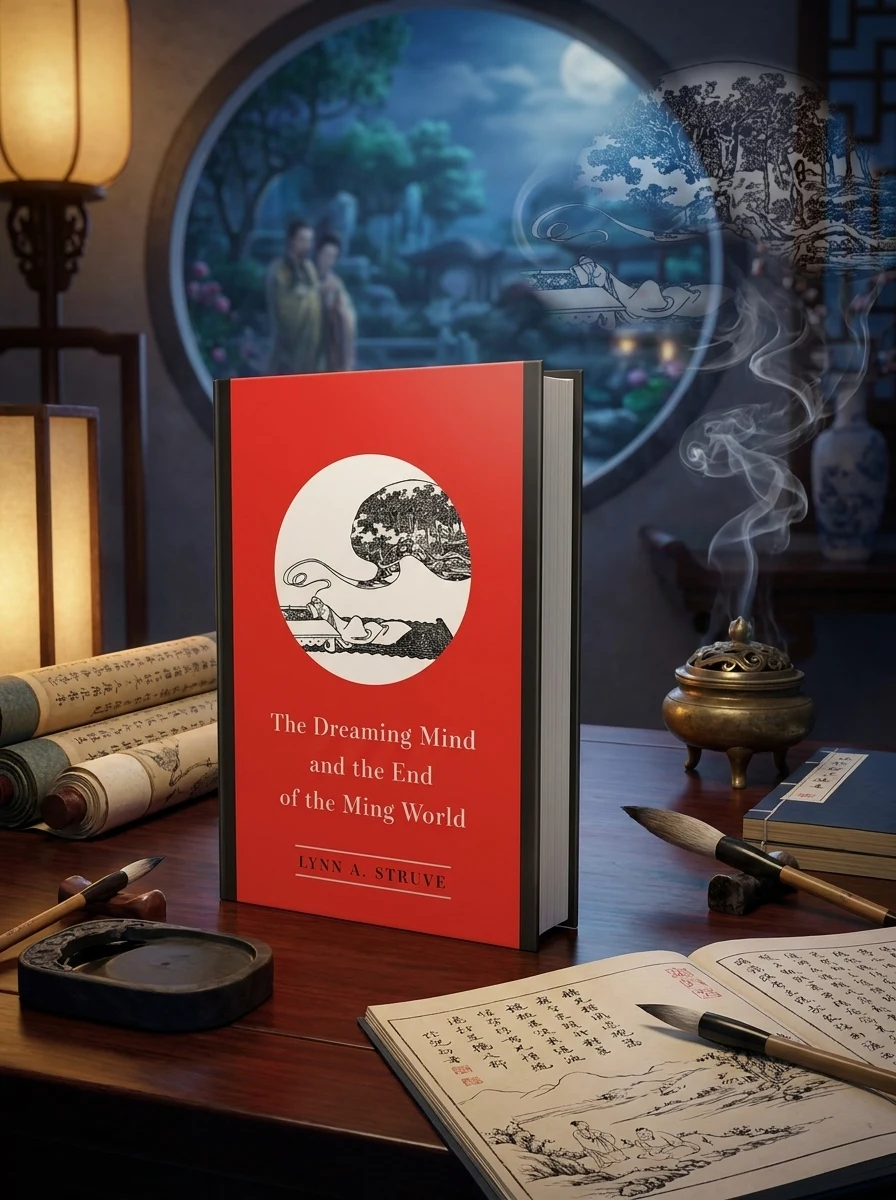
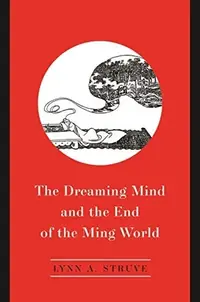
The Dreaming Mind and the End of the Ming World

Struve, Lynn A
Reader rating
4.7
(7 reviews) 45 sold
Availability to be confirmed

This edition can be ordered. No arrival date is confirmed.

📚 ABOUT THE BOOK

Dreams became the lens through which late Ming scholars viewed a collapsing world.

Struve explores the extraordinary surge in dream literature during the late Ming and early Qing dynasties. She argues that as political instability grew, intellectuals turned inward, using dreams to process trauma and explore consciousness. By examining writings from thinkers, artists, and physicians, the book reveals how neurophysiological traits of dreaming—such as spontaneity and irrationality—were amplified by cultural crisis. This period saw dreams transform from mere physiological events into profound tools for understanding the self and the end of an era, offering a unique window into the Chinese mind at its historical turning point.

Key themes
Late Ming cultural crisis Dreams as historical evidence Neurophysiology of consciousness
Historical context

This work situates itself within the rich tradition of Ming and Qing dynasty intellectual history, examining how late imperial scholars utilized dream literature as a critical lens for processing political collapse and cultural trauma.


Difficulty
●●● Demanding
Fans will love it
Eugene Watson Brown's studies on Chinese literary history · Kathryn Bernhardt's research on gender and law in imperial China · Paul R. Goldin's analyses of early Chinese thought · The dream narratives found in classical Chinese fiction
🌠 Dreams & Astral
🏛 University of Hawaii Press 📖 332 pages 📔 Hardcover 📐 Hardcover ISBN: 9780824875251
Fun fact
Struve delivers a masterful synthesis of history and psychology. She succeeds in making dense intellectual history accessible and compelling. The book is ideal for those interested in the emotional undercurrents of political collapse. However, readers seeking a dry, purely political chronicle may find the focus on dreams and psychology too abstract. It stands as a unique contribution to the history of consciousness, bridging the gap between art history and neurology.
📚 This book appears in Esoterica Books

📝 Description: The Dreaming Mind and the End of the Ming World

From the mid-sixteenth through the end of the seventeenth century, Chinese intellectuals attended more to dreams and dreaming--and in a wider array of genres--than in any other period of Chinese history. Taking the approach of cultural history, this ambitious yet accessible work aims both to describe the most salient aspects of this "dream arc" and to explain its trajectory in time through the writings, arts, and practices of well-known thinkers, religionists, litterateurs, memoirists, painters, doctors, and political figures of late Ming and early Qing times. The volume's encompassing thesis asserts that certain associations of dreaming, grounded in the neurophysiology of the human brain at sleep--such as subjectivity, irrationality, the unbidden, lack of control, emotionality, spontaneity, the imaginal, and memory--when especially heightened by historical and cultural developments, are likely to pique interest in dreaming and generate florescences of dream-expression among intellectuals. The work thus makes a contribution to the history of how people have understood human consciousness in various times and cultures. The Dreaming Mind and the End of the Ming World is the most substantial work in any language on the historicity of Chinese dream culture. Within Chinese studies, it will appeal to those with backgrounds in literature, religion, philosophy, political history, and the visual arts. It will also be welcomed by readers interested in comparative dream cultures, the history of consciousness, and neurohistory.

💎 Expert review

💎
Esoterica Books editorial team
Occult literature desk
Struve provides a rigorous academic exploration that may prove dense for casual readers or those seeking straightforward historical narratives. The text assumes familiarity with late Ming socio-political dynamics and literary conventions, potentially alienating general audiences without this background. While intellectually stimulating, its focus on neurophysiological traits of dreaming and cultural crisis requires patience and scholarly interest. It is not suited for readers looking for easy access to Chinese philosophy or those who prefer fiction over historiography. However, for specialists in esoteric thought or historical psychology, it offers a compelling, if demanding, analysis of how dreams served as both escape and insight during the fall of the Ming dynasty.
✓ EDITOR'S REVIEW

📖 Why choose it

📖

Why this book is worth reading

Scholars of East Asian history, literature, and philosophy will find profound value in this text, as it offers a rare glimpse into the psychological landscape of a civilization at its breaking point. Lynn A. Struve masterfully demonstrates how late Ming intellectuals transformed the physiological act of dreaming into a sophisticated tool for self-examination and historical reflection. Readers interested in the intersection of political instability and cultural production will appreciate how the book reveals the shift from mere narrative entertainment to deep neurophysiological inquiry. It is essential for those seeking to understand how trauma reshapes consciousness, providing a nuanced view of how the Chinese mind navigated the end of an era through the surreal logic of dreams.

⭐ Reader reviews

The starting rating comes from the team Esoterica Books —
⭐ Esoterica editorial review Editorial rating 4.4/5
★★★★
Scholars of Chinese history, students of comparative literature, and those interested in the intersection of psychology, neurology, and cultural studies will find this work essential. It appeals to readers seeking to understand how collective trauma shapes artistic and intellectual expression.

Reader rating

4.7
Based on 7 reviews
5
6
4
1
3
0
2
0
1
0
J
June G. ✓ Verified purchase
March 18, 2026
Essential reading

This exceeded my expectations. It's become a regular reference in my practice. It rewards patience more than any book I've bought this year. One of my better finds this year.

K
Katie J. ✓ Verified purchase
March 5, 2026
Exactly as described

Not my usual area but wanted to branch out. The historical context alone makes it worth the price. One of my better finds this year.

I
Iris W. ✓ Verified purchase
October 4, 2025
Exactly as described

First purchase from this shop. Every rereading turns up something I missed. Well worth it.

W
Walter R.
September 10, 2025

As someone who reads a lot in this field, I can be picky. Some sections stopped me cold in the best way. Not a light read, but far more accessible than I feared. Definitely recommend.

P
Peter D. ✓ Verified purchase
August 1, 2025
Exactly as described

Been hunting for a decent copy of this text for ages. The material is presented clearly and the structure makes it easy to revisit key passages. It rewards patience more than any book I've bought this year. Definitely recommend.

L
Luna W. ✓ Verified purchase
October 24, 2024
A treasure

A friend in my study group recommended this one. Solid binding, decent paper — holds up to heavy use.

E
Esoterica Books editorial team

Struve provides a rigorous academic exploration that may prove dense for casual readers or those seeking straightforward historical narratives. The text assumes familiarity with late Ming socio-political dynamics and literary conventions, potentially alienating general audiences without this background. While intellectually stimulating, its focus on neurophysiological traits of dreaming and cultural crisis requires patience and scholarly interest. It is not suited for readers looking for easy access to Chinese philosophy or those who prefer fiction over historiography. However, for specialists in esoteric thought or historical psychology, it offers a compelling, if demanding, analysis of how dreams served as both escape and insight during the fall of the Ming dynasty.

❓ Frequently asked questions

No, it is a cultural history. It uses neurophysiological concepts to explain why intellectuals were drawn to dreaming, not to provide medical advice.
Not at all. Struve translates and analyzes key texts, making the material accessible to readers without specialized linguistic training.

📖 Who should read this

Scholars of Chinese history, students of comparative literature, and those interested in the intersection of psychology, neurology, and cultural studies will find this work essential. It appeals to readers seeking to understand how collective trauma shapes artistic and intellectual expression.

🎯 Key themes and symbolism

Late Ming cultural crisis

Dreams as historical evidence

Neurophysiology of consciousness

💬 Quotes from the book

“Dreams became a primary medium for expressing the subjective, irrational, and emotional aspects of experience.”

“Historical developments heightened the neurophysiological associations of dreaming, generating a florescence of expression.”

📜 Historical context

Emerging from the field of cultural history, this work bridges the gap between traditional historiography and the history of psychology. It challenges the view that dream literature is merely anecdotal, instead positioning it as a critical historical source. By placing late Ming dream texts within the broader trajectory of how human consciousness is understood across cultures, Struve contributes to a growing scholarly interest in the material and emotional realities of past societies.

📚 Glossary

Dream Arc
Late Ming
Imaginal

📔 Questions to reflect on

  1. How does your current cultural or political environment influence your inner life and dreams?
  2. In what ways do you use imagery or metaphor to process feelings of instability?
  3. How might a future historian interpret your era's art and writing through the lens of collective anxiety?

You might also like

See more →