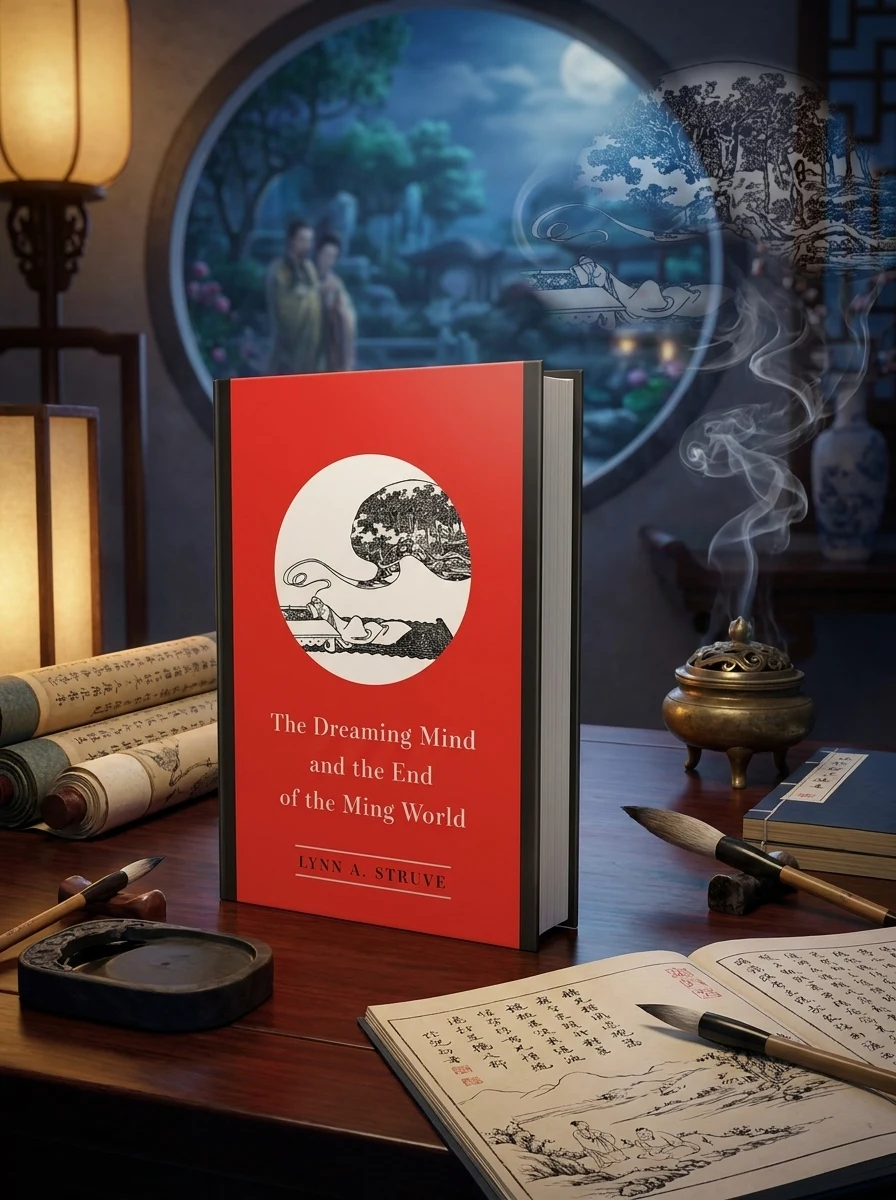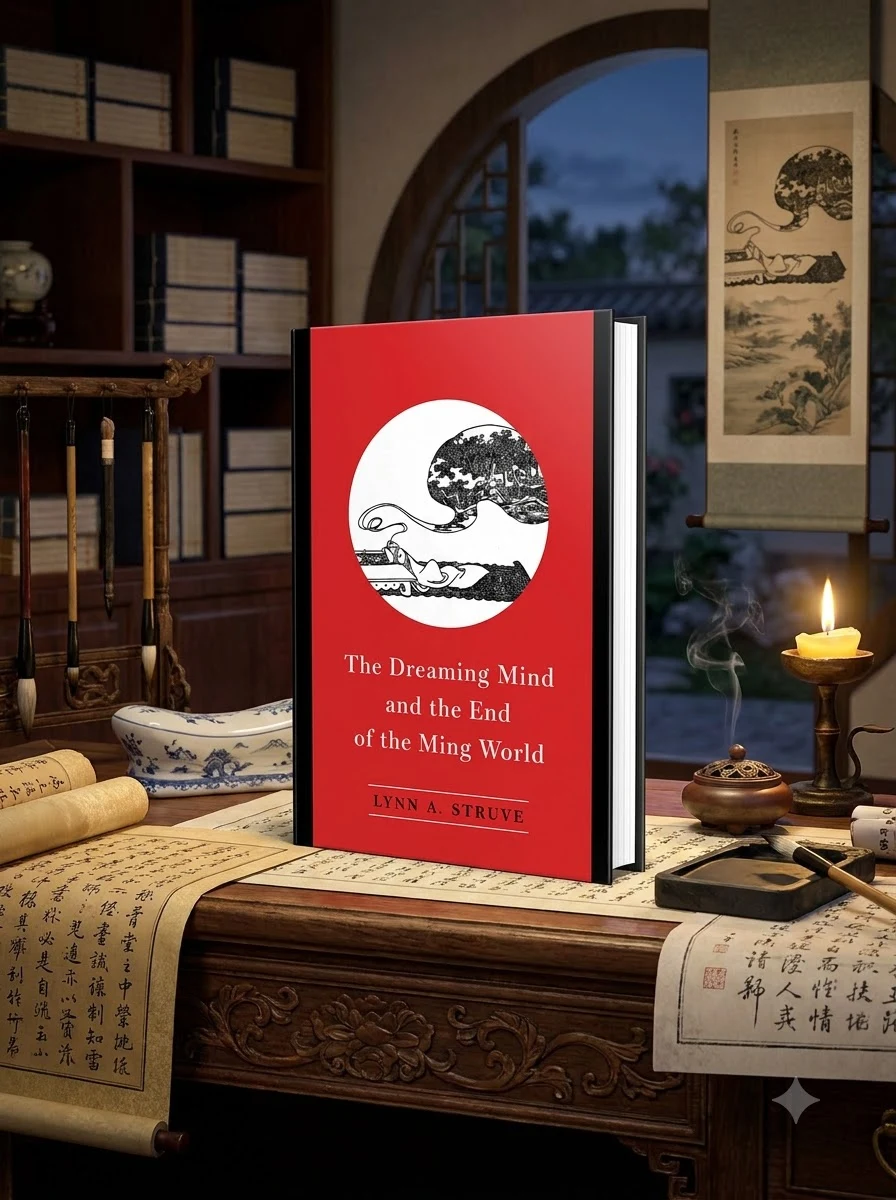
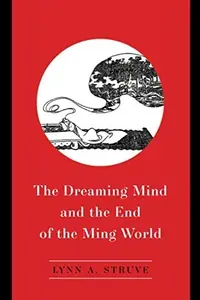
The Dreaming Mind and the End of the Ming World
Struve, Lynn A

This edition can be ordered. No arrival date is confirmed.
Uncover the forgotten dreamscapes of Imperial China during a period of profound transformation.
During the tumultuous transition from the Ming to the Qing dynasties, Chinese intellectuals displayed an unprecedented fascination with dreams, exploring their depths across an astonishing array of literary and artistic forms. This insightful cultural history meticulously charts this "dream arc," revealing how prominent thinkers, spiritual figures, writers, artists, and even political actors engaged with the nocturnal realm. By examining these diverse expressions, the work illuminates how societal upheaval amplified the intrinsic human intrigue with dreams' subjectivity, irrationality, and emotional resonance, offering a profound glimpse into a unique chapter of human consciousness.
This work situates itself within the rich tapestry of Chinese intellectual history, specifically examining the cultural shifts during the dynastic transition from Ming to Qing. It explores how this period of profound societal upheaval catalyzed an unprecedented engagement with dreams across various artistic and literary forms.


📝 Description: The Dreaming Mind and the End of the Ming World
💎 Expert review
📖 Why choose it
Why this book is worth reading
You will gain from this book if you possess a deep curiosity about the intersection of psychology, history, and art in non-Western contexts. This text offers a unique lens through which to view how major historical crises reshape human consciousness and creative expression. By tracing the 'dream arc' of Imperial China's elite, it reveals how thinkers and artists used the nocturnal realm to process irrationality and emotional resonance during times of political instability. It is essential for those seeking to understand the subjective dimensions of historical change and the universal allure of the dream state as a mirror for societal transformation.
⭐ Reader reviews
Reader rating
This insightful cultural history meticulously charts the fascination with dreams among Chinese intellectuals during the Ming-Qing transition. While it offers profound glimpses into human consciousness, it is strictly an academic exploration of literary and artistic forms rather than a guide to astral projection. Readers seeking practical dream interpretation techniques or esoteric occult practices will find little utility here. The text demands patience for its historical analysis, making it unsuitable for those preferring narrative-driven storytelling or quick, accessible summaries of occult topics. It is best suited for scholars and serious enthusiasts of cultural history.
❓ Frequently asked questions
📖 Who should read this
If you're drawn to the intricate tapestry of Chinese intellectual history, the mysteries of the dreaming mind, or the power of cultural shifts to shape human perception, this book offers a singular journey. It invites you to explore how an entire society grappled with the unconscious.
🎯 Key themes and symbolism
Ming Dynasty Dream Surge
This work masterfully chronicles the extraordinary flourishing of dream interest among Chinese intellectuals from the mid-16th to late 17th centuries. It delves into why this specific era witnessed an unparalleled engagement with nocturnal visions, exploring the diverse genres and practices through which dreams were expressed and interpreted during a time of immense societal change.
Consciousness and the Unbidden
The author posits that the inherent qualities of dreaming—its spontaneity, emotional depth, and often uncontrollable nature—become particularly compelling during periods of historical flux. This book explores how these aspects of the dreaming mind resonated with late Ming society, contributing to a deeper understanding of human consciousness and its cultural expressions during times of uncertainty.
Dreams as Cultural Lens
Far from a mere collection of dream anecdotes, this study uses the pervasive interest in dreams as a unique prism to understand the broader cultural and intellectual currents of the late Ming and early Qing periods. It demonstrates how dream narratives and interpretations offer invaluable insights into the anxieties, beliefs, and evolving self-perceptions of a society in transition.
💬 Quotes from the book
“The unbidden imagery of sleep, often dismissed as mere phantasmagoria, became for the late Ming intellectual a fertile ground for philosophical inquiry, poetic expression, and even political commentary, reflecting an era's deepest anxieties and aspirations.”
“When the external world fractures, the internal landscape often surges forth with unprecedented vigor. The dreams of this turbulent age were not simply personal reveries but echoes of a collective consciousness grappling with dissolution and reinvention.”
📜 Historical context
📚 Glossary
- Ming Dynasty
- Late Ming/Early Qing
- Cultural History
📔 Questions to reflect on
- Consider how your own society's understanding of dreams might reflect its current anxieties or aspirations. What societal shifts influence how we view the unconscious?
- If you were a scholar in the late Ming period, how might you have used your dreams as a lens to understand the changing world around you? What forms of expression might you have chosen?
- Reflect on the concept of the "unbidden" in dreams. How does our modern scientific understanding of the brain at sleep compare to historical or cultural interpretations of dream spontaneity and irrationality?
✍️ More books by this author Struve, Lynn A
All books by this author →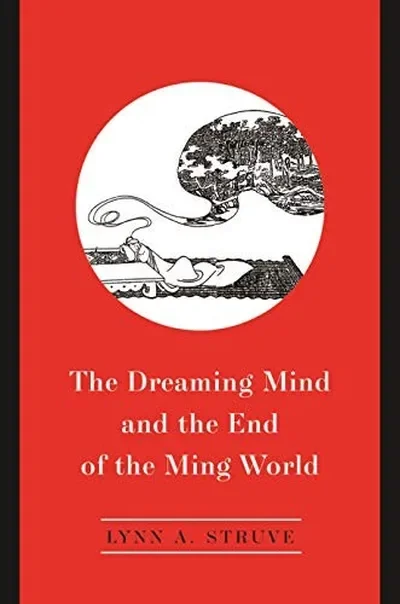
🏛 Books from this publisher University of Hawaii Press
All books from this publisher →


You might also like
See more →