
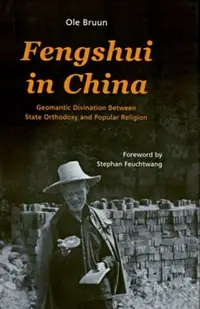
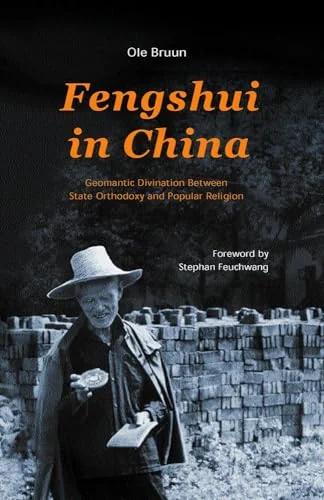
Fengshui in China: Geomantic Divination Between State Orthodoxy and Popular Religion
Bruun, OleThis edition can be ordered. No arrival date is confirmed.
Explore the hidden currents of geomancy, shaping China from imperial courts to common homes.
This compelling academic study delves into the intricate practice of fengshui in China, meticulously charting its multifaceted role across various societal strata. Moving beyond popular, superficial manuals, it offers a rigorous exploration of geomancy's historical evolution and its complex relationship with both state-sanctioned beliefs and the spiritual lives of ordinary people. Bruun reveals how this ancient art of auspicious alignment has been interpreted, utilized, and sometimes contested, providing a nuanced understanding of its enduring influence on Chinese culture and spirituality, not just as a design principle, but as a dynamic cultural phenomenon.
This work situates Fengshui within the historical and sociological framework of Chinese geomancy, examining its evolution as a practice bridging imperial orthodoxy and popular religious life. It serves as an academic counterpoint to superficial commercial guides, grounding the art in rigorous cultural study rather than mere aesthetic application.


📝 Description: Fengshui in China: Geomantic Divination Between State Orthodoxy and Popular Religion
💎 Expert review
📖 Why choose it
Why this book is worth reading
Scholars and serious practitioners of Chinese metaphysics will find this text invaluable for its depth and nuance. Unlike commercial manuals that offer simplistic rules, Bruun provides a rigorous academic exploration of how geomancy functioned across societal strata. Readers seeking to understand the complex relationship between state-sanctioned beliefs and the spiritual lives of ordinary people will gain a profound appreciation for Fengshui as a dynamic cultural phenomenon. It is essential for those who wish to move beyond superficial design principles and grasp the enduring influence of auspicious alignment on Chinese culture, offering a scholarly foundation that respects the tradition's historical evolution and contested interpretations.
⭐ Reader reviews
Reader rating
This compelling academic study offers a meticulous charting of Fengshui’s role in China, moving well beyond popular, superficial manuals. Bruun reveals how this ancient art has been interpreted and utilized by both imperial courts and common homes, providing a nuanced understanding of its spiritual significance. However, readers seeking quick, actionable advice for home decor will find little utility here. The text is dense with historical analysis rather than practical instruction. It is strictly for those interested in the sociological and historical dimensions of esoteric practices. Casual enthusiasts may find the lack of immediate application frustrating, as this is a serious exploration of geomancy as a complex cultural phenomenon rather than a user-friendly guide to placement.
❓ Frequently asked questions
📖 Who should read this
If you seek a deeper, academic understanding of fengshui beyond commercialized guides, this book is for you. It's essential reading for those interested in Chinese religious history, the sociology of belief systems, or the intricate interplay between popular practices and state power.
🎯 Key themes and symbolism
Everyday Geomantic Beliefs
Beyond governmental decrees, the text illuminates fengshui's profound impact on the daily lives and spiritual worldviews of ordinary Chinese citizens. It examines how individuals embraced geomancy for personal well-being, prosperity, and harmony, showcasing its role as a deeply rooted aspect of popular religious expression and cultural identity.
Enduring Cultural Influence
Tracing the long history of geomancy, the book highlights its continuous adaptation and transformation within Chinese society. It offers a scholarly lens on how fengshui has persisted through centuries, influencing everything from urban planning to personal destiny, demonstrating its significant and often underestimated role in shaping cultural norms.
💬 Quotes from the book
“The persistent tension between local geomantic practices and centralized imperial authority illuminates a dynamic interplay foundational to Chinese social cohesion.”
“Far from a monolithic system, fengshui manifested in diverse forms, its interpretations often tailored to specific regional traditions and socio-economic strata.”
📜 Historical context
📚 Glossary
- Fengshui
- Geomancy
- State Orthodoxy
📔 Questions to reflect on
- How do contemporary Western interpretations of fengshui diverge from or align with its historical and cultural role in China as presented in this text?
- In what ways do modern societies, even secular ones, exhibit similar "geomantic" tendencies in urban planning or personal space arrangement, consciously or unconsciously?
- Considering the interplay between state orthodoxy and popular religion, how might official narratives today still subtly influence or attempt to control individual spiritual practices?
✍️ More books by this author Bruun, Ole
All books by this author →
🏛 Books from this publisher University of Hawaii Press
All books from this publisher →



You might also like
See more →


 91
91