People approach tarot cards for many different reasons. Some want to understand the images in a first deck, some want a clear structure for readings, and others are interested in tarot as a symbolic practice connected with psychology, spirituality, and self-reflection.
A useful tarot library does more than provide short definitions for individual cards. Strong resources explain the relationships between symbols, card groups, spreads, and personal interpretation. Many traditions connect tarot with esoteric studies, while other practitioners use the cards as a reflective tool for exploring questions and possibilities.
The books below represent several approaches, from introductory guides and classic systems to works focused on symbolism, personal growth, mythology, and specialized reading methods. Together, they provide a broad foundation for studying tarot cards.
Start with the foundations of tarot cards
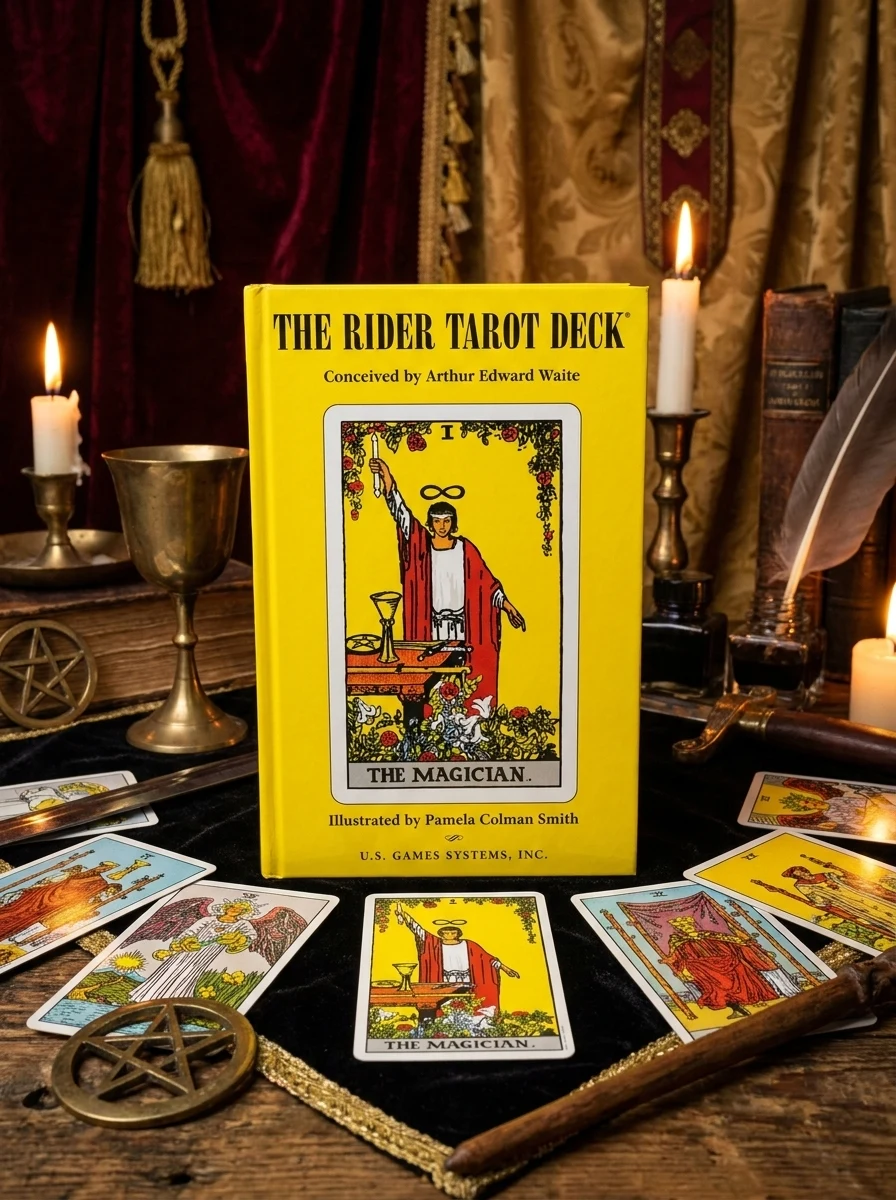
1. Rider-Waite(r) Tarot -- Premier Edition: 78 Cards and Instruction Booklet of Tarot Meanings and Esoteric Symbolism, Essential for Tarot Beginners & Ex — Edward Waite, Arthur
This edition introduces the traditional 78-card structure and the symbolic language associated with the Rider-Waite tradition. The included instruction booklet makes it a practical starting point for learning common meanings and developing familiarity with a tarot deck.
For someone beginning with tarot cards, understanding the relationship between imagery and interpretation is a central step. This set offers a direct introduction to the card system that has influenced many later tarot resources.
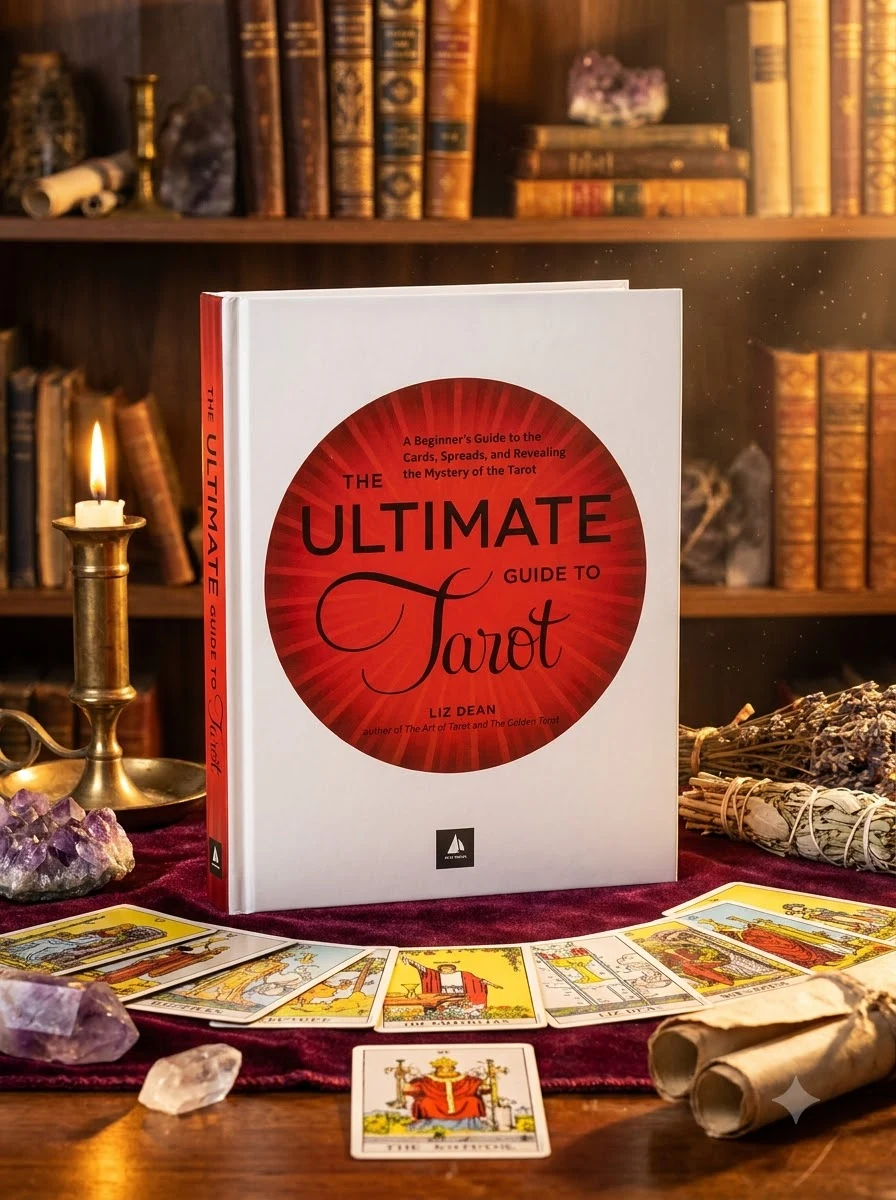
2. The Ultimate Guide to Tarot: A Beginner's Guide to the Cards, Spreads, and Revealing the Mystery of the Tarot — Liz Dean
Liz Dean’s guide focuses on card meanings, spreads, and the process of creating readings. It is designed for newcomers who want a structured explanation of how individual cards work together within a larger reading.
The book can help students move from memorizing definitions toward forming connections between symbols, questions, and layouts. It presents tarot as a system that develops through practice and observation.
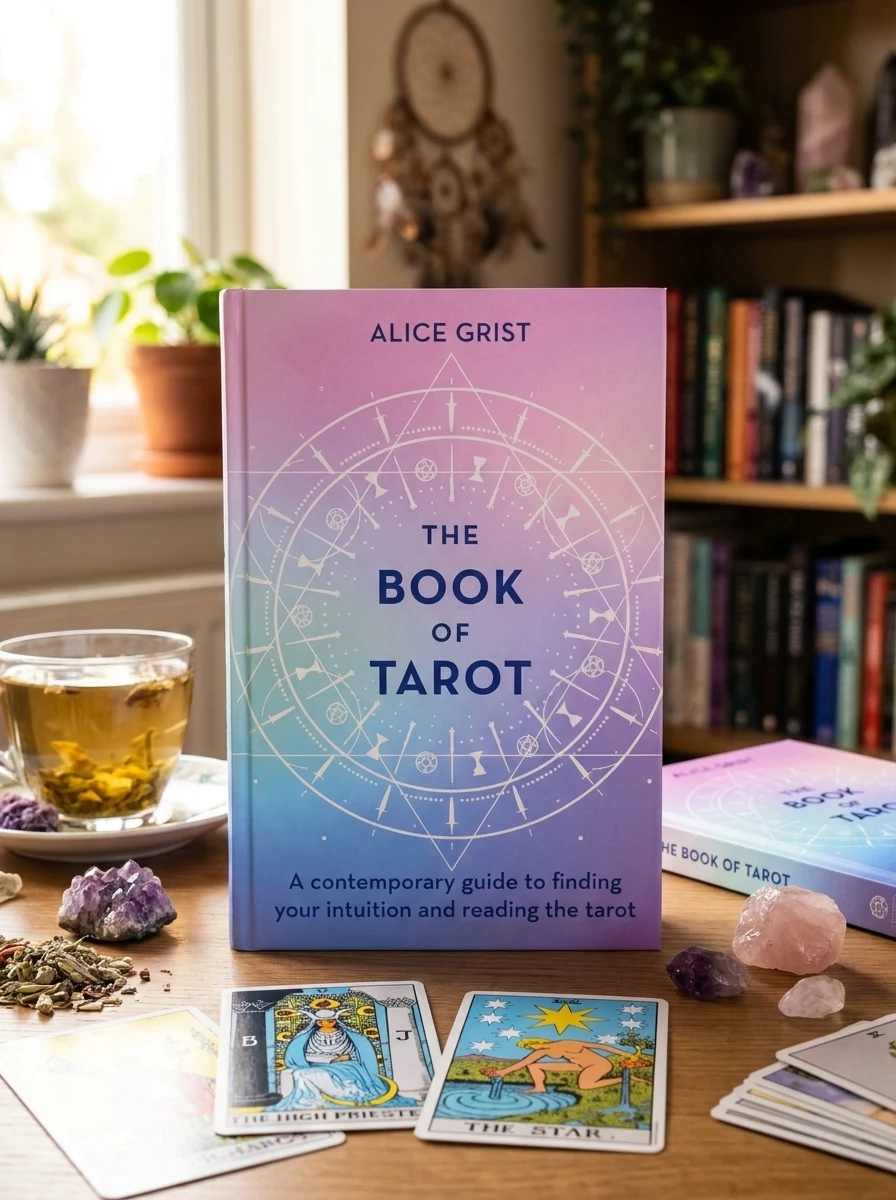
3. The Book of Tarot: A Contemporary Guide to Finding Your Intuition and Reading the Tarot — Alice Grist
Alice Grist’s book presents tarot through a contemporary perspective that combines learning card meanings with intuitive engagement. It suits readers who want a modern introduction while still building a foundation in traditional reading practices.
This approach may appeal to those who see tarot cards as a way to reflect on ideas, emotions, and personal experiences rather than only as a method of prediction.
Develop interpretation skills with symbolism and technique
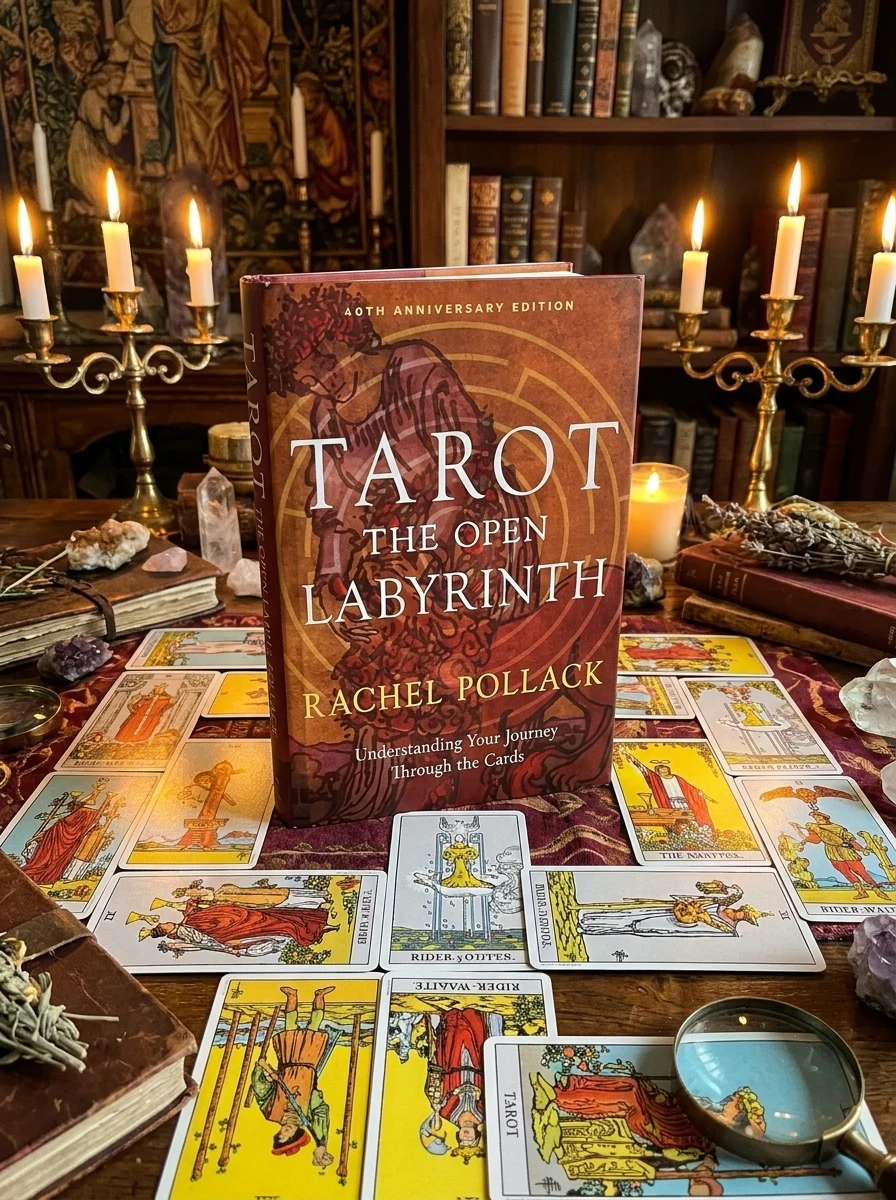
4. Tarot: The Open Labyrinth--40th Anniversary Edition: Understanding Your Journey Through the Cards — Rachel Pollack, Zoe Matoff, Mat Auryn
This edition explores tarot through philosophical and symbolic perspectives. It is suited to readers who have moved beyond basic card recognition and want to examine the meanings, patterns, and ideas that can appear within a reading.
Rachel Pollack’s work is associated with thoughtful interpretation and a careful examination of tarot imagery. This book supports students who want to consider the cards as a complex symbolic language.
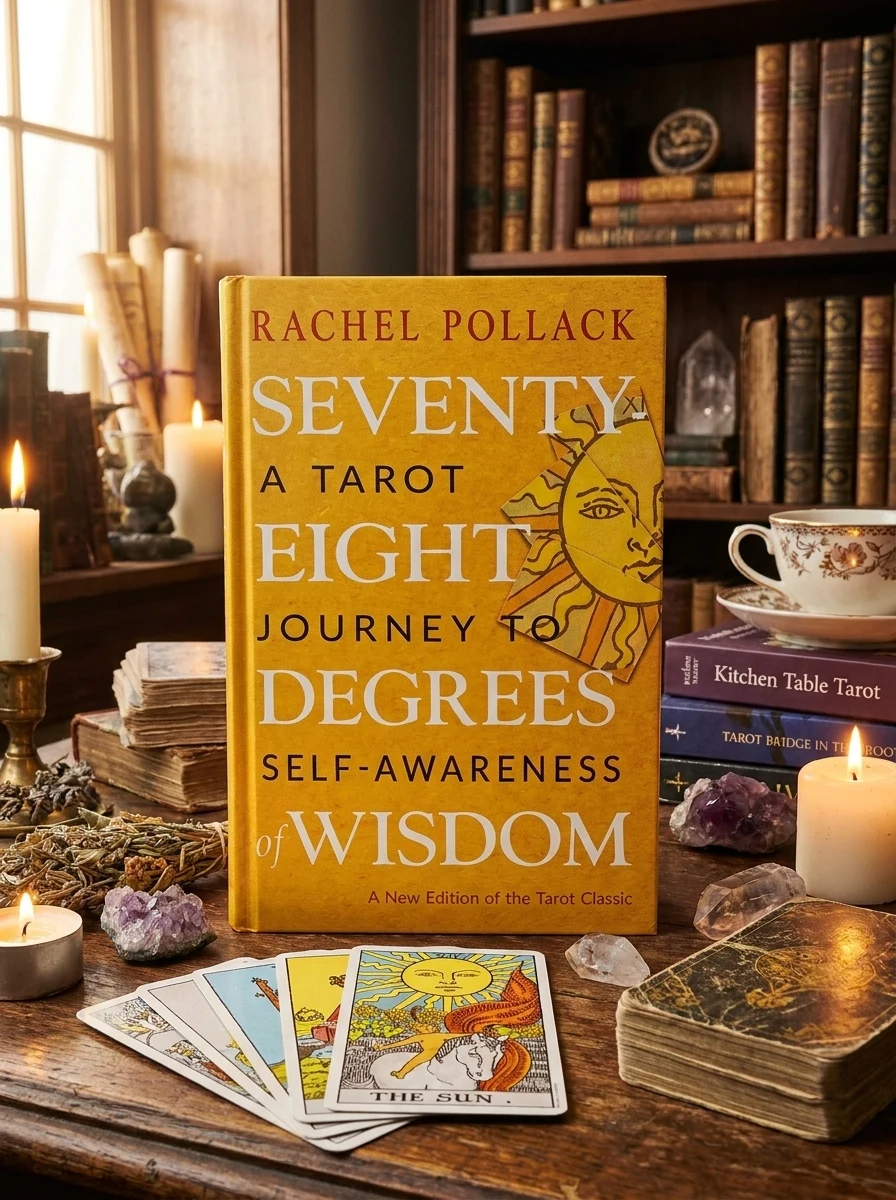
5. Seventy-Eight Degrees of Wisdom: A Tarot Journey to Self-Awareness (a New Edition of the Tarot Classic) (Third Edition, Revised) — Rachel Pollack
This tarot classic examines the cards through symbolism, interpretation, and self-awareness. It is intended for dedicated students who want a thoughtful study of tarot beyond a simple list of meanings.
The book offers a framework for considering the major and minor arcana as connected parts of a larger system. Readers interested in reflective approaches may find this perspective useful for developing their own interpretations.
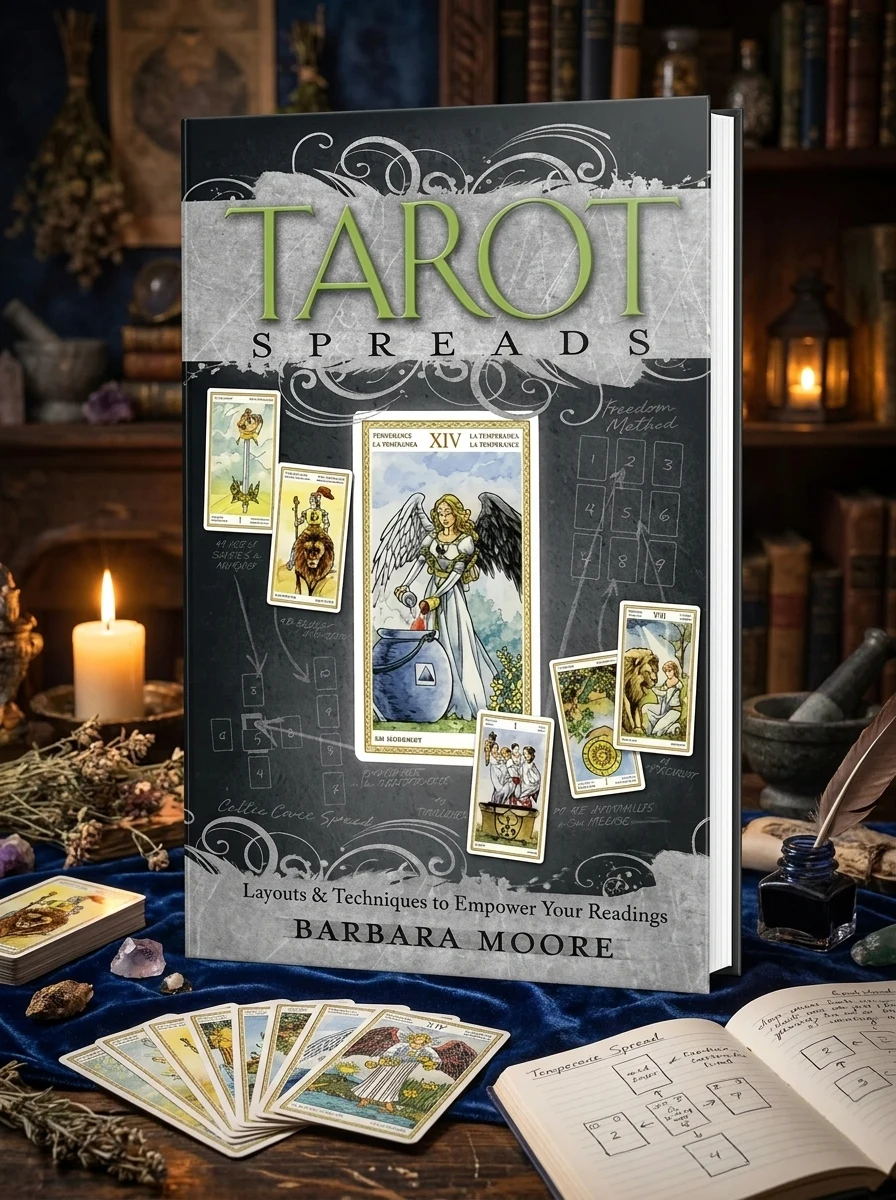
6. Tarot Spreads: Layouts & Techniques to Empower Your Readings — Barbara Moore
Barbara Moore’s guide focuses on the practical structure of readings. It explores layouts and techniques that help readers organize questions and interpret relationships between multiple cards.
For students who understand individual card meanings but want to improve the way they arrange and interpret a reading, this book provides a focused study of spreads and reading methods.
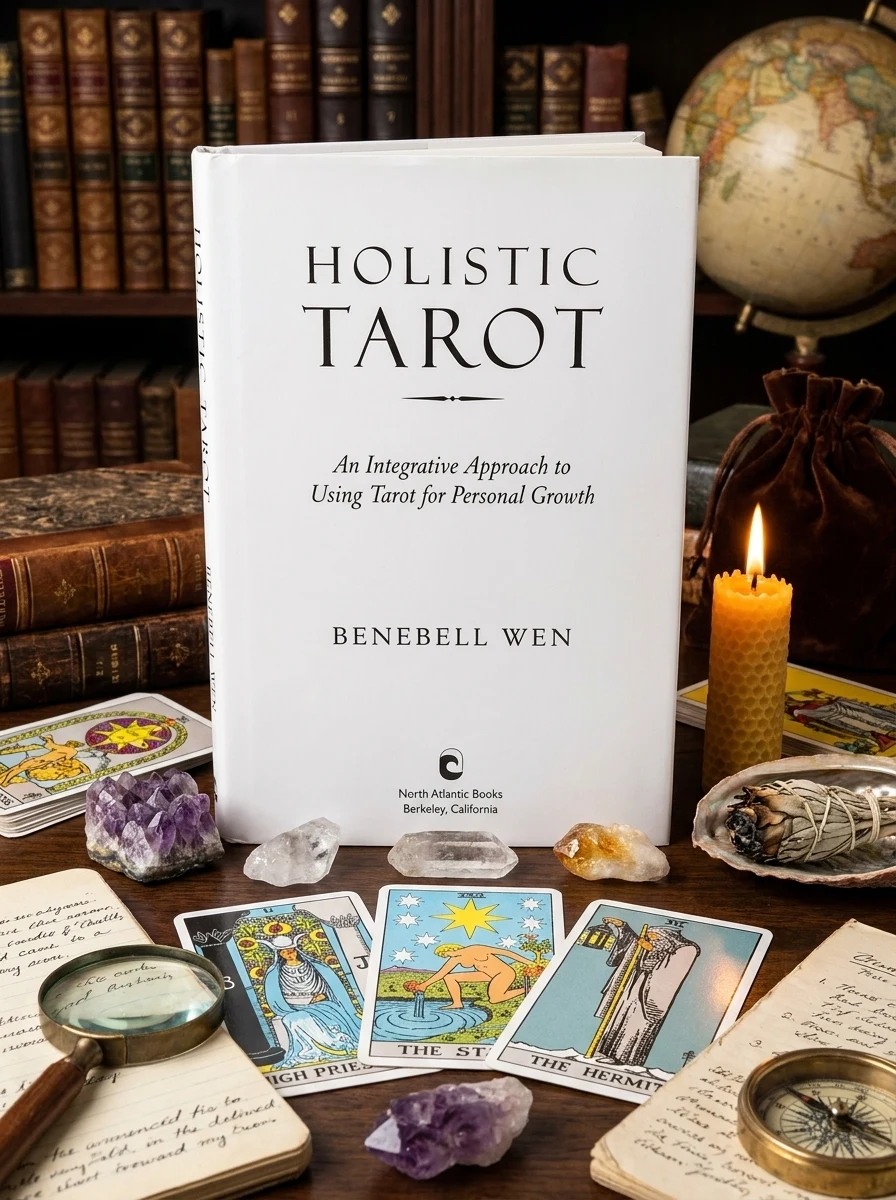
7. Holistic Tarot: An Integrative Approach to Using Tarot for Personal Growth — Benebell Wen
This comprehensive work presents tarot as a tool for personal development and reflective practice. It is suited to readers interested in symbolism, psychology, and a detailed approach to studying tarot cards.
The book connects different aspects of tarot study, making it a substantial resource for people who want a broad framework for continued learning.
Explore creative and specialized tarot approaches
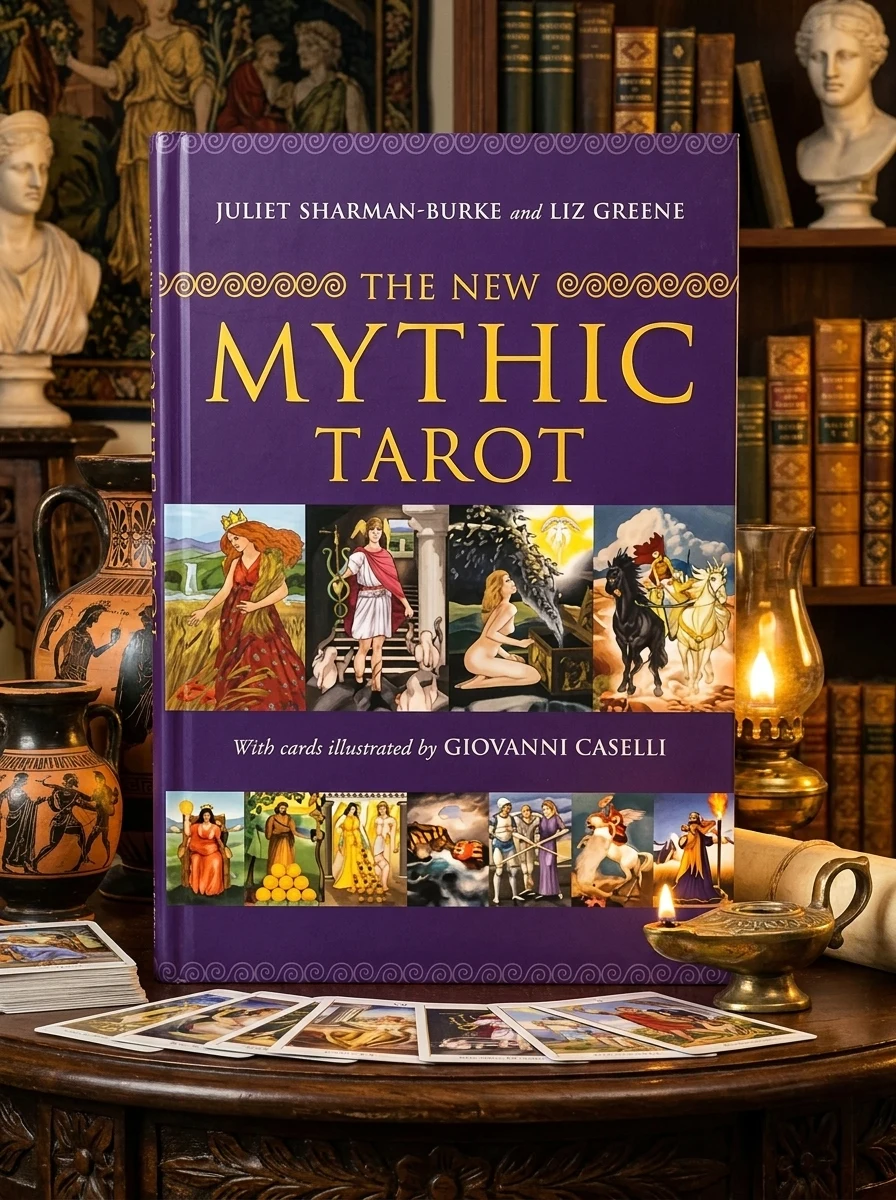
8. The New Mythic Tarot [With Paperback Book] — Juliet Sharman-Burke, Liz Greene, Giovanni Caselli
This tarot system connects card imagery with classical mythology. It is a strong choice for readers drawn to archetypes, storytelling, and symbolic interpretation.
Mythological themes can provide another way to approach the cards, helping students consider characters, themes, and recurring human experiences represented through imagery.
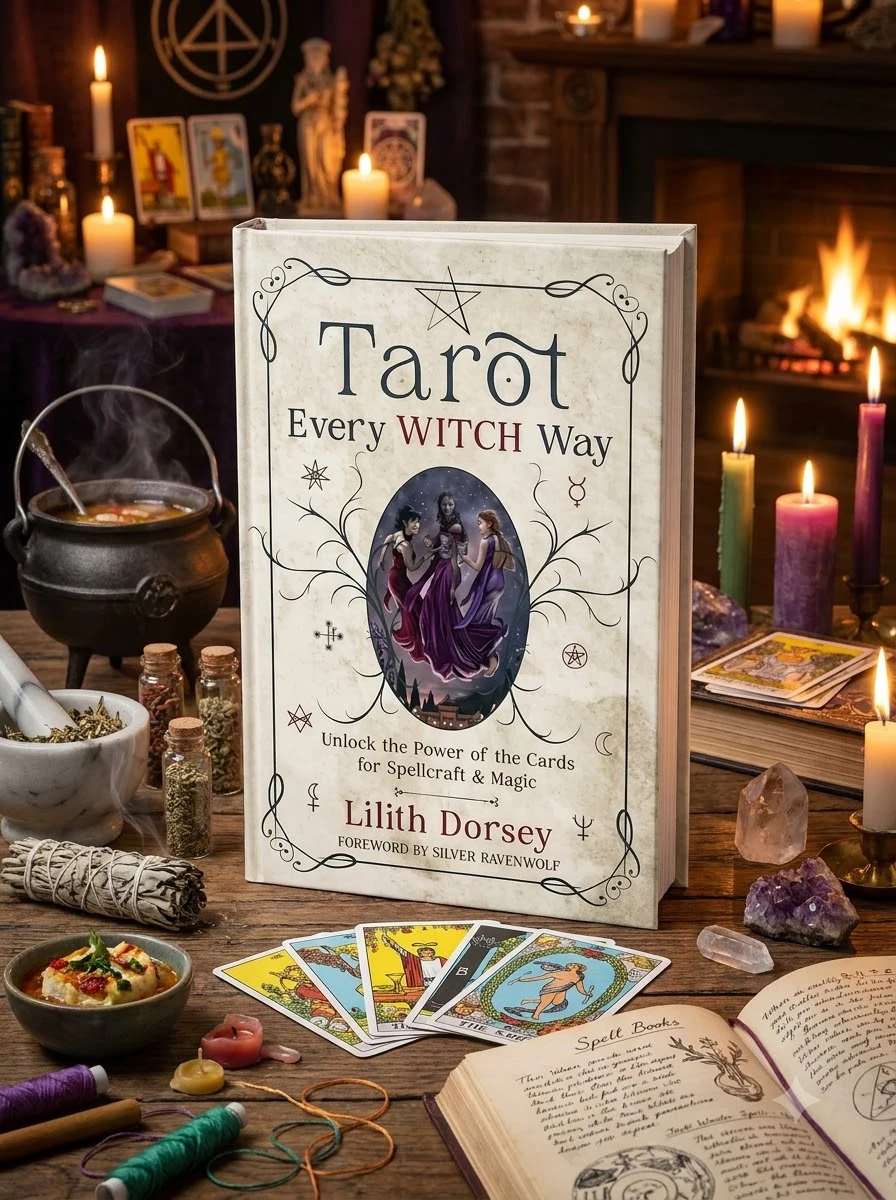
9. Tarot Every Witch Way: Unlock the Power of the Cards for Spellcraft & Magic — Lilith Dorsey, Silver Ravenwolf
This book approaches tarot from a witchcraft perspective, combining card work with magical practice. It is intended for readers who already have an interest in esoteric traditions and want to explore tarot alongside spellcraft.
Its focus differs from purely historical or psychological approaches by placing tarot within a magical framework. Readers can compare this perspective with other methods to understand the range of tarot practices.
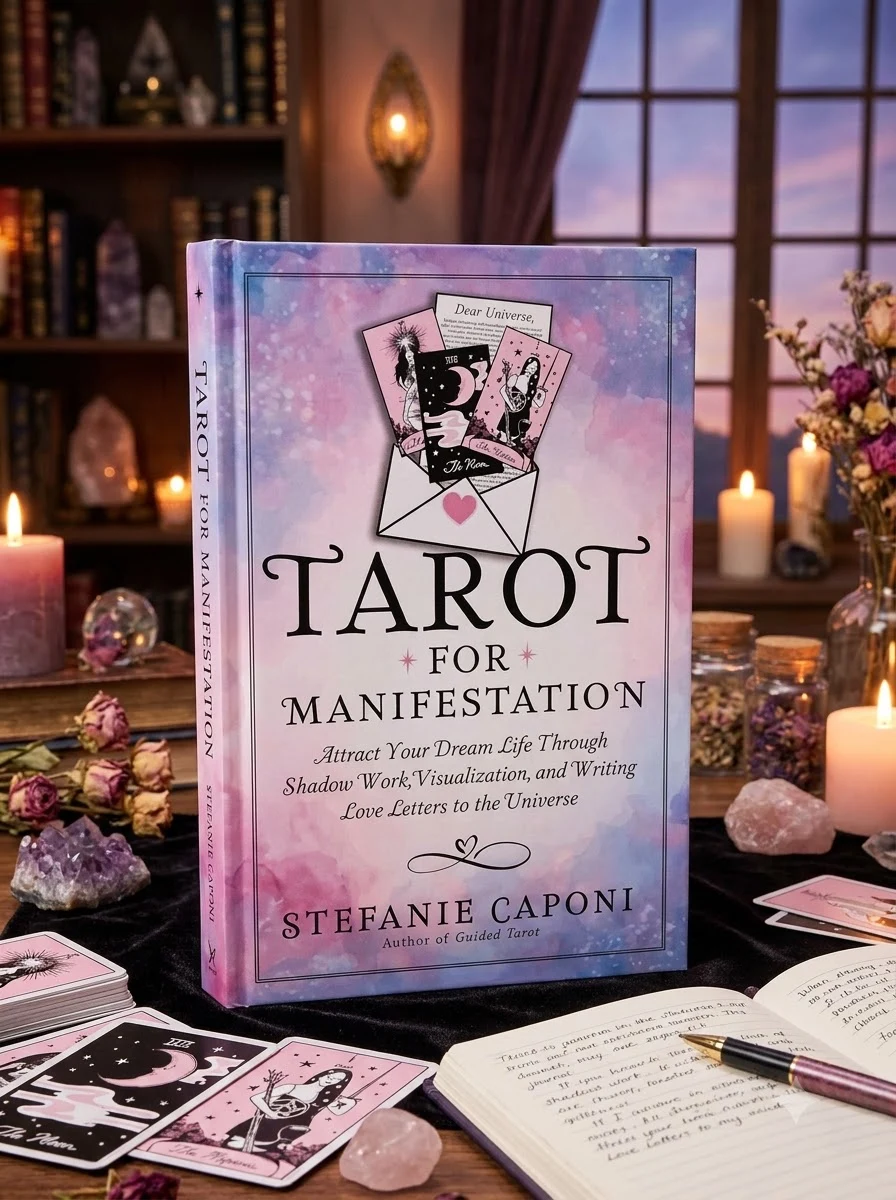
10. Tarot for Manifestation: Attract Your Dream Life Through Shadow Work, Visualization, and Writing Love Letters to the Universe — Stefanie Caponi
Stefanie Caponi’s book combines tarot with reflection exercises, visualization, and intention-setting. It fits readers who use cards as a creative method for examining goals, emotions, and personal direction.
This approach highlights the personal side of tarot practice, where cards can serve as prompts for considering choices, values, and possible changes.
Choosing a tarot cards book for your interests
The right tarot book depends on your current goals and preferred style of study. A first-time student may benefit from a guide that explains the 78-card structure, common symbols, and simple spreads. Foundational resources such as the Rider-Waite edition and Liz Dean’s guide provide clear entry points.
Readers seeking more advanced interpretation can explore works by Rachel Pollack or Benebell Wen. These books examine tarot through symbolism, personal reflection, and broader systems of meaning. Those focused on practical reading improvement may prefer a dedicated spreads guide.
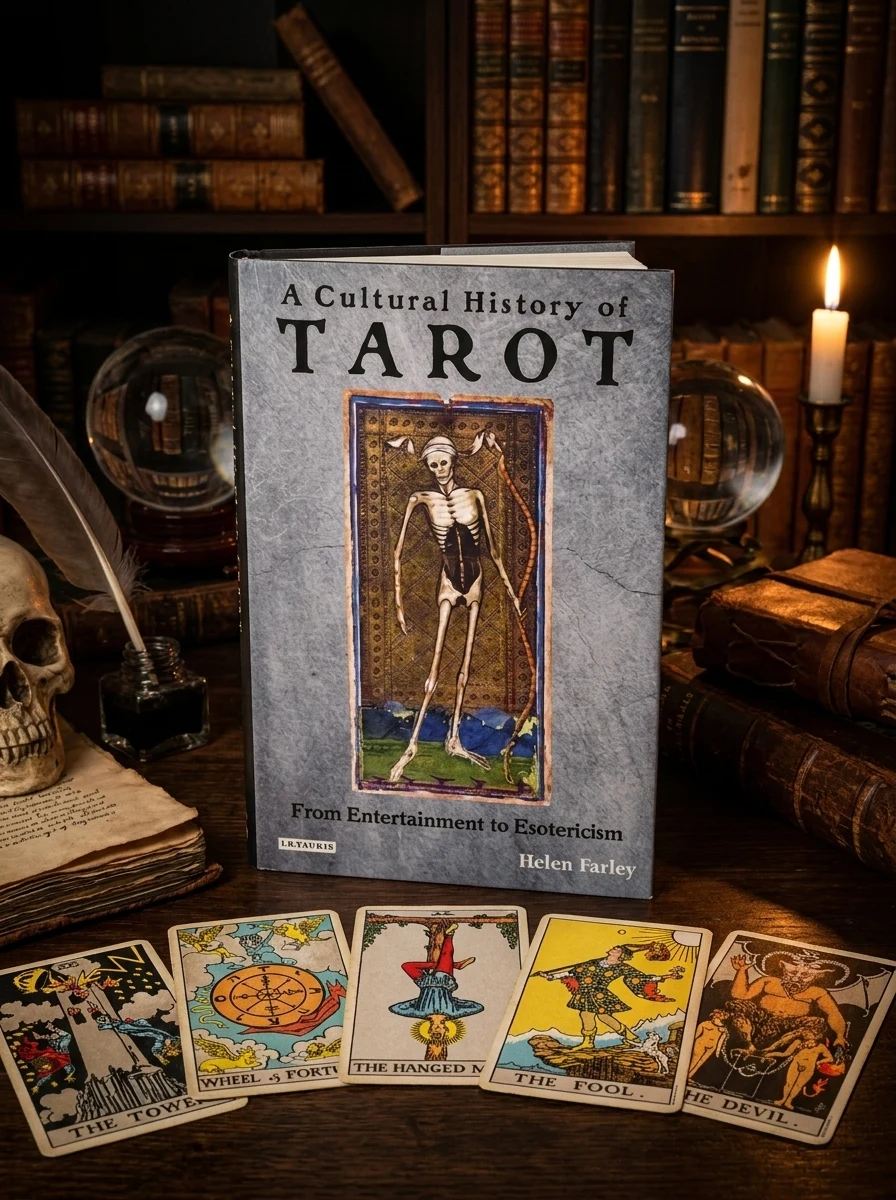
Some students are interested in the history and cultural development of tarot cards. A Cultural History of Tarot: From Entertainment to Esotericism — Helen Farley provides historical context for readers who want to study how tarot has changed across different periods and interpretations.
Other readers may prefer specialized themes, including mythology, magic, or intuitive practice. A growing tarot collection can include different perspectives, allowing students to compare methods and discover the approaches that best support their own practice.
Frequently asked questions about tarot cards
Tarot cards can be studied in many ways, and different books emphasize different traditions. The following questions cover common starting points for new students.
What are tarot cards used for?
Tarot cards are used by many practitioners for divination, symbolic reflection, meditation, creative exploration, and personal insight. Different readers approach them according to their own beliefs and practices.
What should someone learn first when studying tarot?
Many students begin with card structure, common symbols, basic meanings, and simple spreads. After learning these foundations, they may explore areas such as psychology, mythology, or magical traditions.
How many cards are in a traditional tarot deck?
A traditional tarot deck contains 78 cards divided into the major arcana and minor arcana. Many introductory tarot books explain how these groups relate to interpretation.