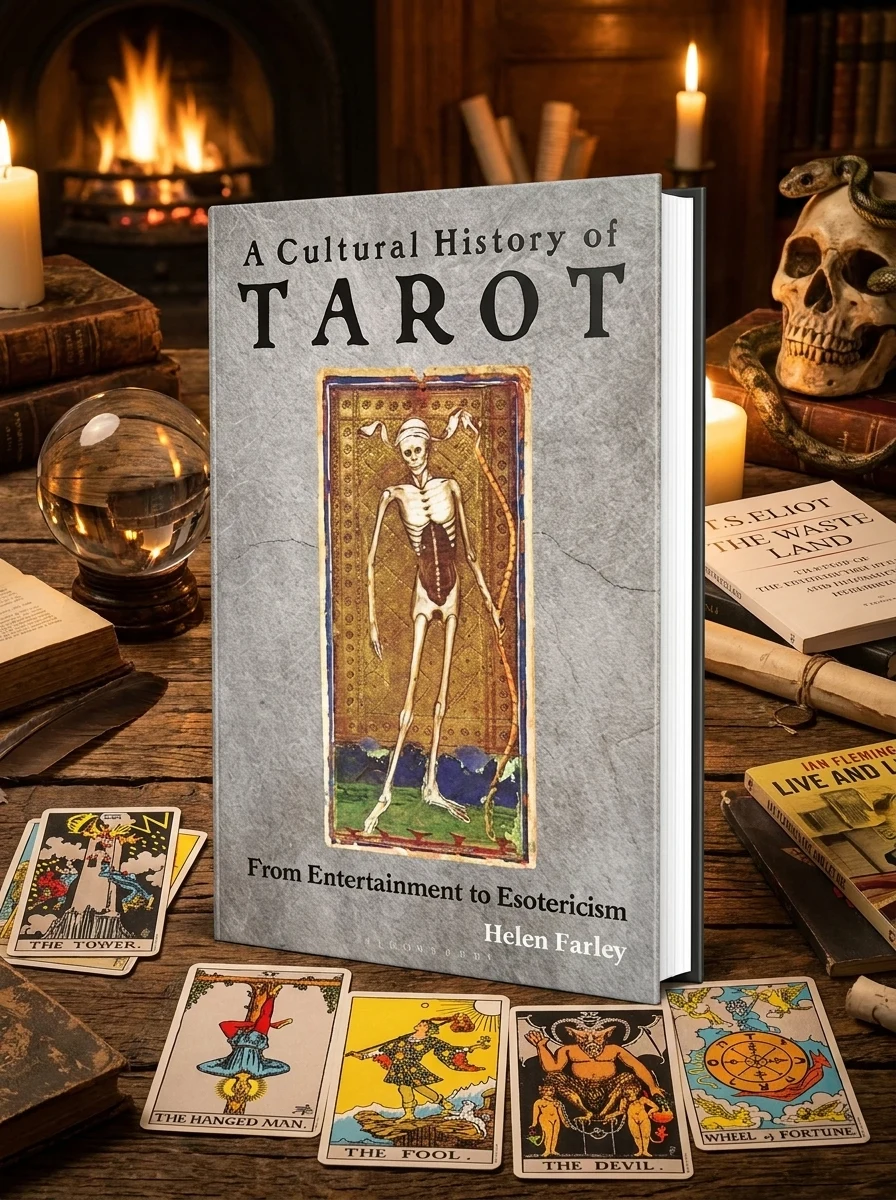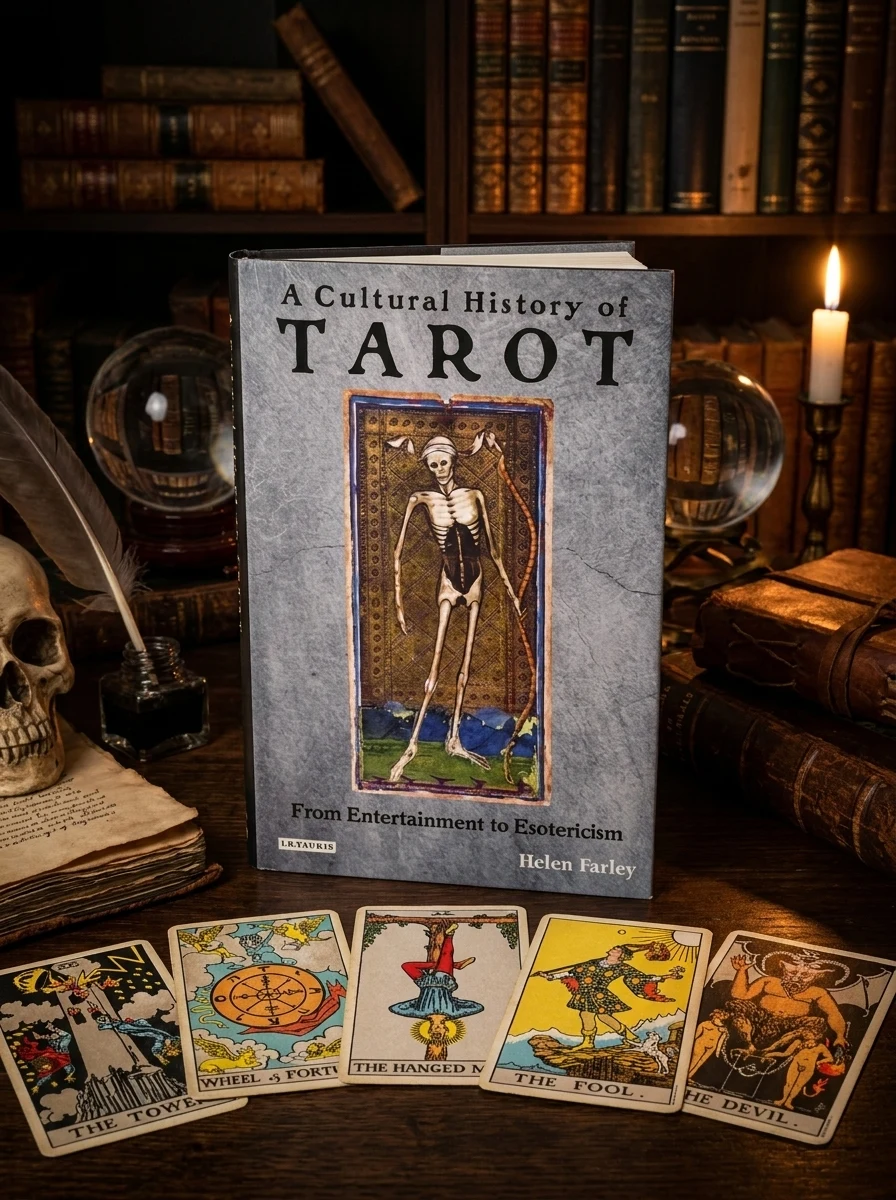
A Cultural History of Tarot: From Entertainment to Esotericism
✍️ Farley, HelenHelen Farley's groundbreaking work meticulously traces the tarot's remarkable evolution, from its origins as a recreational card game for Italian nobility during the Renaissance to its pervasive status today as a powerful tool for self-discovery and divination. This comprehensive cultural history unveils how the enigmatic imagery of cards like The Fool and Death transcended their initial purpose, later intertwining with occult traditions in the 18th and 19th centuries. Farley explores the tarot's widespread influence, from literary references to its adoption by New Age practitioners, offering an unparalleled look at its profound impact on human culture.


Praise for this book
“[Farley's] analysis of an extensive range of sources, including pseudo-academic and esoteric materials, as well as her clear and enjoyable style of writing, ensures that the book can be appreciated by anyone with an interest in tarot ... [An] essential resource for understanding the multifaceted journey of tarot cards through time and across cultures.”
📝 Description: A Cultural History of Tarot: From Entertainment to Esotericism
💎 Expert review
📖 Why choose it
Why this book is worth reading
Readers fascinated by the intersection of art, history, and spirituality will find this volume indispensable. Helen Farley guides you through tarot’s surprising transition from a noble pastime to a profound tool for self-discovery. If you have ever wondered why these specific images resonate so deeply with the human psyche, this book provides the essential context. It is perfect for those who appreciate rigorous academic inquiry but crave accessible storytelling. You will gain a richer appreciation for the cards’ imagery and understand how they became intertwined with occult traditions. This text transforms your understanding of tarot from mere fortune-telling into a complex cultural mirror reflecting mind, body, and spirit.
⭐ Reader reviews
Reader rating
Farley offers a meticulous and groundbreaking account of tarot’s evolution, making it a vital resource for serious students of esoteric history. However, readers seeking quick, practical instruction on card meanings or divinatory techniques will likely find this text too abstract. It is not a manual for immediate psychic practice but rather a scholarly exploration of cultural impact. Those interested only in the New Age aspect may find the Renaissance origins tedious. The book demands patience and an interest in historical context over mystical utility. It suits intellectual curiosity but may disappoint those looking for straightforward ritual guidance or simple interpretations without historical baggage.
❓ Frequently asked questions
📖 Who should read this
If you're fascinated by the cultural evolution of symbols, the history of esotericism, or wish to understand the true origins behind the cards you shuffle, this book is for you. It offers a scholarly yet accessible journey into the tarot's multifaceted past.
🎯 Key themes and symbolism
Tarot's Historical Metamorphosis
This book meticulously charts the tarot's fascinating journey from its inception as a simple playing card deck among Italian aristocrats in the Renaissance. It details the gradual shift in perception, demonstrating how a game designed for amusement slowly transformed into a vessel for profound spiritual and diagnostic insights over centuries.
Cultural Resonance of Imagery
Explore how the iconic figures and archetypes within the tarot, such as The Tower or The Hanged Man, have permeated various aspects of culture. From their appearance in classic literature to their use in popular fiction and modern spiritual practices, the book examines the pervasive symbolic power these cards wield.
From Play to Prophecy
The text meticulously details the pivotal shift, primarily in the 18th and 19th centuries, when the tarot shed its purely recreational identity to embrace esoteric interpretations. It highlights how practitioners began to see the deck as a medium for divination, inner exploration, and a diagnostic tool for understanding the mind, body, and spirit.
📜 Historical context
📚 Glossary
- Esotericism
- Divination
- Renaissance
📔 Questions to reflect on
- How might understanding the tarot's original purpose as a game change your perception of its modern use in divination?
- Consider a modern symbol or cultural artifact. How might its meaning evolve over centuries, similar to the tarot?
- If the tarot reflects "mind, body, and spirit," what historical shifts in human consciousness do you think influenced this interpretation?