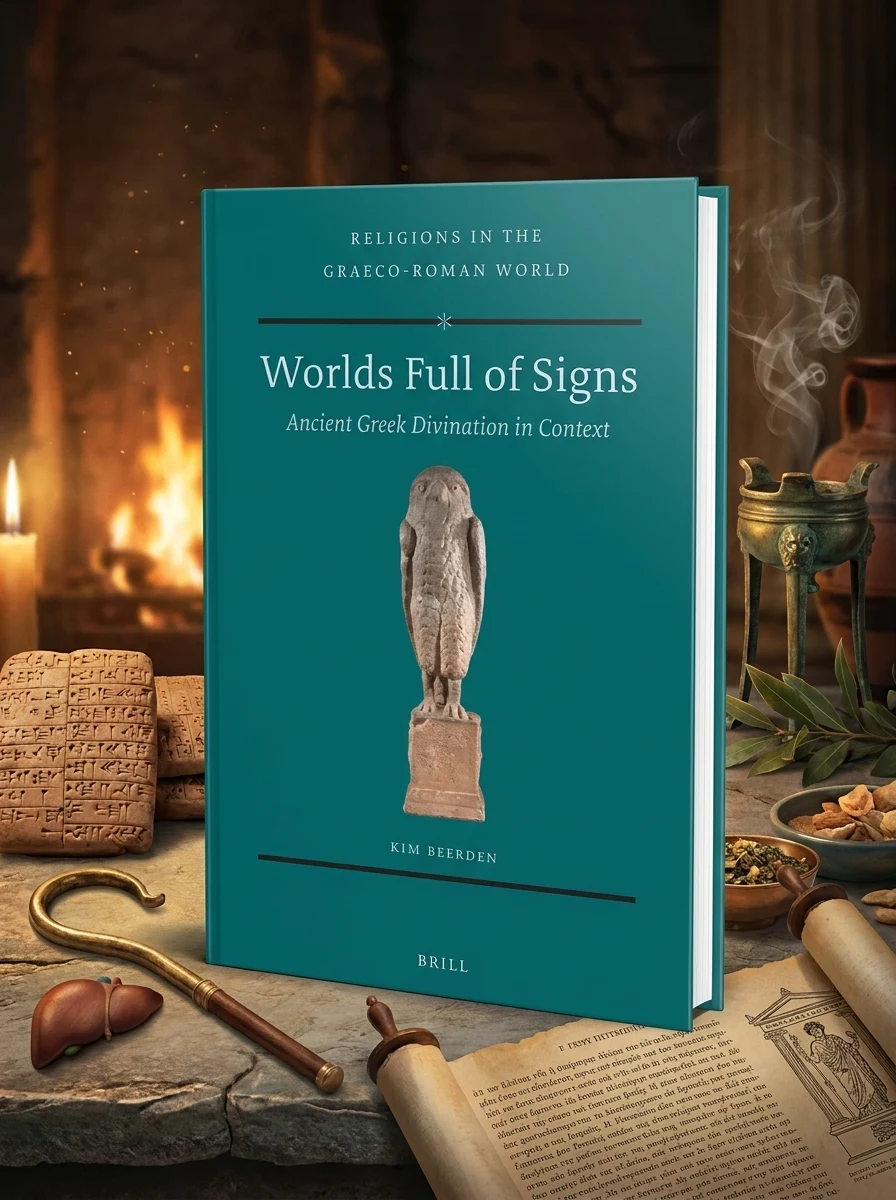
Worlds Full of Signs: Ancient Greek Divination in Context - Ingram Academic Beerden, Kim
Beerden, Kim 90
90
 Editorial score
How we rate
Editorial score
How we rate
Stock reported in the catalog; fulfillment is confirmed with your request.
Uncover the unique tapestry of Greek divination, where every sign whispered secrets of fate.
This insightful study meticulously dissects ancient Greek divinatory practices, contrasting them sharply with the systems of Neo-Assyrian Mesopotamia and Republican Rome. Author Kim Beerden illuminates how Greek methods, unlike their counterparts, embraced remarkable flexibility, less bound by rigid institutions. The book delves into core elements—the sign, the diviner, and textual records—exploring their relationship to perceptions of time and inherent uncertainty. Drawing from diverse historical sources, "Worlds Full of Signs" offers a fresh perspective on what truly set Hellenic prognostications apart.
This scholarly work situates ancient Greek divination within its broader historical framework, contrasting Hellenic practices with those of Neo-Assyrian Mesopotamia and Republican Rome to highlight their unique institutional flexibility.


📝 Description: Worlds Full of Signs: Ancient Greek Divination in Context - Ingram Academic Beerden, Kim
💎 Expert review
📖 Why choose it
Why this book is worth reading
Readers fascinated by the nuanced tapestry of ancient Greek divination will find immense value in this meticulous study. It offers a fresh perspective on how Hellenic prognostications embraced flexibility and uncertainty, distinct from the rigid systems of neighboring cultures. By dissecting core elements like the sign, the diviner, and textual records, the book illuminates the relationship between these practices and perceptions of time. It is ideal for those seeking to understand the subtle secrets whispered by fate in the ancient world, providing a deep, contextual understanding that moves beyond surface-level myths to reveal the structural realities of Greek spiritual life.
⭐ Reader reviews
Reader rating
Beerden’s 'Worlds Full of Signs' provides a rigorous academic dissection of Greek divinatory practices, contrasting them sharply with Neo-Assyrian and Roman systems. It is an essential resource for specialists in ancient history and religious studies who appreciate detailed analysis of institutional flexibility and textual records. However, this work does NOT suit casual readers or those seeking accessible, narrative-driven myths about Greek oracles. The dense academic tone and comparative historical approach may alienate anyone looking for a light, engaging read rather than a scholarly examination of prognostication structures and inherent uncertainty in ancient contexts.
❓ Frequently asked questions
📖 Who should read this
If you're fascinated by the nuances of ancient religious practices, the philosophy of fate, or the comparative study of magical traditions, this book offers a profound exploration. Scholars and curious minds alike will appreciate its rigorous yet accessible analysis of Hellenic foresight.
🎯 Key themes and symbolism
Cross-Cultural Divinatory Systems
This work meticulously contrasts the ancient Greek approach to foresight with the more structured methods found in Neo-Assyrian and Roman societies. It reveals the distinct philosophical underpinnings and practical applications that defined each culture's engagement with the future, highlighting the fundamental uniqueness of Hellenic practices.
Hellenic Interpretive Openness
Unlike the often-rigid systems of its contemporaries, Greek divination is presented as remarkably adaptable. The book explores how this inherent flexibility stemmed from a less institutionalized framework, allowing for diverse interpretations and personal engagement with omens, aligning closely with Greek philosophical views on fate and agency.
Signs, Seers, and Scrolls
Delving into the core components of ancient foresight, this study examines the nature of the "sign" itself, the pivotal role of the "homo divinans" or diviner, and the significance of "textual" records. It explores how these elements intertwined with classical understandings of linear and cyclical time, and the pervasive human struggle with uncertainty.
💬 Quotes from the book
“The institutional scaffolding supporting Roman augury stood in stark contrast to the fluid, often personal, interpretations that characterized much of Hellenic omen-taking.”
“Greek views on temporality, rather than a rigid fatalism, fostered an environment where divination served less as decree and more as a guide through inherent uncertainty.”
📜 Historical context
📚 Glossary
- Homo Divinans
- Neo-Assyrian Mesopotamia
- Republican Rome
📔 Questions to reflect on
- How might a culture's perception of time influence its approach to predicting the future?
- In what ways do modern attempts to foresee future events (e.g., economics, climate) echo or diverge from ancient divinatory methods?
- Considering the role of the "homo divinans," what makes an interpreter of signs trustworthy or influential in any given society?
✍️ More books by this author Beerden, Kim
All books by this author →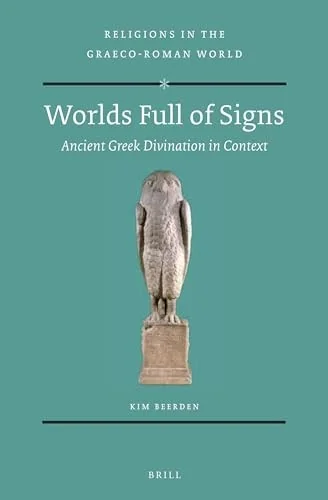
🏛 Books from this publisher Brill
All books from this publisher →



You might also like
See more →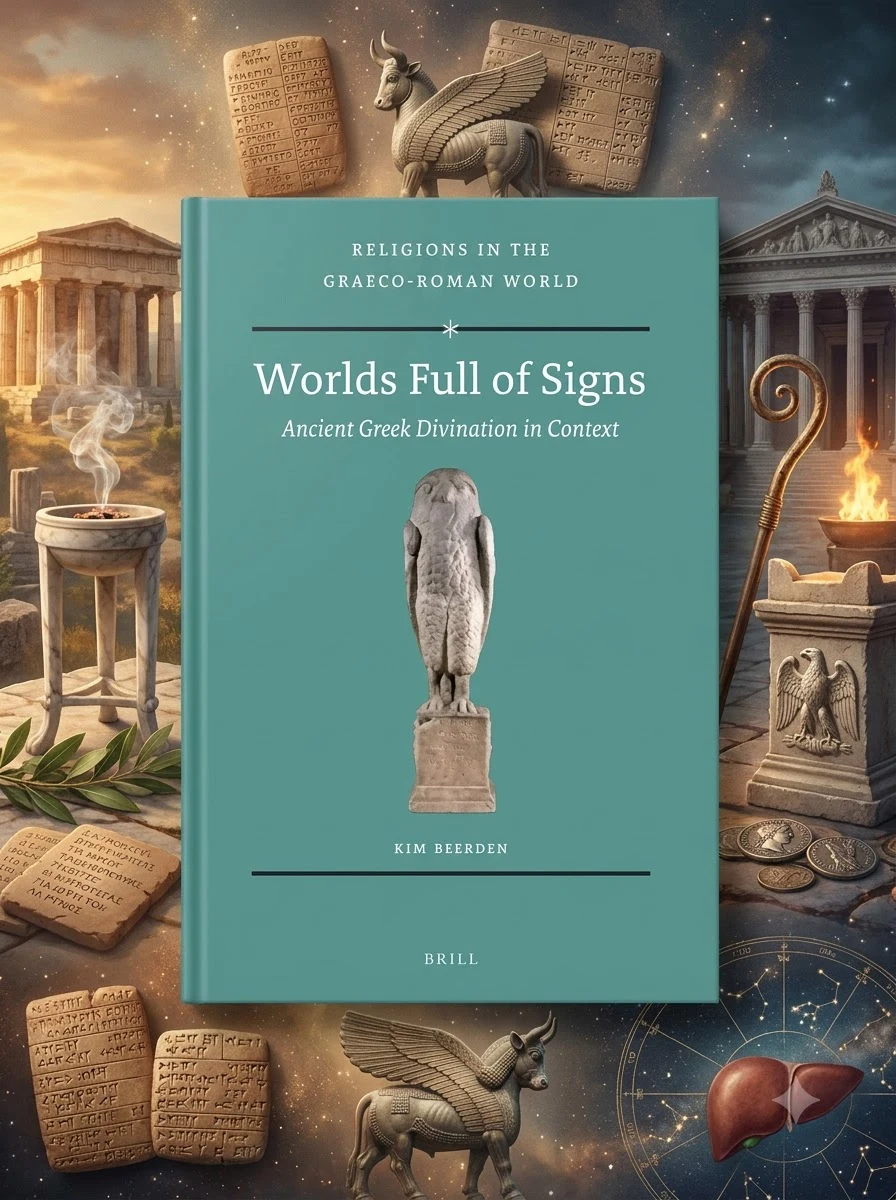


 85
85