You've just unboxed your first tarot deck. The cards are beautiful. The tiny guidebook is... not. It's dense, cryptic, or worse—it assumes you already know what a Major Arcana is and why the Fool matters. You're holding 78 cards and no real roadmap.
This is the moment most beginners stall. They have the tool but not the language. The good news: the right book changes everything. A solid guidebook doesn't just list card meanings—it teaches you how to think like a reader, how symbols work, and how to trust your intuition alongside tradition.
The problem is that not every book suits every deck or every learner. A beginner drawn to nature imagery needs a different guide than someone who wants quick, practical spreads. Your learning style matters. Your deck's aesthetic matters. And your patience for theory versus hands-on practice matters most of all.
We've selected seven books that actually work for first-time readers. Each one pairs with a specific deck type or learning preference, so you can match the book to your needs—not the other way around.
For the Visual, Intuitive Learner
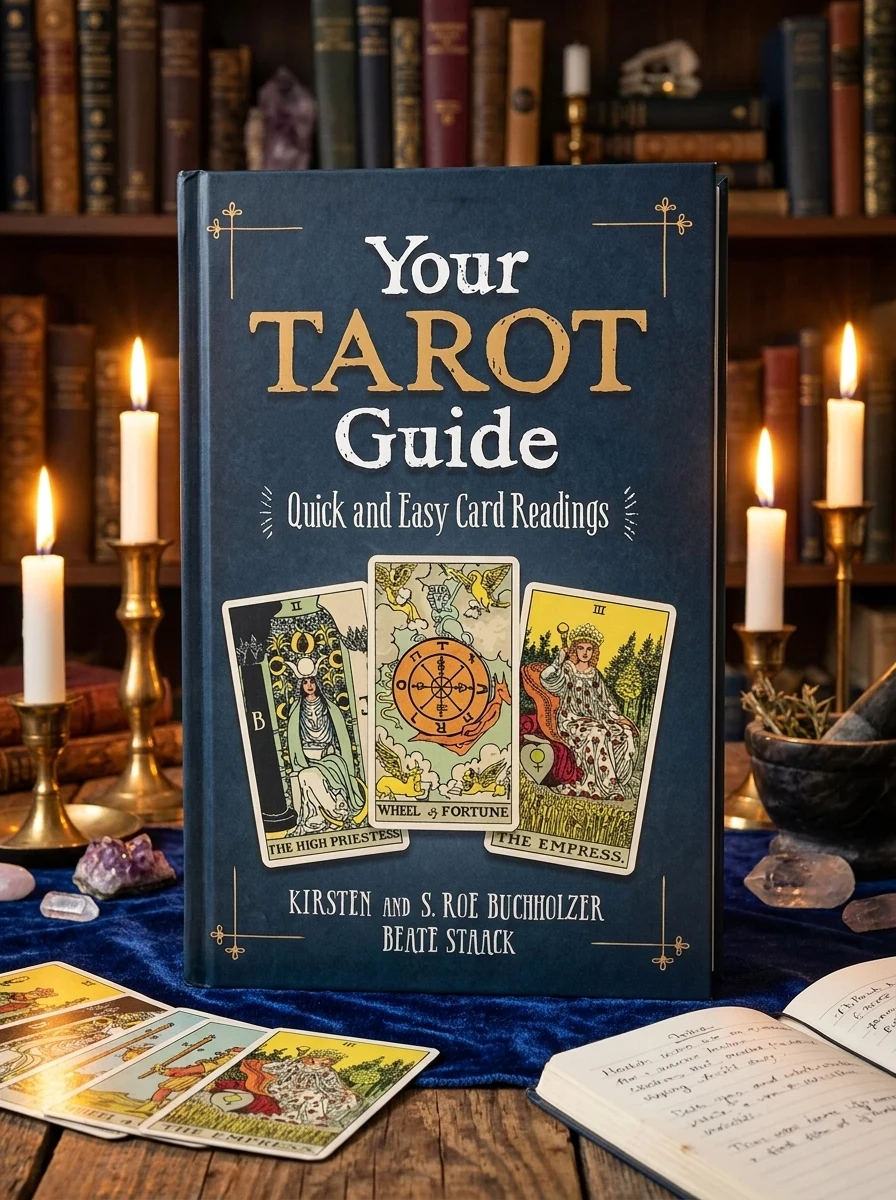
1. Your Tarot Guide: Quick and Easy Card Readings — Kirsten Buchholzer, S Roe Buchholzer, and Beate Staack
If you're someone who learns by doing rather than reading theory, this is your book. It's concise without being reductive—each card gets a clear, modern interpretation with practical context. The layout is visual and scannable, so you're not wading through paragraphs to find what the Hermit means in a love reading. It's under $20 and designed for readers who want to start pulling cards immediately without feeling lost.
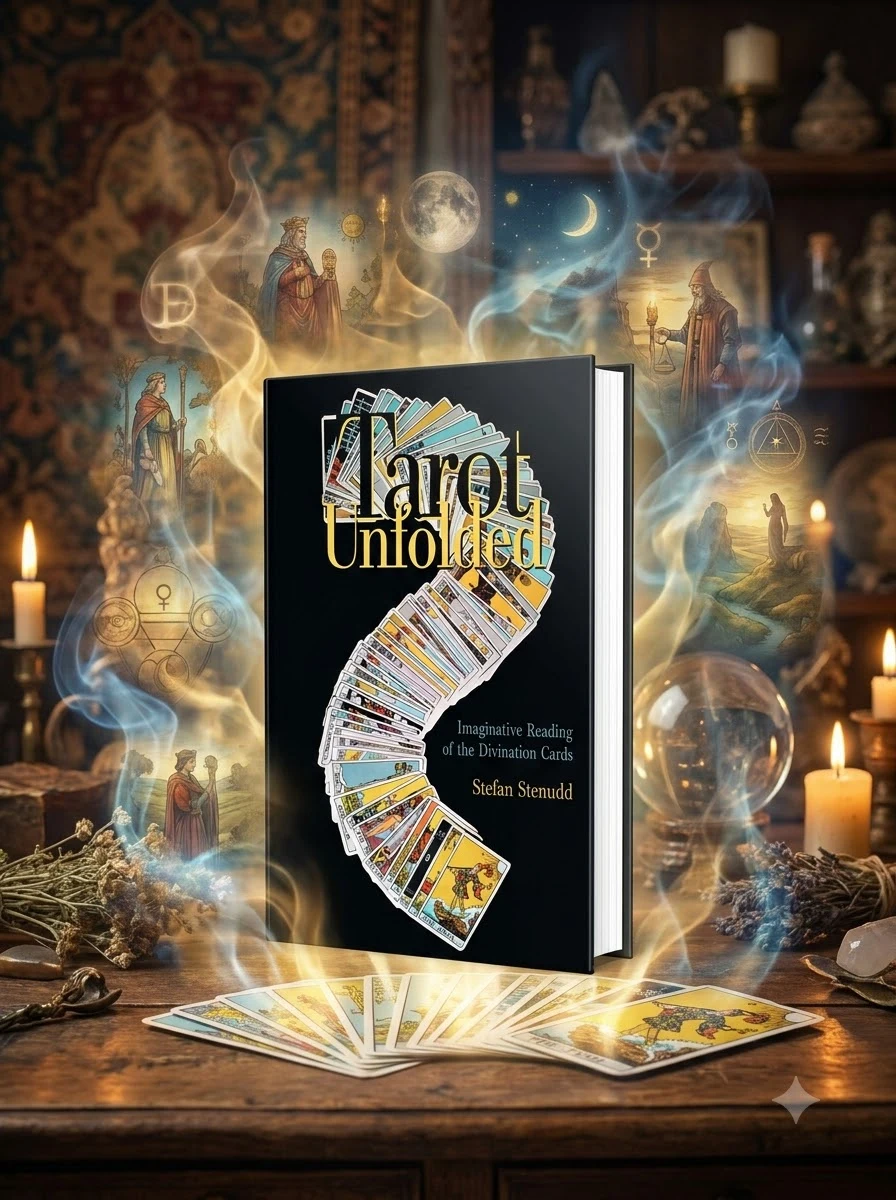
2. Tarot Unfolded: Imaginative Reading of the Divination Cards — Stefan Stenudd
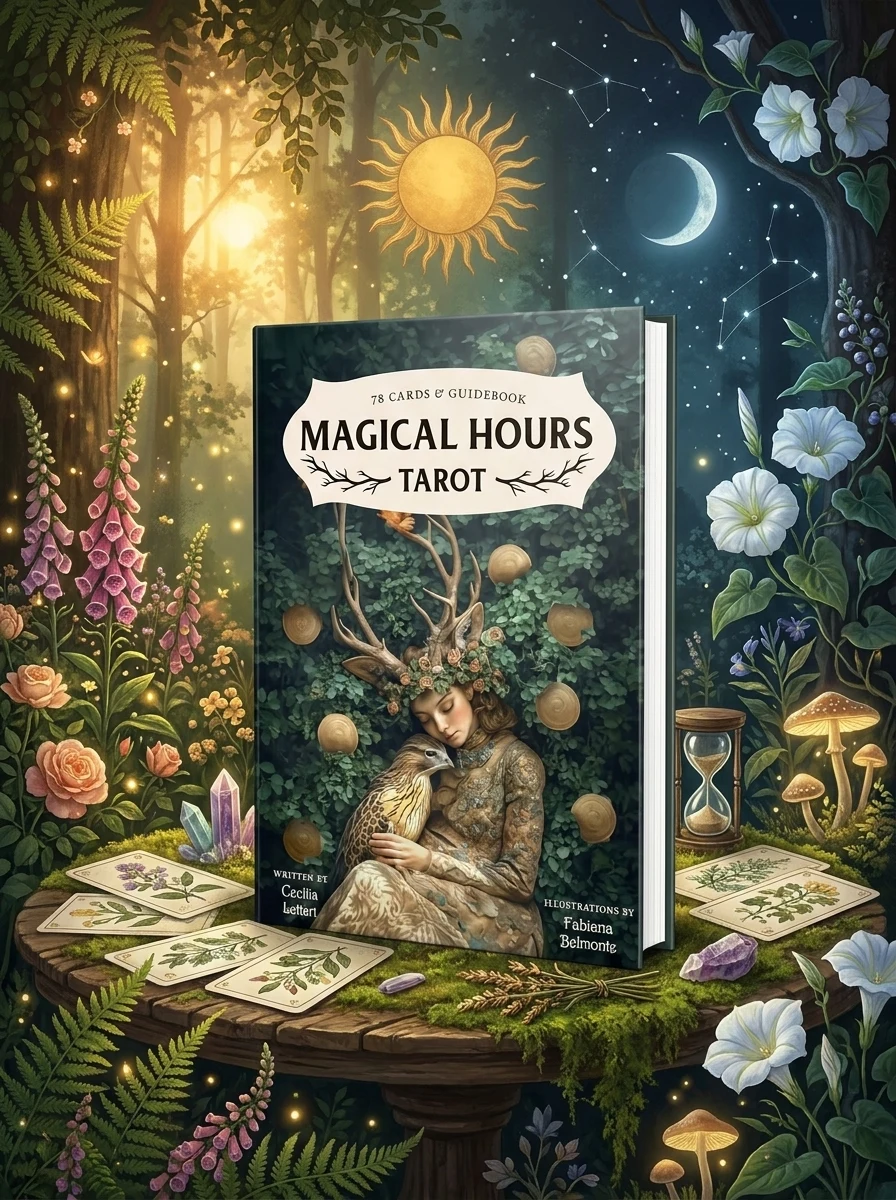
This book bridges intuition and structure. Stenudd teaches you how to read tarot not as a rigid system but as a language of symbols and stories. If your deck has rich artwork—like Shadowscapes Tarot or Magical Hours Tarot—this book teaches you to use that imagery as your primary teacher. It's for readers who want permission to trust what they see in the cards, not just memorize meanings.
For the Structured, Traditional Learner
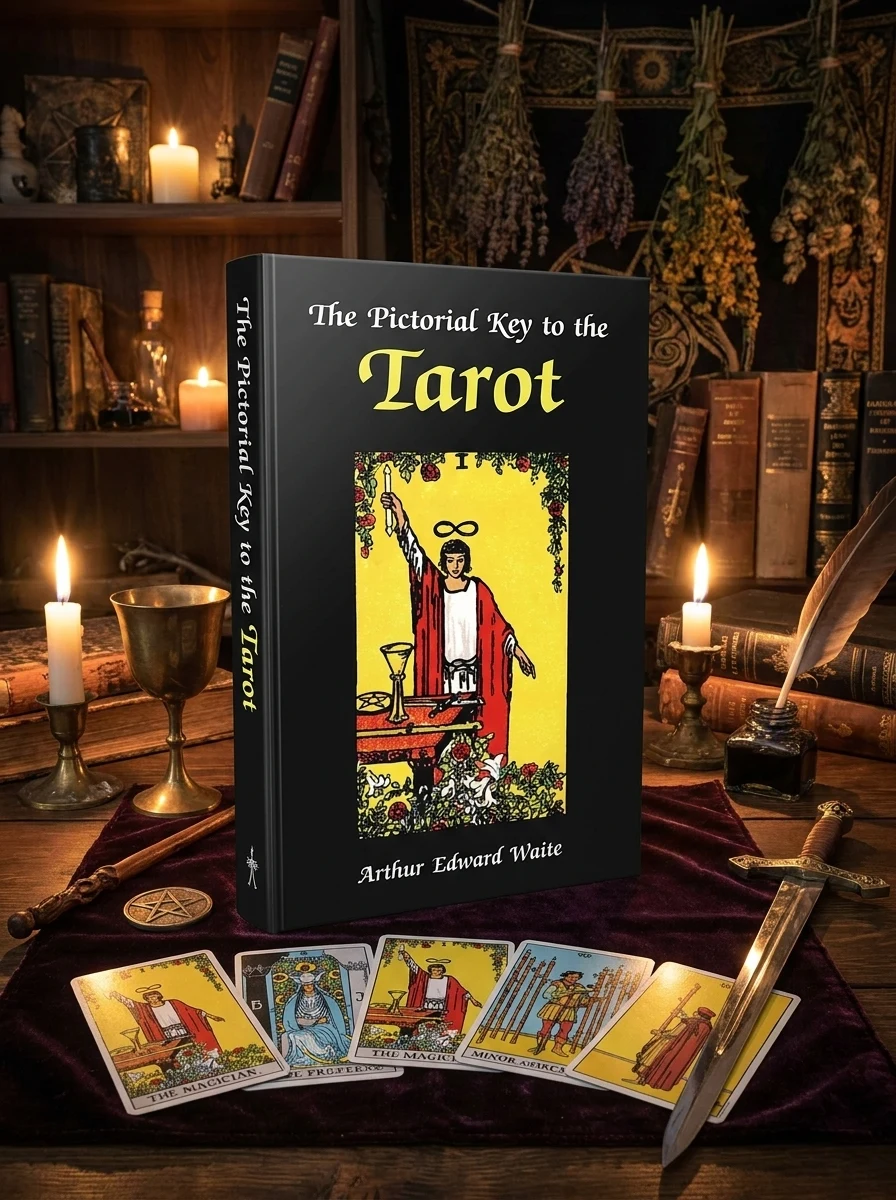
3. Pictorial Key to the Tarot — A.E. Waite
If you've chosen a Rider-Waite-Smith based deck or any traditional system, this is the foundational text. Written by the creator of the most widely used tarot system in the West, it's the original guidebook—not a modern reinterpretation. Yes, it's older prose, but it's also authoritative and surprisingly readable. This book teaches you the symbolic language that most Western tarot is built on. If you want to understand why the cards mean what they mean, not just what they mean, start here.
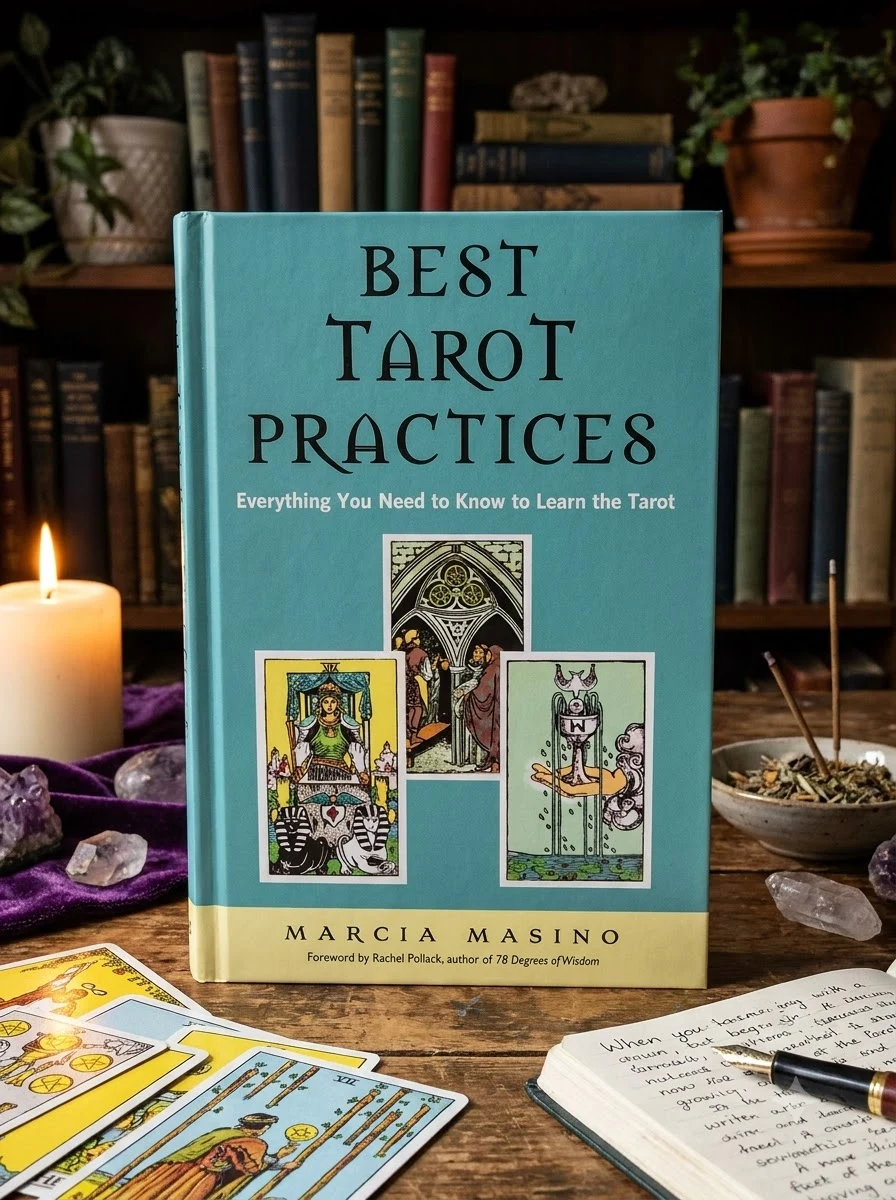
4. Best Tarot Practices: Everything You Need to Know to Learn the Tarot — Marcia Masino and Rachel Pollack
This book treats tarot as a serious practice, not a parlor trick. It covers card meanings thoroughly but also teaches you how to set up readings, interpret reversals, and develop a consistent practice. It's ideal if you're the type who wants to do things right from the beginning—who reads the manual before assembling the furniture. Under $25, it's an investment in building real skill.
For the Artistic or Thematic Deck Collector
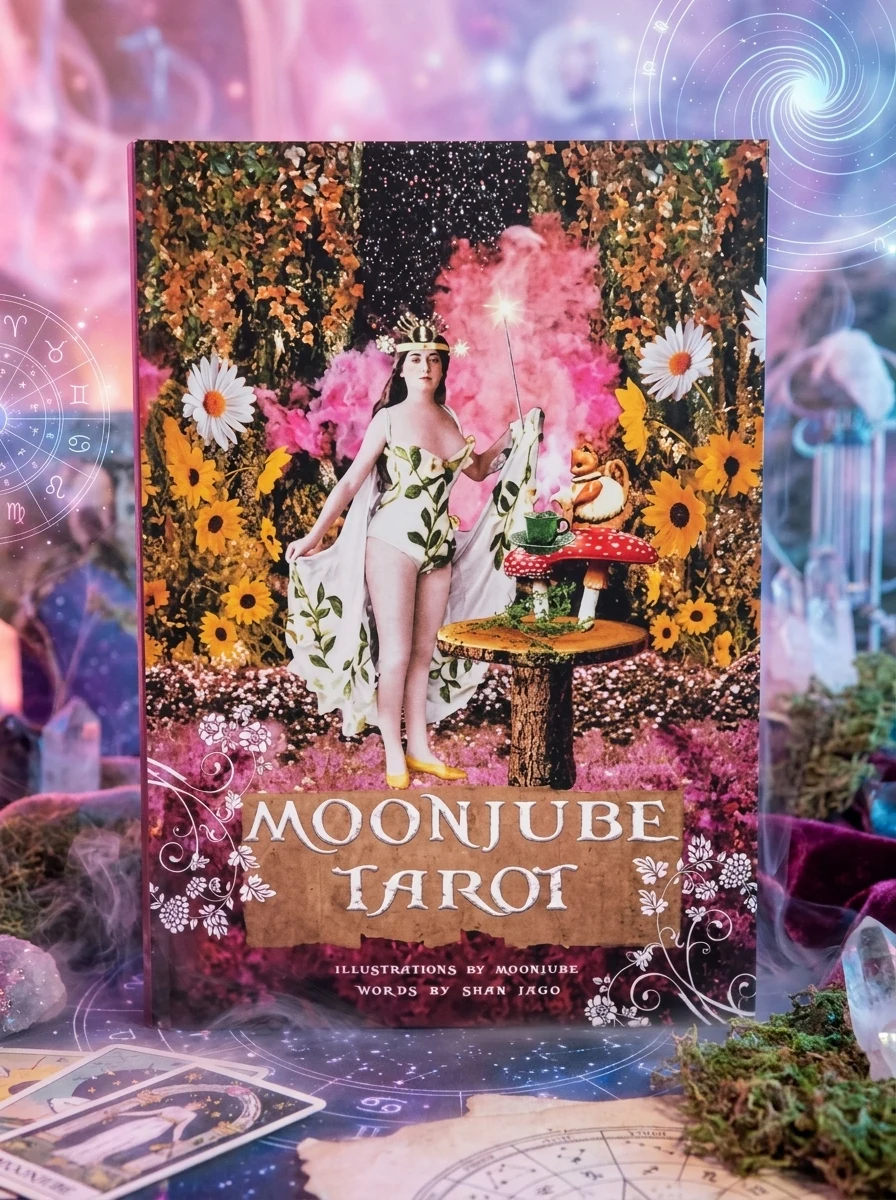
5. Moonjube Tarot Deck: (78 Full-Color Cards and Full-Color Guidebook) — Shan Jago
If your first deck is chosen for its modern, bold aesthetic rather than traditional tarot imagery, you need a guidebook that honors that choice. Moonjube pairs a visually striking deck with a full-color guide that speaks to contemporary readers. The guidebook isn't trying to be Waite; it's building its own language. This is for beginners who want their deck to feel personal and current, not historical.
6. Botanica: The Tarot Deck about the Language of Flowers — Kevin Jay Stanton
For readers drawn to nature-based symbolism, this deck and its guidebook teach tarot through botanical language. Each card connects to flowers and plant wisdom, creating a thematic thread that makes meanings stick. It's higher-priced (around $38), but it's a collector's piece that also functions as a genuine learning tool. If you're someone who connects with nature imagery, this approach to tarot will feel more intuitive than traditional systems.
For the Beginner Who Wants Hands-On Practice
7. Tarot for Beginner Witches: Learn How To Read Tarot Cards For Divination and Spellcasting — Julie Wilder
If you're learning tarot as part of a broader magical practice, this book integrates card reading with spellwork and intention-setting. It's under $15 and assumes you're new to both tarot and witchcraft, so it doesn't skip steps. The book moves quickly from meanings to application—you're not just learning what cards mean, you're learning how to use them. This works especially well if your first deck feels like a magical tool rather than a divination system.
How to Choose Your First Guidebook
The right book depends on three things: your deck's style, your learning preference, and how much time you want to invest upfront.
If your deck is traditional or Rider-Waite-based: Start with Pictorial Key to the Tarot. It's the source material. You'll understand not just meanings but why those meanings exist.
If your deck is modern, artistic, or thematic: Match the book to the deck's energy. A nature-focused deck like Magical Hours Tarot pairs beautifully with Tarot Unfolded, which teaches you to read through imagery. A contemporary deck like Moonjube comes with its own full-color guide designed for modern readers.
If you learn by doing: Choose Your Tarot Guide or Tarot for Beginner Witches. Both get you reading quickly without overwhelming theory.
If you learn by understanding systems: Go for Best Tarot Practices. It teaches you the architecture of tarot, not just the pieces.
One final note: your first guidebook doesn't have to be your only one. Many experienced readers keep three or four books nearby—one for traditional meanings, one for intuitive prompts, one for spreads. But for now, pick the one that matches your deck and your brain. A book you'll actually use beats a book that's theoretically perfect but sits on the shelf.

![Shadowscapes Tarot [With Booklet] Law, Stephanie Pui-Mun](/img/shadowscapes-tarot-with-booklet-law-stephanie-pui-mun-scene.webp)