Finding where to start with Aleister Crowley is one of the most common questions among readers exploring occult literature. Crowley’s reputation often arrives before his books do, and many newcomers encounter references to Thelema, ceremonial magick, tarot, and controversial ideas before they have a clear sense of which texts explain his work best.
The challenge is that Crowley did not write one simple introduction that explains every part of his system. His library includes short foundational texts, complex magical manuals, philosophical works, and publications connected with his magical orders. A good reading order creates a gradual path, allowing each book to provide background for the next.
This sequence begins with Crowley’s central ideas, then moves into practical magical writing, symbolic systems, and historical material. It works for curious newcomers as well as students who want a more organized approach to his writings.
Begin with Crowley’s central ideas and historical context
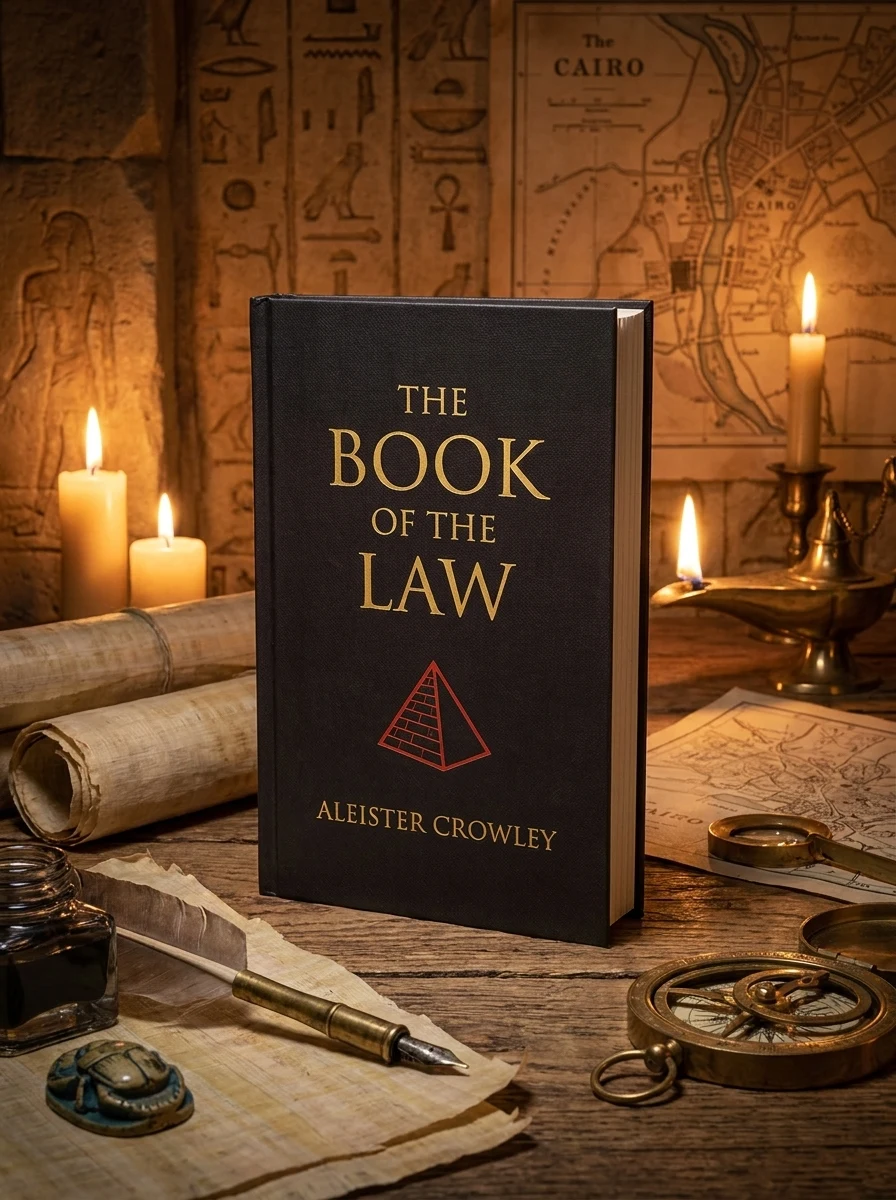
1. The Book of the Law: Liber AL vel Legis (Pocket Edition) — Aleister Crowley
The first book to read is usually The Book of the Law: Liber AL vel Legis (Pocket Edition). This text introduces the foundation of Thelema and provides the ideas that appear throughout many of Crowley’s later writings.
Although the book is brief, it is not designed as a straightforward beginner manual. New readers should approach it slowly and consider its language, symbolism, and philosophical themes. Understanding this work first makes later Crowley texts easier to place within his larger system.
The book is also useful because it shows Crowley’s distinctive style. Instead of presenting a conventional religious or philosophical argument, it offers a compact work filled with symbolic statements that invite repeated study.
2. The Weiser Concise Guide to Aleister Crowley — Richard Kaczynski and James Wasserman
After encountering Crowley’s central text, a historical guide helps organize the many details surrounding his life and writings. The Weiser Concise Guide to Aleister Crowley provides readers with an accessible overview of Crowley’s work and background.
This placement is useful because Crowley’s books often assume familiarity with his interests, influences, and terminology. A guide can help connect his personal history with the development of Thelema and his approach to occult study.
Readers who want a balanced introduction before moving into longer magical texts will benefit from having this contextual reference nearby.
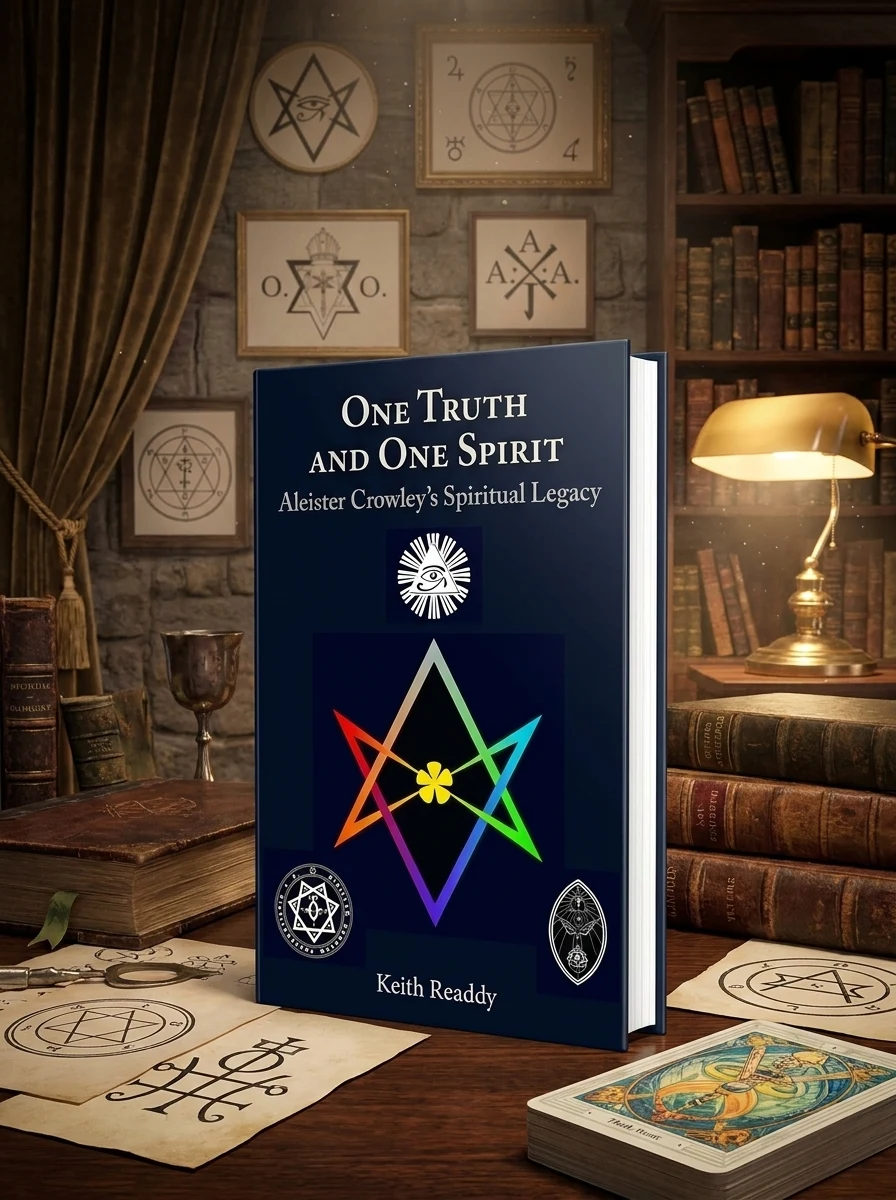
3. One Truth and One Spirit: Aleister Crowley’s Spiritual Legacy — Keith Readdy and Vere Chappell
One Truth and One Spirit: Aleister Crowley’s Spiritual Legacy is a useful next step for readers interested in how Crowley’s ideas continued beyond his own lifetime. It expands the discussion from biography into the broader influence of his spiritual and philosophical work.
This book suits readers who want to understand Crowley as part of a larger history of Western esotericism. It also prepares readers for more specialized studies involving symbolism, ritual, and magical traditions.
Before moving into practical texts, this stage helps create a stronger foundation for interpreting Crowley’s terminology and recurring themes.
Move into ceremonial magick and practical writings
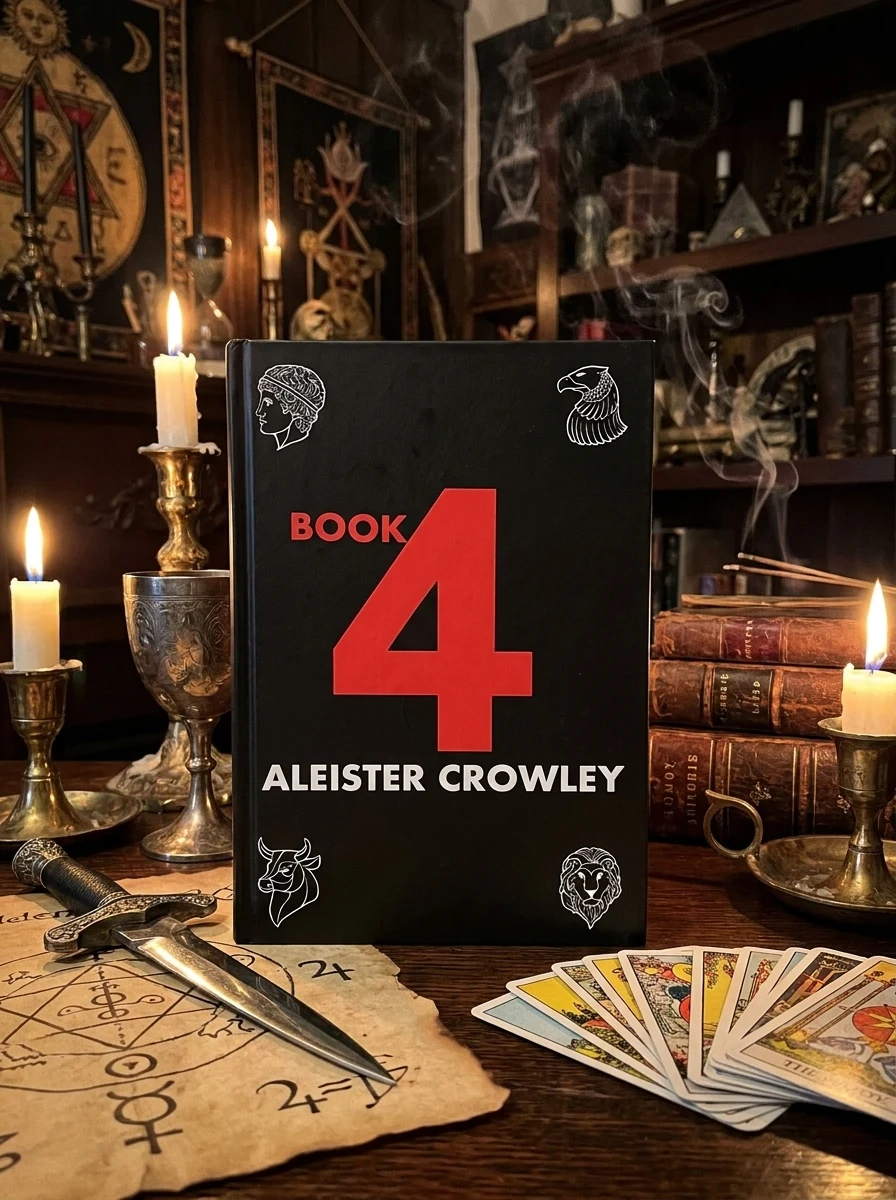
4. Book 4 — Aleister Crowley
Book 4 is one of the strongest introductions to Crowley’s explanations of ceremonial magick. It presents important concepts and gives readers a clearer view of the methods and principles behind his magical approach.
This book is better suited after some initial context because Crowley writes with assumptions about occult vocabulary and traditional systems. Readers who prefer structured learning will find its organization helpful.
Studying Book 4 before larger magical works can make Crowley’s later discussions more approachable. It provides a foundation for understanding the language used in his more advanced writings.
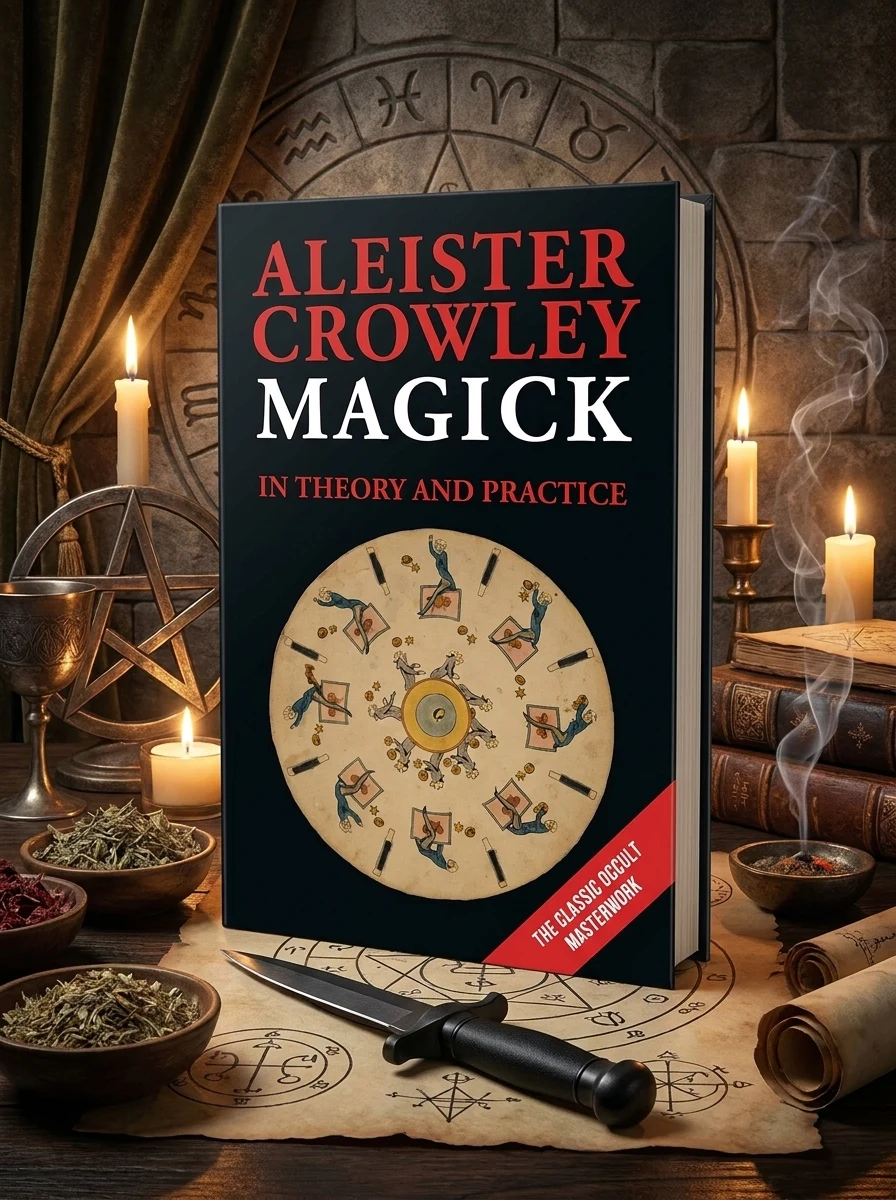
5. Magick in Theory and Practice — Aleister Crowley
Magick in Theory and Practice develops many of the subjects introduced in earlier study. It focuses on Crowley’s presentation of ceremonial magick and offers a more concentrated examination of his ideas.
This is a serious study text rather than a casual introduction. Readers should expect dense passages, specialized terms, and a style that rewards patience. Those interested in Crowley’s methods will find this work central to understanding his magical philosophy.
Placed after Book 4, it creates a natural progression from basic concepts toward more detailed material.
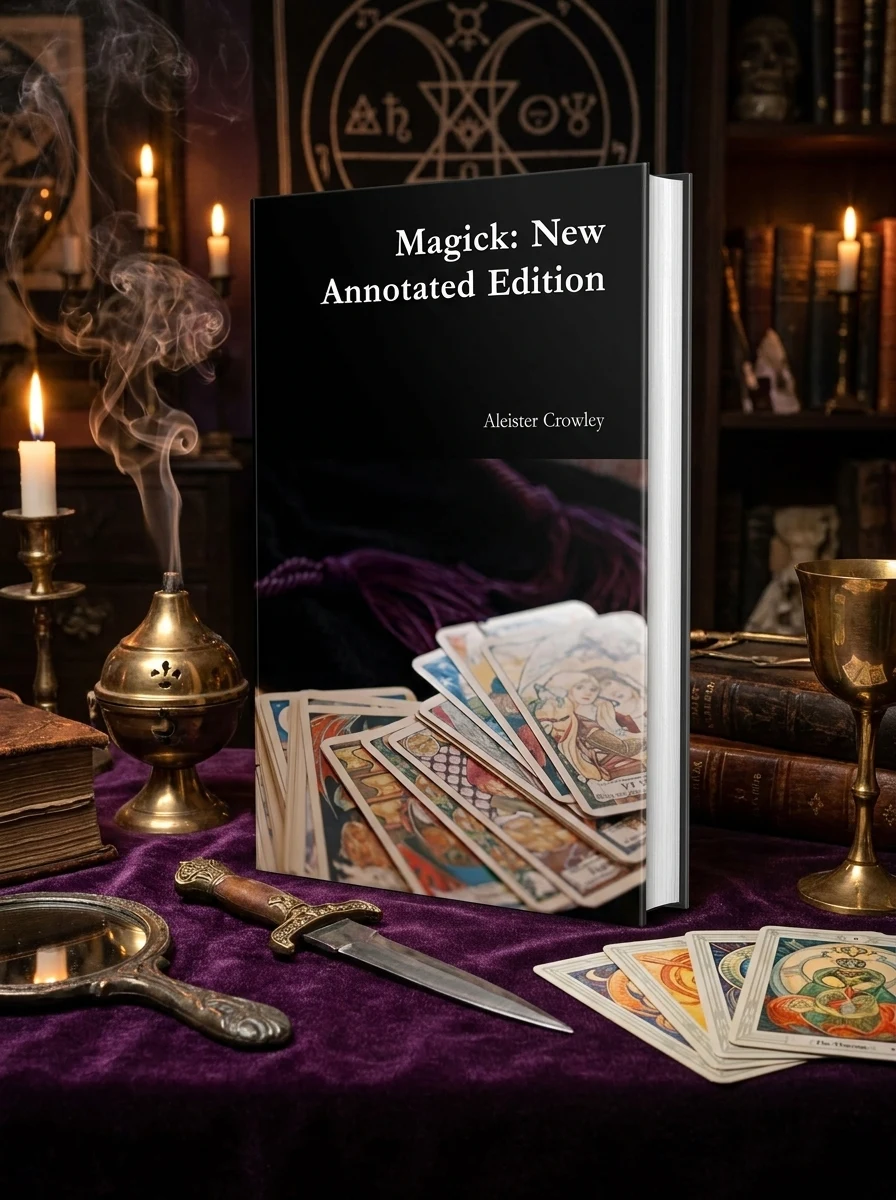
6. Magick: New Annotated Edition — Aleister Crowley
Magick: New Annotated Edition is a strong choice for readers who want a substantial reference work. The additional editorial material helps modern students approach Crowley’s complex writing with more support.
This edition works well for readers building a serious collection because it gathers important material into a single volume. It is especially useful after reading earlier works, when questions about terminology and connections between ideas begin to appear.
Rather than replacing the earlier reading steps, this book rewards readers who already have some familiarity with Crowley’s approach.
Explore tarot, order material, and wider traditions
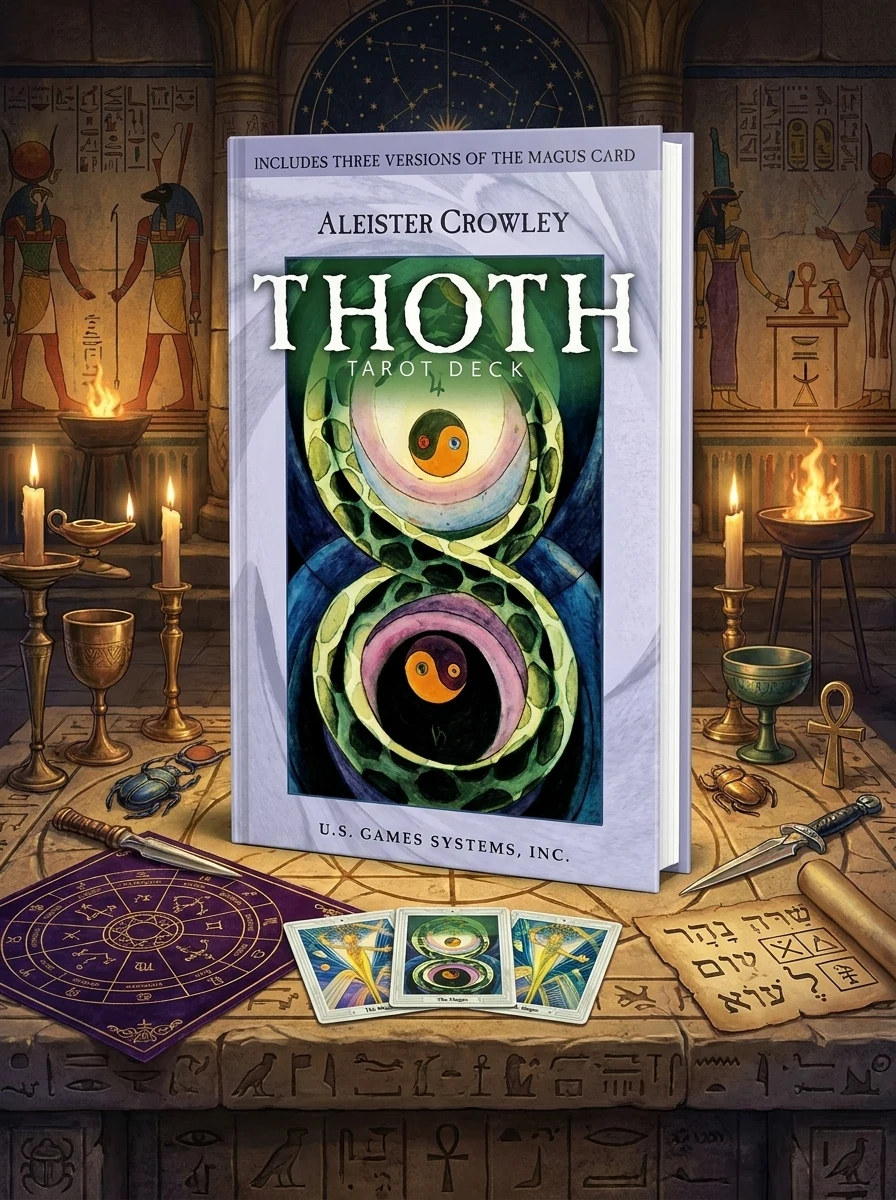
7. Crowley Thoth Tarot (Premier Edition - Small) — Aleister Crowley
Crowley’s work extends beyond written magical instruction into tarot symbolism. Crowley Thoth Tarot (Premier Edition - Small) gives readers a practical way to study the visual language associated with his system.
The deck is especially interesting for readers drawn to symbolic study. Connections between tarot imagery, traditional occult concepts, and Crowley’s broader interests become easier to recognize after reading his other works.
Students interested in Thoth and related symbolism may choose to study this earlier, but it often becomes more meaningful after learning some of Crowley’s vocabulary.
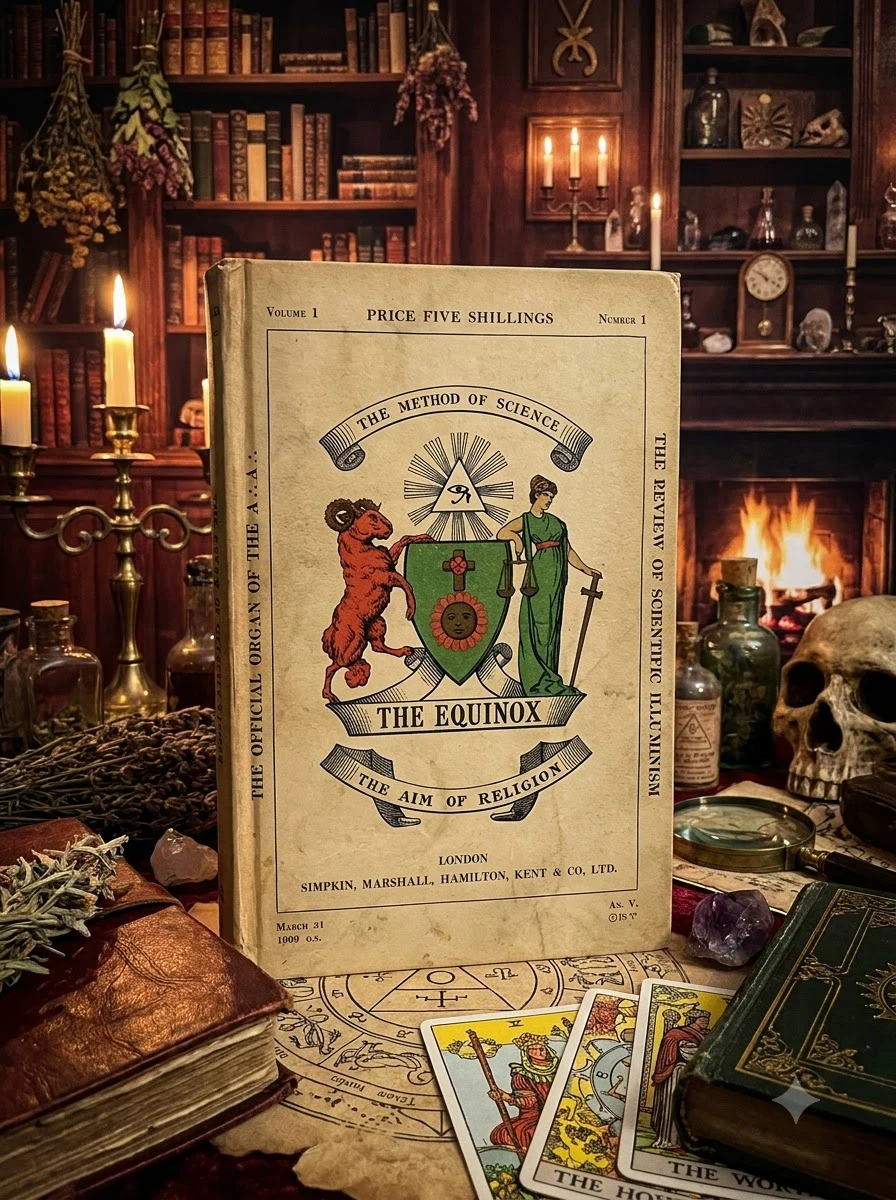
8. The Equinox: Keep Silence Edition, Vol. 1, No. 1 — Aleister Crowley
The Equinox: Keep Silence Edition, Vol. 1, No. 1 introduces readers to a major publication connected with Crowley’s occult work. It provides insight into the writings and material associated with his magical organization.
This is best approached after the foundational books because the content reflects a deeper involvement with ceremonial traditions. Readers interested in primary sources will appreciate seeing Crowley’s ideas presented in their original publishing context.
The Equinox material adds historical depth and helps explain how Crowley communicated with students and followers of his system.
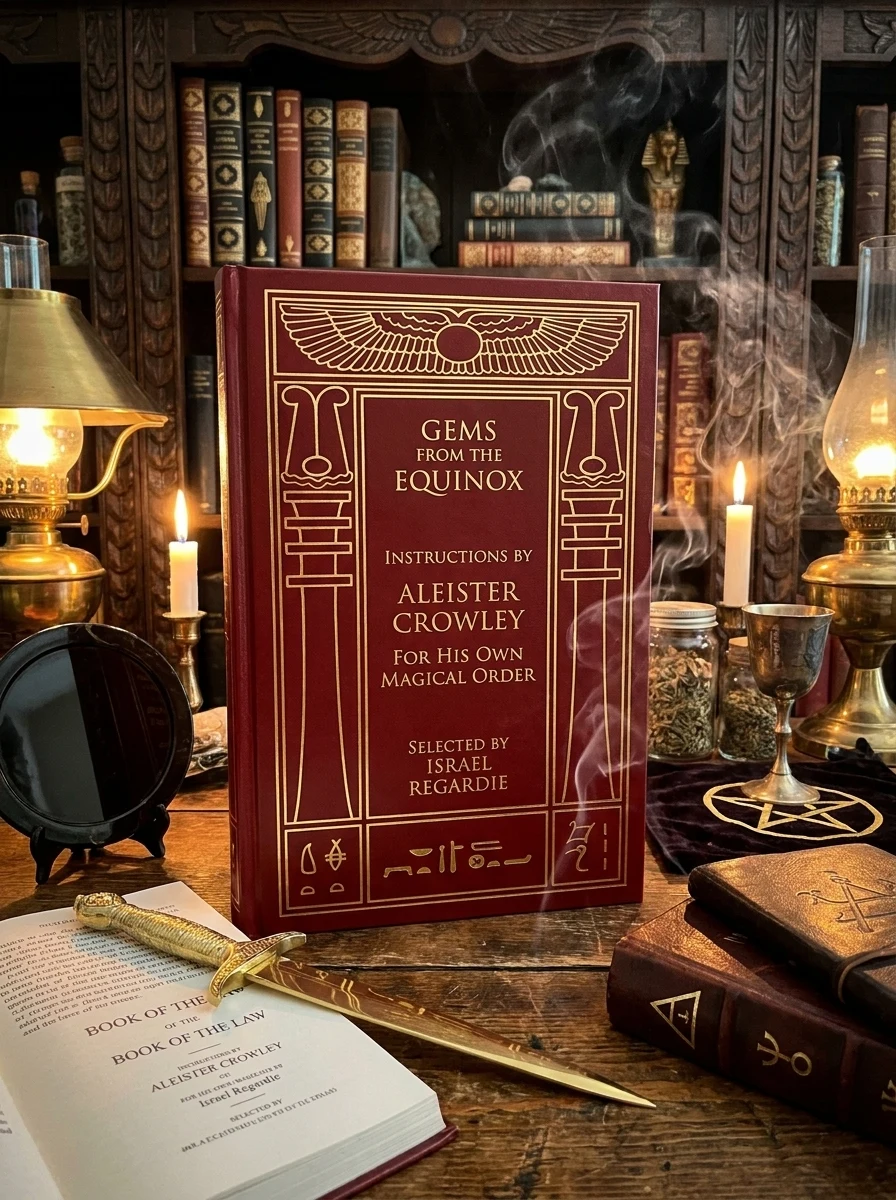
9. Gems from the Equinox: Instructions by Aleister Crowley for His Own Magical Order — Aleister Crowley and Israel Regardie
Gems from the Equinox: Instructions by Aleister Crowley for His Own Magical Order is a later step for readers who want to examine the instructional side of Crowley’s magical work.
This collection is most useful after studying the major introductory and practical texts. It gives dedicated students additional material related to magical training, organization, and ceremonial traditions.
Readers who reach this point will have a broader understanding of Crowley’s philosophy, practical writings, and historical setting.
Choosing your first Aleister Crowley book
The best first choice depends on what interests you most. Those drawn to Thelema should begin with The Book of the Law and then add historical context. Those more interested in ceremonial practice may prefer moving toward Book 4 after learning the basic ideas behind Crowley’s system.
Tarot readers can explore the Crowley Thoth Tarot as part of a broader study of symbols and traditional systems. The deck connects with themes that appear throughout Crowley’s writing, including references to Solomon's Seal and other established occult imagery.
A strong starting collection does not need to include every available title. Beginning with one foundational text, one contextual work, and one practical study book creates a manageable path. Crowley’s writings reward careful reading, comparison, and revisiting over time.