Dion Fortune remains one of the most approachable writers in the Western Mystery Tradition, yet her catalog can feel challenging to a first-time reader. She wrote instructional works, philosophical texts, essays, and novels that approach occult subjects from different angles. The right first book depends less on publication order and more on the kind of study a reader wants to pursue.
For readers discovering Fortune's work, her books provide a bridge between symbolic study, psychology, spiritual philosophy, and practical occult ideas. She often presents esoteric subjects through a structured lens, encouraging readers to consider symbolism, personal development, and disciplined study. A newcomer does not need to begin with the most complex title. A gradual reading path can make her ideas easier to understand.
This guide arranges ten Dion Fortune books into a practical sequence. It begins with introductory explanations, moves toward deeper philosophical and initiatory themes, and ends with her mystical fiction. Along the way, readers can choose different routes depending on their interests in Qabalah, Magic, occult philosophy, or storytelling.
Begin with Fortune's foundations
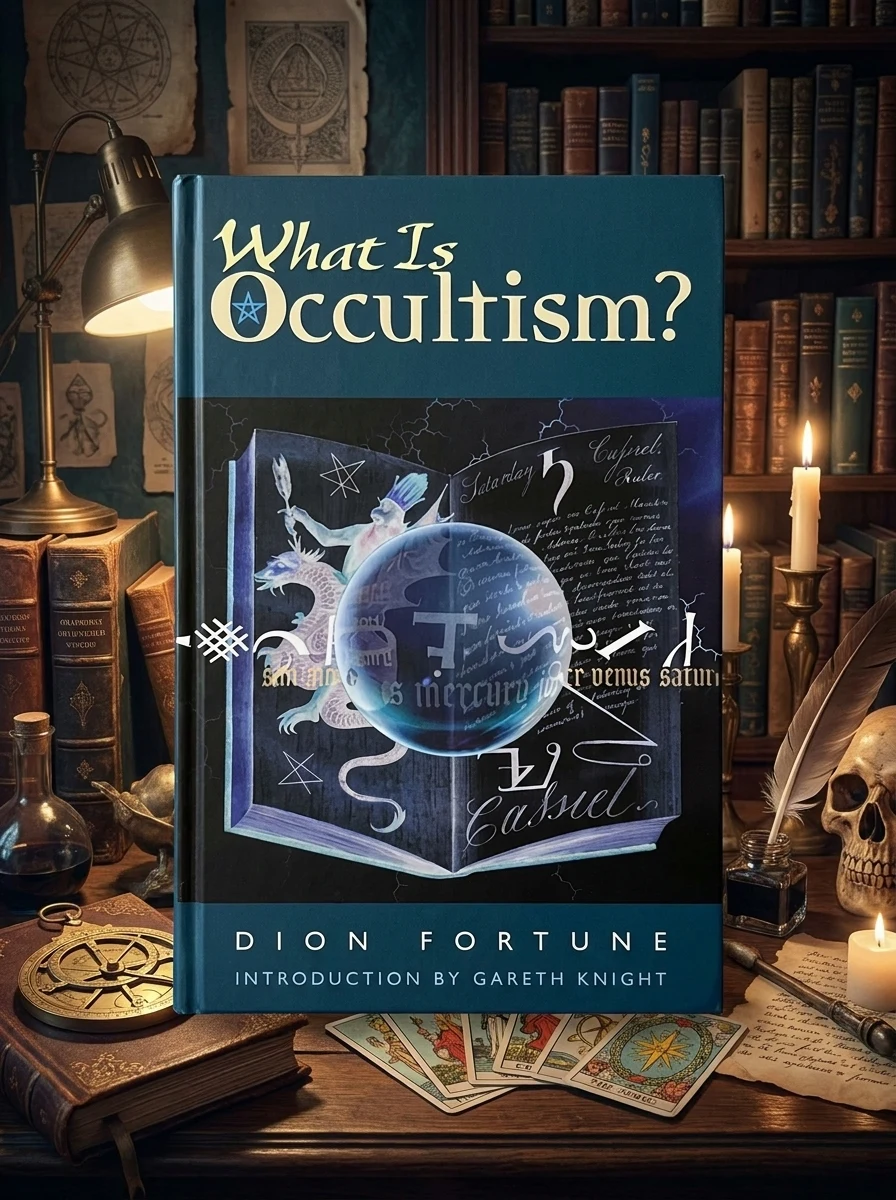
1. What Is Occultism? — Dion Fortune
What Is Occultism? is one of the strongest starting points for someone asking where to begin with Fortune. The book introduces occultism as a serious area of study rather than a collection of sensational ideas. It gives new readers a framework for approaching Fortune's broader body of work.
This title works well before more specialized texts because it establishes the language and perspective behind her writing. Readers who want an introduction to esoteric thought before exploring practical subjects will find this a useful first step.
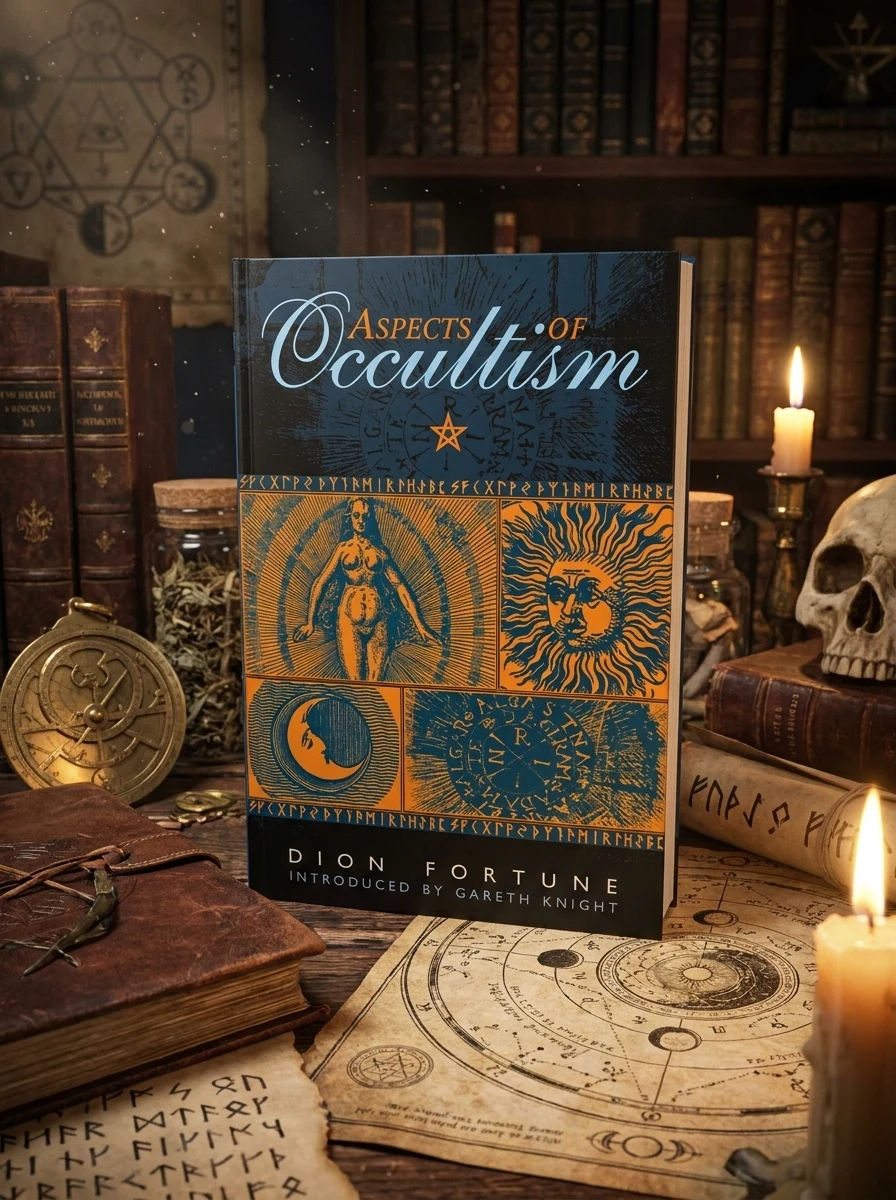
2. Aspects of Occultism — Dion Fortune; Gareth Knight
Aspects of Occultism continues the introductory path by presenting important themes connected with Fortune's approach. It helps readers understand the principles that appear throughout her other works.
This is a good companion for students who prefer explanation and context before moving into more demanding texts. It supports a thoughtful approach to occult study and provides additional background for the practical and philosophical books that follow.
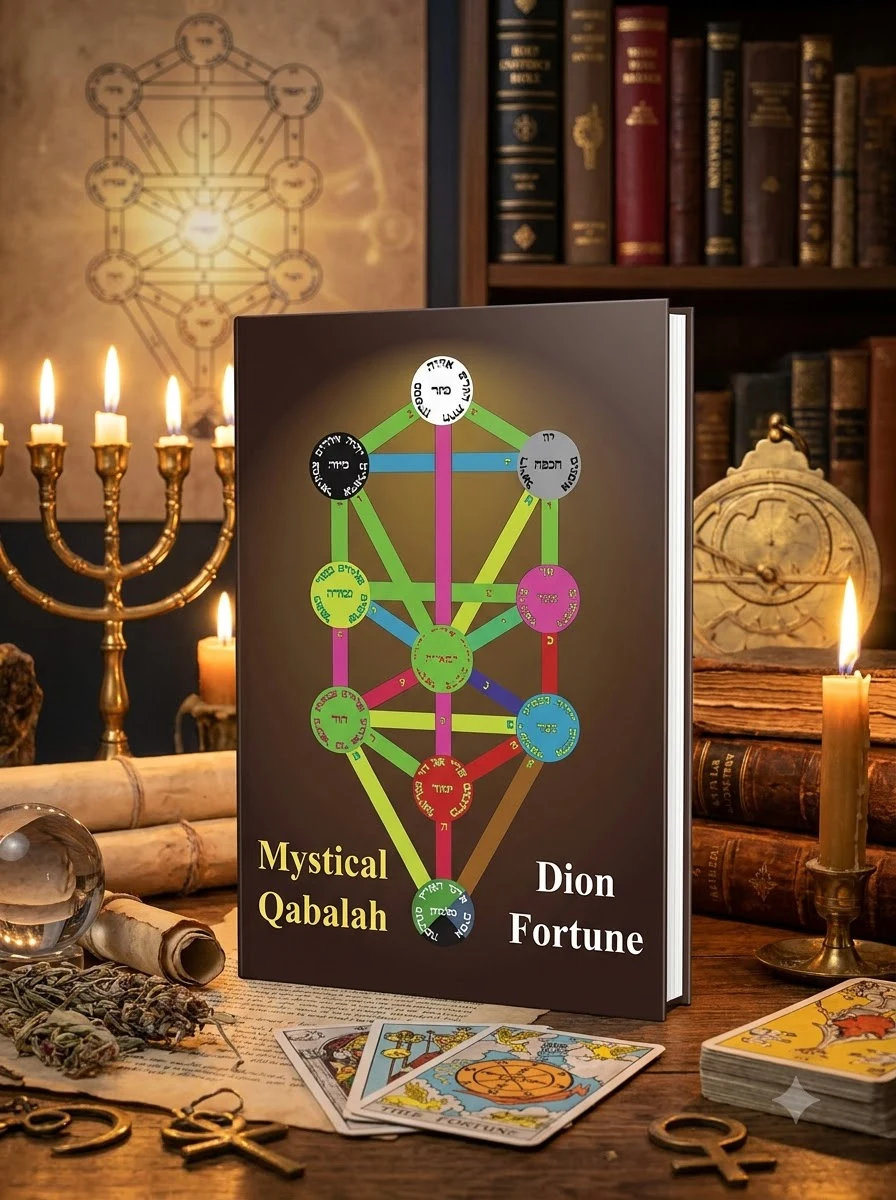
3. Mystical Qabalah — Dion Fortune
Mystical Qabalah is one of Fortune's central works and a foundational text for many students of Western esotericism. It presents the Qabalah as a symbolic system connected with spiritual development and mystical understanding.
This book is a natural choice for readers interested in structured symbolic study. It requires patience because the material is dense, but it rewards careful reading. Those who want to understand Fortune's approach to the Tree of Life and esoteric symbolism should place this title near the beginning of their study path, after gaining some introductory context.
Move toward practical occult study
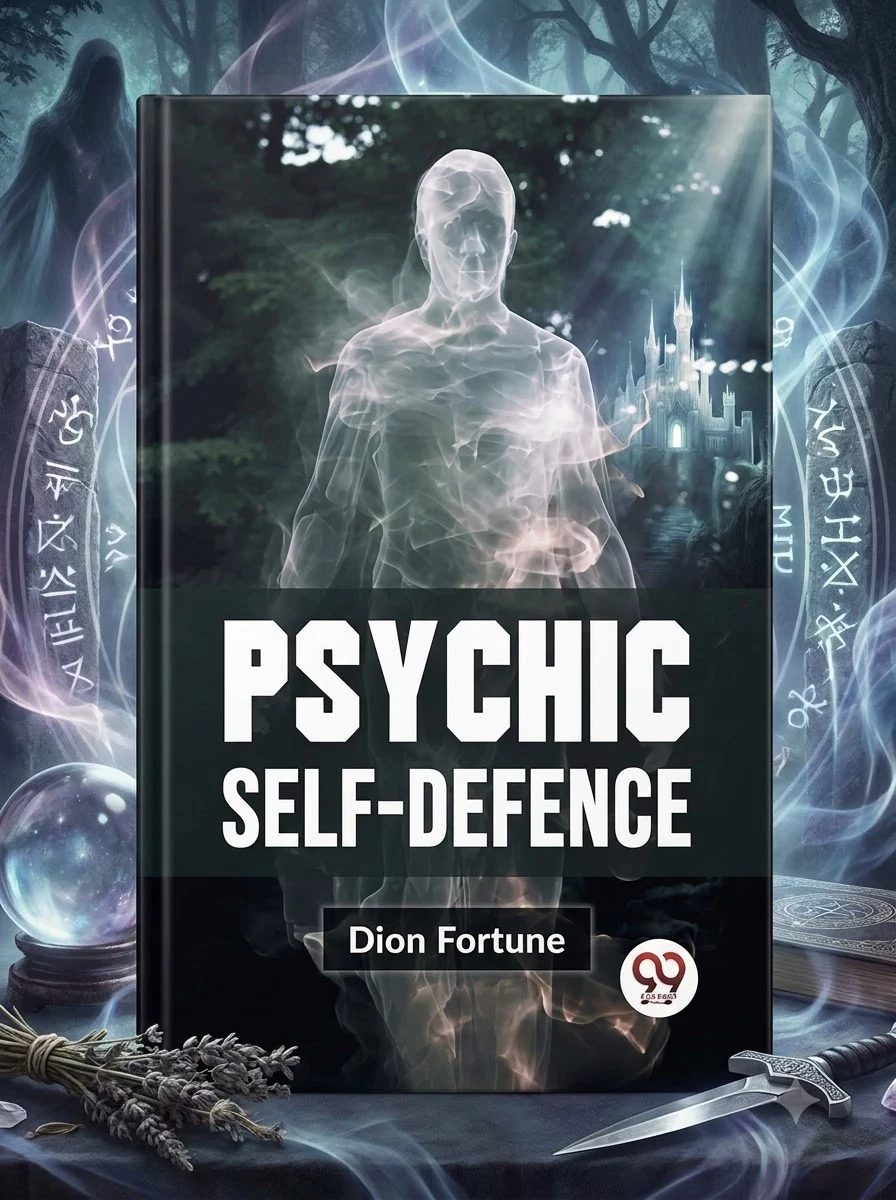
4. Psychic Self-Defense — Dion Fortune
Psychic Self-Defense is one of Fortune's most recognized works. It focuses on psychic experiences, energetic boundaries, and methods of maintaining stability during unusual spiritual encounters.
For new readers, this book is best approached as a study of awareness, protection, and personal discipline. It introduces Fortune's practical style while showing how she connected inner experiences with a careful approach to occult work.
Readers interested in personal practice may find this a more immediately accessible entry point than some of Fortune's philosophical writings. It also demonstrates her interest in the relationship between psychology and spiritual experience.
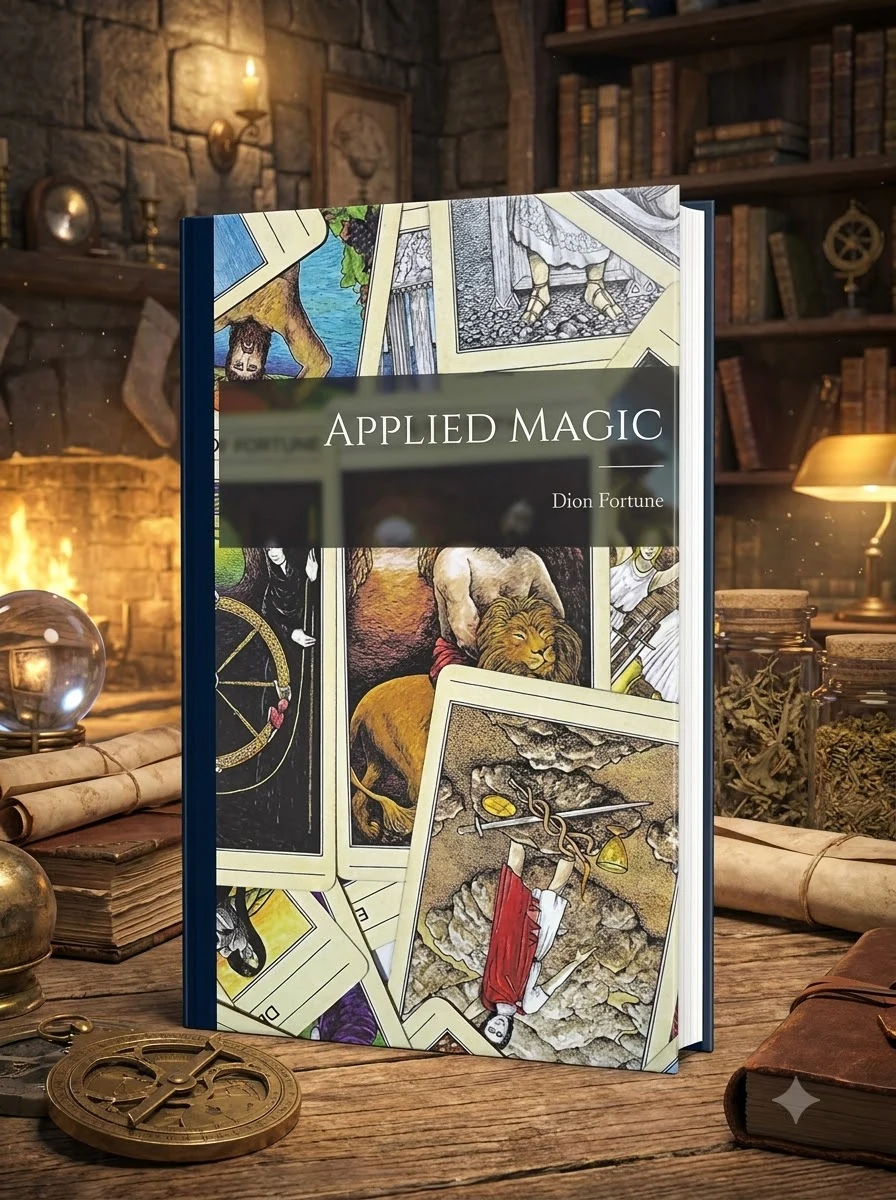
5. Applied Magic — Dion Fortune
Applied Magic is suited for readers who want to move from concepts toward practical application. The title examines how magical principles can be used as part of a disciplined approach rather than remaining only theoretical ideas.
Students who have already learned Fortune's basic perspective can use this work to continue developing their understanding of practical methods. It forms a useful connection between introductory study and more advanced works on training and philosophy.
Because Fortune treats Magic as a serious spiritual discipline, readers may find it helpful to approach this book alongside her other instructional writings rather than as a standalone manual.
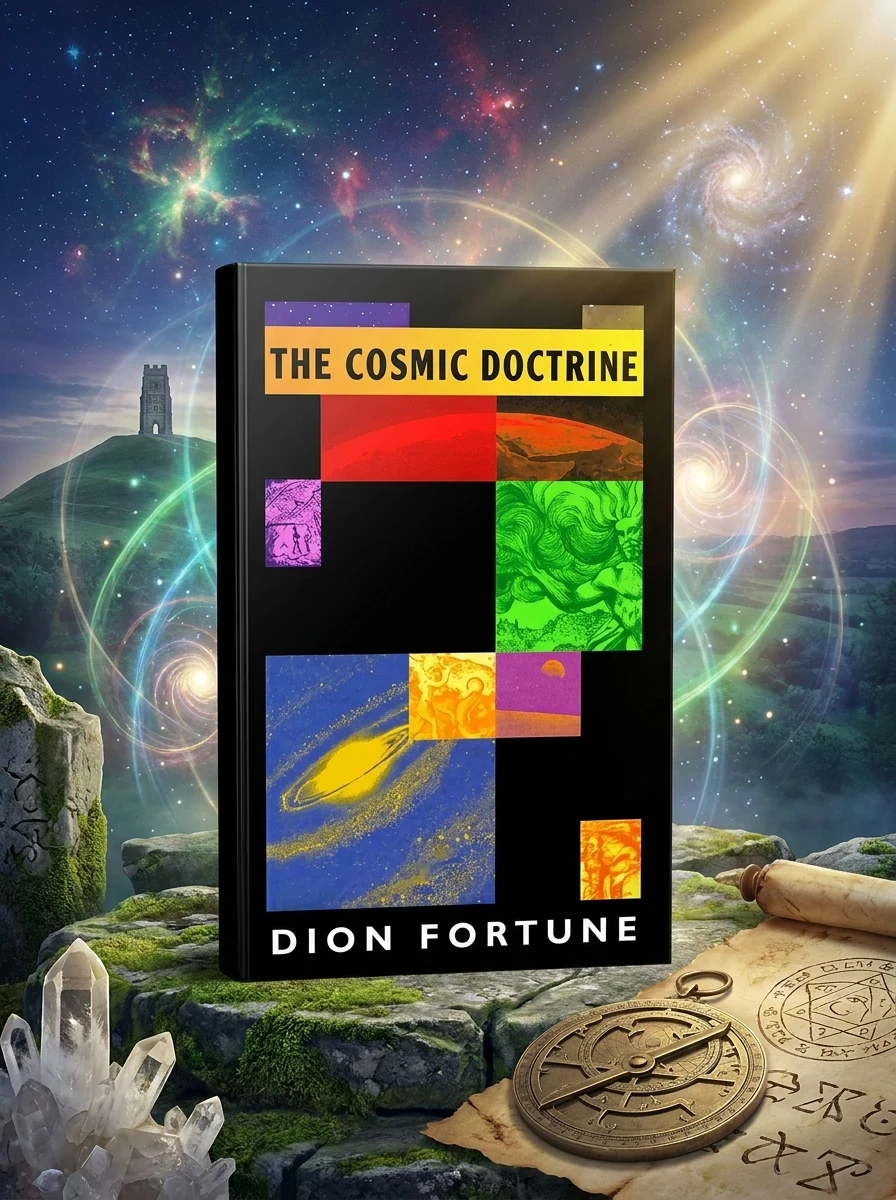
6. The Cosmic Doctrine (Rev) — Dion Fortune
The Cosmic Doctrine (Rev) shifts attention from practical concerns to broader philosophical ideas. It explores Fortune's vision of cosmic structure and spiritual principles.
This is not generally the easiest first encounter with Fortune's writing, but it becomes more meaningful after readers understand her basic terminology. Those interested in metaphysics, cosmology, and the larger ideas behind Western esoteric systems will find this an important part of a complete reading sequence.
Study initiation and esoteric tradition
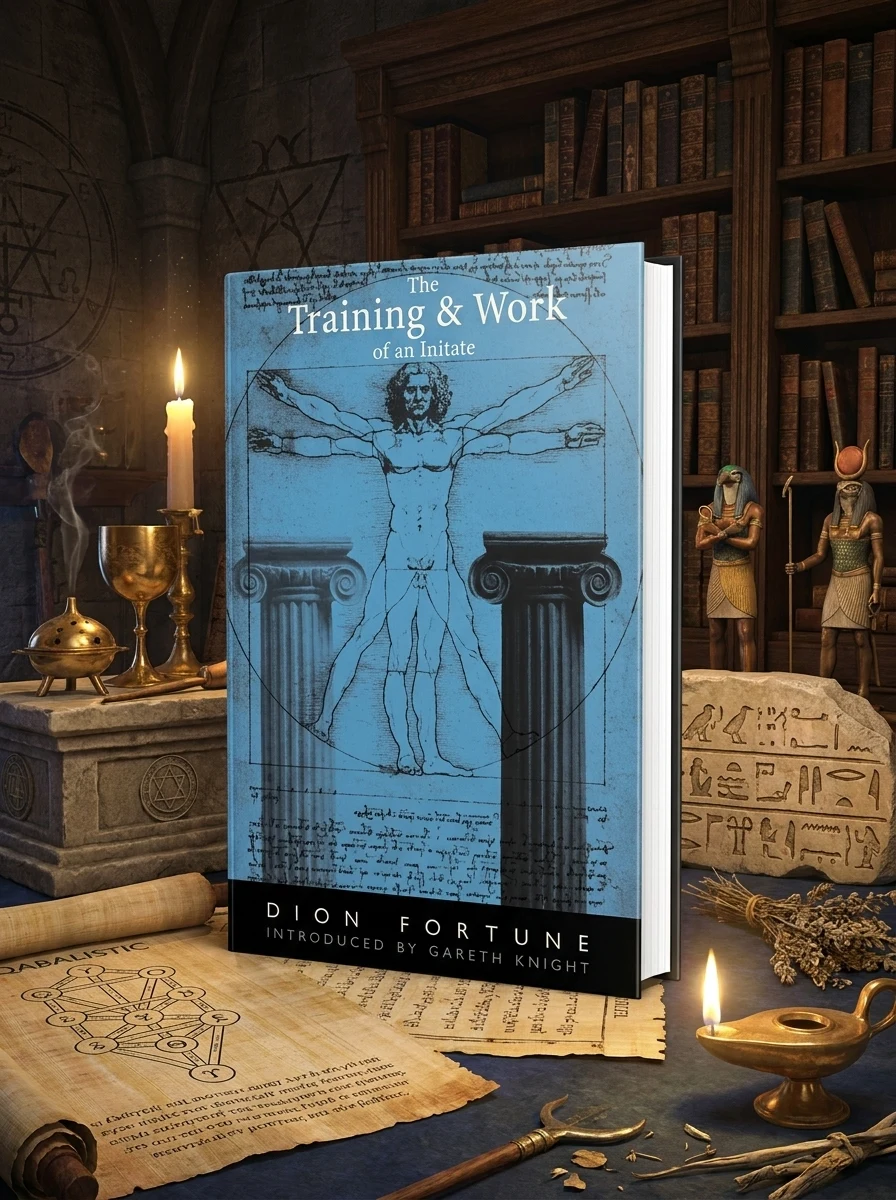
7. The Training & Work of an Initiate (Rev) — Dion Fortune
The Training & Work of an Initiate (Rev) focuses on initiation, discipline, and spiritual development. It is aimed at readers who want to understand how traditional esoteric schools viewed personal growth and responsibility.
Fortune presents occult training as a serious commitment that involves preparation and dedication. This makes the book better suited for readers who have already explored her introductory works and want to understand deeper aspects of her philosophy.
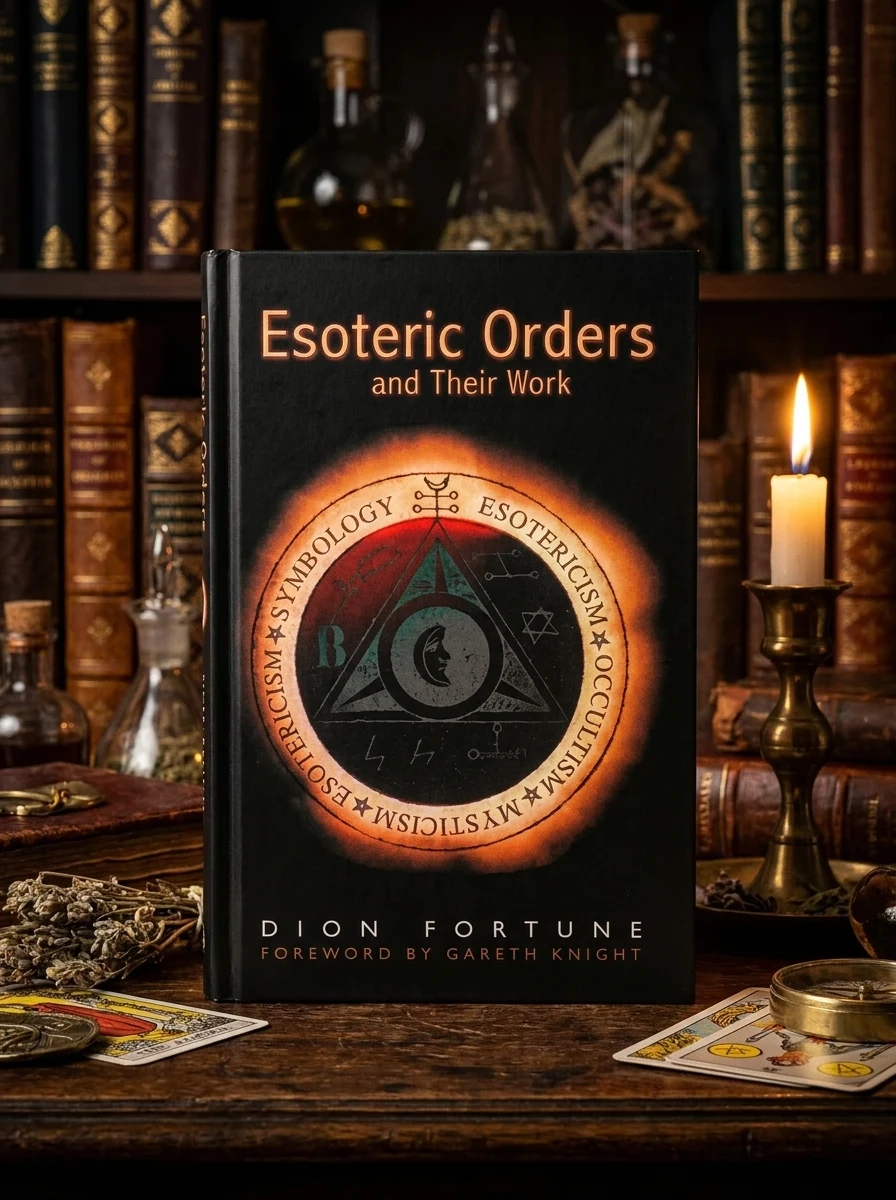
8. The Esoteric Orders and Their Work (Revised) — Dion Fortune
The Esoteric Orders and Their Work (Revised) examines esoteric organizations and their role within the Western Mystery Tradition. It provides background for readers curious about the structure and purpose of spiritual orders.
This title is especially useful for students interested in initiatory systems, the history of occult groups, and the traditions that influenced Fortune's writing. It adds context to many themes found in her instructional books.
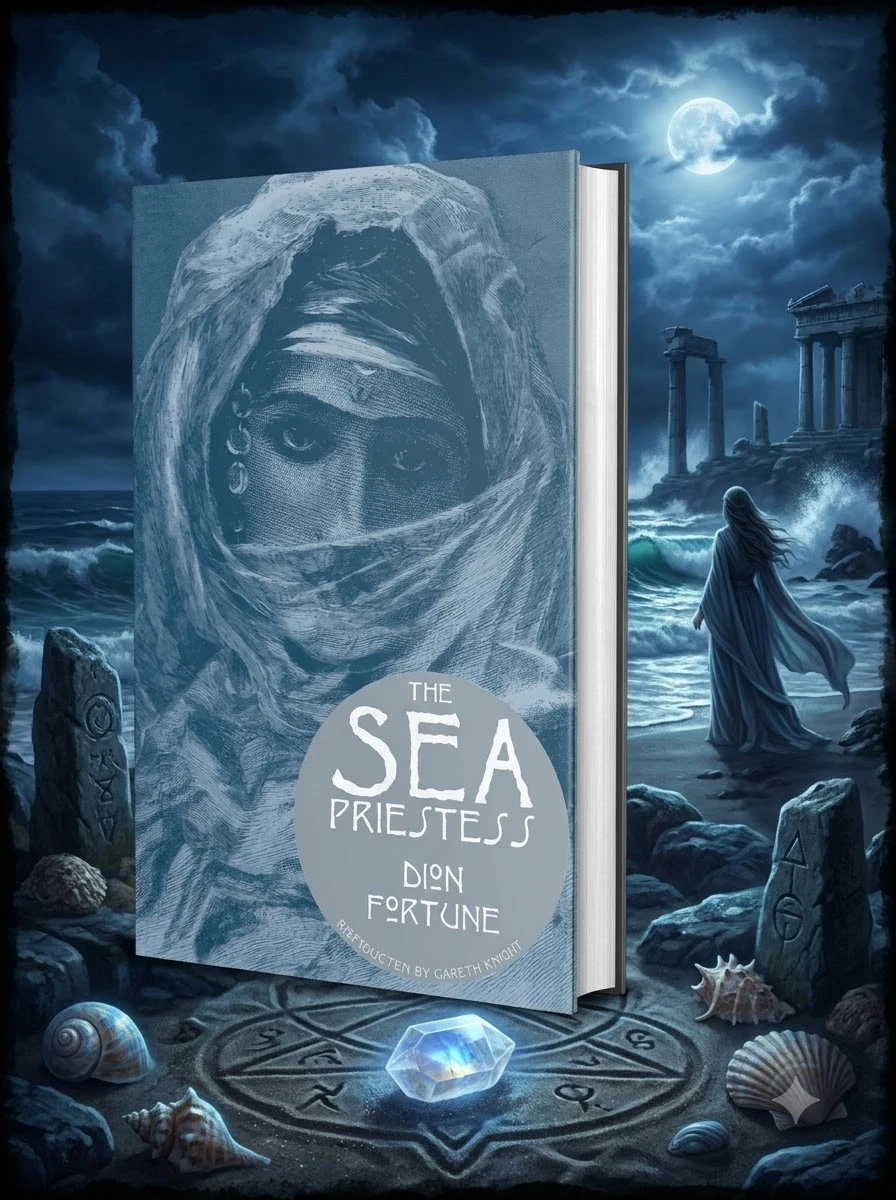
9. The Sea Priestess — Dion Fortune
The Sea Priestess introduces Fortune's ideas through fiction. Instead of presenting concepts as lessons, the novel explores mystical themes through narrative and atmosphere.
Readers who connect with stories may appreciate this different approach to Fortune's work. The novel reflects interests that also appear in her nonfiction, including symbolism, ritual, and the relationship between human psychology and spiritual ideas.
After reading Fortune's instructional books, her fiction can reveal another side of her writing. It shows how she used characters and storytelling to explore questions that also appear in her essays and practical works.
10. Moon Magic — Dion Fortune
Moon Magic continues Fortune's exploration of mystical themes through fiction. Like The Sea Priestess, it offers an imaginative route into ideas that appear throughout her writing.
This makes it a fitting final selection in this reading order. Once readers have encountered Fortune's practical and philosophical texts, her fiction can be appreciated as another expression of her recurring concerns and interests.
Choosing the right first Dion Fortune book
If you want the clearest introduction, begin with What Is Occultism? and Aspects of Occultism. These books establish the foundation needed for the more specialized works. If symbolic systems are your main interest, move to Mystical Qabalah earlier in your reading plan.
Readers interested in practical study may prefer Psychic Self-Defense or Applied Magic. Those drawn to initiation and the structure of occult traditions should continue with The Training & Work of an Initiate (Rev) and The Esoteric Orders and Their Work (Revised).
Readers who prefer imagination and symbolism can include Fortune's novels alongside her nonfiction. Her fiction is not separate from her occult interests; it presents related questions through a different form. A complete reading path can include both categories, allowing her practical, philosophical, and creative writings to complement each other.
Building a Fortune collection does not need to happen all at once. Several editions in this list are available at accessible prices, allowing students to add books gradually. The strongest starting point is the one that matches your current interest: introduction, practice, philosophy, initiation, or mystical fiction.