Stephen Skinner’s bibliography can appear difficult to approach because it spans multiple fields of historical and esoteric study. His books include works on classical feng shui, mysterious manuscripts, Renaissance magic, ceremonial traditions, and source texts connected with Western occult history. For new readers, the main challenge is deciding which area to explore first.
There is no single chronological course that explains every part of Skinner’s work. A more useful approach is to begin with books that provide historical context, then move toward specialized texts that assume familiarity with particular traditions. The order below groups ten books into a progression from broad subjects to more focused studies.
This selection does not represent every title associated with Skinner. Instead, it highlights books that show the different directions his work takes and gives readers a practical starting sequence.
Start with broad historical foundations
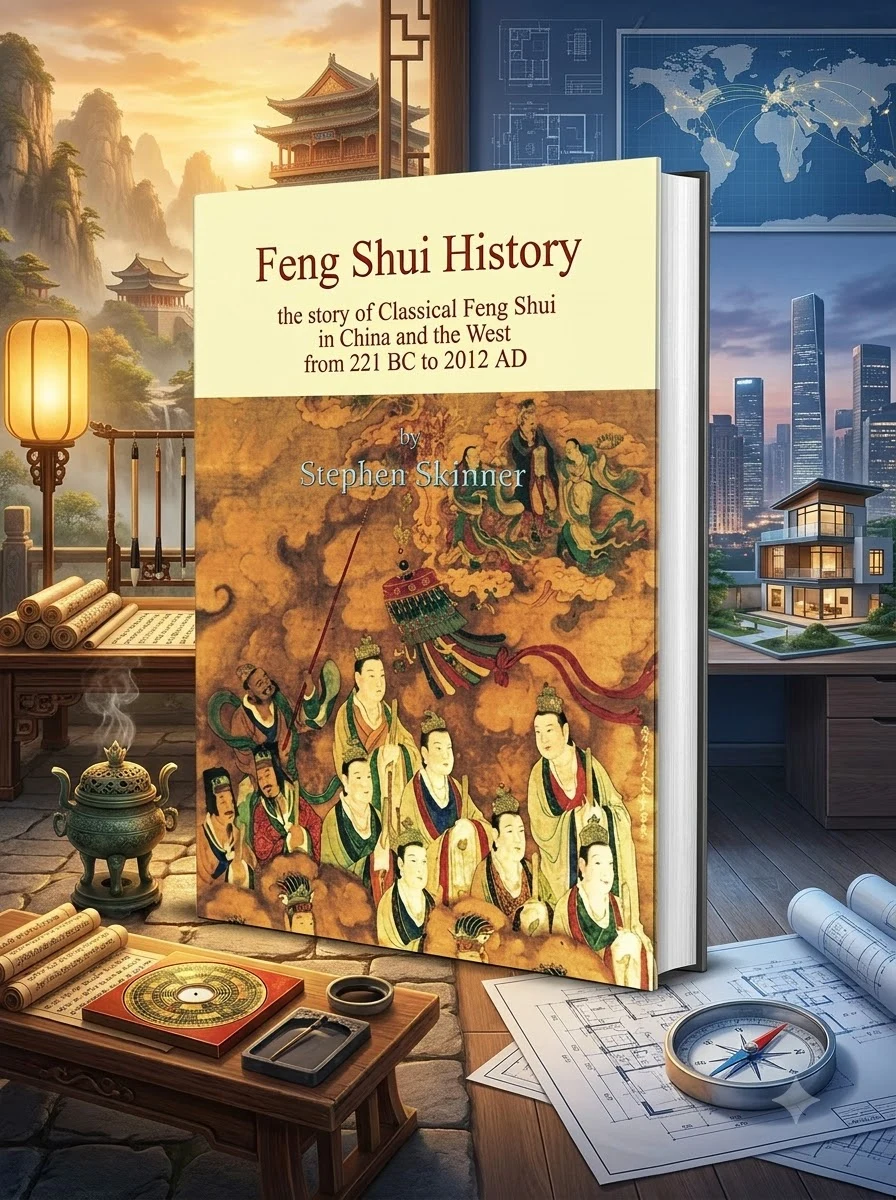
1. Feng Shui History: The Story of Classical Feng Shui in China and the West from 221 BC to 2012 AD — Skinner, Stephen
This is a strong opening point for anyone interested in Skinner’s approach to historical research. The book examines classical feng shui through a long historical view, connecting Chinese traditions with their later development in the West. It is especially suitable for readers who want cultural background before studying more technical material.
Beginning here also shows that Skinner’s work extends beyond Western magical traditions. His writing and editing interests include systems of knowledge developed in different cultures, making this title a useful introduction to the wider scope of his catalog.
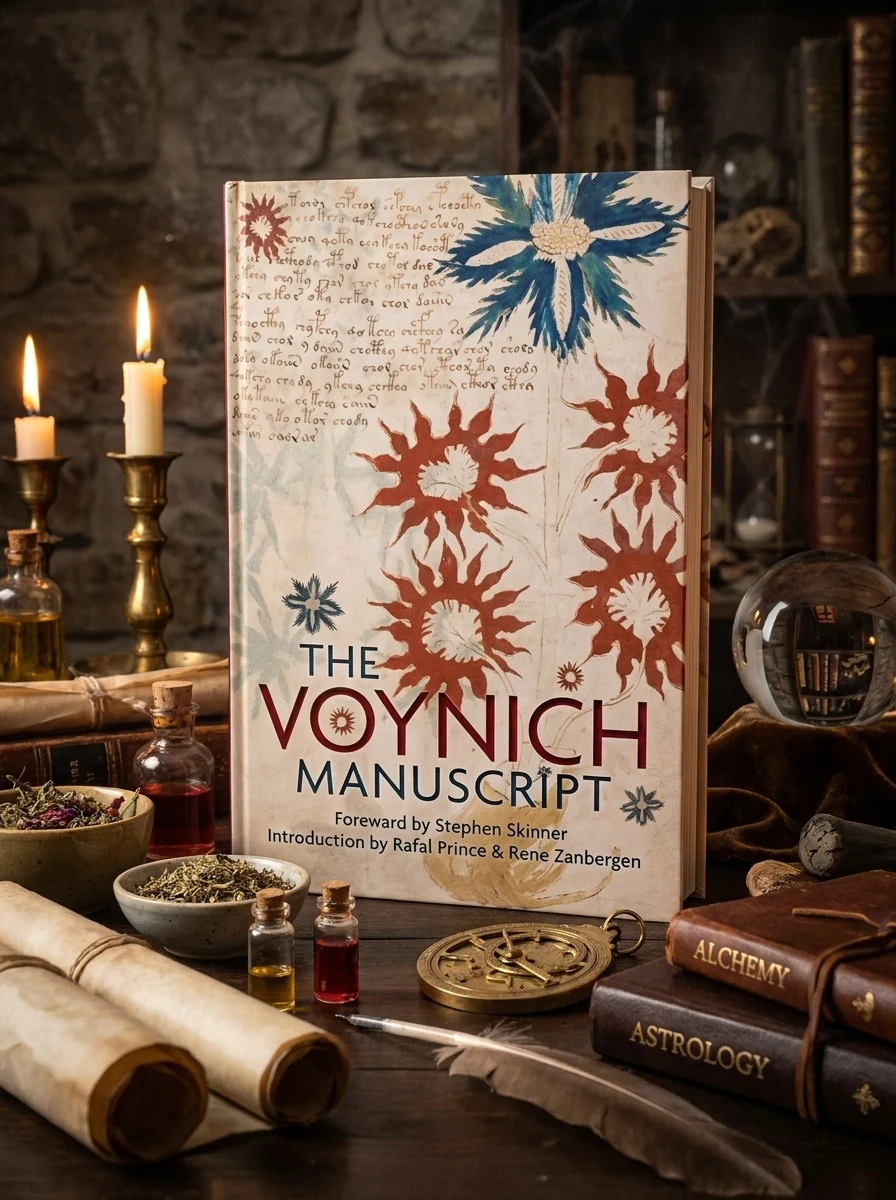
2. The Voynich Manuscript: The Complete Edition of the World' Most Mysterious and Esoteric Codex — Skinner, Stephen
The Voynich Manuscript offers a different entry point into Skinner’s interests: historical documents, symbols, and unresolved questions from the past. Readers drawn to unusual manuscripts may find this a natural beginning because it focuses on a famous codex rather than a practical magical system.
This book also introduces an important theme found throughout Skinner’s work: the study of texts that have survived across centuries. Examining such sources requires attention to history, language, symbolism, and the cultural settings in which these works appeared.
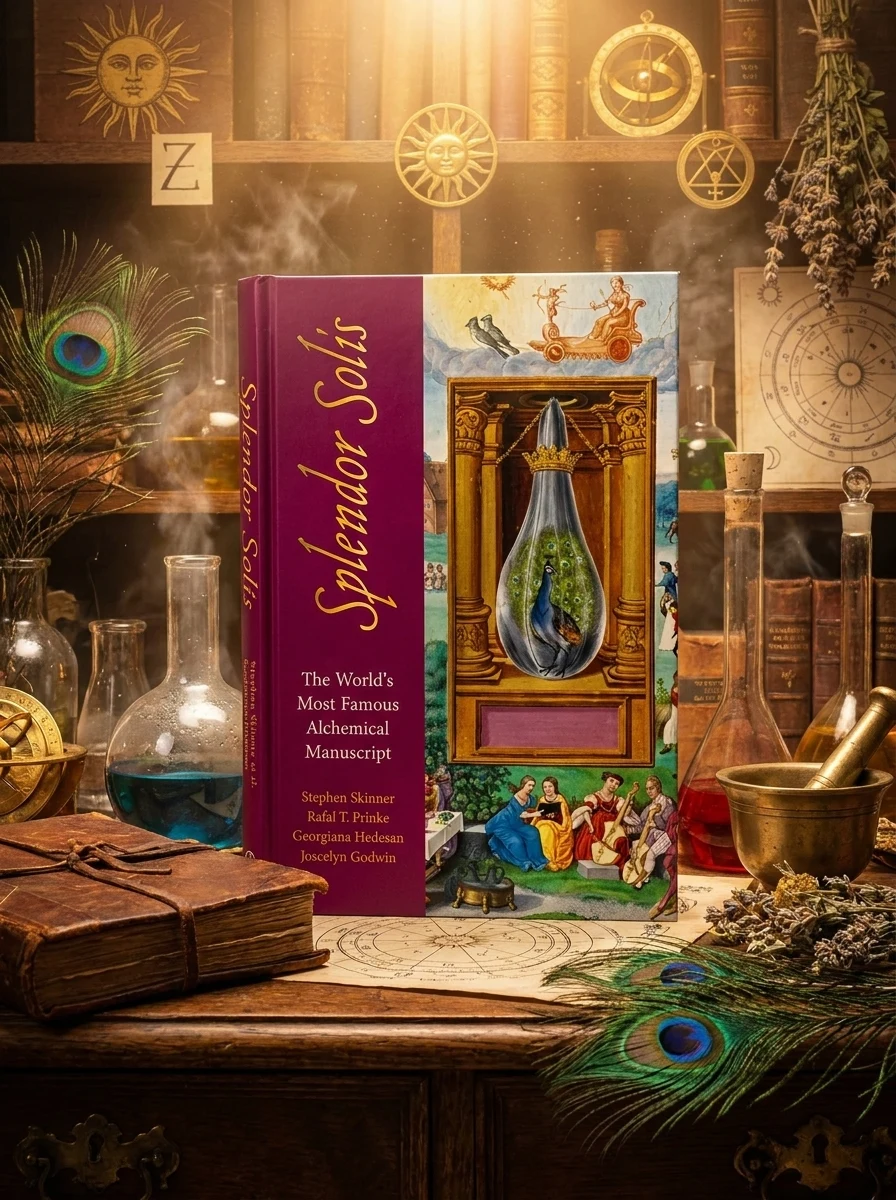
3. Splendor Solis: The World's Most Famous Alchemical Manuscript — Skinner, Stephen; Prinke, Rafal T; Hedesan, Georgiana; Godwin, Joscelyn
Readers interested in symbolic manuscripts can continue with Splendor Solis. This volume focuses on a significant alchemical manuscript and suits those who want to explore the relationship between imagery, historical texts, and esoteric symbolism.
Placed early in the reading order, this title helps build familiarity with the manuscript tradition that appears throughout many areas of Western esoteric history.
Move into practical magical traditions and source material
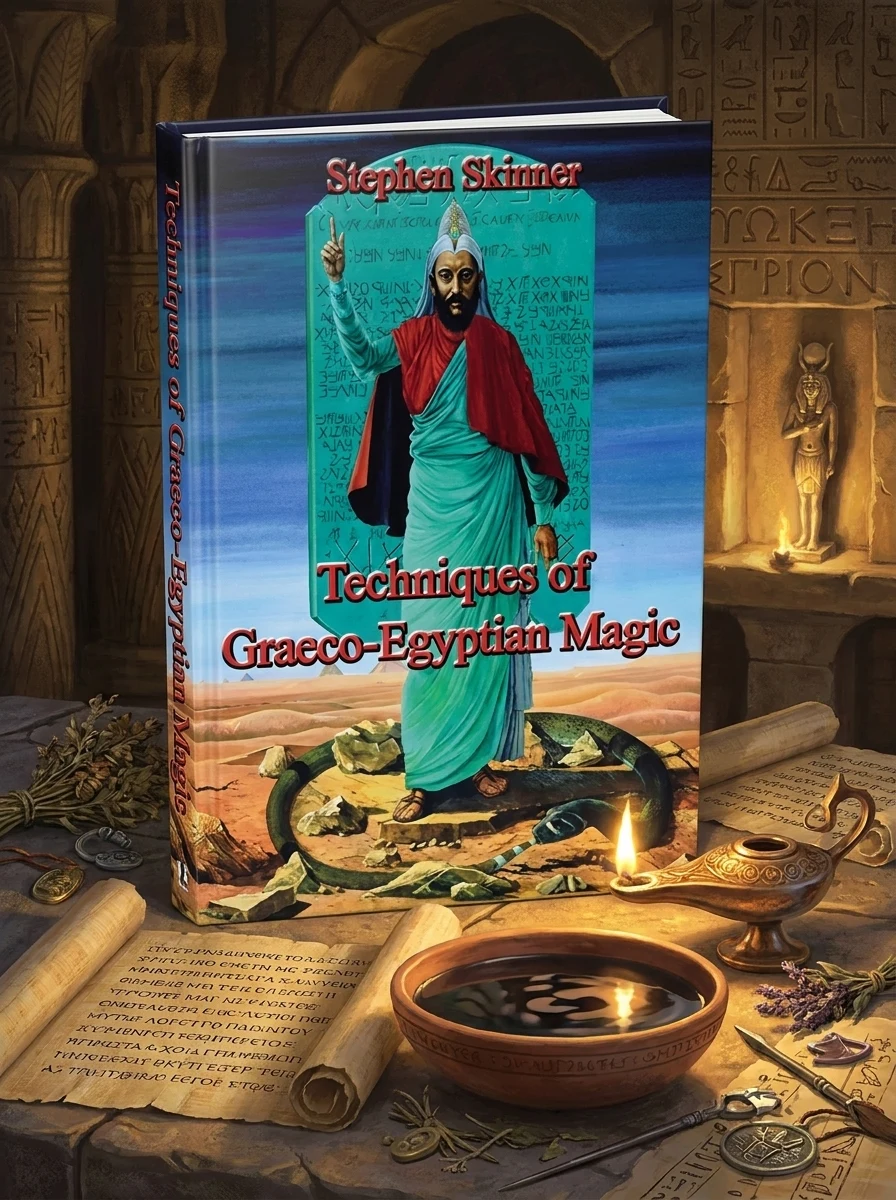
4. Techniques of Graeco-Egyptian Magic — Skinner, Stephen
This book marks a transition from historical overview into the study of magical methods. It examines techniques associated with Graeco-Egyptian magic and provides a foundation for readers who want to understand older magical practices and their influence on later traditions.
It works well before more specialized ceremonial texts because it introduces the reader to historical practices without requiring prior knowledge of every later system.
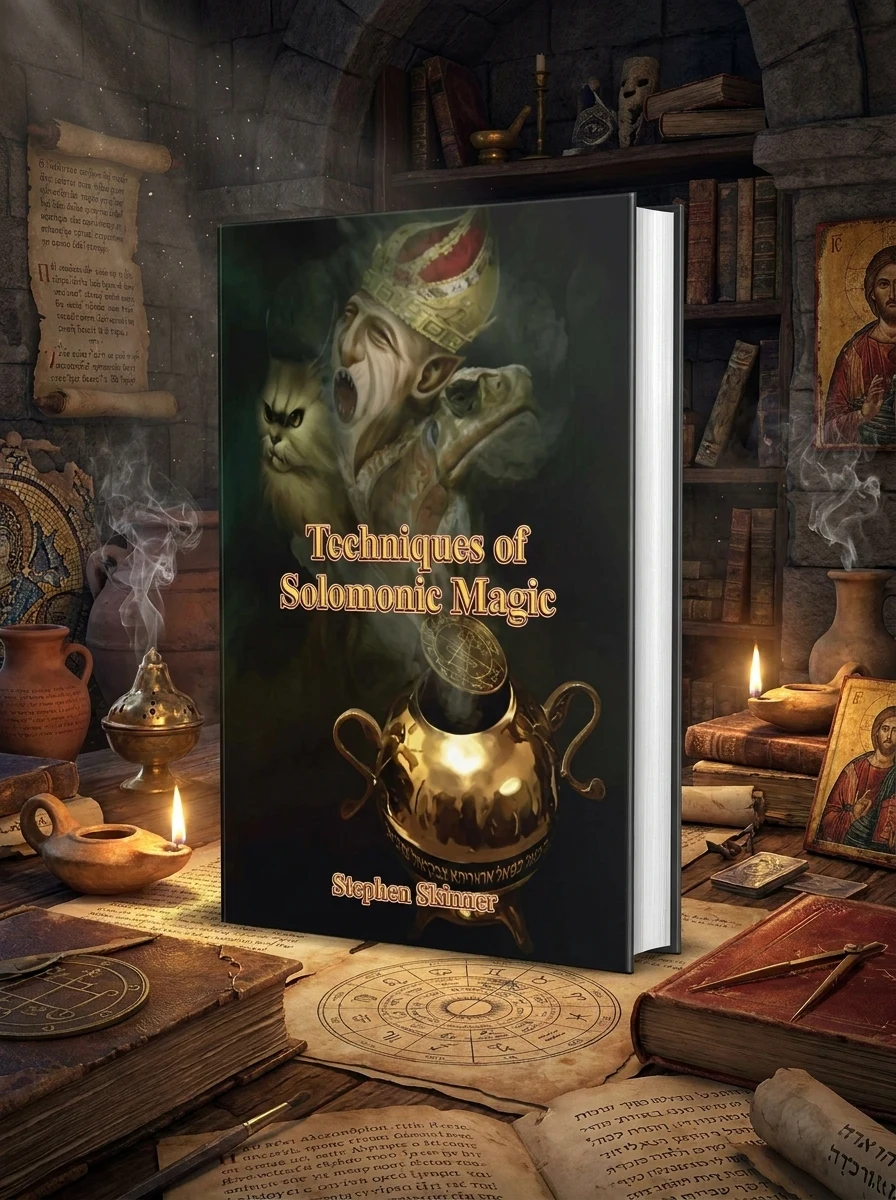
5. Techniques of Solomonic Magic — Skinner, Stephen
For readers interested in Western ceremonial traditions, Techniques of Solomonic Magic is a central step. The book focuses on Solomonic methods and the historical material surrounding them. It is useful for understanding how magical texts were organized and transmitted over time.
Solomonic literature often discusses spirits and beings described in older sources. In these texts, the term demon can carry meanings shaped by different historical and religious contexts rather than only modern interpretations.
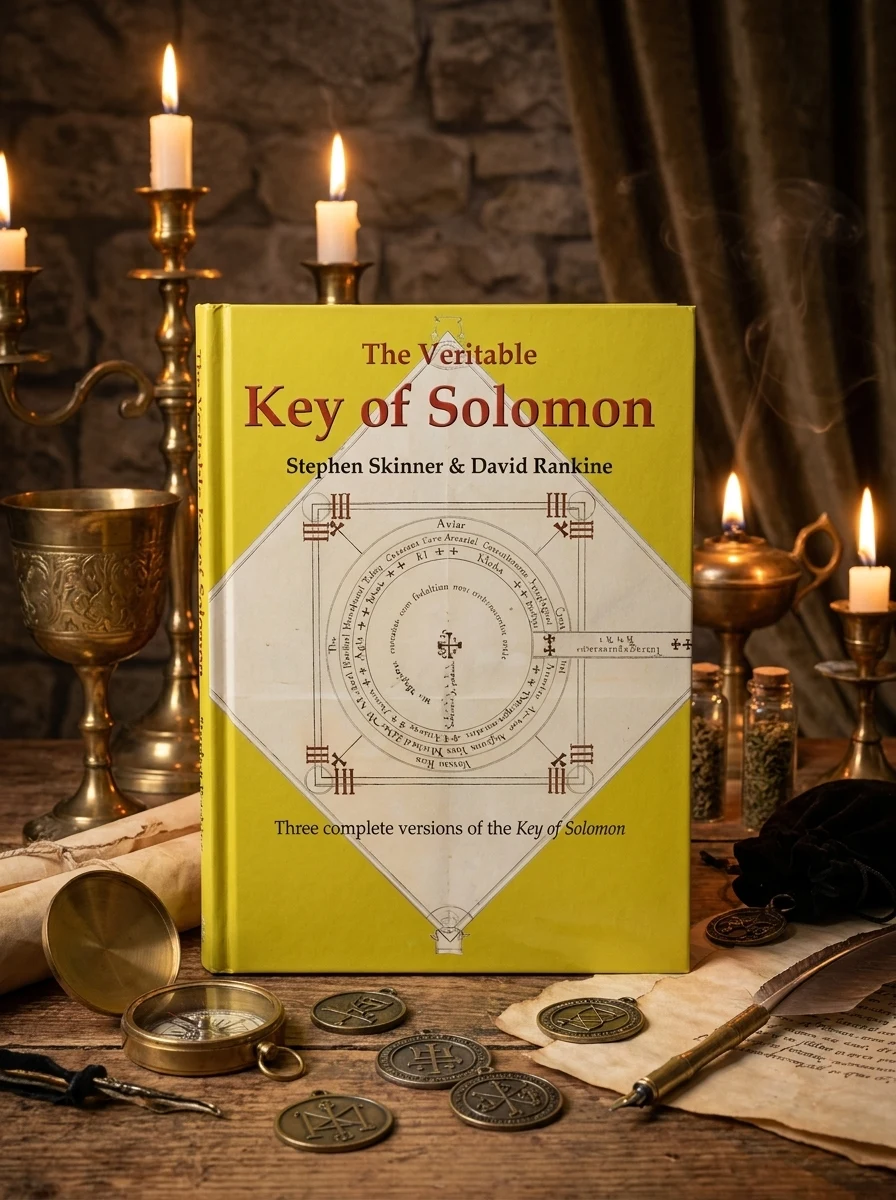
6. The Veritable Key of Solomon — Skinner, Stephen
This title follows naturally after an introduction to Solomonic traditions. It presents a specific historical text tradition and is best approached with some awareness of how grimoires developed through manuscript culture.
Readers who prefer original sources and historical editions may find this book especially valuable. It represents the kind of work where understanding the surrounding tradition helps make the text more accessible.
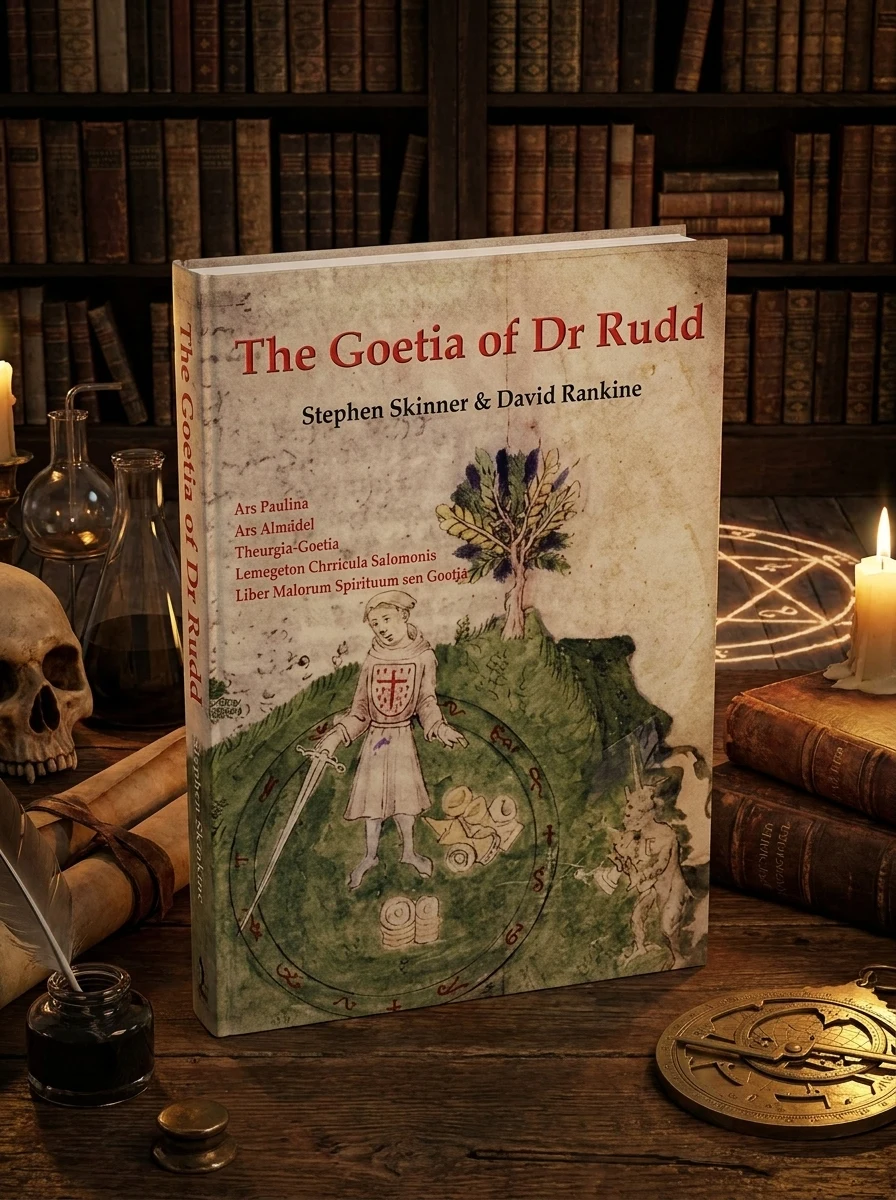
7. The Goetia of Dr Rudd: The Angels & Demons of Liber Malorum Spirituum Seu Goetia Lemegeton Clavicula Salomonis — Skinner, Stephen; Rankine, David
This edition is another important stop for readers studying grimoire traditions. It belongs later in the sequence because it benefits from familiarity with ceremonial structures and historical magical texts.
The work connects with traditions involving angels, spirits, and systems of classification found in magical literature. The glossary term demon is useful here because historical sources often use categories that changed meaning across different periods.
Continue into specialized Renaissance and angelic studies
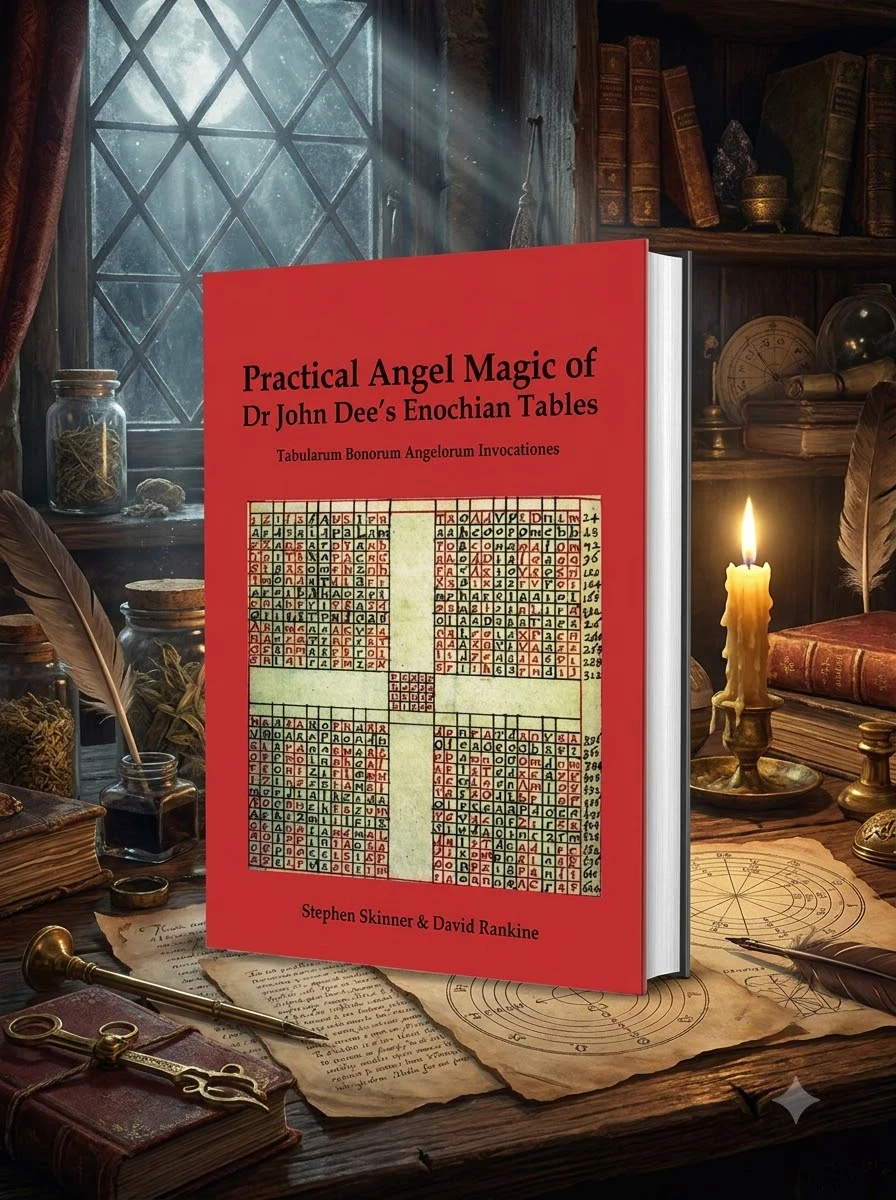
8. Practical Angel Magic of Dr. John Dee's Enochian Tables — Skinner, Stephen; Rankine, David
This book is aimed at readers who want to focus on John Dee, Enochian studies, and Renaissance magical traditions. It is more specialized than the earlier selections, so it works better after gaining some background in ceremonial history.
Its subject combines historical figures, symbolic systems, and magical records. Readers approaching this area for the first time may find the earlier books helpful preparation.
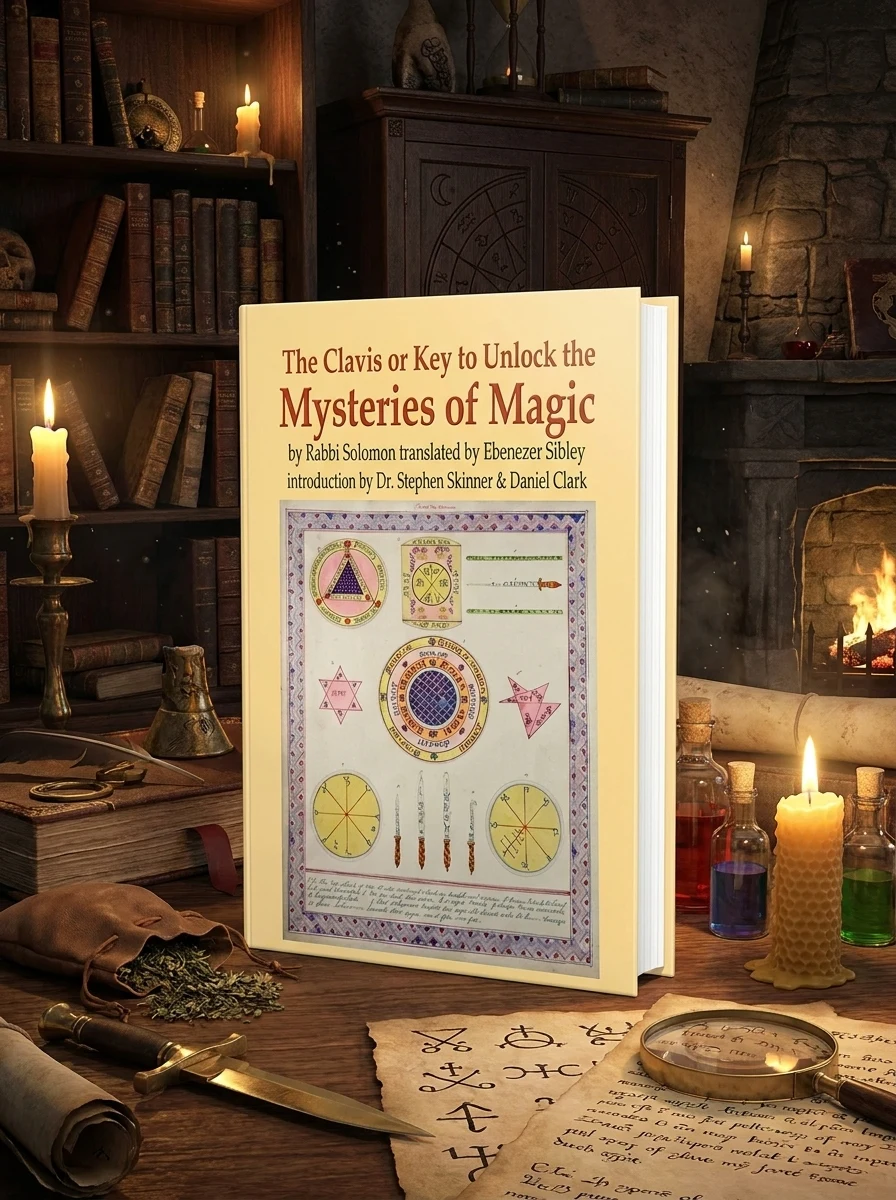
9. The Clavis or Key to Unlock the Mysteries of Magic: By Rabbi Solomon Translated by Ebenezer Sibley — Skinner, Stephen
This substantial work is suited to readers who have developed an interest in historical magical texts and want to continue with a more focused source. It represents the scholarly side of Skinner’s catalog, where preservation and presentation of older material are central concerns.
The text fits best later in a reading sequence because it rewards patience with historical terminology and traditional structures. It is not intended as a simple overview but as an engagement with a specific magical work.
10. Feng Shui History: The Story of Classical Feng Shui in China and the West from 221 BC to 2012 AD — Skinner, Stephen
Returning to Feng Shui History at the end highlights an important point: Skinner’s catalog is not a straight path from one subject to another. Readers may move between Chinese metaphysics, manuscripts, and Western magical history depending on their interests.
A second look at this book after exploring his other works can reveal connections between historical research methods used across different traditions.
How to choose your first Stephen Skinner book
If your main interest is Chinese metaphysics, begin with Feng Shui History. If manuscripts and symbolic works attract you, start with The Voynich Manuscript or Splendor Solis. If your focus is ceremonial magic, Techniques of Solomonic Magic provides a useful entry before moving into source editions.
Readers interested in Renaissance figures and angelic systems may prefer Practical Angel Magic of Dr. John Dee's Enochian Tables after gaining some historical context. Those drawn to grimoires can continue through The Veritable Key of Solomon, The Goetia of Dr Rudd, and The Clavis or Key to Unlock the Mysteries of Magic.
Stephen Skinner’s books work best when approached by subject rather than by publication order. The right starting point depends on the tradition you want to study, and this sequence provides several clear ways into his wide-ranging body of work.